Active Aging
Staying independent and physically capable — why mobility matters for autonomy, not just comfort
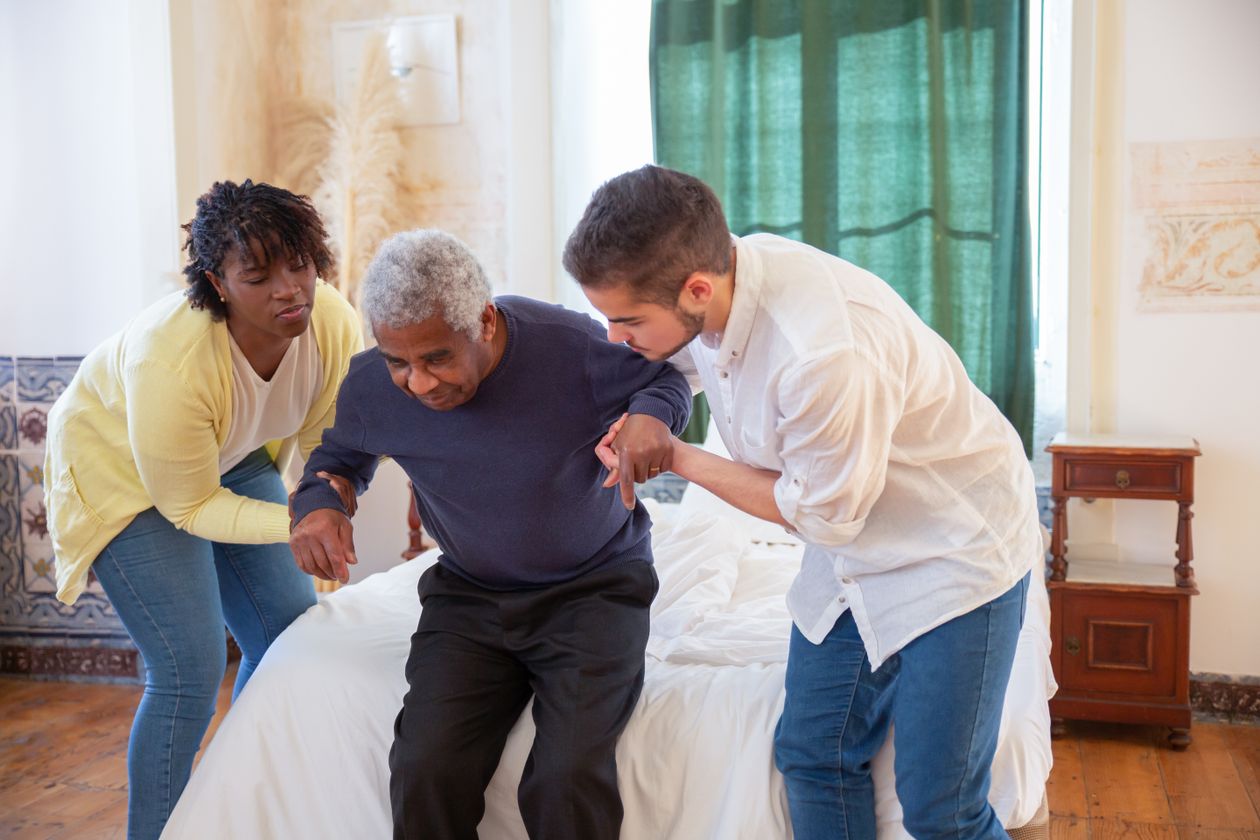
Fall Prevention at Home After 60: What the Evidence Shows
Falls are the leading cause of injury death in adults over 65. Exercise reduces fall rates by 19-35%. This guide covers the evidence for exercise, home modifications, bathroom safety, medication review, and addressing fear of falling.
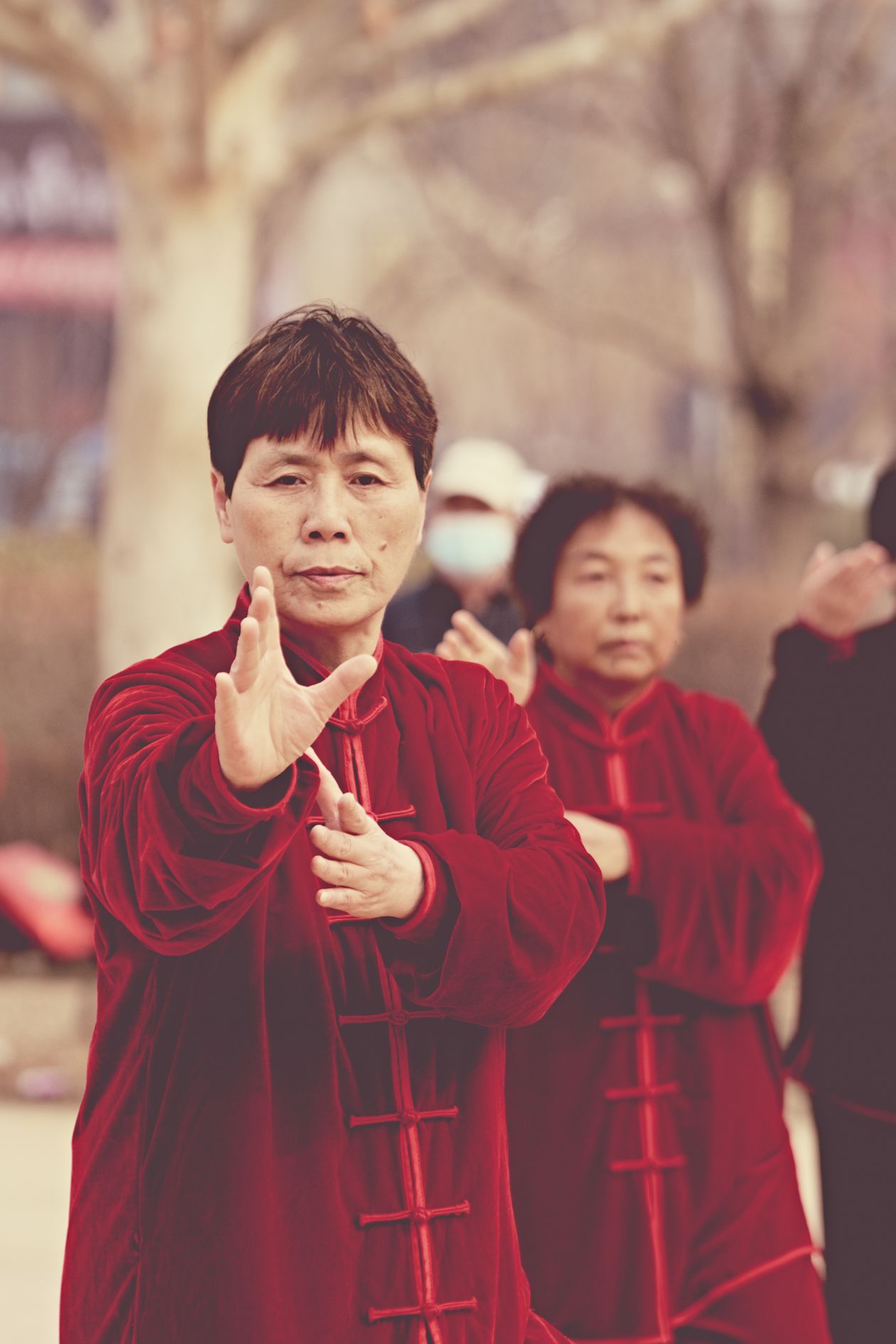
Tai Chi for Joint Health and Balance: A Complete Beginner’s Guide
Tai chi has the strongest evidence of any single exercise for fall prevention, and strong evidence for OA pain, RA, back pain, and fibromyalgia. This guide covers the research, which style to start with, where to find classes, and how to begin.

How Losing Weight Reduces Joint Pain: What the Numbers Show
Each pound of body weight adds 4 pounds of force across the knee joint. A 10% weight loss consistently produces clinically meaningful OA pain reduction. This guide covers the mechanical and inflammatory evidence and how to start when joint pain makes exercise difficult.
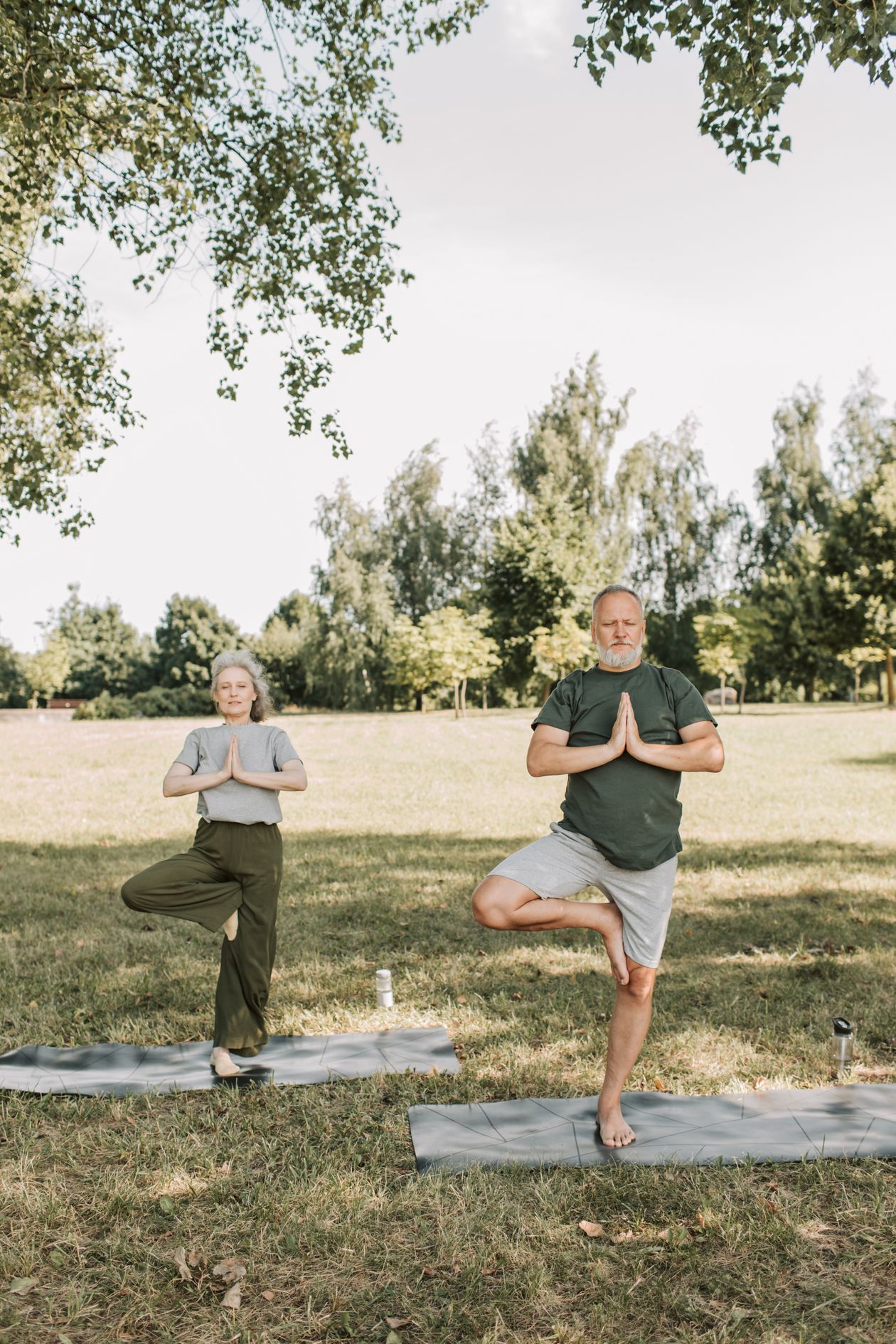
Balance Training After 40: Why It Matters and How to Start
Balance declines from age 40 but is highly trainable at any age — measurable improvements appear within 4-8 weeks. This guide covers the progression from supported to fully challenged exercises and the evidence behind the most effective activities.
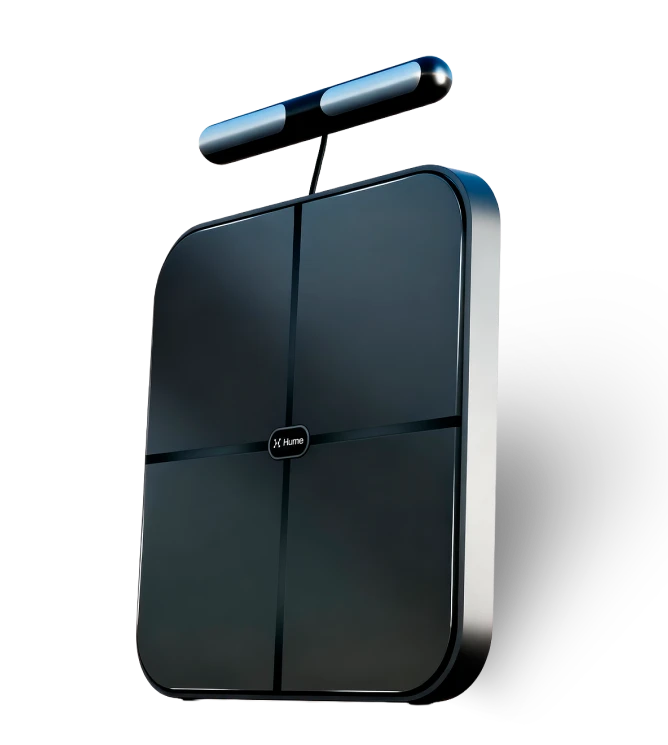
Hume Body Pod Review (2026): Pros, Cons, and Is It Worth It?
The Hume Body Pod is a body composition scale measuring muscle mass, body fat percentage, visceral fat, and metabolic age. This review covers accuracy, who it's for, how it compares to DEXA, and whether it's worth buying for adults over 40.
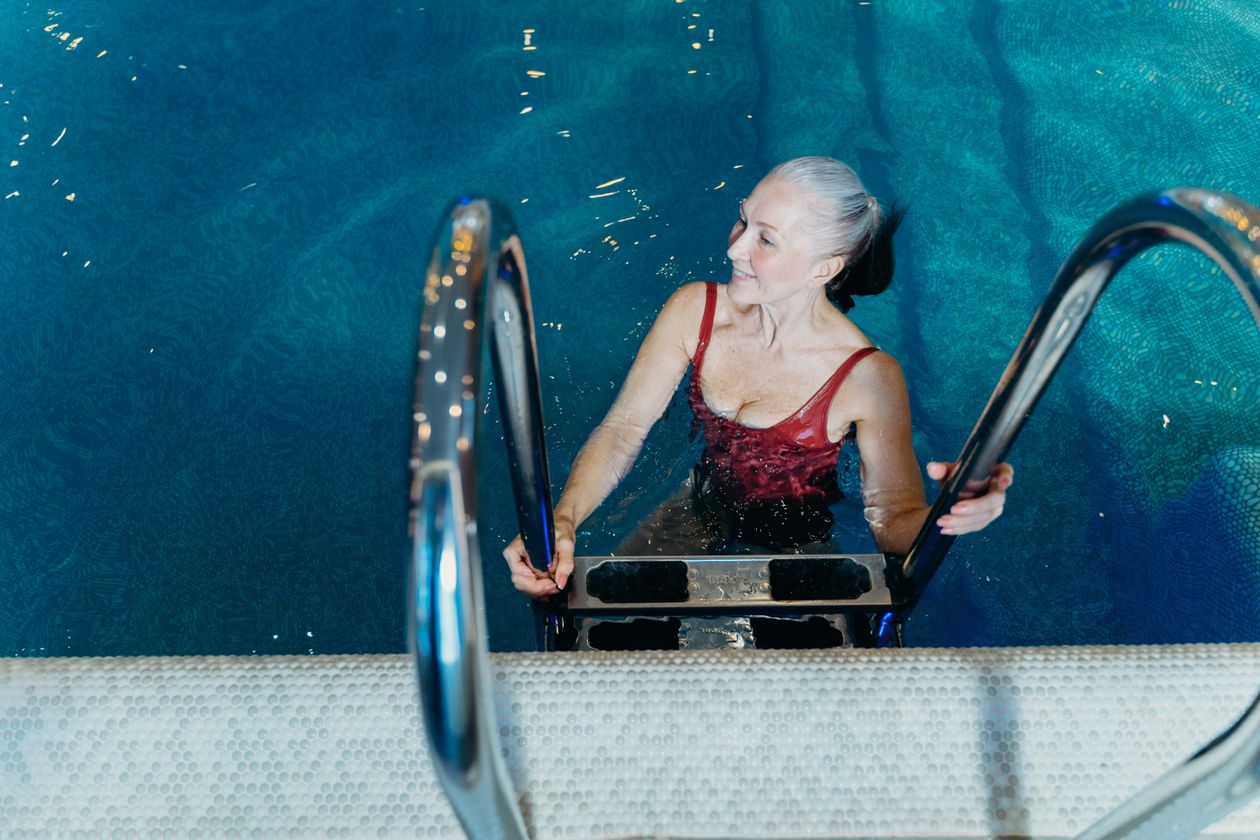
Swimming for Joint Health After 40: Benefits and How to Start
Swimming and aquatic exercise reduce joint loading by 50-90% while providing full-body cardiovascular and muscular conditioning. This guide covers the evidence for joint conditions, which strokes to choose, and how to start even without swimming experience.
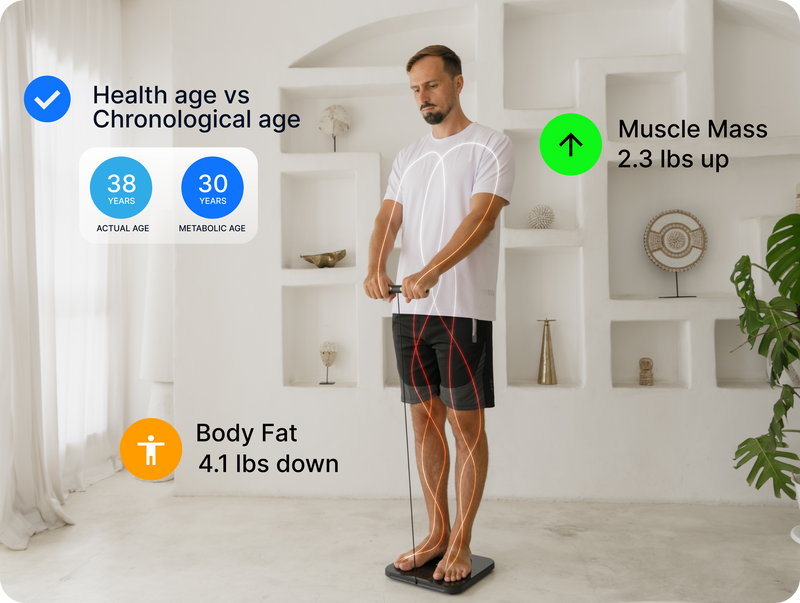
Body Composition After 40: Why Muscle Mass Matters More Than the Number on the Scale
Last updated: September 22, 2026 | By Richard Hale This content is for educational purposes only and is not medical ...
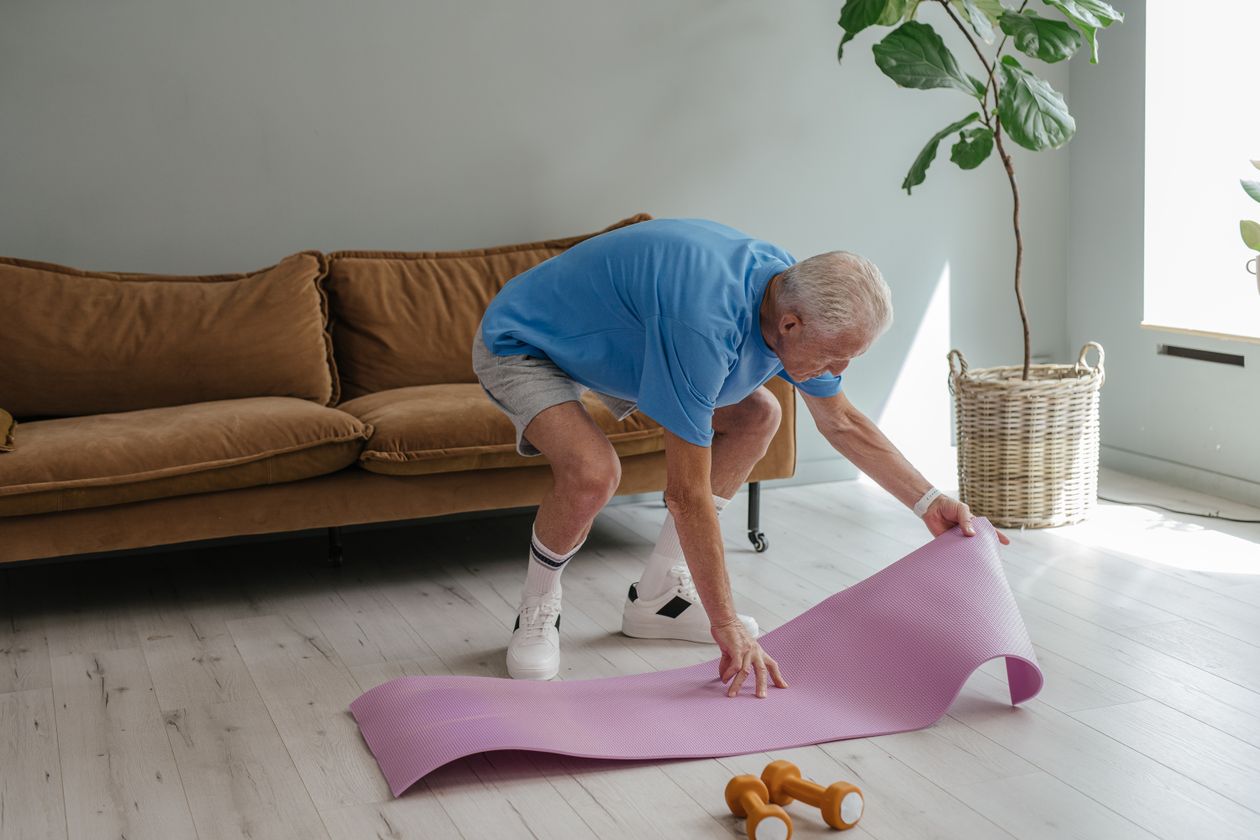
How to Set Up a Joint-Friendly Home Gym After 40
A home gym for joint health after 40 starts with resistance bands, dumbbells, a yoga mat, and a foam roller — and focuses on movement patterns that build functional strength without unnecessary joint stress.
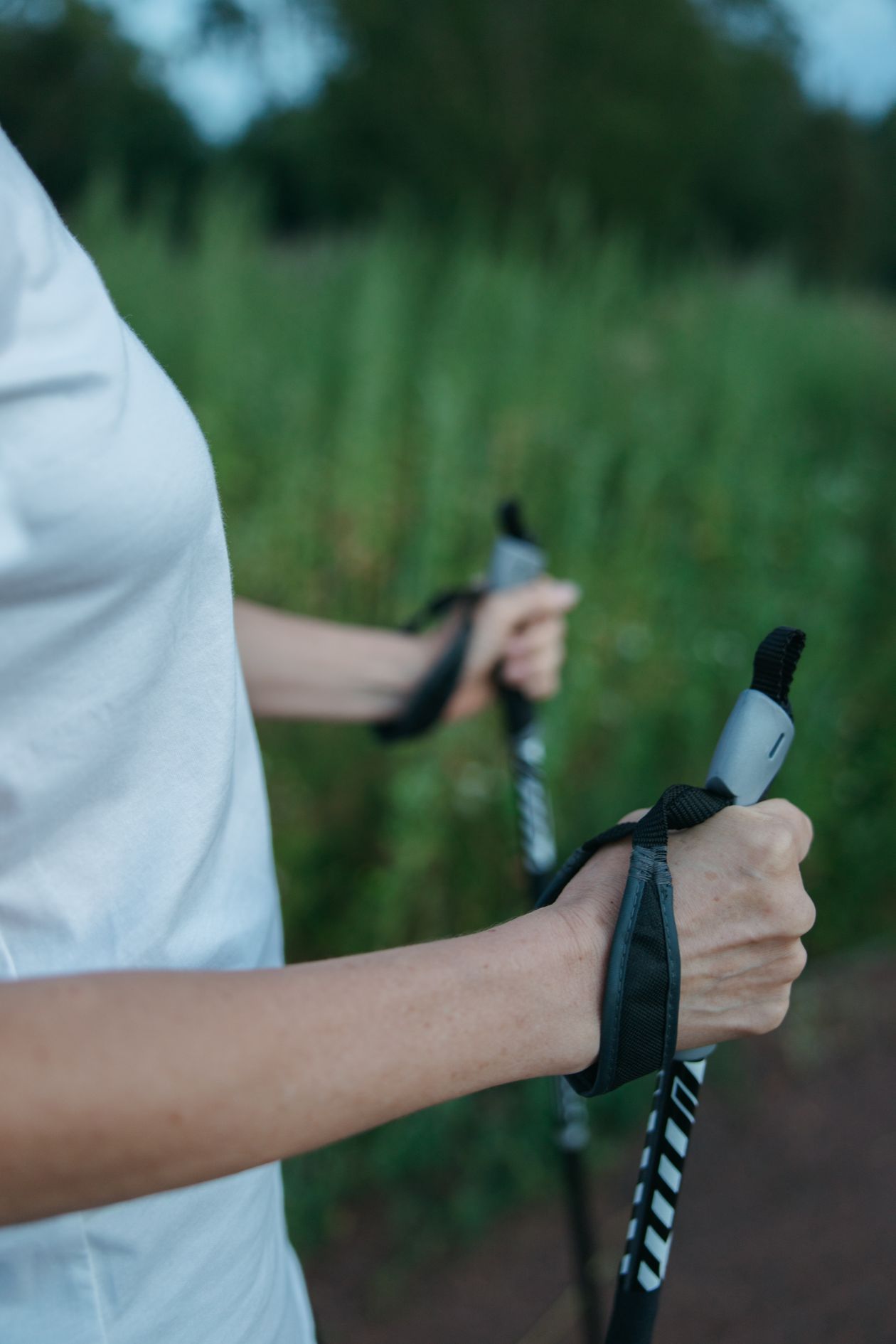
Nordic Walking With Poles: Benefits for Joints and Fitness After 40
Nordic walking engages 80-90% of skeletal muscles, burns 20-45% more calories than walking, and reduces knee joint loading — making it one of the most evidence-supported exercises for adults over 40 with joint pain or low fitness.
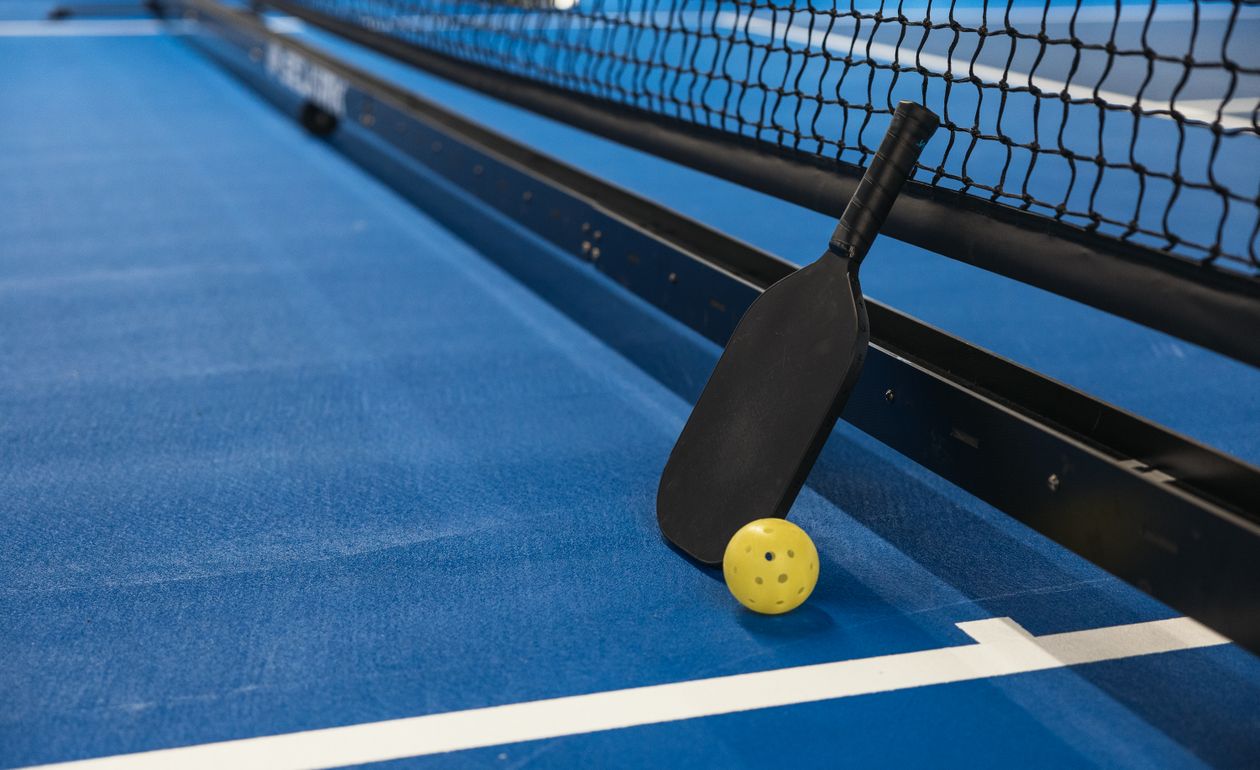
Pickleball After 40: Is It Good or Bad for Your Joints?
Pickleball is the fastest-growing sport in the US, with adults over 50 as its largest group. This guide covers the joint demands, documented health benefits, common injuries in older players, and how to start safely after 40.