Last updated: September 10, 2026 | By Richard Hale
Falls are the leading cause of injury-related death in adults over 65 in the United States, approximately 36 million falls occur annually, resulting in over 32,000 deaths and 3 million emergency department visits. Among adults who fall, the consequences extend beyond the injury itself: fear of falling reduces activity, which accelerates the muscle and balance decline that makes the next fall more likely. Understanding what actually prevents falls, and what can be done at home, is one of the most practically important topics in active aging.
This content is for educational purposes only and is not medical advice. Adults who have experienced a recent fall or who have significant balance impairment should discuss a formal fall risk assessment with their physician or physical therapist.
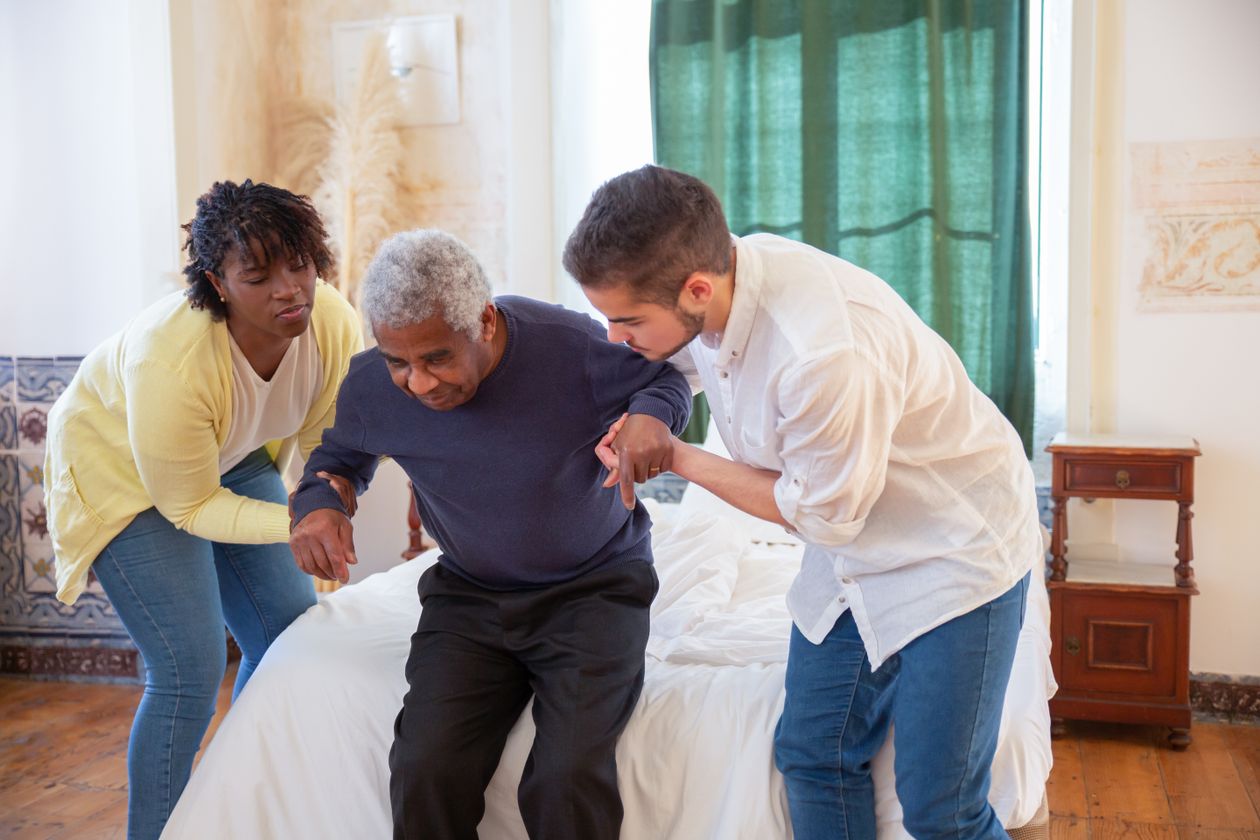
Table of Contents
- Why Falls Happen: The Contributing Factors
- Exercise: The Highest-Impact Intervention
- Home Modifications That Reduce Fall Risk
- Bathroom Safety: The Highest-Risk Room
- Medications and Fall Risk
- Addressing Fear of Falling
- Frequently Asked Questions
Why Falls Happen: The Contributing Factors
Falls in older adults are rarely caused by a single factor. Research consistently shows that fall risk accumulates from multiple independent contributors, and that addressing several factors simultaneously is more effective than targeting any one alone.
Muscle weakness: lower limb muscle strength, particularly in the quadriceps, hip abductors, and ankle dorsiflexors, is one of the strongest predictors of fall risk. Muscle mass and strength decline approximately 1-2% per year after age 50 without intentional resistance training, and the muscles most critical for balance and recovery from a loss of balance are among the first to weaken.
Balance impairment: balance depends on three sensory inputs: vision, the vestibular system (inner ear), and proprioception (joint and muscle position sense). All three decline with age, and proprioception (the most important for moment-to-moment balance adjustments) is particularly affected by lower limb joint conditions and sedentary behavior. Adults with knee OA or hip OA often have significantly impaired proprioception in the affected joint, directly increasing fall risk.
Gait changes: older adults tend to walk with shorter steps, slower speed, and wider stance, adaptations the nervous system makes in response to reduced balance confidence. While these changes are initially protective, they reduce walking efficiency and increase the risk of tripping on small obstacles.
Medication effects: certain medications, particularly blood pressure medications, sedatives, sleep aids, antidepressants, and antiepileptics, significantly increase fall risk through dizziness, orthostatic hypotension (blood pressure drop on standing), or sedation. Polypharmacy (taking 4+ medications) is independently associated with substantially higher fall rates.
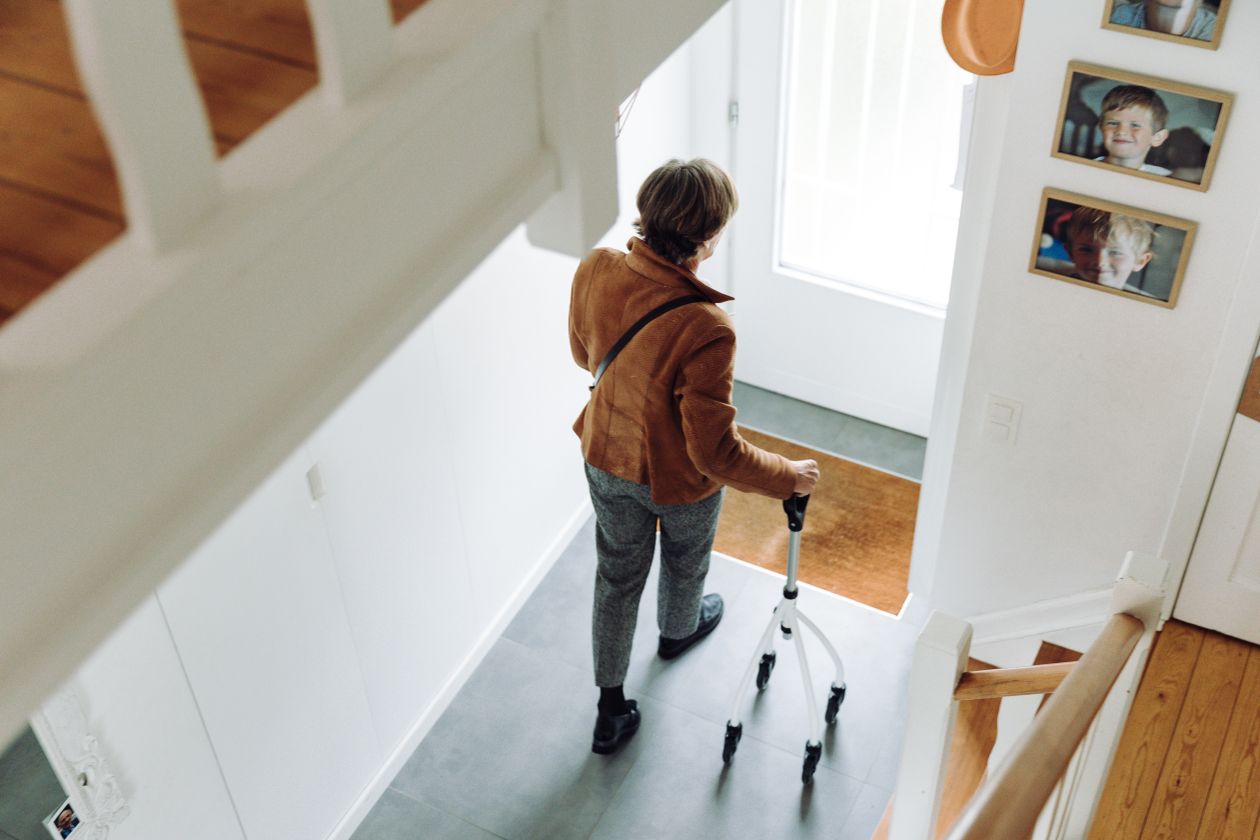
Environmental hazards: loose rugs, poor lighting, lack of grab bars in wet areas, clutter on walking paths, and uneven outdoor surfaces are modifiable risk factors that contribute to a significant proportion of falls.
Exercise: The Highest-Impact Intervention
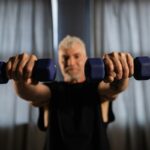
Exercise is the single most effective fall prevention intervention with the strongest evidence base. A 2020 Cochrane review of 108 trials, the same review discussed in our tai chi guide, found that exercise reduced fall rates by 23% and the number of people experiencing any fall by 15%, on average across all exercise types.
The most effective exercise approaches share common characteristics: they challenge balance specifically (not just cardiovascular fitness), they include progressive difficulty that increases as the person improves, and they are practiced consistently over months rather than weeks.
Tai chi: the most evidence-supported single exercise modality for fall prevention. The Cochrane review found tai chi specifically reduced fall rates by 21%, among the largest effects of any single exercise type. The slow, controlled weight transfers between legs in tai chi are highly specific training for the proprioceptive and neuromuscular responses required to prevent falls in real-world situations.
Balance training programs: exercises that progressively challenge the balance system, single-leg standing, standing on unstable surfaces, tandem walking, produce significant balance improvement in older adults when practiced 3+ times per week. The Otago Exercise Programme, developed specifically for fall prevention and extensively studied, combines balance exercises with lower limb strengthening and has shown 35% reduction in fall rates in multiple trials.
Lower limb strengthening: squats, step-ups, calf raises, and resistance band exercises for the hip abductors target the muscles most critical for fall recovery, the ability to rapidly stabilize when balance is disturbed. Strength training alone (without balance-specific training) reduces fall risk but less effectively than programs that combine both.

Home Modifications That Reduce Fall Risk
Environmental modifications address the hazard side of the fall equation. They do not improve the person’s physical capacity to prevent a fall, but they reduce the frequency of situations where that capacity is tested. The evidence for home hazard assessment and modification programs shows approximately 19% reduction in fall rates, meaningful but smaller than the exercise effect.
The highest-impact modifications:
- Remove loose rugs and runners: small rugs on hardwood or tile are the single most commonly cited environmental fall cause. If rugs are kept, ensure they have non-slip backing on all edges.
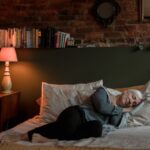
- Improve lighting: nighttime trips to the bathroom are a high-risk scenario, older adults who wake in the night and walk to the bathroom in darkness are at significantly elevated fall risk. Motion-activated nightlights in the bedroom, hallway, and bathroom address this specifically.
- Clear walking paths: furniture positioned to allow a continuous clear path between commonly used rooms (bedroom to bathroom, kitchen to living room) without navigating around chairs, low tables, or other obstacles.
- Secure electrical cords: power cords running across walking paths are a tripping hazard. Routing cords along baseboards or under furniture eliminates this risk.
- Non-slip flooring: adding non-slip mats to the kitchen sink area, shower, and tub areas. Wet tile and porcelain surfaces are the most common site of indoor falls.
Bathroom Safety: The Highest-Risk Room
The bathroom presents the highest fall risk of any room in the home, for several compounding reasons: wet and slippery surfaces, the need to transfer weight while standing (stepping in and out of a tub, sitting down on and rising from a toilet), and the physical vulnerability of being partially undressed or groggy during nighttime bathroom visits.
Grab bars: permanent wall-mounted grab bars near the toilet and in the shower or tub are the most evidence-supported bathroom safety modification. Properly installed grab bars can support up to 250 lbs of force and provide the stability point that prevents the loss of balance during transfers. The installation requires locating wall studs and using appropriate hardware, a grab bar that pulls out of drywall when grabbed provides no safety benefit and creates additional danger.
Portable suction grab handles: for adults who want bathroom safety support without permanent installation, renters, those who frequently travel, or those who want support in multiple locations, portable suction-cup grab handles provide a non-permanent option. These attach to smooth, non-porous surfaces (tile, glass, acrylic) via dual suction locks. They are appropriate for lower-force applications (balance support, steadying during transfers) and should be tested for adequate suction before each use.
Shower chair or bench: for adults who find standing in the shower creates fall risk, a shower chair or fold-down bench allows seated showering. This eliminates the requirement for sustained single-leg balance during bathing, which is one of the most balance-demanding daily activities for older adults.
Raised toilet seat: the motion of sitting down and rising from a standard-height toilet requires significant lower limb strength and balance. A raised toilet seat reduces the required range of motion and makes the transfer easier for adults with knee pain, hip pain, or lower limb weakness.
Medications and Fall Risk
A medication review with a physician or pharmacist is one of the highest-yield, most underutilized fall prevention interventions. Studies find that medication-related falls account for 25-40% of falls in older adults, and that many of the contributing medications can be reduced, substituted, or discontinued without worsening the conditions they were prescribed for.
The highest-risk medication categories:
- Benzodiazepines and sleep medications: diazepam, lorazepam, zolpidem (Ambien) and related drugs, their sedating effects on the nervous system persist longer in older adults due to slower drug metabolism, producing daytime sedation and impaired reflexes that significantly increase fall risk
- Antihypertensives: blood pressure medications, particularly alpha-blockers and diuretics, can cause orthostatic hypotension, a rapid drop in blood pressure on standing from a seated or lying position that causes lightheadedness and is a common fall precipitant
- Antidepressants and antipsychotics: both categories affect balance-relevant neurological function and are associated with 2-3x higher fall rates in older adults compared to non-users
Bringing a complete medication list (including over-the-counter drugs and supplements) to a physician visit specifically for fall risk review is a practical step with evidence-based benefit. The CDC’s STEADI (Stopping Elderly Accidents, Deaths and Injuries) program provides a standardized medication review process for fall risk that primary care physicians can use.
Addressing Fear of Falling
Fear of falling is an independent risk factor for falls, separate from actual physical fall risk. Adults who fear falling restrict their activity, which reduces the exercise that builds the strength and balance that prevent falls, creating a self-reinforcing cycle. Fear of falling is present in approximately 50% of adults who have previously fallen and 25% of those who have never fallen.
The most evidence-supported interventions for fear of falling are exercise programs (particularly tai chi, which simultaneously reduces actual fall risk and improves confidence) and cognitive behavioral approaches that address the activity restriction behavior. The Otago Exercise Programme and tai chi programs conducted in group settings also provide the social engagement that independently reduces fear of falling through increased confidence from shared experience.
Frequently Asked Questions
What is the single most effective thing an older adult can do to prevent falls?
Start a structured exercise program that includes balance training, specifically tai chi or a program like the Otago Exercise Programme, practiced 3+ times per week for at least 12 weeks. The Cochrane review evidence shows consistent 19-35% fall rate reductions from these programs, larger than any other single intervention including medication changes, vitamin D supplementation, or environmental modification alone. Exercise also addresses the fear of falling and maintains the independence that fall prevention is ultimately trying to protect.
Are portable grab bars as safe as permanent ones?
Portable suction-cup grab handles are appropriate for balance support and light-force applications, steadying during a momentary transfer or providing a confidence point during movement. They are not appropriate as the sole support during high-force transfers (full weight transfer when stepping out of a tub) because suction cups release under sufficient force. Permanent wall-mounted grab bars are the appropriate solution for situations requiring reliable high-force support. For adults who need both convenience and security, a portable handle for supplemental positions combined with one permanent bar at the primary transfer point is often the practical solution.
About the author: Richard Hale is an independent health writer focused on mobility, joint health, and active aging research. He is not a licensed medical professional. All content on VitalMove40 is for educational purposes only and is not a substitute for advice from a qualified healthcare provider.