Disclosure: VitalMove40 earns a commission if you buy through links on our site, at no extra cost to you. See our full affiliate disclosure.
Last updated: October 29, 2026 | By Richard Hale
This content is for educational purposes only and is not medical advice. Body composition scales are wellness tools, not diagnostic equipment.
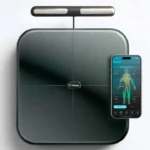
The Hume Pod and the Oxiline Scale MD Pro look like the same idea: a glass scale with a handle you hold, so the reading covers your arms, torso and legs instead of just your feet. Their prices are close too. But when you put the spec sheets side by side, they are not the same scale. One measures more, lasts longer on a charge, gives you longer to try it, and shows you how it compares with a DEXA scan. That one is the Hume Pod.
Short answer: the Hume Pod is the better buy for most people over 40. It tracks 45 body metrics against the MD Pro’s 31, Hume rates its battery at up to a year per charge against Oxiline’s 2 months, you get 45 days to return it instead of 30, and Hume publishes a comparison of the Pod against DEXA. The Oxiline costs less at its current sale price of $179 and comes with a lifetime warranty.
The difference in one line: the Oxiline is a good-looking handle scale. The Hume Pod is a handle scale that shows its homework.
Hume Pod: $229 at the official store (list price $366), 45 body metrics, free app, no subscription required, 45 days to return it.
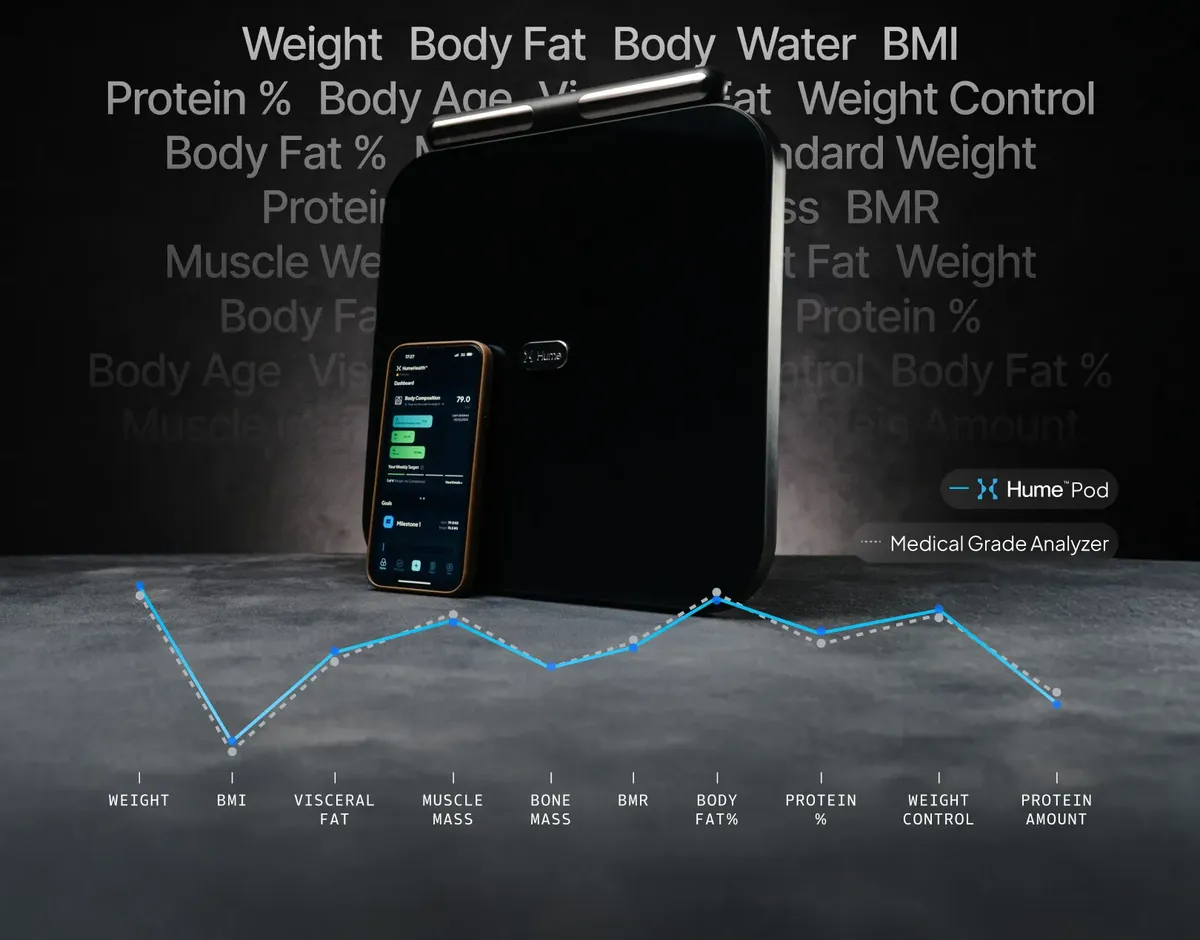
Table of Contents
- Hume Pod vs Oxiline Scale MD Pro at a Glance
- 45 Metrics vs 31: What You Actually Get
- Which Is More Accurate?
- Battery: Up to a Year vs 2 Months
- Returns and Warranty
- What the Oxiline Does Well
- Which Should You Buy After 40?
- Frequently Asked Questions
Hume Pod vs Oxiline Scale MD Pro at a Glance
Oxiline figures come from the Scale MD Pro product page and Hume figures from Hume’s official Pod page, both checked in October 2026.
| Hume Pod | Oxiline Scale MD Pro | |
|---|---|---|
| Price | $229 (list $366) | $179 on sale (list $349) |
| Body metrics | 45 | 31 |
| How it measures | Feet plus hand-grip handle (arms, torso, legs) | 8 electrodes, feet plus handheld unit |
| DEXA comparison published | Yes, on the product page | None on the product page |
| Battery | Up to 1 year per charge | 2 months |
| Display | 2.8-inch graphical display | Display on the handheld unit |
| Weight range | 9 to 400 lbs | 13.2 to 396 lbs |
| Money-back window | 45 days | 30 days |
| Warranty | 1 year, optional 10-year cover | Lifetime |
| Subscription | Not required (optional coaching $9.99/month) | Not required for core tracking |
45 Metrics vs 31: What You Actually Get
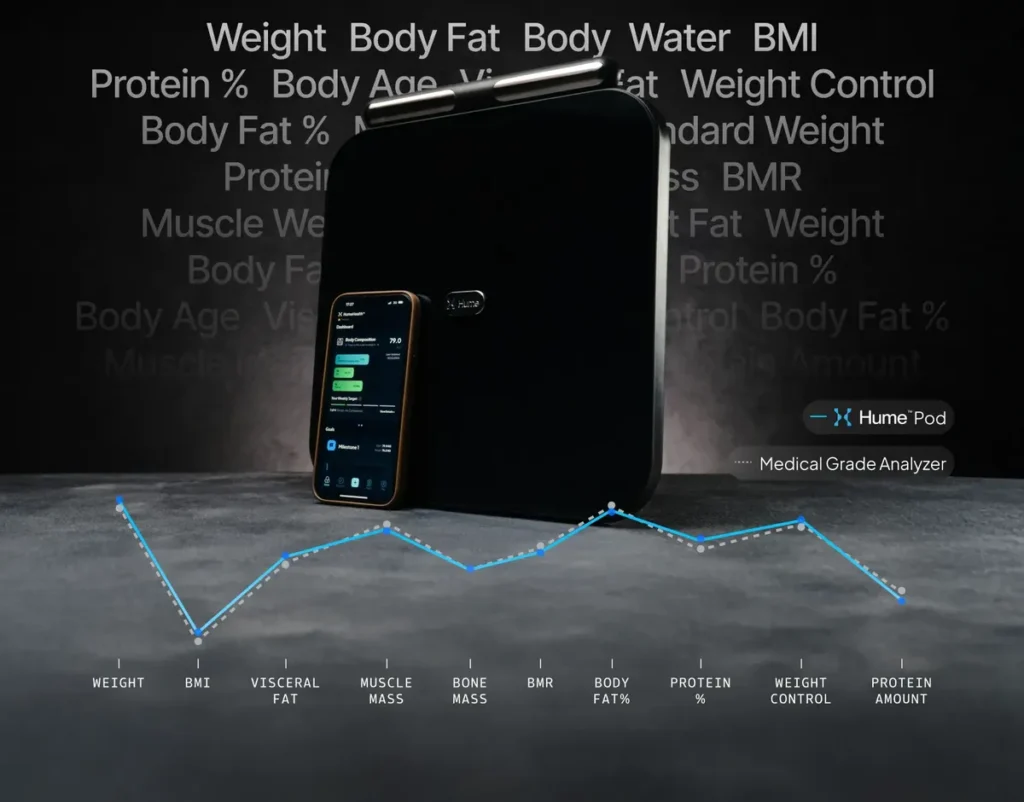
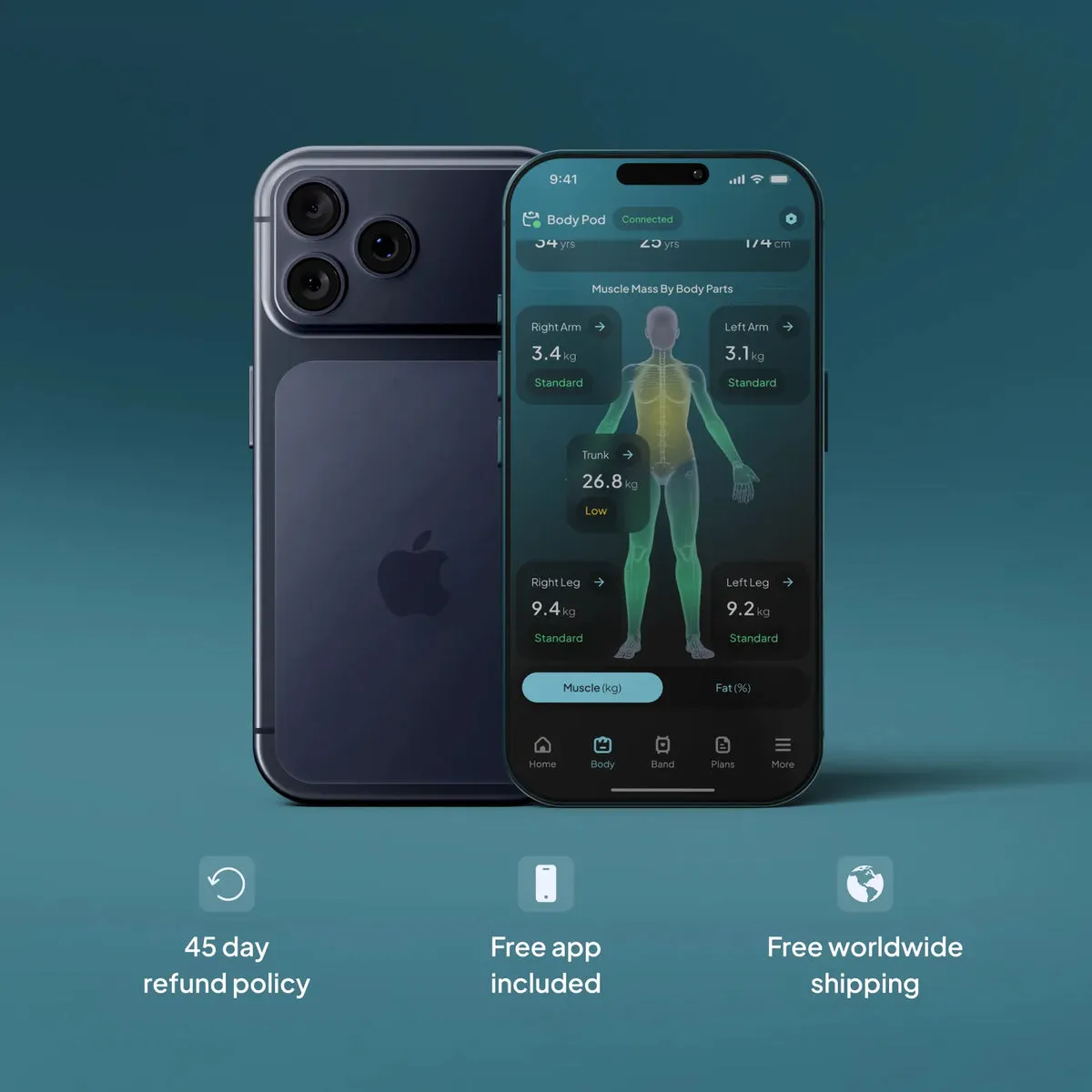
The Hume Pod reports 45 body composition measurements. The Oxiline Scale MD Pro reports 31. Both cover the basics well: weight, BMI, body fat, visceral fat, muscle, bone mass, body age and a breakdown of fat and muscle for each arm, leg and the torso.
The difference is in what Hume adds on top, according to the two official metric lists:
- Water inside and outside your cells. Hume splits total body water into intracellular and extracellular water. When you lose weight, this helps tell real fat loss from water that comes straight back.
- A heart health reading. Hume lists a heart rate sensor built into the scale. Oxiline’s 31 metrics do not include one.
- A left-versus-right flag. The Hume app flags when one arm or leg carries noticeably less muscle than the other. After a knee or shoulder injury, that is a useful thing to watch.
If you are lifting weights to protect muscle, or losing weight and want to be sure it is fat and not muscle, those extras are what make the numbers useful.
Oxiline also sells a newer Scale MD Pro Gen 2 at $199 with 57 metrics. That is a different model. This comparison is about the original MD Pro, the one people search for next to the Hume Pod.
Which Is More Accurate?
Both scales estimate body composition by sending a small current through the body. Neither one measures fat directly, so accuracy comes down to one question: has the brand checked its numbers against a DEXA scan, and does it show you the result?
Hume does. Its product page includes an analysis report comparing the Hume Pod with DEXA in 50 people at Shenzhen University General Hospital, with a correlation of 0.97 for fat mass and 0.99 for muscle mass. It is Hume’s own published report, not a peer-reviewed study, and it is there for you to read.
The Oxiline MD Pro page uses words like “clinical-grade” and “medical-grade precision”, but it does not show a comparison with DEXA or say how close its readings come to one.
For any home scale, the most useful habit is the same: weigh in at the same time of day, barefoot, before eating, and watch the trend over weeks. A 2024 study in Frontiers in Nutrition found multi-frequency impedance highly repeatable from day to day and closely tracking DXA, with a consistent offset. That is exactly why a published DEXA comparison is worth having: it tells you how far off the readings tend to run.
Want the scale that shows its DEXA comparison? The Hume Pod is $229 at the official Hume store, with 45 days to return it if it is not for you.
Battery: Up to a Year vs 2 Months
Oxiline lists the Scale MD Pro battery at 2 months, on a 500 mAh battery you charge with USB-C.
Hume lists the Pod at up to 1 year per charge on its rechargeable battery, with a 30-minute fast charge. In practice, that means you charge the Hume Pod about once a year and the Oxiline about six times. A scale that is out of battery on Monday morning is a weigh-in you skip, and a skipped weigh-in is a gap in your trend.
Returns and Warranty
Returns. Hume gives you 45 days. If the Pod is not right, you contact Hume support, send it back in like-new condition in the original box, and get a full refund. Return shipping is on you unless the scale is defective. Oxiline offers a 30-day money-back guarantee. The extra 15 days let you see a real trend in your own numbers before you decide.
Warranty. This one goes to Oxiline: a lifetime warranty against Hume’s standard 1 year. Hume offers an optional 10-year warranty at checkout ($46 when I checked) for long-term cover.
A note on price: prices change, and both brands run promotions from time to time. The Oxiline price above was a sale price on the day I checked. Check the current price before you order.
What the Oxiline Does Well
To be fair to the Oxiline Scale MD Pro:
- Lower price today. $179 on sale, $50 less than the Hume Pod.
- Lifetime warranty. Longer than Hume’s standard cover.
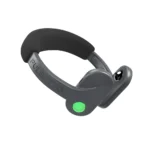
- Display in your hands. The readings show on the handheld unit, so you see them without looking down.
Those are real advantages. They are not the ones that decide whether your muscle and fat numbers are worth acting on. More metrics, a published DEXA comparison and a longer trial do that, and all three are on the Hume Pod’s side.
Which Should You Buy After 40?
The Hume Pod is the right choice if you see yourself here:
- You want more than the basics: cell water, a heart reading and a flag when one side of your body is losing muscle.
- You want a brand that publishes how its scale compares with DEXA.
- You want 45 days to try it at home.
- You would rather charge a scale once a year than every couple of months.
For $50 more than the Oxiline’s sale price, the Hume Pod gives you 14 more metrics, a published DEXA comparison, two extra weeks to decide and a battery that lasts about six times longer. For most readers over 40, that is the better scale. The Hume Pod is the one I recommend.
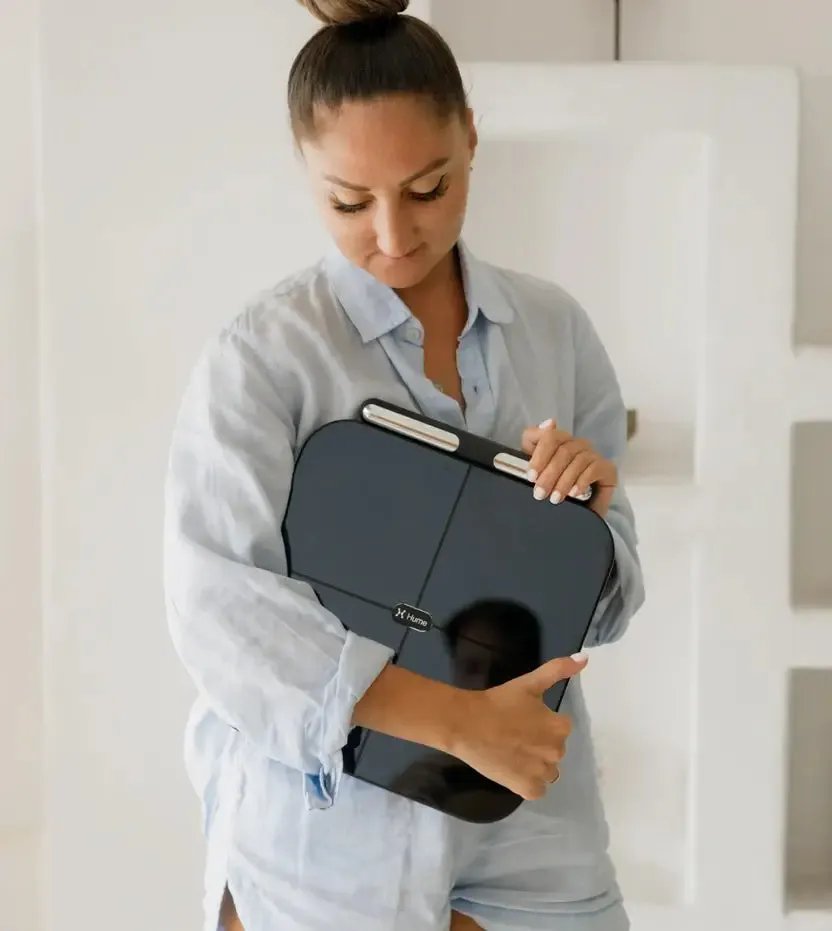
Ready to try the Hume Pod? $229 at the official Hume store, free app, no subscription required, and 45 days to send it back if it is not for you.
Want the full picture first? Read our Hume Pod review or our article on how accurate the Hume Pod is.
Frequently Asked Questions
Is the Hume Pod better than the Oxiline Scale MD Pro?
For most people over 40, yes. The Hume Pod tracks 45 metrics against the MD Pro’s 31, Hume rates its battery at up to a year per charge against Oxiline’s 2 months, it has a 45-day return window instead of 30, and Hume publishes a DEXA comparison on its product page.
How much does the Oxiline Scale MD Pro cost?
The Oxiline product page showed $179 on sale, down from a $349 list price, when I checked in October 2026. The Hume Pod was $229, down from $366, at the official Hume store.
Is the Oxiline Scale MD Pro accurate?
Oxiline describes it as clinical-grade, but its product page does not show a comparison with DEXA. Hume publishes a DEXA comparison for the Hume Pod in 50 people, with a correlation of 0.97 for fat mass and 0.99 for muscle mass.
Does the Hume Pod need a subscription?
No. Hume says the app is free and tracks all 45 body composition metrics over time. Optional coaching costs $9.99 a month, with no commitment.
What is the difference between the Oxiline Scale MD Pro and the MD Pro Gen 2?
The Gen 2 is a newer model. Oxiline lists it at $199 on sale with 57 metrics, a 4-month battery and Wi-Fi. The original MD Pro has 31 metrics, a 2-month battery and Bluetooth only.
Can I use these scales if I have a pacemaker?
Check with your doctor first. Both scales send a small electrical current through the body, and Hume advises anyone with a pacemaker to consult their doctor before using the Pod.
About the Author
Richard Hale writes about mobility, recovery, and evidence-based wellness strategies for adults over 40 at VitalMove40, with a focus on at-home health tracking devices. He is an independent health writer, not a licensed medical professional. Content is educational and not a substitute for advice from a qualified healthcare provider.