Last updated: July 14, 2026 | By Richard Hale
Pickleball is the fastest-growing sport in the United States, and adults over 50 are its largest participant group. Whether it is good or bad for your joints depends on your current condition, how you start, and what you do to protect the structures that take the most load in this sport. For most adults over 40 without severe joint disease, pickleball is a highly beneficial activity, socially, cardiovascularly, and for balance and coordination.
This content is for educational purposes only and is not medical advice. If you have severe knee, hip, or Achilles tendon conditions, consult your healthcare provider or physiotherapist before starting pickleball to assess whether it is appropriate for your specific situation.
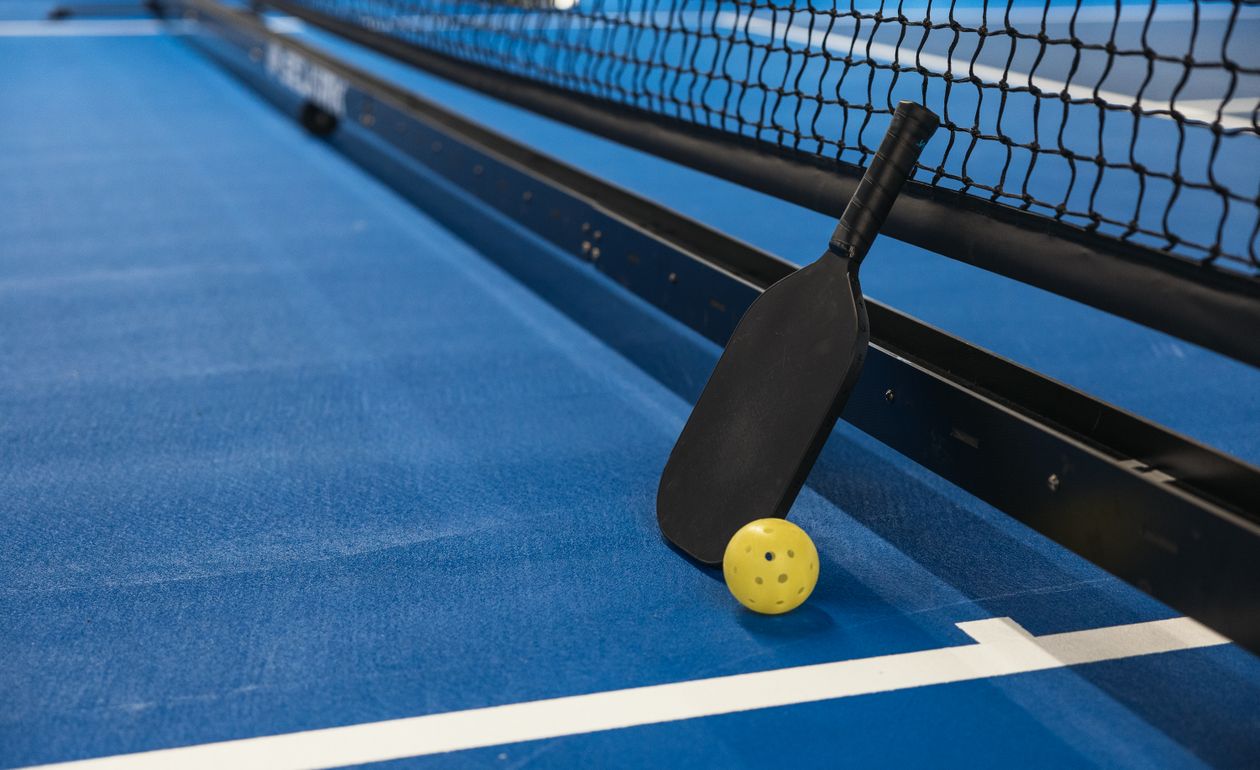
Table of Contents
- What Makes Pickleball Different from Tennis
- Joint Demands: What Gets Loaded
- Health Benefits for Adults Over 40
- Common Pickleball Injuries in Older Adults
- Who Should Be Cautious
- How to Start Safely After 40
- Frequently Asked Questions
What Makes Pickleball Different from Tennis
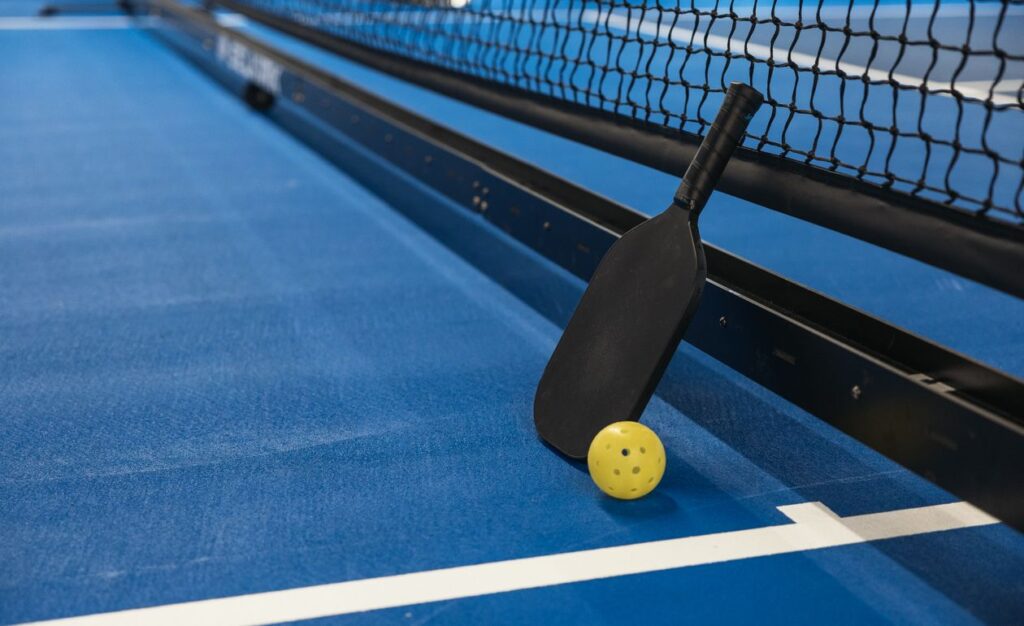
Pickleball is played on a court roughly a quarter the size of a tennis court, using a solid paddle and a perforated polymer ball (similar to a wiffle ball). The serving motion is underhand, reducing shoulder rotator cuff demands compared to the overhead tennis serve. The lighter ball travels slower than a tennis ball, reducing the reaction time demands and the force required per shot.
The smaller court size means less running and lower cardiovascular demand per rally compared to tennis, which is both a positive (more accessible for deconditioned adults) and a consideration (you are still covering ground quickly, just in shorter bursts). The “kitchen” (non-volley zone immediately adjacent to the net) creates a strategic dimension that keeps the game engaging mentally, and the social format of doubles play (the most common format among older adults) provides regular interpersonal interaction.
Joint Demands: What Gets Loaded
Knees: the quick lateral movements, stops, and direction changes of pickleball load the knee joint, particularly the medial (inner) compartment and the patellofemoral joint. The demands are significantly lower than tennis on a full court, but still meaningful. People with moderate knee OA often manage pickleball comfortably when it is introduced gradually; those with severe structural damage may find the repeated quick starts and stops too painful to tolerate.
Achilles tendon and calf: the explosive push-off and sudden stopping in pickleball places significant eccentric load on the Achilles tendon and plantar fascia, the most common injury sites in older pickleball players. Adults over 40 who are deconditioned have reduced Achilles tendon stiffness and slower load adaptation compared to younger players, making them more vulnerable to overuse tendinopathy.
Elbow: despite using an underhand serve, the pickleball backhand motion can produce medial elbow strain, and the forehand drive can contribute to lateral elbow tendinopathy (tennis elbow). Using proper grip (not too tight) and appropriate paddle weight reduces elbow stress significantly.
Shoulder: the rotator cuff is under less demand than in tennis due to the underhand serve, but overhead shots and the repetitive arm motion of extended play still stress the rotator cuff, particularly in adults with existing shoulder impingement or rotator cuff issues.
Health Benefits for Adults Over 40
The research on pickleball’s health effects in older adults has grown significantly in the past decade. A 2018 study in Medicine and Science in Sports and Exercise found that 4.5 weeks of pickleball participation in adults aged 50+ (mean age 63) significantly improved cardiorespiratory fitness, resting blood pressure, and total and LDL cholesterol. A 2020 study found that regular pickleball play was associated with lower depression scores and higher life satisfaction in adults over 50 compared to non-exercising peers.
The social component of doubles play is not a trivial benefit. Social isolation is one of the strongest predictors of accelerated physical and cognitive decline in older adults. Pickleball’s inherently social format (typically played in groups, in community settings) provides both exercise and meaningful social connection simultaneously, a combination that few other activities deliver as consistently.
Balance and coordination demands of pickleball, tracking a moving ball, rapid position adjustments, hand-eye coordination, also provide cognitive and proprioceptive stimulation that straightforward walking or gym exercise does not. These are genuine contributions to fall prevention and cognitive function maintenance.
Common Pickleball Injuries in Older Adults
Achilles tendinopathy and rupture: the most serious injury risk in adults over 40 who begin pickleball after a period of inactivity. The Achilles tendon weakens with age and deconditioning. A sudden eccentric load (pushing off forcefully) can cause partial or complete Achilles rupture, a sound like a gunshot, sudden inability to push off, and a palpable gap in the tendon. This is a medical emergency requiring surgical consultation. To prevent: calf strengthening before starting pickleball, gradual introduction of play duration, and avoidance of explosive play before adequately conditioning the calf complex.
Lateral knee pain (IT band, lateral compartment OA): the repetitive lateral movement and pivoting in pickleball stresses the lateral knee structures. Hip abductor weakness contributes to lateral knee pain in pickleball, strengthening the glutes and hip abductors reduces this risk.
Elbow tendinopathy: “pickleball elbow” has become its own clinical entity. Medial elbow pain from backhand mechanics and lateral elbow pain from forehand grip are both reported. Technique correction (not gripping the paddle too tightly, adjusting swing mechanics) and progressive load management reduce this risk significantly.
Falls: the quick direction changes and court surfaces in pickleball create real fall risk, particularly on outdoor courts with surface variations. Balance training before starting pickleball, appropriate footwear (court shoes rather than running shoes, the lateral support matters), and awareness of court conditions reduces fall risk.
Who Should Be Cautious
Pickleball is appropriate for most adults over 40, including those with mild-to-moderate joint pain, with appropriate precautions. The following groups should get clearance from a healthcare provider or physiotherapist before starting:
- Severe knee or hip OA (bone-on-bone, significant structural damage, recent joint flare)
- Recent hip or knee replacement (timing and clearance from surgeon required)
- Severe Achilles tendinopathy or history of tendon rupture
- Significant balance impairment (fall risk on a court surface is real)
- Uncontrolled cardiac conditions (the intermittent high-intensity burst pattern of pickleball raises heart rate significantly)
How to Start Safely After 40
Footwear first: court shoes with lateral support are mandatory, not running shoes, which are designed for forward motion and provide minimal lateral ankle support. This is the highest-value injury prevention step and is frequently ignored by beginners.
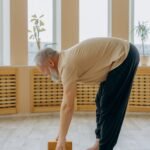
Warm up before playing: 5-10 minutes of walking, leg swings, hip circles, and calf raises prepares the Achilles and calf for the demands of play. Cold, stiff tendons tear more easily than warmed ones.
Ease in gradually: start with 20-30 minute sessions, 2-3 times per week, focusing on dinking (short, controlled shots near the net) before moving to full-court play and harder drives. The dinking game is slower, more controlled, and significantly lower load on the joints than baseline exchanges.
Calf strengthening beforehand: if you have been sedentary, 4-6 weeks of progressive calf raises (building to single-leg eccentric lowers) before starting regular pickleball significantly reduces Achilles injury risk. This preparation investment is particularly worthwhile for adults over 50.
Frequently Asked Questions
Is pickleball easier on joints than tennis?
Yes, for several reasons. The smaller court reduces running demands. The underhand serve eliminates the overhead rotator cuff loading of the tennis serve. The lighter, slower ball reduces reaction time pressure. The typical doubles format is less physically demanding than singles. Adults with mild-to-moderate joint conditions who could not manage regular tennis often manage pickleball comfortably with appropriate introduction. The joint demands are real but are meaningfully lower than tennis at equivalent play frequency.
What should I wear to play pickleball?
Dedicated court shoes, specifically designed for lateral movement with lateral ankle support, are the most important equipment choice for joint and injury safety. Running shoes lack lateral support and increase ankle sprain risk significantly. Beyond shoes, comfortable athletic clothing and sun protection for outdoor courts are the main considerations. Knee compression sleeves are optional but can reduce discomfort for players with existing knee OA during play.
Is pickleball easier on the joints than tennis?
Yes, for most adults over 40. The smaller court means less running distance per point, and the underhand serve reduces shoulder stress compared to the overhead tennis serve. Lightweight paddles require less grip and wrist force. Lower ball speeds reduce impact forces. The game’s social and competitive structure is similar to tennis, making it an attractive alternative for adults who find tennis too demanding on knees or shoulders. The most common pickleball injuries remain ankle sprains, knee pain, and shoulder issues, lateral movement and sudden direction changes are lower-impact than tennis but not zero-impact, so appropriate footwear and warm-up remain important.
How do I start playing pickleball safely at 40 or older?
Start with lessons to establish correct mechanics, particularly the kitchen shots that require controlled deceleration, which is harder on joints than acceleration. Wear court shoes with lateral support rather than running shoes. Begin with 30 to 45 minute sessions to assess how your knees, hips, and shoulders respond before increasing duration. Play doubles initially rather than singles to reduce court coverage demand. Allow 48 hours between sessions initially while assessing recovery, particularly for adults returning to court sports after a break.
What are the most common pickleball injuries in adults over 40?
The most common pickleball injuries in adults over 40 are elbow tendinopathy from repetitive dinking shots, ankle sprains from lateral direction changes, knee pain from deceleration demands of net play, and shoulder rotator cuff strain from overhead smash shots. Lower back pain from the forward-bent kitchen stance is also common in adults with existing lumbar issues. Most are overuse injuries from rapidly increasing playing frequency rather than acute traumatic injuries. Gradual increase in playing time, consistent warm-up, and appropriate footwear prevent the majority of common pickleball injuries.
About the author: Richard Hale is an independent health writer focused on mobility, joint health, and active aging research. He is not a licensed medical professional. All content on VitalMove40 is for educational purposes only and is not a substitute for advice from a qualified healthcare provider.