
Last updated: September 22, 2026 | By Richard Hale
Visceral fat is fat stored deep in the abdomen, wrapped around the internal organs, and it is the most metabolically harmful place on the body to carry fat. After 40 it tends to increase even when your weight stays the same. You cannot target it directly, but it responds well, often before subcutaneous fat does, to a mix of aerobic exercise, an overall calorie deficit, and better sleep.
This guide explains what visceral fat is, why it matters more than total body fat, why it climbs after 40, how to measure it, and what actually reduces it.
What Visceral Fat Is (and How It Differs From Subcutaneous Fat)
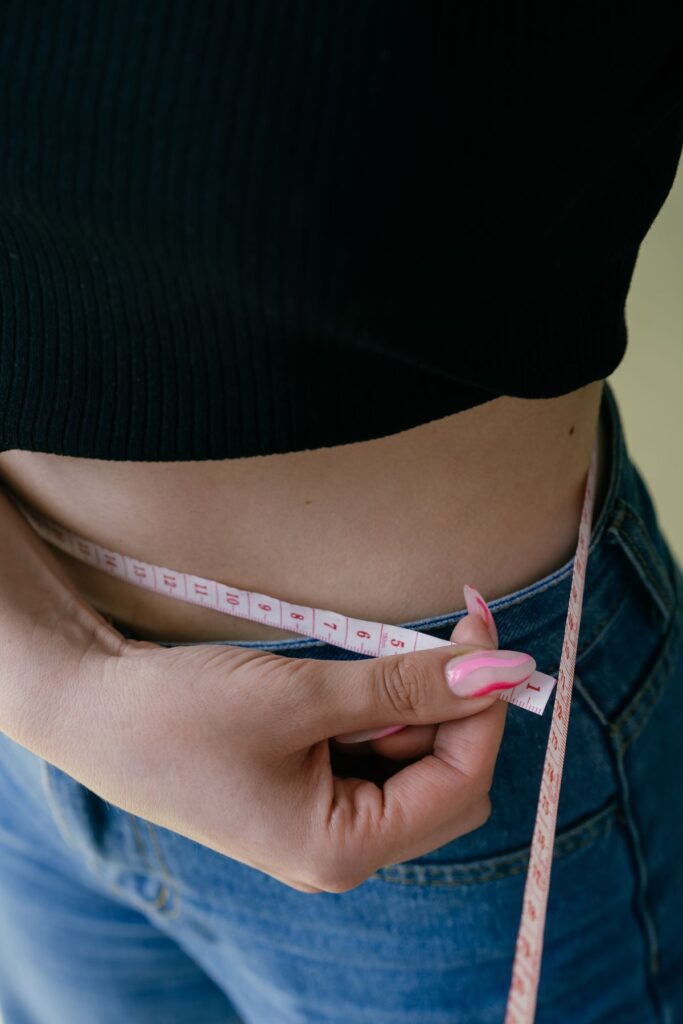
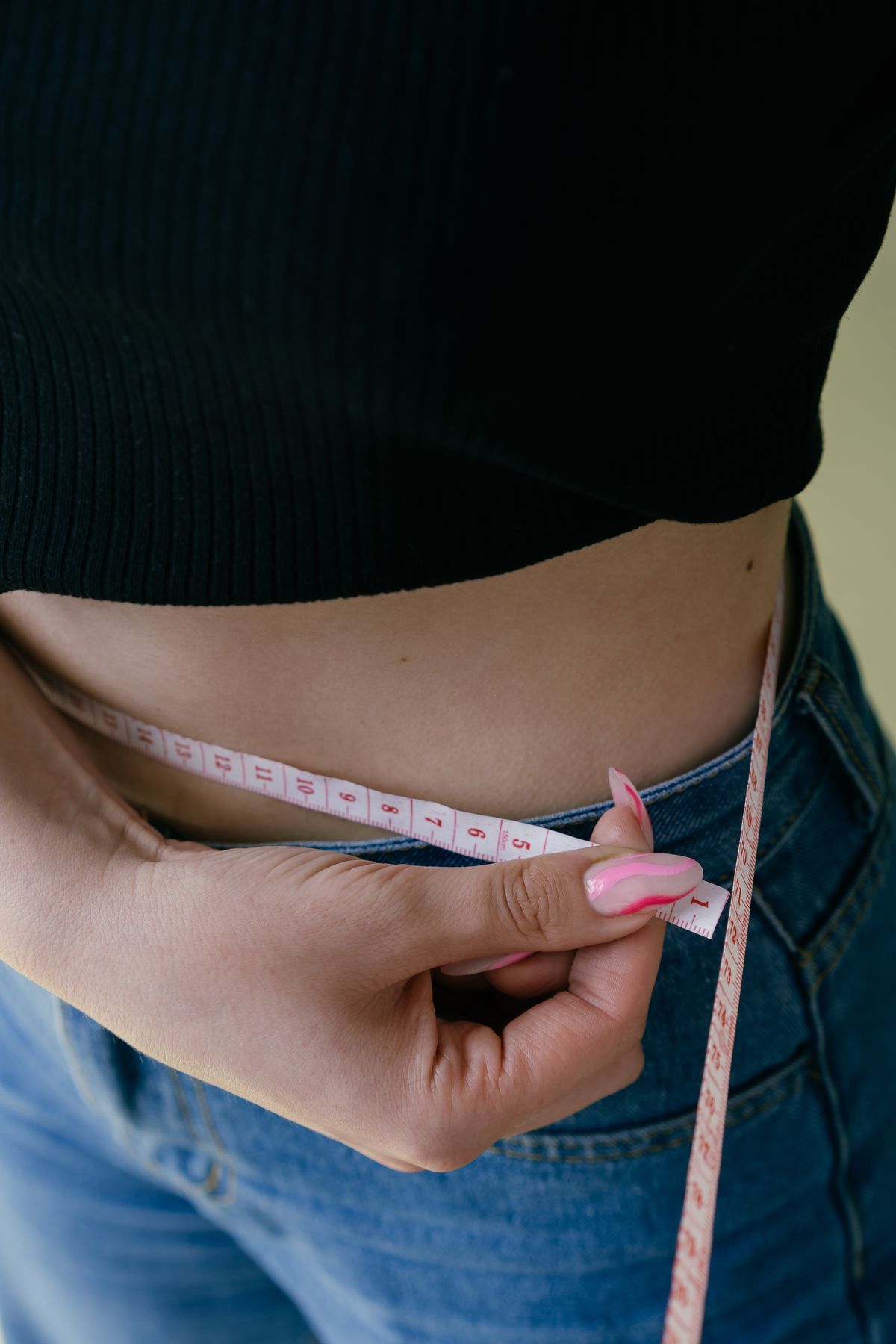
The body stores fat in two main places. Subcutaneous fat sits just under the skin, the fat you can pinch on your arms, hips, and thighs. Visceral fat sits deeper, in the abdominal cavity, packed around the liver, intestines, and other organs. A firm, protruding belly that does not pinch much is often a sign of visceral rather than subcutaneous fat.
Because the two are stored differently, you can have a normal weight and BMI and still carry too much visceral fat. This pattern, sometimes called being “thin on the outside, fat on the inside,” is one reason BMI alone is a poor guide to health after 40. For the bigger picture on measuring composition, see our guide to body composition after 40.
Why Visceral Fat Matters More Than Total Body Fat
Visceral fat is not inert storage. It is metabolically active tissue that releases inflammatory signalling molecules and a steady stream of free fatty acids directly into the liver via the portal vein. Over time this contributes to insulin resistance, higher blood pressure, unfavourable cholesterol, and low-grade chronic inflammation.
As a result, visceral fat is a stronger predictor of cardiovascular disease and type 2 diabetes risk than total body fat or BMI. Two people can have the same body fat percentage, and the one carrying more of it viscerally has the higher metabolic risk. This is why waist measurement often tells you more than the number on a body fat scale.
Why Visceral Fat Increases After 40
Several age-related changes push fat storage toward the abdomen:
- Hormonal shifts. In women, falling estrogen through perimenopause and menopause moves fat storage from the hips and thighs toward the abdomen. In men, a gradual decline in testosterone has a similar effect over a longer timescale.
- Muscle loss. Age-related loss of muscle lowers resting metabolic rate, so the same eating pattern that maintained weight at 35 slowly adds fat at 50, and a disproportionate share goes visceral.
- Chronic stress. Sustained high cortisol favours abdominal fat storage.
- Less activity. Busier work and family years often mean less movement, and sedentary time is independently linked to visceral fat.
How to Measure Visceral Fat
You cannot see visceral fat directly without a scan, but there are useful proxies:
| Method | What it tells you | Elevated risk |
|---|---|---|
| Waist circumference | Simple proxy for abdominal fat | Men: 40 in / 102 cm or more. Women: 35 in / 88 cm or more |
| Waist-to-height ratio | Adjusts waist for body size | 0.5 or higher |
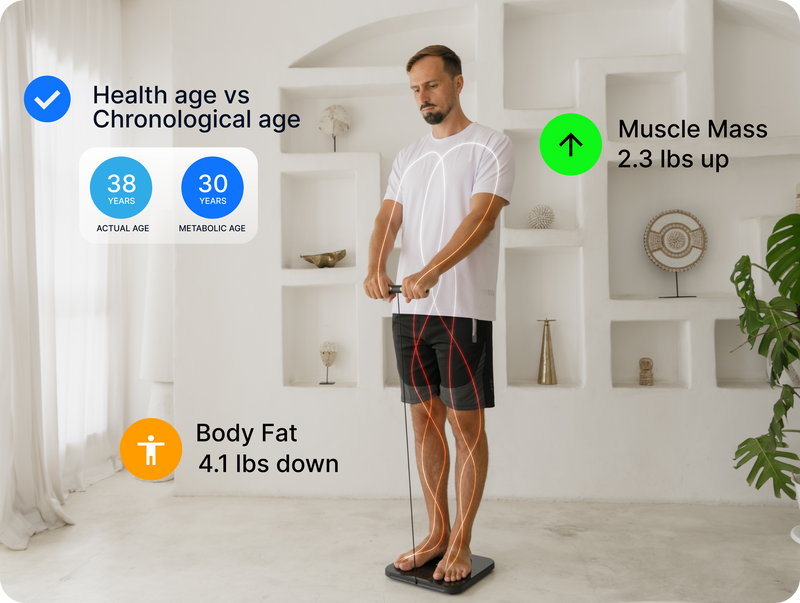
| Smart scale visceral fat rating | A rough index, useful as a trend | Varies by brand; watch the direction over time |
| DEXA, MRI, or CT scan | Accurate measurement | Clinical thresholds, interpreted by a provider |
For most people, a monthly waist measurement and a waist-to-height ratio under 0.5 are enough to track. Measure at the navel, in the morning, relaxed, without holding your breath. A home scale’s visceral fat rating is a very rough estimate, but a falling trend on it, alongside a shrinking waist, is a good sign.
How to Reduce Visceral Fat

You cannot spot-reduce it, but it responds to the following, roughly in order of impact:
- An overall calorie deficit. Visceral fat shrinks as total body fat comes down. A moderate deficit through diet, mostly by cutting refined carbohydrates, added sugar, and alcohol, is the foundation.
- Aerobic exercise. A 2016 meta-analysis of 117 studies in Obesity Reviews found both exercise and calorie restriction reduce visceral fat, and exercise trended toward a larger visceral-fat reduction despite producing less total weight loss. Brisk walking, cycling, and swimming all work. Aim for 150 to 300 minutes of moderate activity a week.
- Resistance training. Its direct effect on visceral fat is modest, but it preserves the muscle that keeps your metabolic rate up, which matters for the long term.
- Sleep. Short and poor-quality sleep are linked to visceral fat gain. Consistent 7-plus hours supports the effort.
- Stress management. Lowering chronic stress reduces the cortisol that drives abdominal storage.
The encouraging part: visceral fat often responds within a few weeks to a few months, faster than the subcutaneous fat on the hips and thighs. A shrinking waist is usually the first visible sign that the approach is working. For how fat loss also eases joint load, see how weight loss affects joint pain.
What Does Not Work
- “Belly fat burner” supplements. No supplement selectively removes visceral fat.
- Waist trainers and sweat belts. They change your shape briefly and remove water, not fat.
- Endless crunches and sit-ups. They build the muscle under the fat without removing the fat on top. Core work is worth doing for other reasons, not for spot fat loss.
- Very aggressive crash diets. They cost you muscle along with fat, which lowers metabolic rate and makes the fat easier to regain.
Visceral fat is one part of the body composition picture. See our guide to a healthy body fat percentage after 40, 50, 60 for the ranges, and our Hume Body Pod review for one home device that reports a visceral fat trend alongside muscle and fat.
Frequently Asked Questions
What is a dangerous visceral fat level?
There is no single home number, but elevated risk is generally flagged at a waist circumference of 40 inches (102 cm) or more for men and 35 inches (88 cm) or more for women, or a waist-to-height ratio of 0.5 or higher. Smart scales give a visceral fat rating on their own scale; a high or rising figure there, alongside a large waist, is worth acting on. A clinical scan interpreted by a provider is the accurate measure.
How do I know if I have too much visceral fat?
The simplest checks are your waist measurement and your waist-to-height ratio. A firm belly that does not pinch much, a waist over the thresholds above, or a waist that is more than half your height all point to excess visceral fat, even if your overall weight looks normal.
What exercise reduces visceral fat fastest?
Regular aerobic exercise has the strongest evidence, with meta-analysis data showing it reduces visceral fat effectively even when total weight loss is modest. Brisk walking, cycling, jogging, and swimming all count. Combining aerobic training with resistance work and a moderate calorie deficit is more effective than any one of them alone.
Why do I have belly fat after 40 even though I am not overweight?
After 40, hormonal changes (falling estrogen in women, declining testosterone in men), muscle loss that lowers metabolic rate, higher chronic stress, and reduced activity all shift fat storage toward the abdomen. This can raise visceral fat and waist size while overall weight and BMI stay in the normal range.
How long does it take to lose visceral fat?
Visceral fat tends to respond faster than subcutaneous fat, often showing measurable change within a few weeks to a few months of consistent aerobic exercise and a moderate calorie deficit. A shrinking waist measurement is usually the first sign the approach is working.
About the Author
Richard Hale writes about mobility, recovery, and evidence-based wellness strategies for adults over 40 at VitalMove40. He is an independent health writer, not a licensed medical professional. Content is educational and not a substitute for advice from a qualified healthcare provider.