Last updated: September 9, 2026 | By Richard Hale
Muscle loss with age is not something that suddenly shows up at 65. It starts quietly in your 30s and picks up noticeable speed after 40, long before most people think to do anything about it. The good news is that this process, known as sarcopenia, responds well to the right habits at almost any age. This guide explains why muscle loss accelerates after 40, the early signs worth paying attention to, and the specific, evidence-backed steps that slow it down and help you stay strong, capable, and independent for the decades ahead.
This content is for educational purposes only and is not medical advice. If you notice a sudden or significant change in strength, balance, or mobility, talk to a healthcare provider, since these can also signal other conditions that deserve individual evaluation.
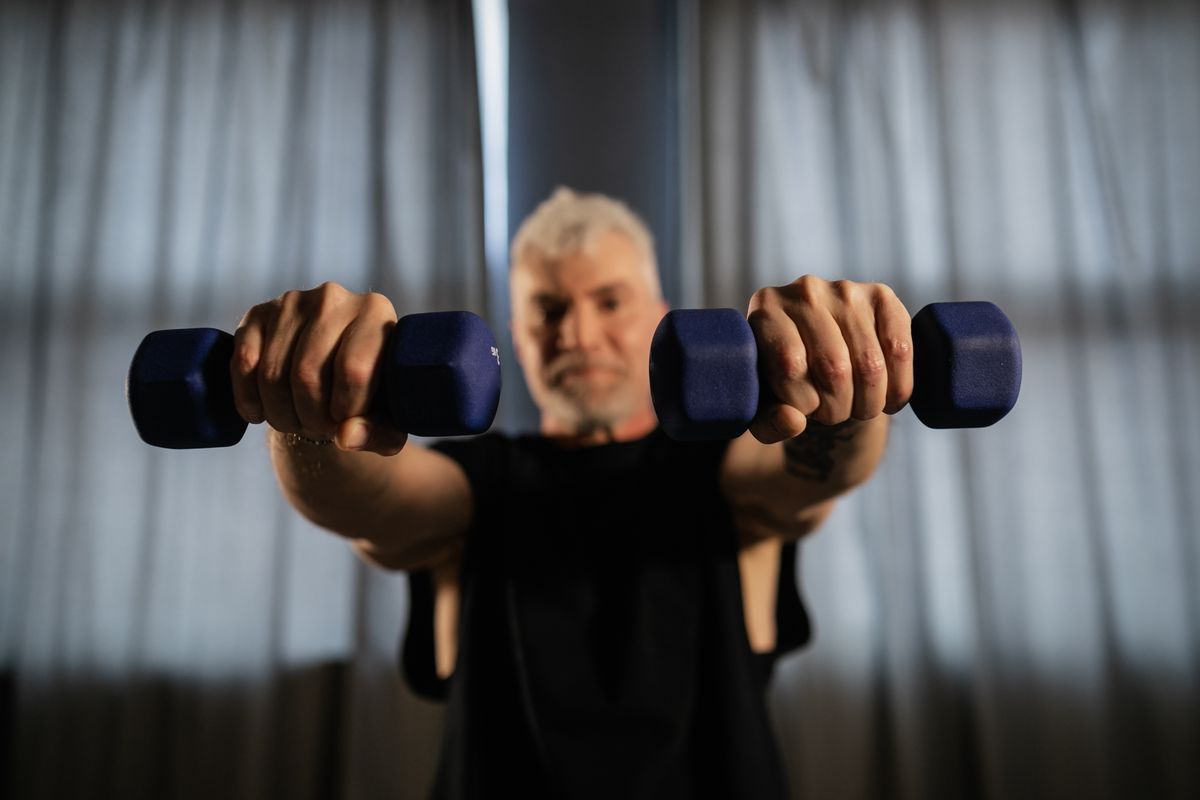
Table of Contents
- What Is Sarcopenia and Why Does It Speed Up After 40
- Early Warning Signs of Muscle Loss (Not Just Feeling Weaker)
- Why Resistance Training Is the Most Important Factor
- The Role of Protein and Nutrition
- Why Sleep and Recovery Matter as Much as the Workout
- The Muscle-Joint Connection
- When to Seek Professional Guidance
- Frequently Asked Questions
What Is Sarcopenia and Why Does It Speed Up After 40
Sarcopenia is the age-related, progressive loss of muscle mass, strength, and function. It is a normal part of aging, not a disease you either have or do not have, and it exists on a spectrum that starts subtly and becomes more disruptive if nothing is done to slow it (Cleveland Clinic).
The timeline is what surprises most people. Muscle loss typically begins sometime in your 30s, at a rate of roughly 3 to 5 percent per decade if you are not doing anything to actively counter it. After 40, that rate accelerates, with research estimating losses closer to 8 percent per decade through your 40s, 50s, and 60s, then increasing further after 70 (Harvard Health). Strength tends to decline even faster than muscle size, since aging also changes how efficiently nerves recruit muscle fibers.
Several things drive this acceleration in your 40s. Hormonal shifts, a natural decline in the nerve signals that activate muscle fibers, lower activity levels as work and family life get busier, and a tendency to eat less protein than the body now needs all compound each other. None of this is fixed. It is also not a reason to panic. It is a reason to start paying attention now, while the interventions that work best (staying strong, staying active) are easiest to put in place.
Early Warning Signs of Muscle Loss (Not Just Feeling Weaker)
The earliest signs of sarcopenia are rarely “I feel weak.” They show up as specific, measurable changes in everyday function, often years before muscle loss becomes visually obvious. Three of the most useful indicators, the same ones used in clinical screening, are grip strength, walking speed, and how easily you can stand up from a chair without using your arms.
- Grip strength. A weaker handshake or more difficulty opening jars and twisting lids is one of the earliest, most researched markers of overall muscle strength, since grip strength correlates closely with strength throughout the rest of the body. Our article on grip strength and aging covers what it predicts and simple ways to test and improve it at home.
- Walking speed. A gradually slower natural walking pace, or feeling like you have to make more effort to keep up with people you used to walk alongside easily, is a recognized functional sign of declining leg muscle and strength.
- Getting up from a chair or the floor. Needing to push off with your hands or arms to stand up from a low chair or the floor, when you did not need to before, reflects declining strength in the large muscles of the legs and hips.
Other early, easy-to-miss signs include clothes fitting differently around the arms and legs even without much weight change, more noticeable fatigue after everyday tasks like carrying groceries or climbing a flight of stairs, and a general sense that balance feels slightly less steady than it used to. None of these on their own is alarming. Together, or if they are progressing, they are worth taking seriously and worth building a response around, which is exactly what the rest of this guide covers.

Why Resistance Training Is the Most Important Factor
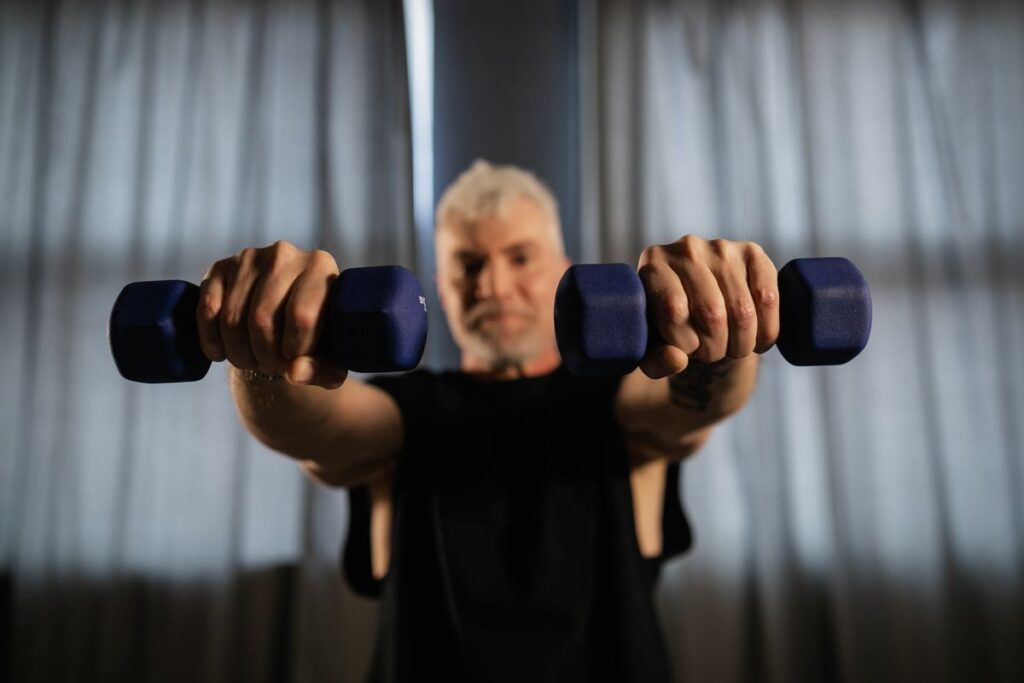
Resistance training is the single most effective way to slow, and often partially reverse, age-related muscle loss. No supplement, diet change, or amount of walking produces the same direct stimulus for building and preserving muscle that lifting, pushing, or pulling against resistance does.
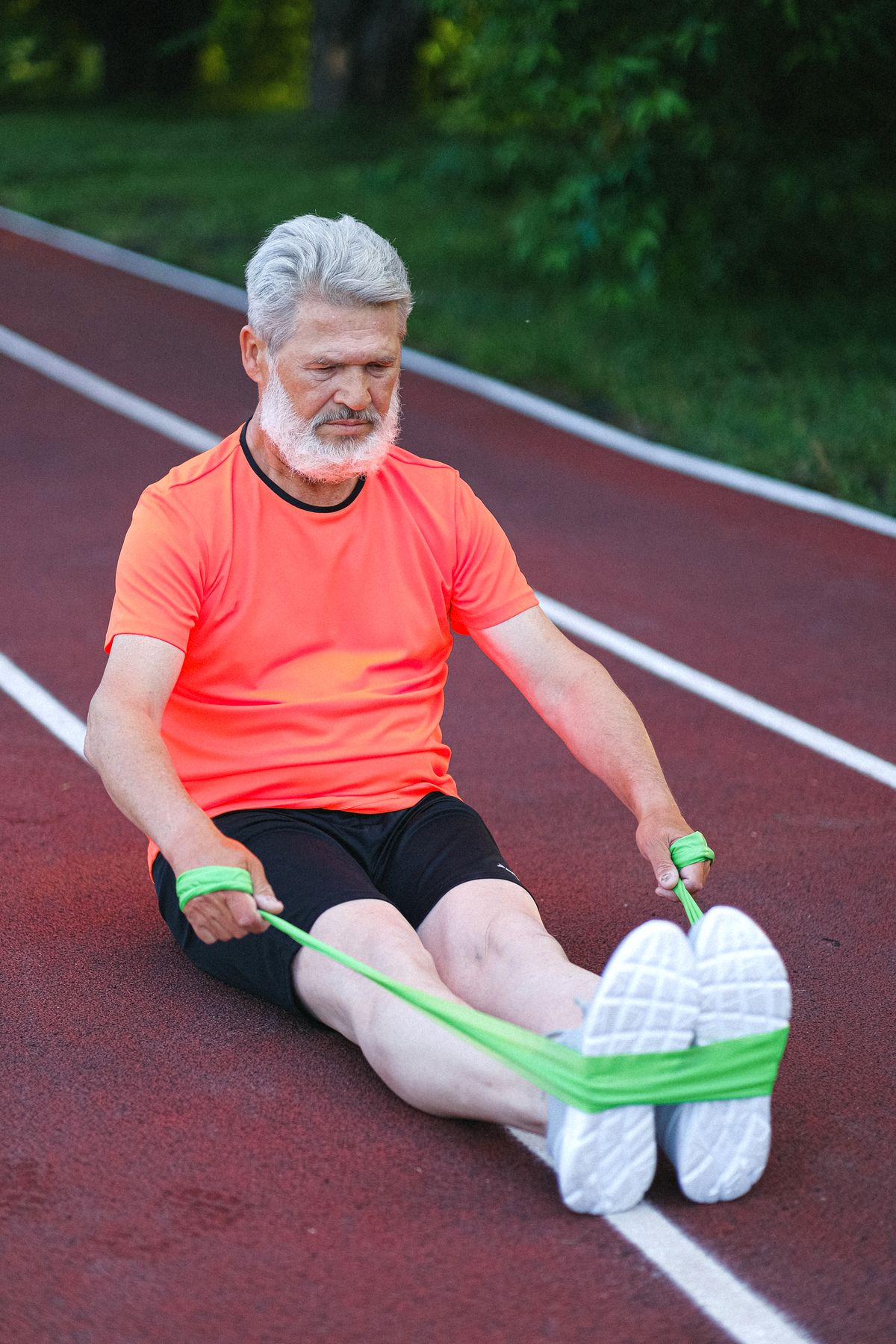
Current exercise guidelines recommend training all major muscle groups at least two to three times a week, with non-consecutive days so muscles have time to recover between sessions. This does not require a gym membership or heavy equipment. Bodyweight exercises like squats and push-ups, resistance bands, and dumbbells all provide an effective stimulus, and the biggest driver of results is not the specific tool, it is showing up consistently and gradually increasing the challenge over time, whether through more weight, more repetitions, or a harder variation of the same movement.
That last part, called progressive overload, is what separates maintenance from actual improvement. Doing the same 10 bodyweight squats every week for a year will help you hold onto what you have. Adding a few repetitions, a resistance band, or a light dumbbell every few weeks is what continues to build strength as your body adapts. If you are setting up space to train consistently at home, our guide to a joint-friendly home gym after 40 walks through equipment that supports this kind of progressive training without unnecessary strain on the joints.
The Role of Protein and Nutrition
Muscle needs raw material to rebuild itself, and after 40 the body becomes somewhat less efficient at using dietary protein for that purpose, a phenomenon researchers call anabolic resistance. This is the main reason recommended protein intake for adults focused on preserving muscle is higher than the general baseline.
Research groups studying protein needs in older adults generally recommend an intake of roughly 1.2 to 1.6 grams of protein per kilogram of body weight per day for people actively working to preserve or build muscle, well above the standard baseline recommendation for younger, less active adults (PROT-AGE Study Group). How that protein is spread across the day matters too. Getting a meaningful dose of protein at each meal, rather than saving most of it for dinner, appears to be more effective for muscle protein synthesis than eating the same daily total in one or two large servings.
Practical sources include eggs, poultry, fish, dairy, legumes, and tofu, spread across breakfast, lunch, and dinner rather than concentrated at one meal. For a full breakdown of how much protein to aim for and how to distribute it, see our guide to protein intake after 40 for muscle and joint health. Some adults also look into targeted supplements alongside a solid protein intake and consistent resistance training; our article on creatine after 40 covers what the research actually shows for that specific supplement, including who should be cautious with it.
Why Sleep and Recovery Matter as Much as the Workout
Muscle is not built during a workout. It is built afterward, during rest, when the body repairs the small amount of muscle fiber damage that resistance training creates. Skimping on recovery undercuts the training itself, no matter how consistent or well-structured the workouts are.
Sleep is when a large share of that repair work happens, along with the hormonal processes that support muscle maintenance. Consistently short or poor-quality sleep has been linked to reduced muscle protein synthesis and can make training feel harder for the same amount of effort. If you want objective feedback on whether recovery is keeping pace with training, a screenless sleep and HRV tracker like the one in our Hume Band 2.0 review is one low-effort way to watch the trend. Beyond sleep, actual rest days between resistance training sessions give muscles time to rebuild stronger rather than simply accumulating fatigue. Training the same muscle groups hard every single day, without recovery days, tends to slow progress rather than speed it up.
Sleep position can also affect how well you actually rest, particularly if joint discomfort is part of the picture. Our guide to the best sleep positions for joint and back pain covers practical adjustments that can make a real difference in sleep quality, which in turn supports the muscle recovery this section is about.
The Muscle-Joint Connection
Muscle and joint health are closely linked, and stronger muscles do more than just make you feel more capable. The muscles surrounding a joint, particularly around the knees, hips, and spine, absorb a meaningful share of the load that joint would otherwise bear directly. Well-conditioned quadriceps, for example, reduce the stress placed on the knee joint with every step, stair, or squat.
This is why resistance training aimed at preserving muscle after 40 tends to pay off twice: it slows sarcopenia directly, and it reduces the wear placed on joints that are already dealing with decades of use. For a broader look at how muscle, movement, and joint health fit together, our complete guide to joint health after 40 covers this connection in more depth, and our article on body composition after 40 explains why muscle mass, not just the number on the scale, is the more useful thing to track over time. A home body composition scale, like the one in our Hume Body Pod review, is one practical way to follow that muscle mass trend month to month rather than guessing.
When to Seek Professional Guidance
Most muscle loss after 40 is gradual and responds well to the strategies covered in this guide. A few situations call for a conversation with a healthcare provider or physical therapist rather than a self-directed approach. These include noticeable, unintentional weight loss, a fall or a near-fall that feels new or out of character, a sudden or significant drop in strength or walking speed over a short period, or persistent difficulty with everyday tasks like climbing stairs or rising from a chair despite consistent effort to address it.
A healthcare provider can also help rule out other contributing factors, since thyroid conditions, certain medications, and other underlying issues can sometimes accelerate muscle loss beyond what typical aging alone would explain. If falls or balance are a specific concern, our guide to fall prevention at home after 60 covers practical, evidence-based steps worth discussing alongside your provider’s guidance.
Frequently Asked Questions
At what age does sarcopenia usually start?
Muscle loss typically begins sometime in your 30s, at a relatively slow rate of around 3 to 5 percent per decade. It accelerates after 40, with research estimating closer to 8 percent per decade from that point through your 60s, and further after 70. Early attention in your 40s is one of the most effective windows to slow this process down.
Can muscle loss from sarcopenia be reversed?
In many cases, yes, at least partially. Muscle tissue responds to resistance training at nearly any age, and studies consistently show that older adults who begin structured strength training can rebuild meaningful muscle mass and strength, even if some sarcopenia has already set in. The earlier it is addressed, the more responsive the muscle tends to be.
How many days a week should I strength train to prevent sarcopenia?
Two to three sessions a week covering all major muscle groups, on non-consecutive days, is the generally recommended starting point. Consistency and gradually increasing the challenge over time matter more than training more frequently than that.
How much protein do I actually need after 40?
Research groups studying muscle preservation in older adults generally recommend roughly 1.2 to 1.6 grams of protein per kilogram of body weight per day, spread across meals rather than concentrated in one sitting, for people actively working to preserve muscle mass.
What are the first signs of sarcopenia to watch for?
The earliest, most reliable signs are a weaker grip, a gradually slower walking pace, and needing to push off with your hands to stand up from a chair or the floor. These functional changes typically show up before muscle loss becomes visually obvious.
Does walking count as enough exercise to prevent muscle loss?
Walking is valuable for cardiovascular health and general activity, but it does not provide enough resistance to be the primary tool against sarcopenia. Preserving muscle specifically requires resistance training, such as bodyweight exercises, resistance bands, or weights, in addition to whatever walking or cardio you already do.
Is muscle loss after 40 the same thing as just getting weaker from being busier?
They overlap but are not identical. Reduced activity from a busier lifestyle absolutely contributes to muscle loss, but sarcopenia also involves underlying biological changes, including hormonal shifts and reduced efficiency in how the body uses dietary protein, that would still cause some muscle decline even in someone who stayed reasonably active. That is part of why the response involves both training and nutrition, not just “moving more.”
Should I see a doctor about muscle loss, or is it always just normal aging?
Gradual muscle loss over years is a normal part of aging and generally does not require a doctor’s visit on its own. A sudden or significant change in strength, an unexplained fall, or noticeable unintentional weight loss are different, and those are worth discussing with a healthcare provider, since they can also point to other conditions that deserve individual evaluation.
Where to Go From Here
Sarcopenia is not a switch that flips at some future birthday. It is a gradual process that starts well before most people notice it, and it responds to the same handful of habits at nearly any stage: consistent resistance training, enough protein spread across the day, and genuine recovery between sessions. Starting in your 40s, rather than waiting until strength or mobility becomes a daily obstacle, is what makes the biggest difference over the following decades.
For the next steps, our guide to staying active after 40 covers how to build sustainable movement habits around this foundation, and our joint-friendly home gym guide is a practical starting point if you are setting up space to train consistently. If protein intake feels like the harder piece to nail down, our protein after 40 guide breaks it down meal by meal.
As always, this article is educational, not a personal recommendation. Anyone noticing a sudden change in strength, balance, or mobility should check in with a healthcare provider rather than relying on general guidance alone.
About the author: Richard Hale is an independent health writer focused on mobility, joint health, and active aging research. He is not a licensed medical professional. All content on VitalMove40 is for educational purposes only and is not a substitute for advice from a qualified healthcare provider.