Last updated: September 10, 2026 | By Richard Hale
Topical joint creams occupy a specific and often underused niche in joint pain management. Unlike oral supplements that work systemically, absorbing through the GI tract and reaching joints through the bloodstream, topical formulas are applied directly to the skin over the affected area and penetrate locally. For some adults, this makes topicals a genuinely useful complement to an oral supplement regimen. For others, they are the primary intervention. The key is understanding how they work and when they are most likely to help.
This guide covers the science of topical joint pain relief, the ingredients with the strongest evidence, how to apply them effectively, and what to look for when evaluating a specific product.
This content is for educational purposes only and is not medical advice. Consult a physician before starting any topical treatment, particularly if you have sensitive skin or are managing a diagnosed joint condition.
Table of Contents
- How Topical Joint Creams Work
- Key Active Ingredients and What the Evidence Shows
- Topical vs. Oral: Which Reaches the Joint?
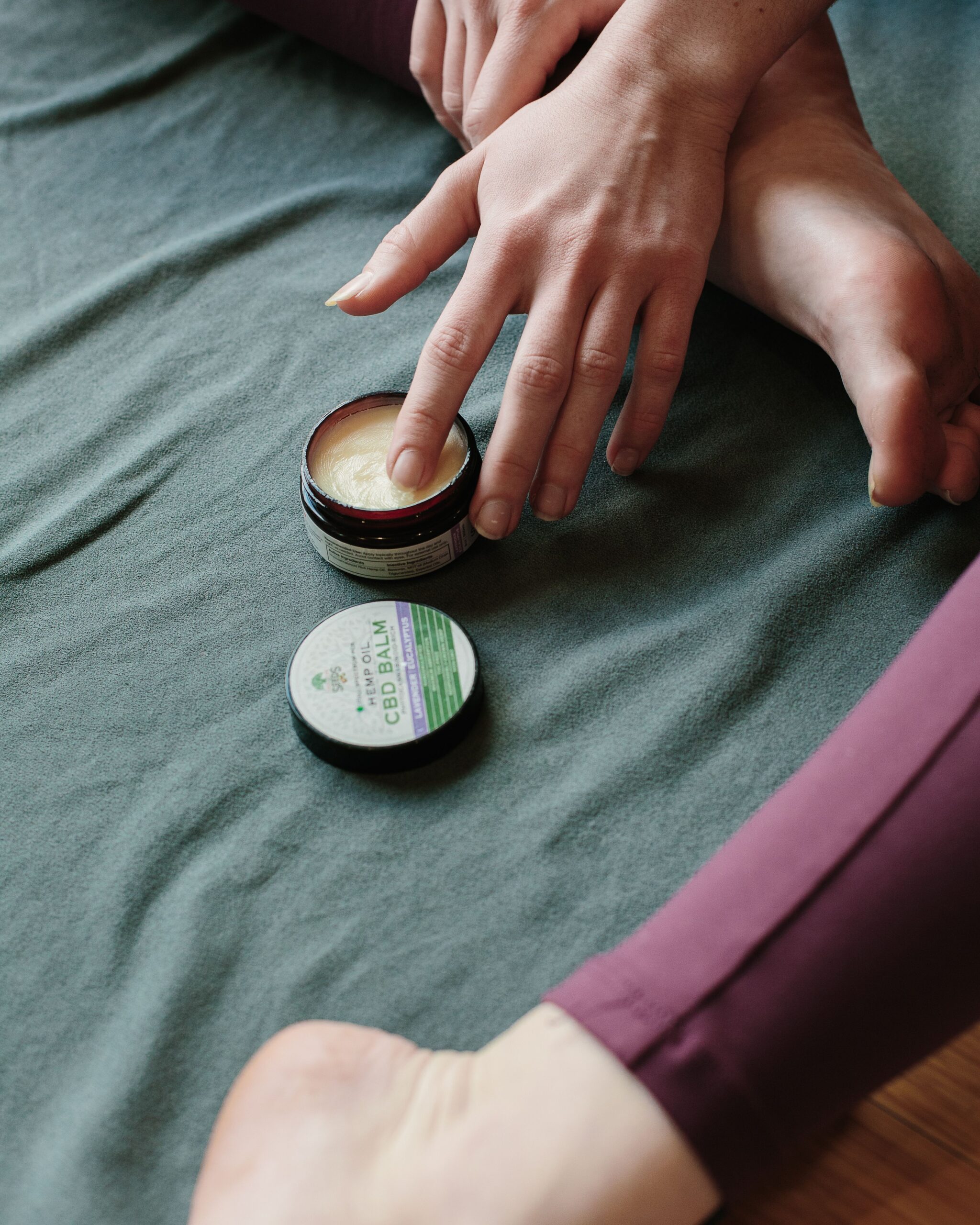
- How to Apply Topical Creams Effectively
- Reading a Topical Joint Product Label
- Who Benefits Most from Topical Joint Products
- Frequently Asked Questions
How Topical Joint Creams Work
Topical joint products are designed to deliver active compounds through the skin and into the underlying tissue, muscle, connective tissue, and in some cases the joint capsule itself. The mechanism is called transdermal delivery, and how well it works depends on two things: the molecular weight and polarity of the active compound, and the formulation of the carrier base.
Small, lipid-soluble molecules penetrate skin more readily than large, water-soluble ones. This is why compounds like menthol, camphor, and some herbal extracts appear in topical formulas, their chemical properties allow them to cross the skin barrier more efficiently. Larger compounds like hyaluronic acid molecules were historically thought to stay primarily on the surface, though more recent research has explored low-molecular-weight hyaluronic acid fragments with better penetration potential.
The carrier base matters as much as the active ingredients. Emollients, penetration enhancers (like dimethyl sulfoxide or ethanol), and lipid-based carriers (like lecithin) can significantly affect how much active compound reaches tissue below the skin. A well-formulated product gets more of the active ingredient to the target site. A poorly formulated one (regardless of what ingredients are on the label) delivers relatively little.
The practical implication: for topical products, the formulation is as important as the ingredient list, and formulation details are rarely disclosed on consumer packaging. This is why the research on specific clinical products often does not translate directly to off-the-shelf retail versions with the same named ingredient but a different base formulation.
Key Active Ingredients and What the Evidence Shows
Topical NSAIDs (Diclofenac, Ibuprofen)
Prescription-strength topical diclofenac (Voltaren Gel, 1% diclofenac sodium) is the best-evidenced topical for osteoarthritis pain, with a Cochrane review (Derry et al., 2016) concluding it reduces pain in hand and knee OA with substantially fewer systemic side effects than oral NSAIDs. Topical ibuprofen shows similar patterns in RCTs. These are the benchmark comparators for any non-NSAID topical entering the same category. Most over-the-counter joint creams do not match the effect size of topical diclofenac for OA, but they may be appropriate for people who cannot tolerate NSAIDs or prefer a non-pharmaceutical approach.
Menthol and Camphor (Counterirritants)
Menthol and camphor work through a mechanism called counterirritation, activating cold and warm receptors in the skin (TRPM8 and TRPA1 channels) to create a competing sensory signal that partially masks pain perception. They do not treat joint inflammation; they alter pain signal processing. The relief is real, short-lived, and particularly useful for acute flare situations or situations where you need fast onset relief while waiting for slower-acting compounds to work. Products like Icy Hot and Tiger Balm rely primarily on this mechanism.
Capsaicin
Capsaicin (from chili peppers) depletes substance P in sensory nerve terminals over repeated application, reducing pain signal transmission. Low-dose OTC capsaicin creams (0.025–0.1%) require consistent daily use for 2–4 weeks before meaningful effect develops, the initial burning sensation discourages compliance for many users. Clinical evidence for moderate OA pain is reasonably strong in the research, but the compliance barrier is real. The 8% prescription capsaicin patch (Qutenza) is a different clinical entity, applied by healthcare providers and not relevant to consumer OTC products.
Willow Bark Extract
Willow bark is the botanical origin of salicylates, the same compound class as aspirin. Salicin, its primary active compound, is metabolized to salicylic acid after absorption. As a topical, willow bark provides mild anti-inflammatory and analgesic effects similar to aspirin-class compounds, with a gentler GI profile than oral NSAIDs. Evidence in topical form is more limited than for systemic use, but the anti-inflammatory mechanism is pharmacologically sound for a topical product.
Boswellia serrata extract
Boswellia has strong evidence for oral use in joint conditions. For topical application, the data is more limited, some studies show meaningful penetration of boswellic acids through skin with lipid-based carriers, with clinical benefit reported in knee OA. Its anti-inflammatory mechanism (5-LOX inhibition) is complementary to salicylates, making it a reasonable co-ingredient in a topical joint formula.
Hyaluronic Acid
High-molecular-weight hyaluronic acid (the standard form in most creams) does not effectively penetrate skin. Low-molecular-weight fragments show better penetration in research, but most OTC products do not specify molecular weight. Hyaluronic acid in topical creams likely provides primarily surface hydration (keeping skin supple around the joint) with some potential for very superficial tissue hydration rather than deep joint lubrication. Clinically meaningful joint lubrication from topical hyaluronic acid has not been definitively established, the established route for intra-articular benefit is injection (viscosupplementation).
Ginger Extract
Gingerols and shogaols in ginger extract have demonstrated anti-inflammatory activity in cell and animal studies. Clinical trial evidence in humans for topical ginger is limited. One small RCT (Therkleson, 2014, Journal of Holistic Nursing) found reduced knee OA pain with topical ginger, preliminary but mechanistically plausible given the known anti-inflammatory pathway (NF-κB inhibition). More as a supporting ingredient than a primary driver.
Topical vs. Oral: Which Reaches the Joint?
This is the question most people implicitly have but rarely see clearly answered. The short version: it depends on the ingredient and the joint’s depth from the skin surface.
For superficial joints (fingers, wrists, ankles) topical compounds can meaningfully penetrate to periarticular tissue. This is why topical diclofenac trials show best results for hand and finger OA. For deeper joints (hips, lower lumbar) reaching the joint directly via topical application is substantially more difficult, and the clinical evidence for topical treatments weakens considerably at those depths.
Oral supplements bypass this depth problem entirely: the compound circulates through the bloodstream and reaches joints regardless of their depth. The tradeoff is that oral supplements expose the entire body to the compound, including GI tissue, liver, and kidneys, making systemic side effects more likely at effective doses. Topicals keep the active compound more localized at the cost of penetration limitations.
Practical takeaway: topicals are most useful for pain located in relatively superficial joints, knees, hands, elbows, shoulders (depending on the individual’s tissue profile), and as a complement to systemic management rather than a standalone intervention for deep or multi-joint conditions.
How to Apply Topical Creams Effectively
Most people apply less cream than needed and for less time than required. Evidence suggests application technique affects how much active compound actually crosses the skin barrier.
- Clean, dry skin: Wash and dry the target area before application. Oils, sweat, or residue reduce penetration.
- Apply generously to the full area: Cover the entire skin surface overlying the joint, not just the point of maximum pain. Penetration is lateral as well as downward.
- Massage until absorbed: Gentle circular massage increases absorption by warming the skin, increasing local blood flow, and mechanically working the product into pores. Aim for 3–5 minutes of application time.
- Wash hands immediately after: Unless applying to the hands. Topical analgesics applied inadvertently to eyes or mucous membranes cause significant irritation.
- Frequency: Most topical joint formulas recommend 2–3 applications per day. Once-daily application is unlikely to match the concentration effect seen in clinical trial protocols.
- Consistency over weeks: Anti-inflammatory effects from Boswellia and similar compounds accumulate with consistent use. Single-use topical application of herbal ingredients will not produce meaningful results, the mechanism requires sustained presence in the target tissue.
Reading a Topical Joint Product Label
The regulatory environment for topical OTC products in the US is different from supplements. Drug-claim products (those making explicit pain treatment claims, like Voltaren) require FDA-approved active ingredient percentages. Cosmetic or “wellness” topical products can make broader but less specific claims. Most commercially available joint creams market as cosmetic/wellness, which gives manufacturers more flexibility (and less accountability) in their label claims.
What to look at on a topical joint label:
| Label element | What to check | Red flag |
|---|---|---|
| Active ingredient % (if OTC drug) | Compare to evidence-based percentages (diclofenac 1%, capsaicin 0.025–0.1%) | Percentage not listed on OTC drug claims |
| Proprietary blend | Individual ingredients listed without amounts | No ingredient amounts at all, cannot evaluate dose |
| Penetration enhancers | Ethanol, dimethyl sulfoxide, lecithin, improve delivery | Water-only base with large hydrophilic actives |
| Claims language | “Supports joint comfort” (wellness) vs “treats arthritis pain” (drug claim requiring FDA compliance) | Explicit disease treatment claims on a cosmetic product |
| Third-party testing | USP, NSF, or independent lab certificate of analysis | No third-party verification of stated ingredient amounts |
Who Benefits Most from Topical Joint Products
Topical joint creams make most sense for:
- Localized, superficial joint pain: particularly knees, hands, and wrists where the joint is relatively close to the skin surface
- Adults who cannot tolerate oral NSAIDs (GI issues, kidney concerns, drug interactions) and need pain management with lower systemic exposure
- Acute flare management alongside a longer-acting oral supplement, topical counterirritants provide fast onset; oral anti-inflammatories provide sustained effect
- Night-time stiffness: applying a topical formula before sleep adds overnight anti-inflammatory exposure without requiring an extra oral supplement dose
Topicals are less useful for:
- Deep joints (hips, lumbar spine) where penetration is limited
- Widespread multi-joint conditions, applying cream to eight different areas is impractical compared to an oral supplement
- Structural joint support goals (cartilage maintenance), no topical product has evidence for cartilage structural changes
For joint creams that combine Boswellia, hyaluronic acid, and herbal anti-inflammatory ingredients, see our individual reviews: ArthroMD+ review and Veluflex review for specific product evaluations against these criteria.
For a hands-on look at one product in this category, see our review of the Kinzeno triple-action massage gel, including how well its deep-tissue claims hold up.
Frequently Asked Questions
Do topical joint creams actually penetrate to the joint?
For superficial joints (fingers, wrists, knees) topical anti-inflammatory compounds can meaningfully penetrate to periarticular tissue. For deep joints like hips or the lumbar spine, penetration to the actual joint space is limited. The clinical evidence for topical treatments is strongest for hand and knee OA, and weakest for deep-joint conditions. The formulation base and specific compound matter as much as the ingredient list.
How long before a topical joint cream starts working?
It depends on the mechanism. Counterirritants (menthol, camphor) work within minutes by altering sensory perception. Anti-inflammatory compounds (Boswellia, willow bark) require consistent daily use over 2–4 weeks to reduce tissue inflammation meaningfully. Most people who abandon topical products too early are doing so before the anti-inflammatory mechanism has had time to accumulate effect.
Can I use a topical cream and an oral supplement at the same time?
Generally yes, most herbal topical compounds and common oral joint supplements do not have significant additive risks when combined. The exception is topical products with high salicylate content (willow bark) combined with oral NSAIDs or anticoagulants, the combination can increase bleeding risk. Check both labels and discuss with a pharmacist if you are on any prescription medication.
Is there a difference between a joint cream and a muscle rub?
Muscle rubs (like Icy Hot or BioFreeze) primarily use counterirritants (menthol, camphor) and are designed for acute muscle soreness, post-exercise recovery, and short-term pain suppression. Joint-specific creams more often include anti-inflammatory plant extracts and compounds like hyaluronic acid, targeting the underlying inflammation mechanism rather than just altering pain signal processing. In practice, many products blur this line, if the active ingredient list is primarily menthol and camphor, it is functioning more as a muscle rub regardless of the “joint” label.
Are topical joint creams safe for daily long-term use?
Most herbal-based topical products are well-tolerated for extended daily use. The main concerns are skin sensitivity and local irritation, which affect a minority of users and typically resolve when the product is discontinued. Topical NSAID gels (diclofenac) carry lower systemic risk than oral NSAIDs but are not entirely without systemic absorption over long-term daily use, a consideration for people managing kidney function or cardiovascular risk.
About the author: Richard Hale is an independent health writer focused on mobility, joint health, and active aging research. He is not a licensed medical professional. All content on VitalMove40 is for educational purposes only and is not a substitute for advice from a qualified healthcare provider.