
Last updated: July 14, 2026 | By Richard Hale
Collagen supplements have become one of the top-selling joint health products globally, and unlike many supplements in that category, some forms of collagen have a reasonable evidence base behind them. The complication is that the evidence is highly specific: which type of collagen, what dose, and what bioavailability form matters significantly. The marketing typically glosses over these details.
This guide covers what the research actually shows, including which forms work, which do not, and what collagen supplements cannot replace.
This content is for educational purposes only and is not medical advice. Collagen supplements do not treat diagnosed joint conditions. Consult a healthcare provider for any significant joint symptoms.
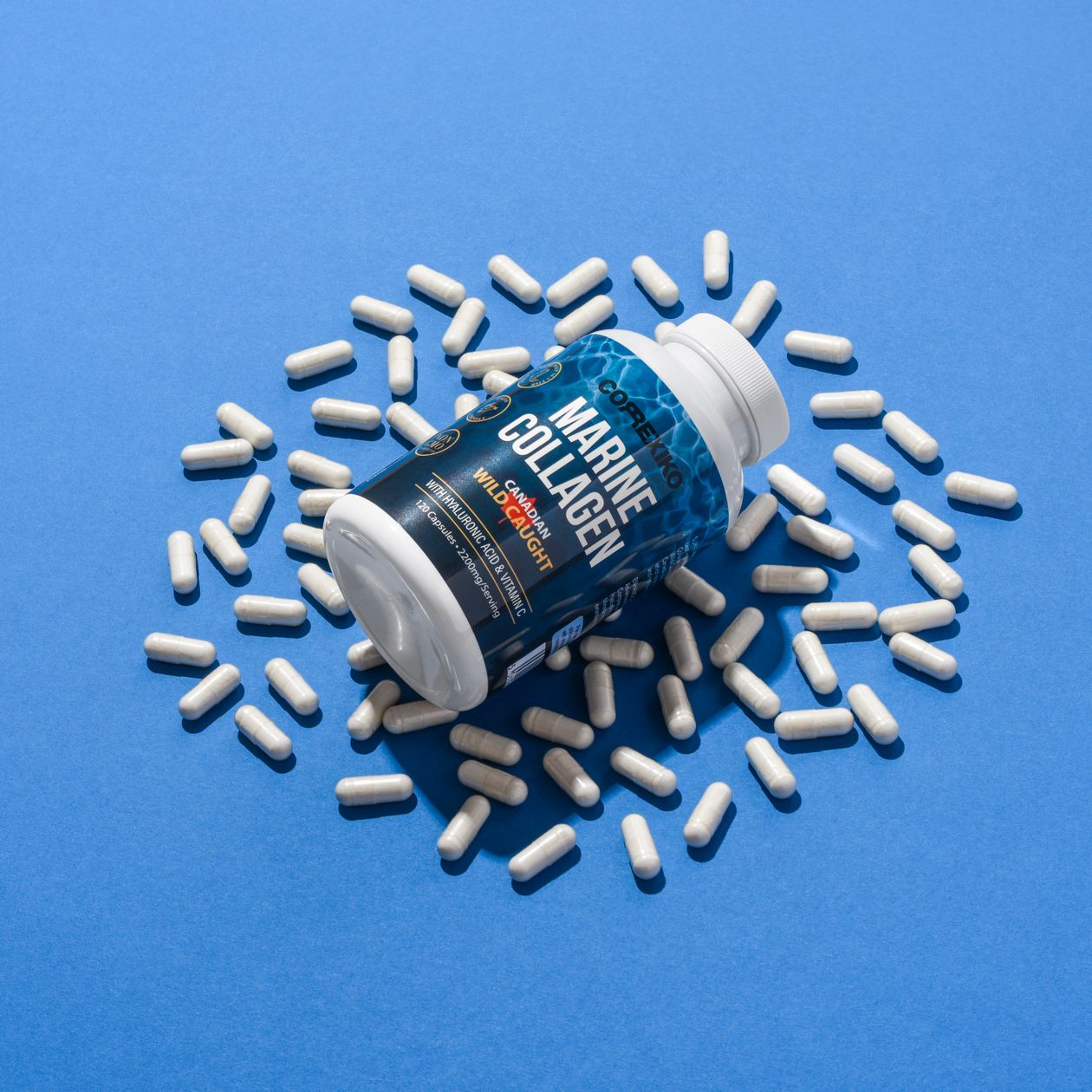
Table of Contents
- What Collagen Is and Why It Matters for Joints
- How Collagen Supplements Are Supposed to Work
- What the Research Actually Shows
- The Bioavailability Problem: Which Forms Work
- Dosing and Cofactors
- Food Sources vs. Supplements
- Frequently Asked Questions
What Collagen Is and Why It Matters for Joints
Collagen is the most abundant structural protein in the human body, it forms the framework of tendons, ligaments, cartilage, bone, and skin. In joints specifically, Type II collagen makes up the majority of articular cartilage (the smooth surface that allows bones to glide against each other), while Type I collagen dominates tendons and ligaments.
Collagen production declines with age, beginning gradually in the 20s and accelerating after 40. This contributes to the structural changes in cartilage and connective tissue that underlie osteoarthritis progression and the increased injury susceptibility of tendons and ligaments. The logic of collagen supplementation is straightforward: if collagen loss is part of the problem, supplementing collagen should help.
The biology is more complicated than that logic suggests, but not so complicated that supplementation has no effect.
How Collagen Supplements Are Supposed to Work
When you consume collagen (either as hydrolyzed collagen peptides or as whole protein) it is digested in the gut like any other protein, breaking into amino acids and small peptides. The body does not deliver dietary collagen directly to joint cartilage. What actually happens (to the extent we understand it) is that specific collagen-derived peptides (particularly hydroxyproline-containing dipeptides) appear to reach the bloodstream intact and may stimulate fibroblasts and chondrocytes (the cells that produce collagen in connective tissue) to increase their own collagen synthesis.
This is a more indirect mechanism than the marketing implies, and it is a weaker mechanism than directly synthesizing joint collagen. But several clinical trials suggest it produces measurable results in specific conditions.
What the Research Actually Shows
The evidence is strongest for two specific clinical areas:
Osteoarthritis of the knee: Multiple randomized controlled trials show that 10-20g/day of hydrolyzed collagen peptides reduces pain and improves function scores in people with mild to moderate knee osteoarthritis over 12-24 weeks. A 2018 meta-analysis in Nutrients reviewing 5 RCTs found a significant reduction in WOMAC pain scores. The effect size is modest, comparable to low-dose naproxen in some studies, inferior to higher-dose NSAIDs, but relevant given the safety profile.
Undenatured Type II collagen (UC-II): A different mechanism entirely. UC-II (40mg/day, taken in the morning away from food) works through oral tolerization, presenting native collagen fragments to the gut immune system to reduce the autoimmune component of cartilage degradation. A published head-to-head trial found UC-II superior to a glucosamine/chondroitin combination for knee OA pain reduction at 180 days. The dose is much lower (40mg vs. 10-20g) because it works through a different pathway.
Tendon and ligament health: Emerging evidence (smaller studies, more heterogeneous) suggests hydrolyzed collagen taken before exercise may support tendon collagen synthesis when combined with vitamin C and exercise stimulus. A 2017 study in the American Journal of Clinical Nutrition found that 15g of gelatin (a collagen form) taken 1 hour before a brief exercise session significantly increased collagen synthesis markers compared to placebo.
The Bioavailability Problem: Which Forms Work
Not all collagen supplements deliver bioavailable peptides effectively. The relevant distinctions:
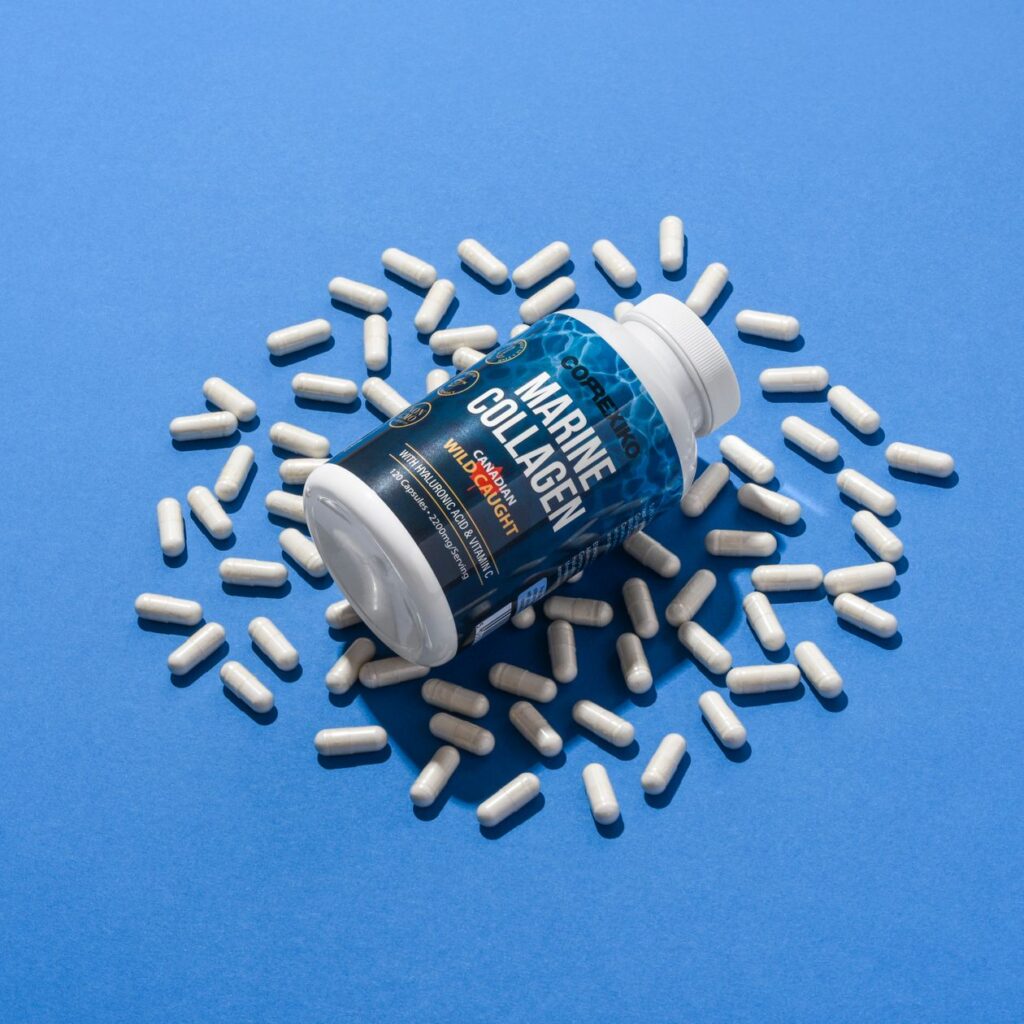
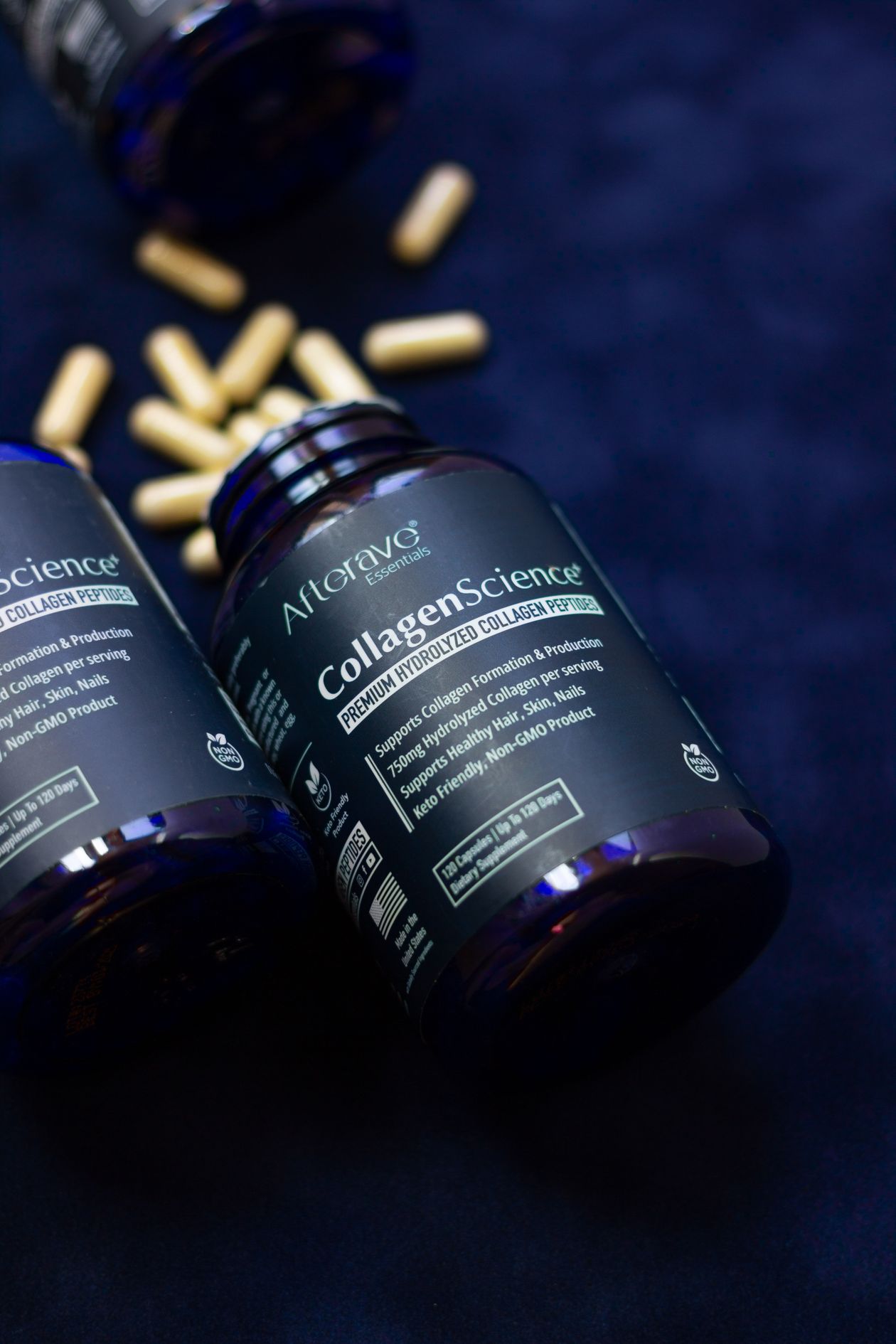
- Hydrolyzed collagen peptides (also called collagen hydrolysate): the protein has been broken down by enzymatic hydrolysis into smaller peptide fragments that are more readily absorbed. Most positive clinical trials use this form. Look for products listing “hydrolyzed collagen” or “collagen peptides”, not just “collagen protein.”
- Undenatured Type II collagen (UC-II): a specifically processed form of chicken sternum collagen that is not hydrolyzed, the intact native structure is required for the oral tolerization mechanism. At 40mg/day, this is a completely different supplement from high-dose hydrolyzed collagen. Not interchangeable.
- Gelatin: partially hydrolyzed collagen that provides some of the same amino acids and has evidence for tendon synthesis when combined with exercise and vitamin C. Less convenient but effective as a food form.
- Whole collagen protein: the least absorbed form. Marketed as a protein supplement rather than specifically for joints. The evidence base for joint health specifically is weaker.
Dosing and Cofactors
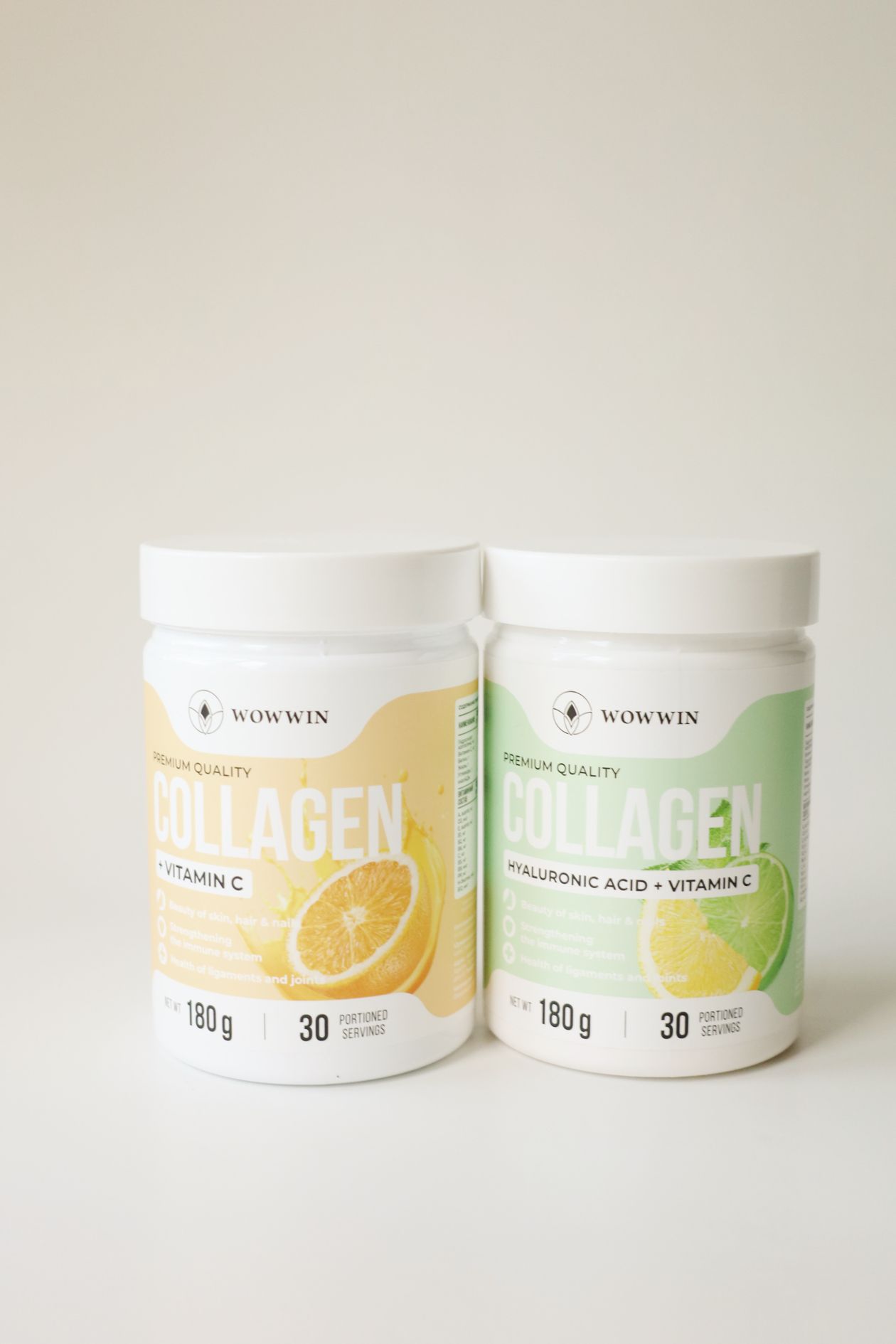
For hydrolyzed collagen peptides: the doses showing benefit in OA trials are typically 10-20g/day, taken consistently for at least 12 weeks. Taking it with vitamin C (at least 50-100mg at the same time) is important because vitamin C is a required cofactor for collagen synthesis, the step where proline is hydroxylated into hydroxyproline, which is necessary for collagen fiber formation. Some trials show no benefit in vitamin C-deficient subjects.
For UC-II: 40mg/day, taken in the morning on an empty stomach (the oral tolerization mechanism depends on presenting the peptide to gut immune cells without interference from other food proteins).
Food Sources vs. Supplements
Food sources provide some of the same amino acids as collagen supplements. Bone broth, slow-cooked gelatinous meats (oxtail, short ribs), and gelatin from cooking all deliver hydroxyproline-containing peptides similar to those in supplements. The concentrations are variable and lower than therapeutic supplement doses, but regular consumption likely provides some benefit to connective tissue health over time.
For joint pain management specifically, getting 10-20g of hydrolyzed collagen from food daily is impractical for most people, a supplement is a more reliable approach for the doses showing clinical benefit.
Frequently Asked Questions
What type of collagen is best for joints?
For osteoarthritis and general joint health: hydrolyzed collagen peptides (Type I/III) at 10-20g/day have the most RCT support. For the specific oral tolerization mechanism targeting cartilage: UC-II at 40mg/day has good evidence and in some trials outperforms glucosamine/chondroitin. They work through different mechanisms and are not interchangeable, choose based on your goal and the research that supports your specific condition.
Does collagen supplement help with joint pain?
For mild to moderate knee osteoarthritis, the evidence supports a modest but real reduction in pain with 12-24 weeks of hydrolyzed collagen peptides at 10-20g/day. The effect is smaller than prescription anti-inflammatories but meaningful for many people, particularly given the favorable safety profile. It does not rebuild lost cartilage, but it may slow further degradation and reduce the inflammatory component of OA symptoms.
How long does collagen take to work for joints?
Most clinical trials showing benefit used 12 to 24 weeks as the study period. This timeline reflects the slow rate of collagen turnover in joint tissue, cartilage is metabolically slow tissue. Expecting results in 4 weeks is unrealistic based on the biology. A consistent 3-6 month trial is the appropriate timeframe for evaluating whether collagen supplementation is helping your specific symptoms.
What type of collagen supplement is best for joints?
For joint health specifically, two types have the clearest evidence: UC-II (undenatured type II collagen) at 40mg per day, which works through oral tolerization to reduce immune-mediated cartilage breakdown; and hydrolysed type II collagen at 10 grams or more per day, which provides peptides that support cartilage matrix synthesis. These are different mechanisms requiring different doses and should not be confused. Most collagen supplements on the market combine types without specifying the dose of each, look for products that clearly state the collagen type and dose rather than just listing total milligrams of a proprietary blend.
How long does it take for collagen supplements to work for joint pain?
Clinical trials for UC-II collagen show measurable improvements in knee pain and function at 90 days, with some studies showing results at 60 days. Hydrolysed collagen at higher doses shows benefits at similar timeframes in cartilage-focused trials. Unlike anti-inflammatory supplements that reduce pain within days to weeks, collagen works through structural mechanisms that require time for cartilage matrix remodelling. If evaluating a collagen supplement, commit to 90 days of consistent daily use before making a judgement about whether it is working, trials shorter than 30 days are not sufficient to assess effectiveness for structural joint support.
About the author: Richard Hale is an independent health writer focused on mobility, joint health, and active aging research. He is not a licensed medical professional. All content on VitalMove40 is for educational purposes only and is not a substitute for advice from a qualified healthcare provider.