Last updated: September 10, 2026 | By Richard Hale
Disclosure: This post contains affiliate links. If you purchase through our links, we may earn a commission at no extra cost to you. We only review products we believe are worth your consideration. Full disclosure here.
Note: NeuroMat EMS Foot Massager is currently available in Australia. Pricing is displayed in AUD at checkout based on your location.
The NeuroMat EMS Foot Massager uses NMES (NeuroMuscular Electrical Stimulation) technology to generate rhythmic contractions in the foot and calf muscles, targeting two distinct problems: peripheral circulation and neuropathic foot pain symptoms, burning, tingling, and numbness. It is a home-use device, not a clinical machine, but the underlying technology has a legitimate physiotherapy background and a reasonable evidence base for the use case it targets.
This review evaluates the technology, what the research supports and what it doesn’t, the practical experience of using the device, and whether it represents good value for adults managing neuropathic foot symptoms in Australia.
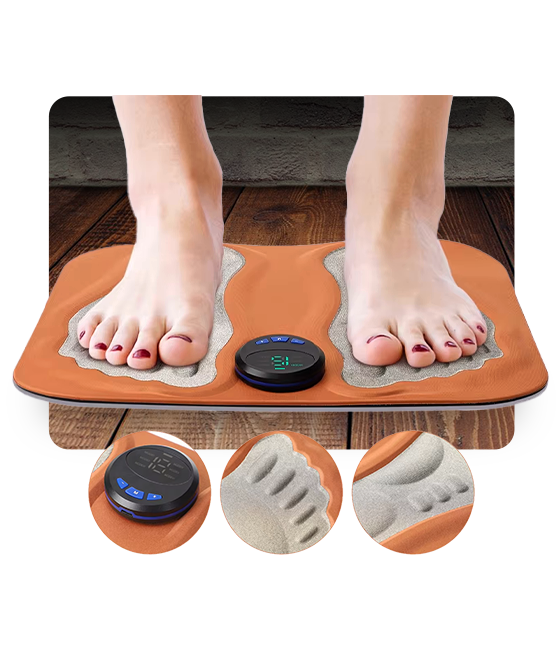
Table of Contents
- What the NeuroMat Actually Is (and Isn’t)
- The Technology: NMES with Copper-Enhanced Electrodes
- What the Evidence Supports
- Specs and What’s in the Box
- Who It Works Best For
- Pricing and Guarantee
- Pros and Cons
- Frequently Asked Questions
What the NeuroMat Actually Is (and Isn’t)
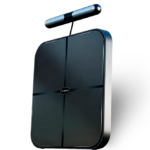
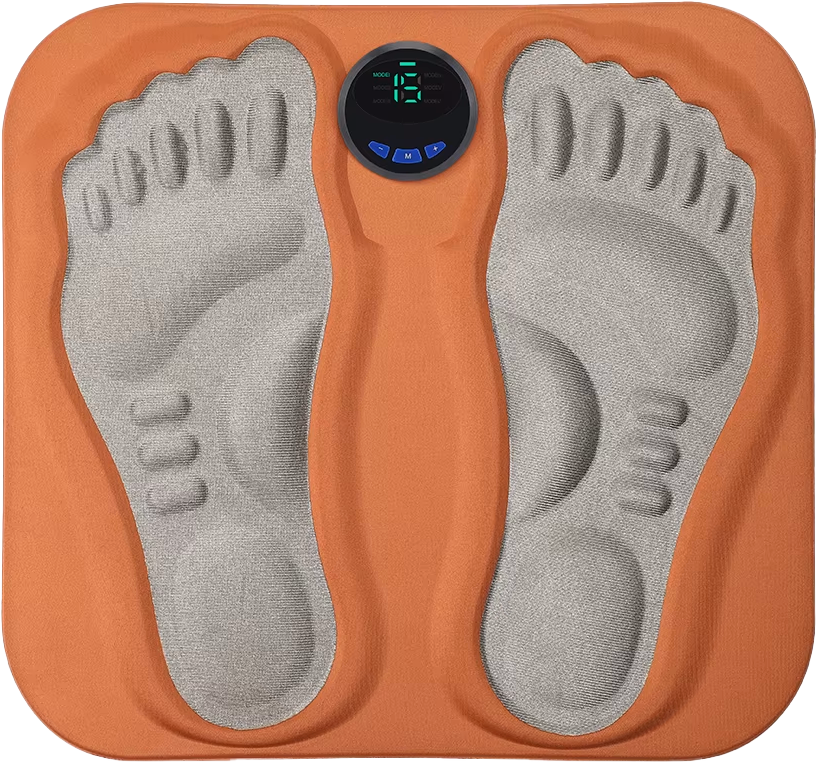
The NeuroMat is a flat foot pad placed on the floor. You rest your feet on it while seated, and it delivers electrical impulses through conductive copper-enhanced electrodes embedded in the pad surface. The electrical current stimulates the motor nerves in your feet, producing rhythmic muscle contractions, not painful shocks, but a pulsing squeeze that varies with intensity setting.
What this is not: it is not a TENS machine (which targets sensory nerves for pain signal interruption), and it is not a massage device in the mechanical sense. The “massager” label comes from the sensation of muscle contraction rather than physical manipulation. The actual mechanism is neuromuscular stimulation, which has specific clinical applications distinct from either massage or pain-gate TENS therapy.
VitalMove40 Verdict, NeuroMat EMS Foot Massager: 3.7 / 5
Best for: Adults with neuropathic foot symptoms (burning, tingling, numbness) or circulation-related foot discomfort from prolonged sitting
✓ Full 1–100 Hz NMES range covers the clinically validated frequency spectrum
✓ Copper-enhanced electrodes for uniform current distribution
✓ Remote control for intensity adjustment without bending
✗ 30-day guarantee is short for neuropathic symptom assessment (4 weeks minimum per research)
✗ AUD pricing only visible at checkout, not on product page
The Technology: NMES with Copper-Enhanced Electrodes
NeuroMat uses what it describes as NMES (NeuroMuscular Electrical Stimulation) with a copper-enhanced delivery surface. Each element is worth unpacking.
NMES vs. Consumer EMS
NMES specifically targets motor neurons (the nerve fibers that trigger muscle contractions) at intensities and frequencies sufficient to produce visible, rhythmic muscle contraction. This distinguishes it from lower-intensity devices that produce only a tingling sensation without genuine muscle activation. The muscle contractions created by NMES simulate the calf muscle pump action that normally drives venous blood back toward the heart during walking, and that is absent during prolonged sitting or in adults with limited mobility.
Copper-Enhanced Electrodes
Copper fiber woven into the pad’s electrode surface improves electrical conductivity compared to standard textile or foam electrodes. More uniform conductivity across the contact surface means more even current distribution, reducing the risk of hotspots (areas of higher current density) that can cause discomfort, and ensuring more of the electrode surface contributes to the stimulation effect. This is a practical engineering choice rather than a marketing claim.
Frequency Range: 1–100 Hz
This is a meaningful specification. The full 1–100 Hz range covers:
- Low range (1–10 Hz): individual pulsing contractions, typically most comfortable for beginners and for circulation-focused use
- Mid range (20–50 Hz): sustained contractions closer to physiological muscle activation, most studied for therapeutic effects
- Upper range (50–100 Hz): stronger stimulation for more pronounced circulation effect; typically used in shorter sessions
Having access to the full range lets users find their effective and comfortable intensity level, which matters for compliance, a device that is uncomfortable at any useful intensity will not be used consistently.
What the Evidence Supports
The NeuroMat product page states the technology is “clinically proven”, a claim worth contextualising. NMES itself is clinically proven across a range of applications: venous return improvement in immobile patients, post-surgical muscle rehabilitation, and symptom reduction in peripheral neuropathy. What is not clinically proven in isolation is this specific device’s performance against clinical benchmarks. For a broader look at how this technology category compares across products, see our full guide to EMS foot massagers for foot pain.
Where the evidence is strong
NMES for circulation: multiple RCTs and systematic reviews support neuromuscular electrical stimulation as effective for increasing lower-limb venous blood flow velocity, reducing foot and ankle swelling in people who sit for extended periods, and improving peripheral circulation in adults with mild vascular compromise. This is the best-supported use case for a device like the NeuroMat.
Electrical stimulation for neuropathic foot symptoms: smaller but meaningful RCT evidence supports electrical stimulation for reducing burning, tingling, and pain scores in diabetic peripheral neuropathy. The Bosi et al. trial (Diabetologia, 2005) is among the most frequently cited. Effect sizes are modest; not all patients respond.
Where the evidence is more limited
Direct head-to-head comparison between consumer-grade NMES pads and the clinical devices used in published trials has not been done. The consistency and precision of delivered current in consumer devices varies. Individual response to electrical stimulation for neuropathic symptoms varies considerably, some adults see meaningful improvement; others see little effect.
Specs and What’s in the Box
| Specification | Detail |
|---|---|
| Technology | NMES (NeuroMuscular Electrical Stimulation), copper-enhanced electrodes |
| Frequency range | 1–100 Hz adjustable |
| Battery | 150 mAh; 3-hour charge time |
| Battery life | 4–6 hours per charge |
| Recommended session | 15 minutes daily |
| Weight | 125g |
| Guarantee | 30-day money-back |
| Market | Australia |
In the box: EMS foot massager pad, hub controller, remote control, USB charging cable, user manual.
The remote control is a useful inclusion, it allows intensity adjustment without bending down to reach the pad, which matters for adults with limited flexibility or who are using the device while working at a desk.
Who It Works Best For
Most likely to benefit:
- Adults experiencing burning, tingling, or numbness in feet and lower legs with a confirmed or suspected circulatory or neuropathic component
- Adults who spend long hours seated, remote workers, frequent travellers in transit, those with restricted mobility, where the calf muscle pump is underactive. If prolonged sitting is also contributing to back discomfort, see our guide on standing desk back pain.
- Adults managing diabetic peripheral neuropathy symptoms as a conservative adjunct (with physician awareness)
- Adults with mild lower-leg swelling related to prolonged sitting and poor venous return, pairing NMES sessions with movement, like the drills in our ankle mobility after 40 guide, supports circulation further
Less well-suited for:
- Adults with pacemakers or other implanted electrical devices, NMES is contraindicated
- Adults with active deep vein thrombosis, increased blood flow velocity is not indicated with an existing clot
- Adults whose primary foot complaint is structural (plantar fasciitis, heel spurs, metatarsalgia) where the mechanism of NMES does not directly address the pathology. See our guide on plantar fasciitis after 40 for relevant options.
- Adults expecting fast symptom elimination, NMES reduces symptom burden gradually with consistent use; it does not provide the immediate pain masking that counterirritant creams or NSAIDs offer
Pricing and Guarantee
NeuroMat is currently available with a promotional discount of up to 70% off the regular price. Pricing is displayed in AUD at checkout based on your shipping location, visit the product page to see current AU pricing and any active bundle offers.
The 30-day money-back guarantee provides a reasonable trial window for circulation benefits, which can be noticeable within the first few sessions. For neuropathic symptom relief, 30 days is shorter than the 4-week consistent use period the clinical literature suggests is needed for meaningful assessment. Starting promptly upon receipt maximises the evaluation time within the guarantee window.
See current NeuroMat pricing for Australia →
Pros and Cons
| Pros | Cons |
|---|---|
| Full 1–100 Hz frequency range, covers the clinically relevant range | 30-day guarantee is short for neuropathic symptom assessment (4 weeks minimum in research) |
| Copper-enhanced electrodes for uniform current distribution | AUD pricing not displayed upfront, requires checkout to see |
| Remote control for intensity adjustment without bending | “Clinically proven” marketing claim not backed by specific cited trials for this device |
| Compact and lightweight (125g), desk-friendly daily use | Individual response to NMES for neuropathy varies, not universally effective |
| Legitimate NMES mechanism with good circulation evidence base | Does not address structural foot pain (plantar fasciitis, etc.) |
| Available in Australia with local shipping | N/A |
Frequently Asked Questions
How does NeuroMat differ from a TENS machine?
TENS machines target sensory nerves at parameters designed to interrupt pain signal transmission without causing muscle contraction. NeuroMat uses NMES, parameters chosen specifically to activate motor neurons, producing rhythmic muscle contractions that drive circulation improvement. The two technologies have overlapping benefits for some conditions but work through distinct mechanisms. For foot neuropathy with a significant circulation component, NMES’s active muscle contraction is specifically relevant.
How quickly will I notice results?
Circulation benefits, reduced foot swelling, improved warmth in feet after prolonged sitting, may be noticeable within 3–5 sessions for adults with circulation-related symptoms. For neuropathic pain symptoms (burning, tingling), consistent daily use for 3–4 weeks is the minimum assessment window based on the clinical literature. Do not evaluate the product after 1–2 uses.
Can I use NeuroMat while working at a desk?
Yes, the pad is designed for use while seated, and the remote control allows intensity adjustment without breaking your posture. The 15-minute recommended session length fits naturally into a morning routine or mid-afternoon sitting break. Many users build the habit around existing sedentary periods rather than requiring a separate dedicated session. For more on setting up your workspace to reduce sitting-related strain, see our guide to desk ergonomics after 40.
Is NeuroMat safe for people with diabetes?
NMES is specifically studied for diabetic peripheral neuropathy symptom management, so the evidence is relevant. However, adults with diabetes often have reduced sensation in the feet, which means they may not accurately perceive whether stimulation intensity is too high for their skin. Start at the lowest intensity setting and increase slowly. Inform your physician or diabetes educator that you are using the device, particularly if you have any active wounds or skin changes on your feet.
What is the difference between the NeuroMat and a regular foot massager?
Traditional foot massagers use mechanical pressure (rollers, air bladders, or vibration) to massage foot tissue. NeuroMat uses electrical current to directly activate nerve and muscle tissue without mechanical contact. The physiological effects are different: mechanical massagers primarily address local muscle tension and sensory relaxation; NeuroMat’s NMES drives muscle contractions that improve venous return and peripheral circulation. Neither is better in absolute terms, they address different aspects of foot discomfort.
About the author: Richard Hale is an independent health writer focused on mobility, joint health, and active aging research. He is not a licensed medical professional. All content on VitalMove40 is for educational purposes only and is not a substitute for advice from a qualified healthcare provider.