Last updated: September 14, 2026 | By Richard Hale
Foam rolling reduces muscle soreness and stiffness when used correctly. Used incorrectly, directly on painful joints, over bony prominences, or on acutely injured tissue, it makes things worse. This guide covers what the evidence shows foam rolling actually does, which body areas respond well, and the specific mistakes that are common after 40 when tissue resilience changes.
This content is for educational purposes only and is not medical advice. Avoid foam rolling over acute injuries, inflamed joints, areas with osteoporosis risk, or where you have reduced skin sensation.
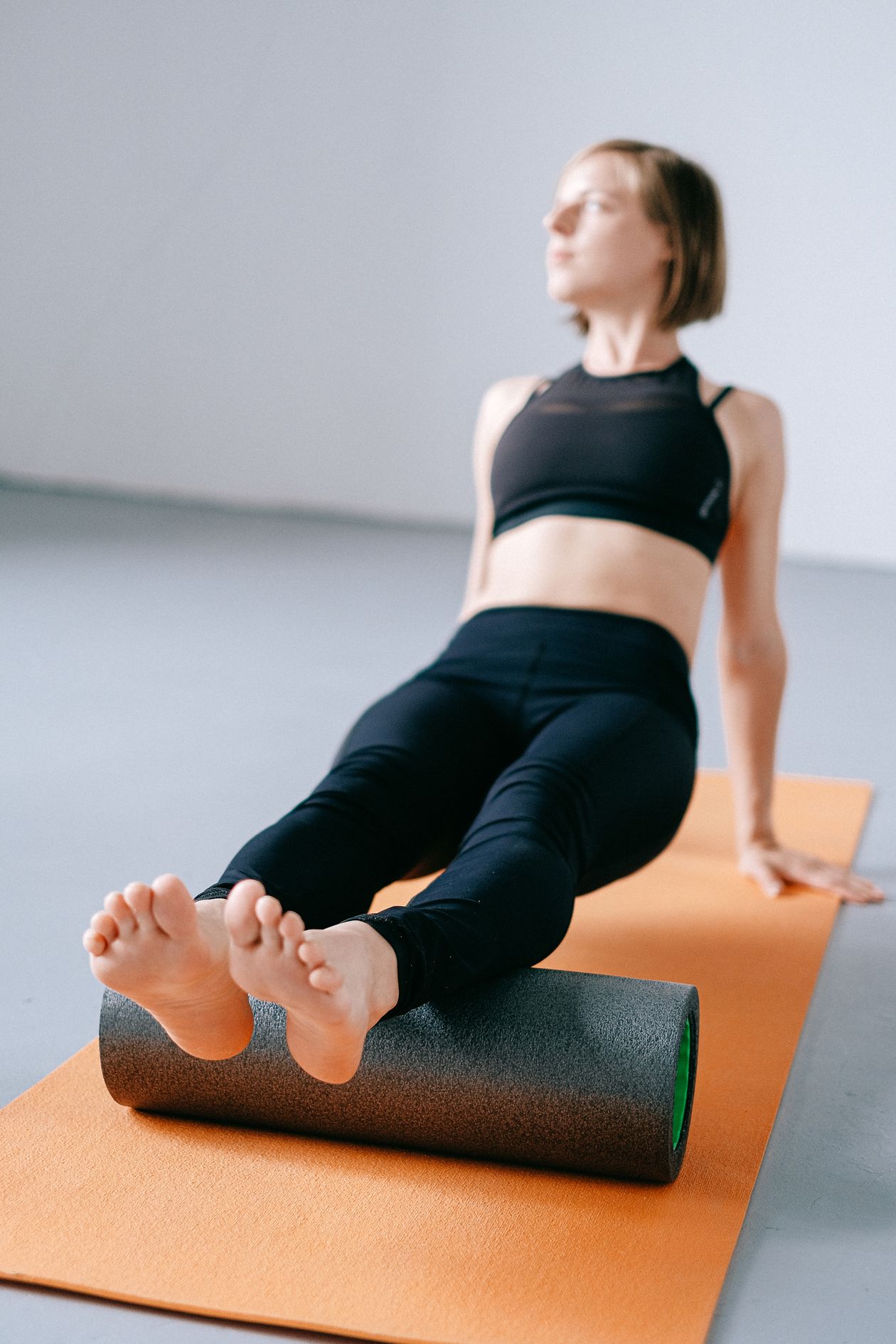
Table of Contents
- What Foam Rolling Actually Does
- What the Evidence Shows
- Best Areas to Foam Roll After 40
- How to Roll Correctly
- What Not to Roll
- Timing: Pre-Workout vs. Post-Workout
- Frequently Asked Questions
What Foam Rolling Actually Does
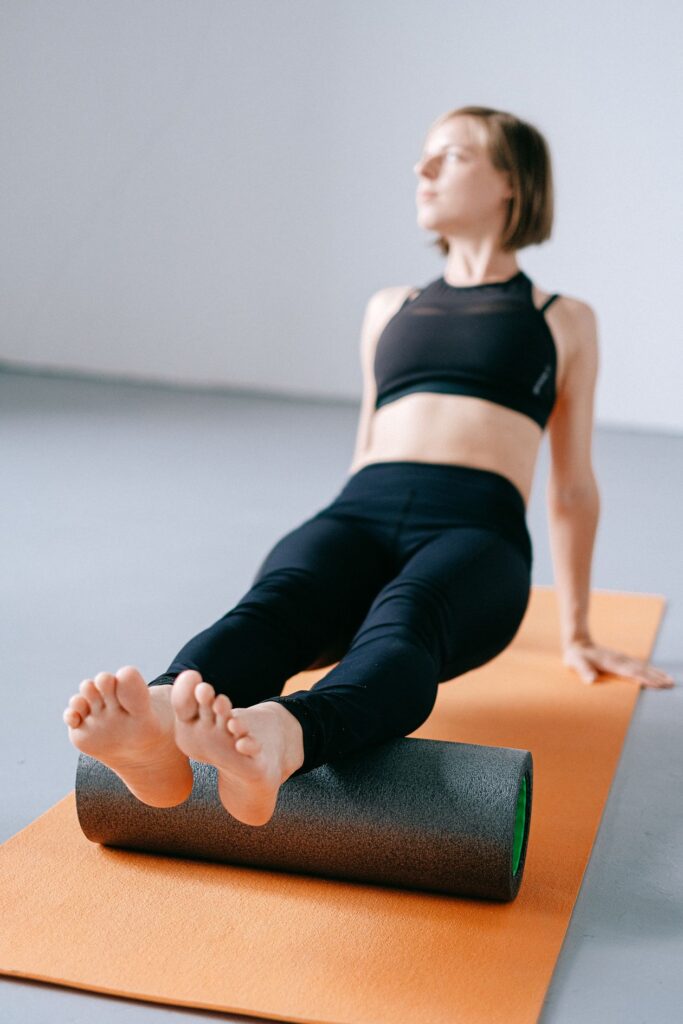
Foam rolling is a form of self-myofascial release, applying mechanical pressure to muscle and connective tissue. The theoretical mechanism involves compressing the fascia (the connective tissue that wraps muscles and connects them to each other), triggering mechanoreceptors that reduce muscle tone via the nervous system, and increasing local blood flow and tissue hydration.
What it does NOT do: permanently restructure fascia, break up scar tissue significantly, or address the mechanical causes of recurring muscle tightness. The benefits are real but temporary, rolling relieves current tension, but if the movement patterns or muscle imbalances that caused the tightness are not addressed, the tension returns. Think of foam rolling as a maintenance tool, not a correction tool.
What the Evidence Shows
DOMS reduction: the most consistent finding in foam rolling research. Multiple systematic reviews confirm that foam rolling before and/or after exercise reduces delayed onset muscle soreness (DOMS) by a meaningful but modest amount, typically 1-2 points on a 10-point scale. The most comprehensive review (Wiewelhove et al., 2019) of 21 studies found statistically significant reductions in DOMS and sprint performance decrements following foam rolling.
Short-term range of motion improvement: foam rolling consistently improves joint range of motion in the 30-90 minutes following the session. A 2015 review in the Journal of Athletic Training found significant ROM improvements from foam rolling, comparable to static stretching, without the reduction in muscle performance that stretching produces when done immediately before exercise. This makes pre-exercise foam rolling preferable to pre-exercise static stretching for maintaining muscle performance.
What the evidence does not support: permanent flexibility gains, significant changes in fascia structure, or meaningful improvements in chronic pain conditions when used alone. The benefits are session-to-session and require regular use to maintain.
Best Areas to Foam Roll After 40
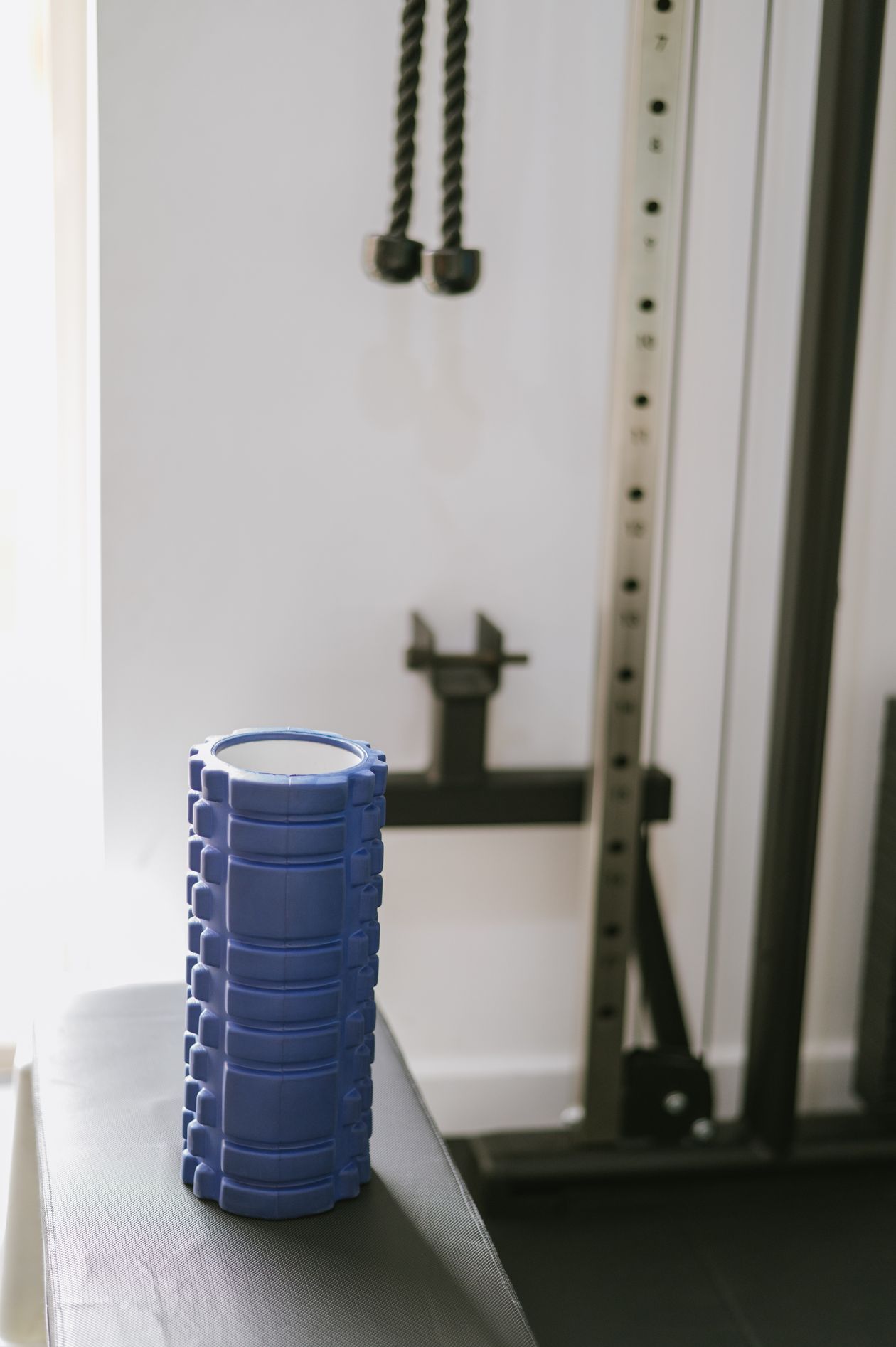
Thoracic spine (upper and mid back): one of the most beneficial areas and one that is consistently neglected in stretching routines. The thoracic spine tends to stiffen into flexion with desk work and sedentary habits, reducing extension mobility. Lying over the foam roller across the upper back and gently extending over it (in segments from mid-back to upper back) improves thoracic extension mobility that supports both shoulder function and neck posture. This is appropriate to roll because the thoracic vertebrae are heavily stabilized by ribs and have limited mobility in directions other than what you are working with.
Glutes and piriformis: sitting for extended periods compresses and shortens the glutes and deep hip rotators. Rolling the gluteal region (seated on the foam roller, one ankle crossed over the opposite knee to target the piriformis) relieves the hip tightness and buttock pain that many desk workers experience. This area can be remarkably sensitive, work with manageable pressure and do not force through sharp pain.
Quadriceps: lying prone with the roller under the thighs, rolling from the hip crease to just above the knee, addresses the quadriceps, a chronically shortened and overworked muscle group in people who sit extensively. Quad tightness contributes to anterior knee pain, patellar tendinopathy, and hip flexor dominance patterns.
Calves (gastrocnemius and soleus): sitting with one leg elevated and the roller under the calf, working from the ankle to just below the knee. Calf tightness is closely related to plantar fasciitis, Achilles tendon problems, and ankle mobility limitations. Rolling the soleus (bend the knee 90 degrees while rolling) addresses the deeper muscle that is often missed with the standard straight-leg technique.
Thoracolumbar fascia (lower back area, technique-specific): see the section below on what NOT to do with the lumbar spine directly.
How to Roll Correctly
Pressure: enough that you feel significant pressure and possibly some discomfort on tight areas, but not sharp or radiating pain. A common guideline is 6-7/10 on a discomfort scale, firm enough to feel effective, not so intense it produces guarding or breath-holding. If you are holding your breath, the pressure is too much.
Speed: slow and deliberate, approximately 1 inch per second. Rapid rolling reduces mechanical input time per segment and reduces the neurological “reset” that slow pressure produces. When you find a tender point, pause for 20-30 seconds of sustained pressure rather than rolling over it rapidly.
Duration: 1-2 minutes per muscle group is sufficient. Total foam rolling time of 10-15 minutes covers the major areas without excessive session time. More than 20 minutes of daily foam rolling provides minimal additional benefit and may cause tissue soreness from over-stimulation.
Breath: breathe slowly and deliberately while rolling. Exhaling during pressure application helps the nervous system reduce tone in the tissue being compressed.
What Not to Roll
The lumbar spine directly: unlike the thoracic spine (stabilized by ribs), the lumbar vertebrae can move into hyperextension when rolled from behind, a direction of load that increases compressive stress on the facet joints and can worsen existing lumbar conditions. Rolling the muscles alongside the lumbar spine (the erector spinae and quadratus lumborum) is fine. Rolling directly over the lumbar vertebrae with the roller oriented across the body is not.
Acutely inflamed or injured areas: foam rolling increases blood flow and mechanical load to the area, the opposite of what an acute injury needs. The 72-hour rule applies: wait until acute inflammation has subsided before rolling the affected area.
Joints directly: the foam roller should be positioned on muscle bellies, not directly on joint spaces (knee joint line, ankle joint, elbow). Rolling over a joint compresses structures that are not designed for this type of loading. If the pain is in the joint itself rather than the surrounding muscle, see our guide on heat or ice for joint pain for the right tool for that problem.
The IT band aggressively: this is the most commonly misapplied foam rolling technique. The IT band is a thick, poorly elastic fibrous band, it does not release or lengthen with pressure, and aggressive rolling on the lateral thigh is one of the most painful and least effective foam rolling practices. The IT band tightness is caused by hip abductor weakness and poor hip mechanics, not by a “tight band” that needs to be compressed. Address the glutes and hip abductors; a light pass over the lateral thigh is acceptable, but aggressive IT band rolling is a poor use of time and effort.
Timing: Pre-Workout vs. Post-Workout
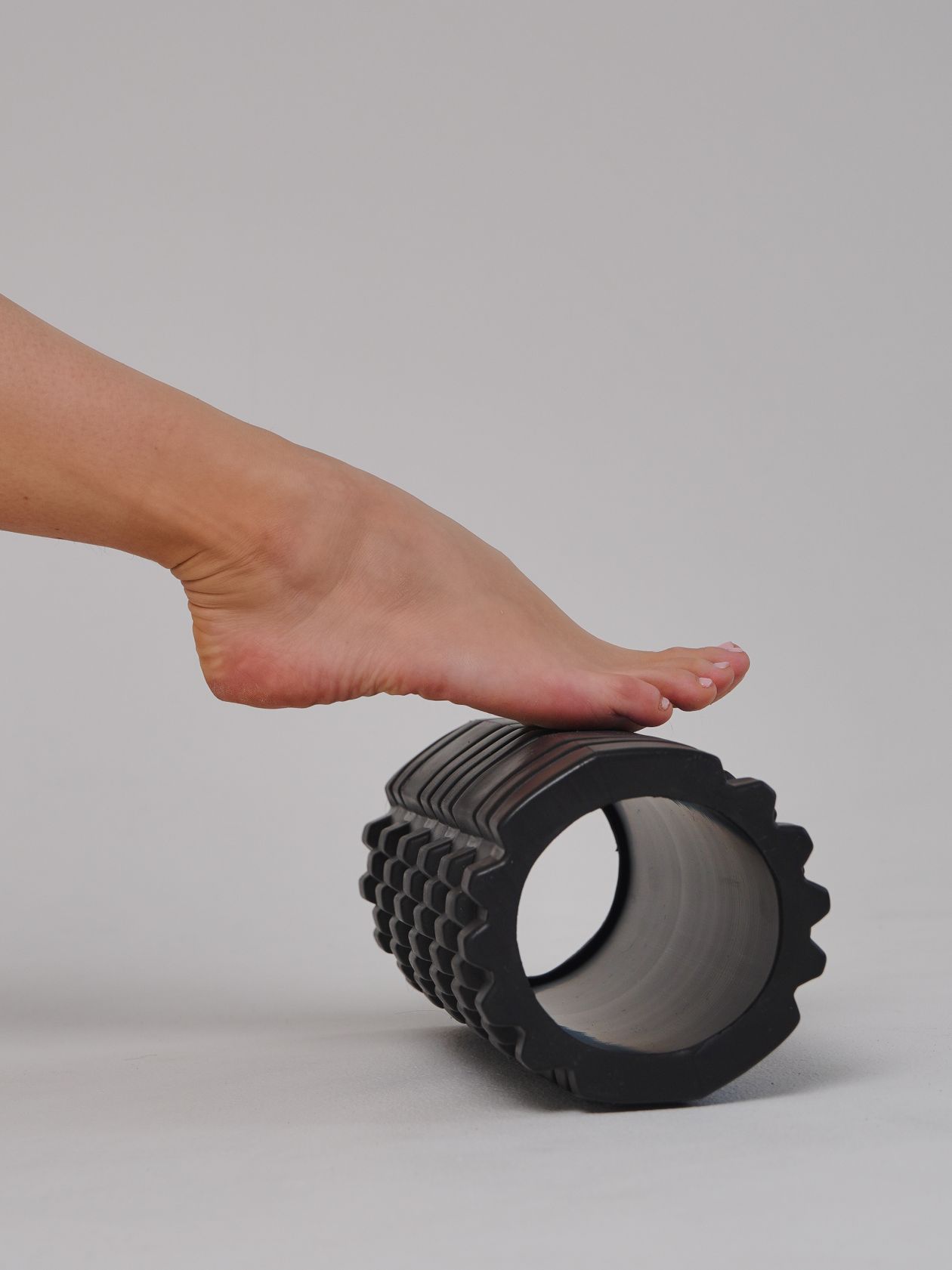
Pre-workout: foam rolling before exercise improves range of motion without the performance penalties of static stretching. A 5-10 minute pre-exercise rolling session targeting the major muscle groups you will use prepares the tissue and helps identify areas of significant restriction to address during the session. Follow with dynamic movements (leg swings, arm circles, hip rotations) rather than static holds.
Post-workout: the evidence for DOMS reduction is clearest when foam rolling is performed within 30 minutes after exercise, before the inflammatory response fully establishes. A 10-minute post-workout rolling session targeting the primary muscles worked is the most evidence-supported timing for soreness reduction.
Daily maintenance: for adults over 40 managing chronic stiffness, daily rolling at any time (morning to address overnight stiffness, or evening) provides the cumulative benefit of regular tissue hydration and neurological tone management. Consistency over months matters more than session timing.
Frequently Asked Questions
Should foam rolling hurt?
Foam rolling should feel like “good pain”, significant pressure that is uncomfortable but not sharp, radiating, or intolerable. The measure is whether you can breathe normally while rolling. Sharp pain, numbness, tingling, or joint pain during rolling means you are either on the wrong tissue (a joint rather than a muscle, or an area with nerve involvement) or using too much pressure. Reduce pressure or move to a different area. Over time, areas that were initially very tender become less so, this is the normal adaptation to regular rolling.
Does foam rolling help with arthritis?
Foam rolling helps with the muscular tightness and tension that often accompanies arthritis, but does not directly address the joint changes of OA or RA. Rolling the muscles around an arthritic joint (not the joint itself) can relieve the referred muscle pain and stiffness that arthritic joints produce in their surrounding musculature. It should not be performed directly on actively inflamed joints or during arthritis flares. Used on surrounding muscle groups consistently, it is a practical component of daily arthritis self-management.
How often should I use a foam roller?
Daily foam rolling of chronically tight areas is appropriate for most adults over 40, with 1 to 2 minutes per muscle group per session. For areas with significant tightness (IT band, thoracic spine, hip flexors) daily rolling over 4 to 6 weeks produces the most consistent improvement. For maintenance after tension has resolved, 3 to 4 times per week is sufficient. Unlike exercise, foam rolling does not require recovery time between sessions. Incorporating it into a morning mobility routine or a post-exercise cool-down is more effective than sporadic sessions.
Should I avoid foam rolling directly on a painful area?
Foam rolling directly on an acutely inflamed area (hot, swollen, tender to the lightest touch) is not recommended and can worsen acute tissue inflammation. For chronically tight or tender areas where the discomfort is the productive pressure of releasing tightness rather than sharp pain, rolling directly on the area is appropriate. A useful guide: if the area feels significantly better within 30 to 60 seconds of sustained pressure, the rolling is productive. If pain intensifies or sharp nerve-like pain radiates, stop and address that area with a clinician rather than aggressive rolling.
What areas should adults over 40 prioritise with a foam roller?
The areas that produce the greatest functional benefit from foam rolling after 40 are: the thoracic spine, which loses extension mobility with age and screen use; the hip flexors and anterior quadriceps, which tighten from prolonged sitting; the IT band and lateral quadriceps; and the calf and Achilles complex, which tightens from heel-elevated footwear. Rolling the thoracic spine has secondary benefits for shoulder mobility, breathing mechanics, and neck tension. Rolling the calves and soleus before plantar fascia or Achilles stretching is more effective than stretching stiff calf tissue directly.
About the author: Richard Hale is an independent health writer focused on mobility, joint health, and active aging research. He is not a licensed medical professional. All content on VitalMove40 is for educational purposes only and is not a substitute for advice from a qualified healthcare provider.