Articles
Educational articles

How Losing Weight Reduces Joint Pain: What the Numbers Show
Each pound of body weight adds 4 pounds of force across the knee joint. A 10% weight loss consistently produces clinically meaningful OA pain reduction. This guide covers the mechanical and inflammatory evidence and how to start when joint pain makes exercise difficult.
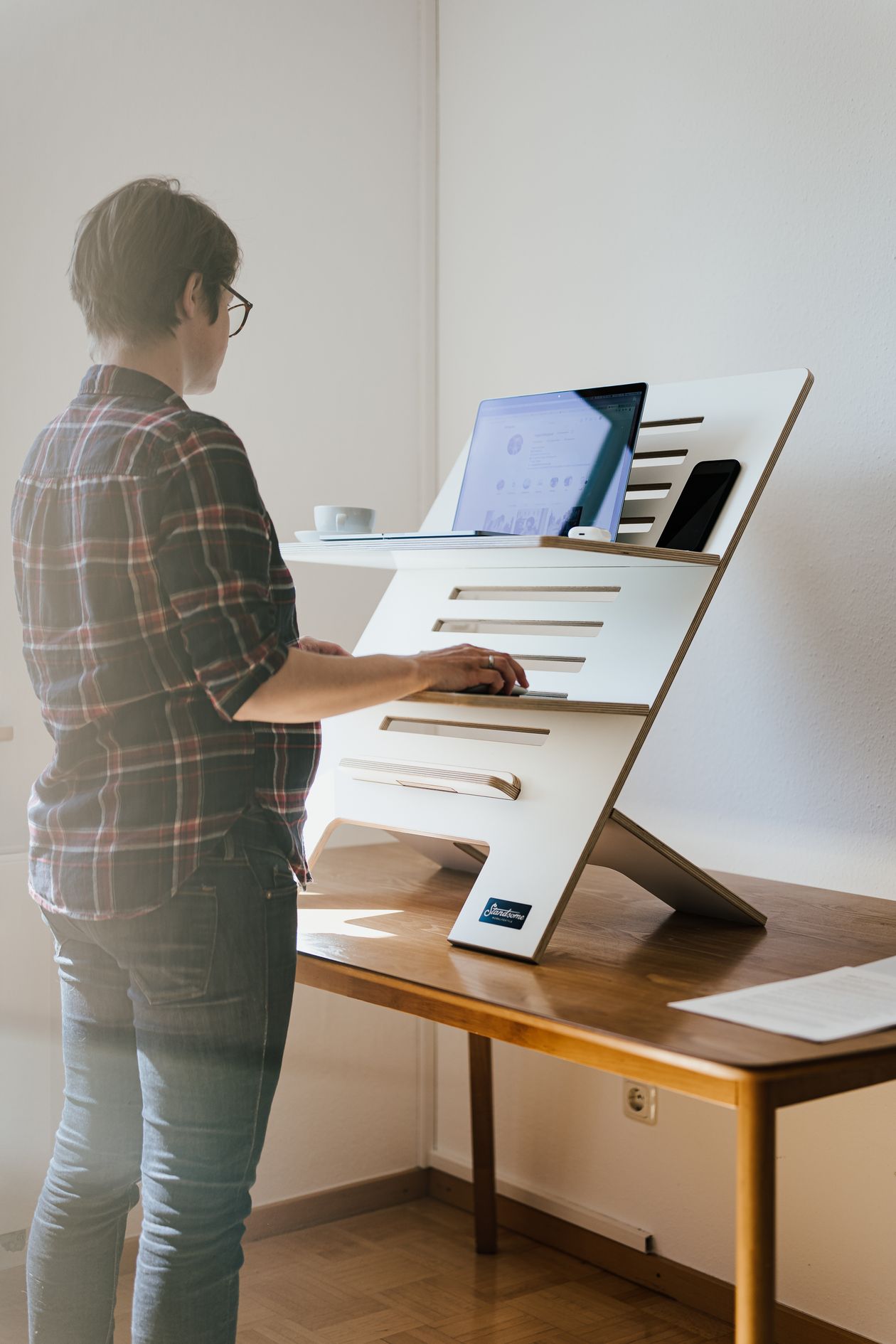
Standing Desks for Back Pain: Do They Actually Help?
Standing desks reduce back discomfort when used to alternate positions, not replace sitting with standing. This guide covers what the evidence shows, the problems with all-day standing, and specific guidance for different back conditions.
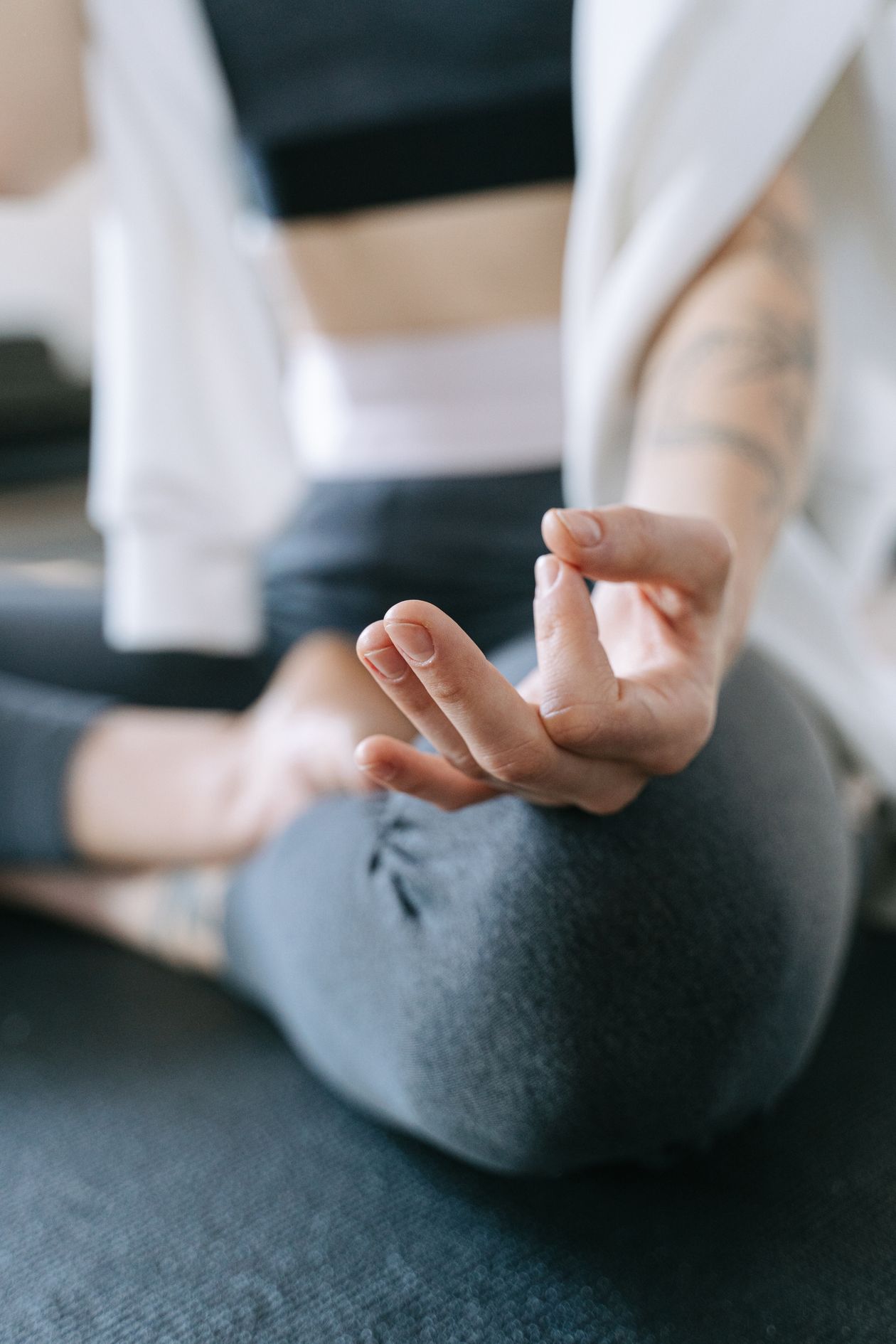
How Stress Affects Joint Pain: The Physiological Connection
Chronic stress worsens joint pain through measurable physiological pathways — elevated inflammatory cytokines, central sensitization, and sleep disruption. This guide covers the mechanisms and which stress reduction strategies produce real reductions in joint pain.
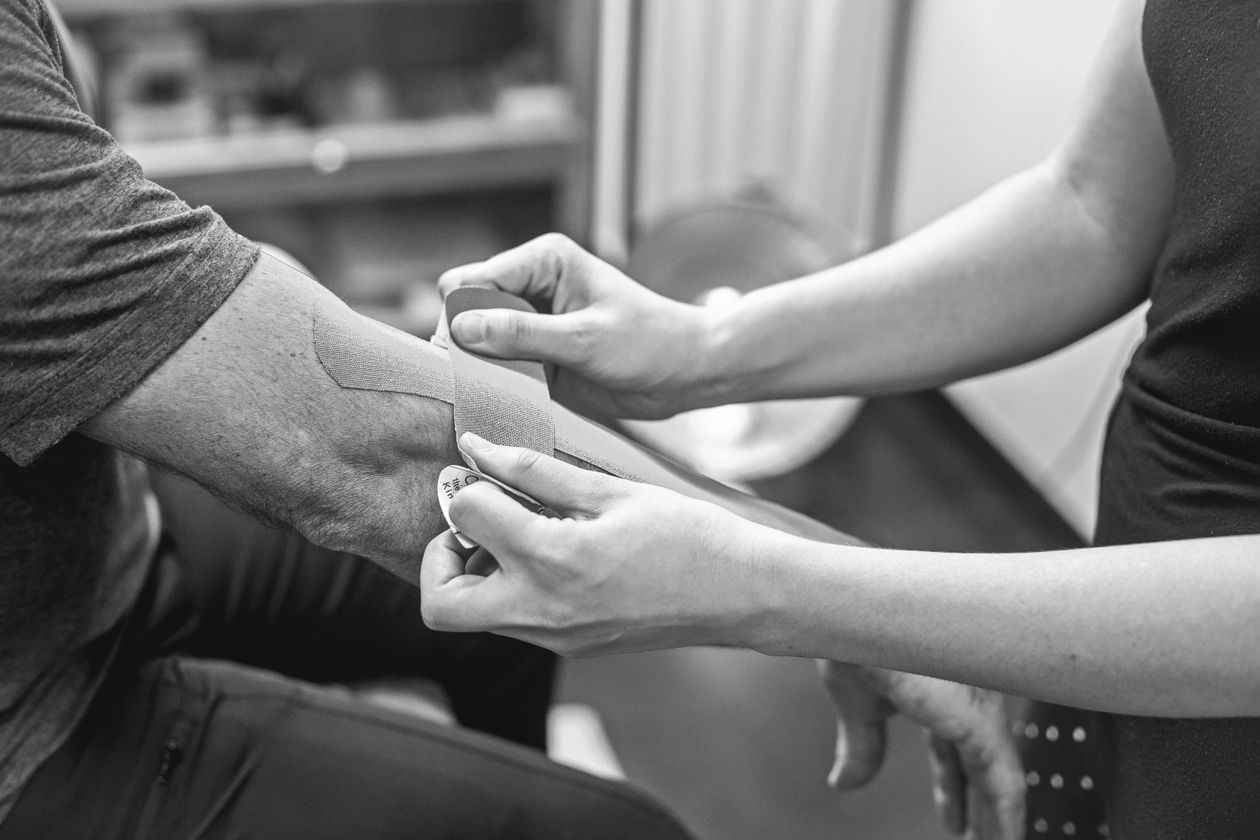
Tennis Elbow vs. Golfer’s Elbow: Causes, Differences, and Treatment
Tennis elbow and golfer's elbow are both elbow tendinopathies but affect opposite sides and require different exercises. This guide explains how to identify each, why they take so long to heal, and which treatments the evidence supports.
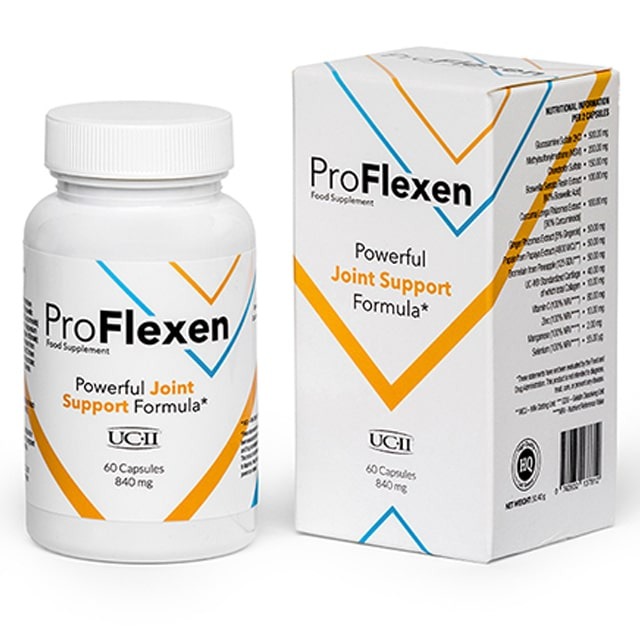
ProFlexen vs Flexomore: Which Joint Supplement Is Right for You After 40?
Affiliate Disclosure: VitalMove40 earns a commission from purchases made through affiliate links on this page, at no extra cost to ...
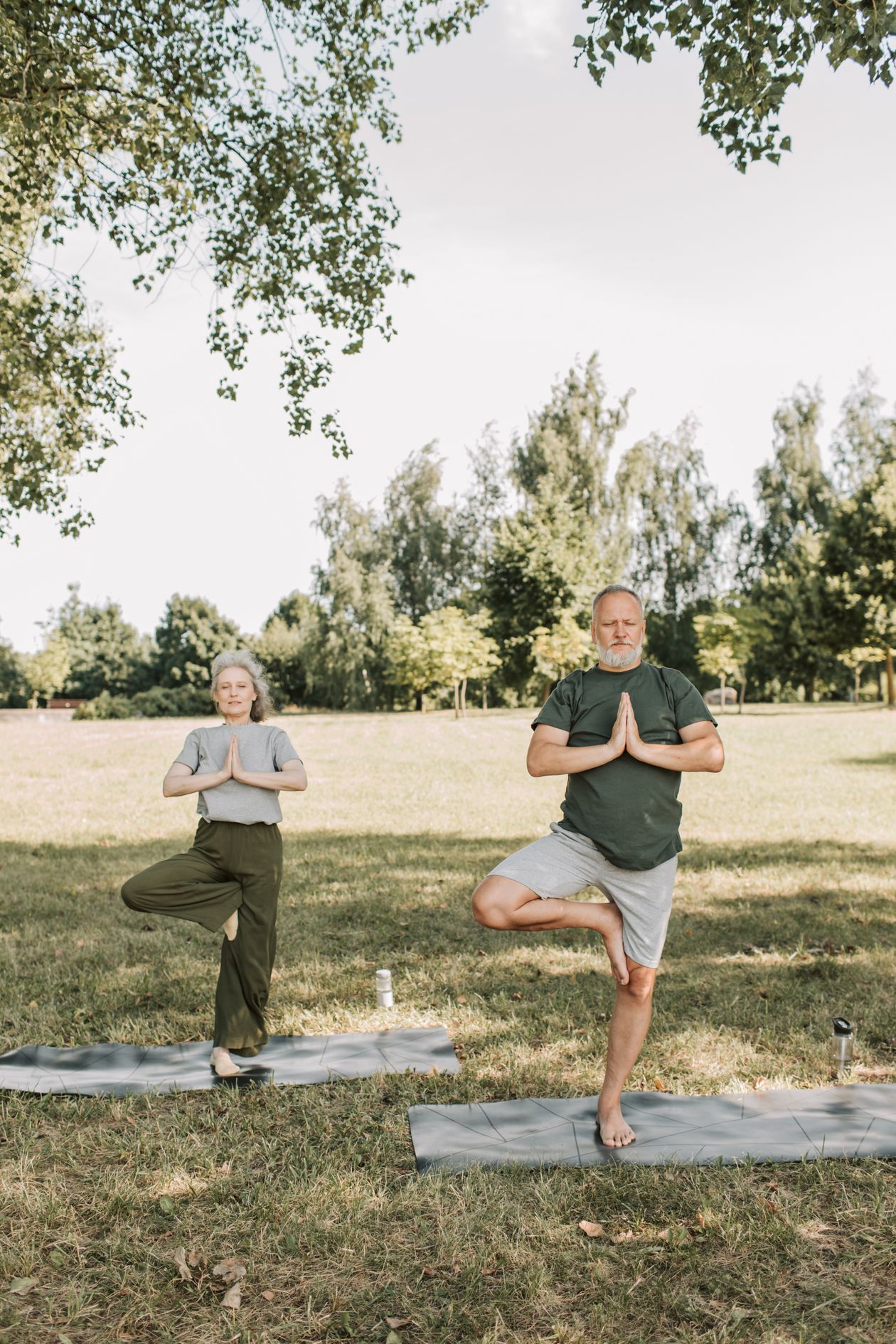
Balance Training After 40: Why It Matters and How to Start
Balance declines from age 40 but is highly trainable at any age — measurable improvements appear within 4-8 weeks. This guide covers the progression from supported to fully challenged exercises and the evidence behind the most effective activities.

Does Alcohol Affect Joint Pain and Inflammation?
Alcohol has a dose-dependent relationship with inflammation. Heavy drinking worsens joint conditions, especially gout. This guide covers the evidence for specific joint conditions, drug interactions, and practical guidance.
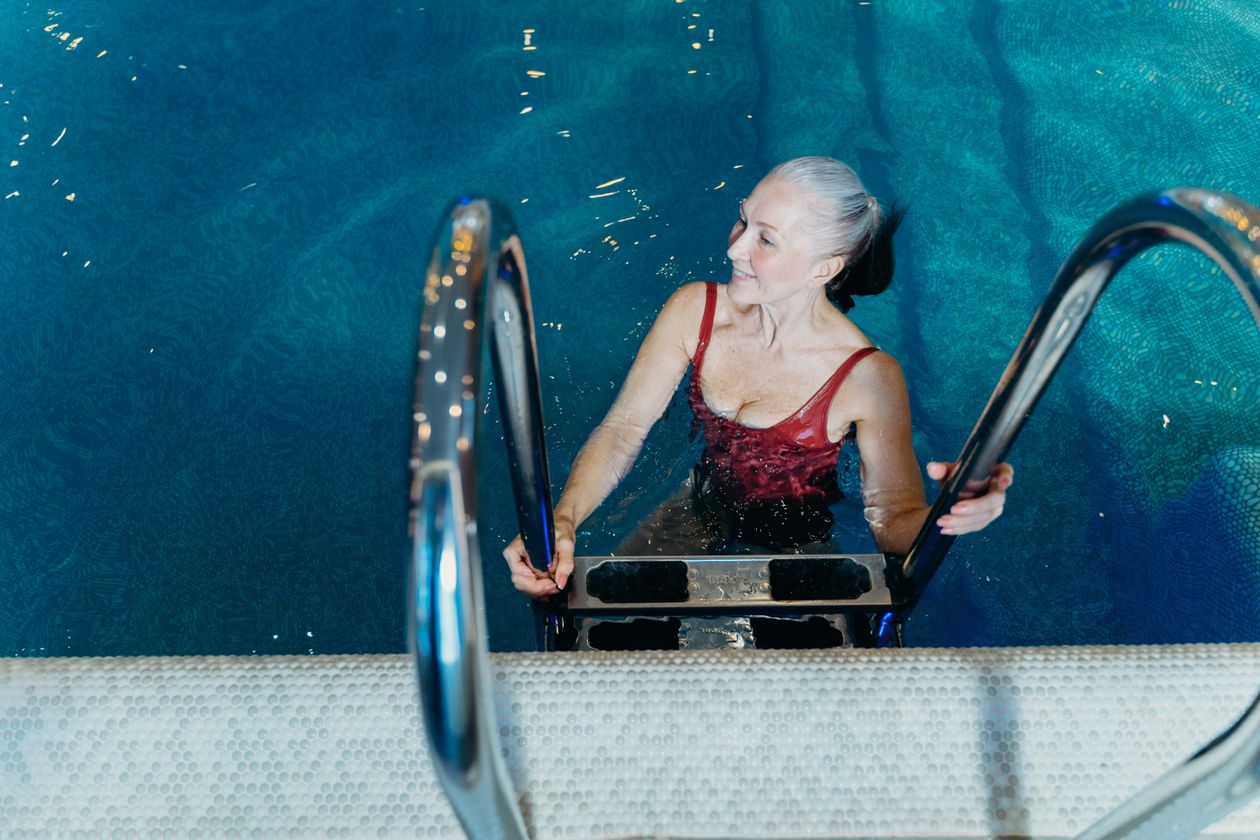
Swimming for Joint Health After 40: Benefits and How to Start
Swimming and aquatic exercise reduce joint loading by 50-90% while providing full-body cardiovascular and muscular conditioning. This guide covers the evidence for joint conditions, which strokes to choose, and how to start even without swimming experience.

Vitamin D and Joint Health: Why Deficiency Matters More After 40
Vitamin D deficiency is widespread after 40 and is associated with joint pain, muscle weakness, and fall risk — all correctable. This guide covers optimal blood levels, how to supplement effectively, and what the research shows for joint outcomes.
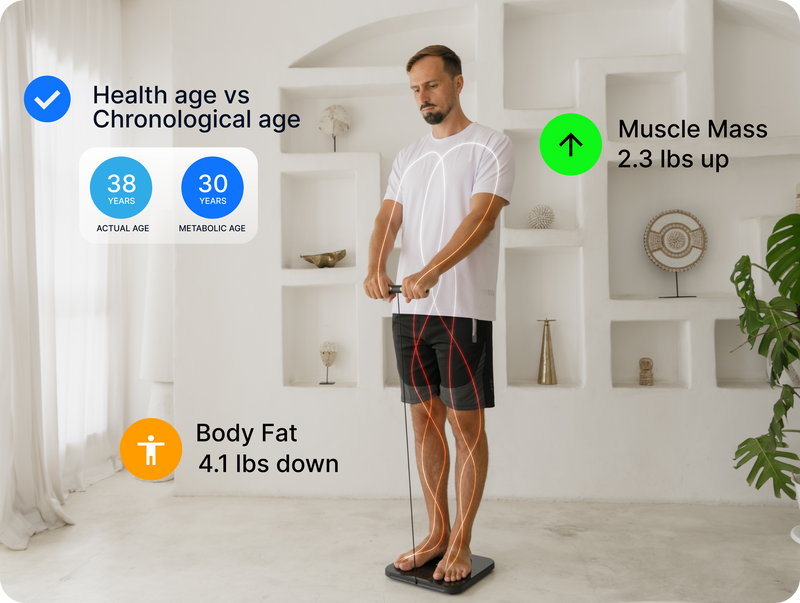
Body Composition After 40: Why Muscle Mass Matters More Than the Number on the Scale
Last updated: September 22, 2026 | By Richard Hale This content is for educational purposes only and is not medical ...