
Joint Pain in Your 50s: Why It Gets Worse and What Actually Helps
Joint pain that worsens in your 50s is largely driven by accelerating cartilage thinning, declining sex hormones (which had anti-inflammatory protective effects), slower tissue repair, and years of accumulated mechanical wear, but none of these mean pain is inevitable or untreatable. The decade from 50 to 60 is often the point where people notice a step change in joint symptoms, and it is also the decade where the right interventions make the greatest difference to long-term mobility and independence. Here is what is actually happening and what the evidence supports for managing it.
This content is educational and not medical advice. Joint pain that is new, severe, affects multiple joints simultaneously, or is accompanied by swelling, warmth, or systemic symptoms should be evaluated by a healthcare provider to rule out inflammatory arthritis, gout, or other conditions requiring specific medical treatment.
Table of Contents
- Why Joint Pain Typically Worsens in Your 50s
- Which Joints Are Most Affected and Why
- Osteoarthritis vs. Inflammatory Arthritis: Knowing the Difference
- What Actually Helps: Evidence-Based Options
- Supplements with Meaningful Evidence
- Support Devices for Daily Life
- The Lifestyle Factors That Matter Most
- Frequently Asked Questions
Why Joint Pain Typically Worsens in Your 50s
Several converging biological changes occur in the fifth and sixth decade of life that collectively reduce the joint’s ability to absorb load, repair minor damage, and regulate inflammation. None of these are dramatic single events, they are gradual shifts that accumulate until the joint’s adaptive capacity is exceeded.
Cartilage Thinning Accelerates
Articular cartilage has been thinning slowly since the mid-30s as the balance between cartilage synthesis (by chondrocytes) and degradation (by matrix metalloproteinases) gradually shifts toward net loss. By the 50s, cumulative decades of load, particularly in high-BMI individuals or those who have had joint injuries, begin to produce clinically apparent changes: reduced joint space on X-ray, stiffness that lingers longer in the morning, and pain with activities that were previously comfortable.
Declining Sex Hormones
Estrogen has meaningful anti-inflammatory and cartilage-protective effects. The sharp decline in estrogen during menopause (typically occurring between 45–55 years of age) removes a significant protective mechanism for joints. Many women notice a clear step-change in joint symptoms around the time of menopause, often in the hands, knees, and hips. Men’s testosterone decline is more gradual (andropause), but it has parallel effects on muscle mass and the body’s inflammatory set point.
Slower Tissue Repair
Growth hormone and insulin-like growth factor (IGF-1), both of which drive tissue repair and muscle protein synthesis, decline significantly in the 50s. The result: minor joint irritations that would have resolved in days at 35 may persist for weeks. This slower repair rate also means that overuse injuries accumulate rather than recovering fully between bouts of activity.
Synovial Fluid Changes
The concentration and molecular weight of hyaluronic acid in synovial fluid decrease with age, reducing the fluid’s viscosity and shock-absorbing capacity. Joint surfaces experience more direct contact and impact transmission as a result, contributing to the “bone-on-bone” sensation some people describe even before imaging confirms significant cartilage loss.
Muscle Mass Decline (Sarcopenia)
Loss of muscle mass (sarcopenia) accelerates after 50, with adults losing approximately 1–2% of muscle mass per year without active resistance training to counter it. Muscles are the joint’s primary shock absorbers and stabilizers, when muscle mass declines, more impact force transmits directly to the joint. This is why people who maintain or build muscle strength in their 50s consistently report better joint function than peers of the same age who do not.
Which Joints Are Most Affected and Why
Joint pain in the 50s is not random, it tends to cluster in high-load, high-use joints that have accumulated the most mechanical wear:
- Knees: the most common site of osteoarthritis in adults over 50. The medial (inner) compartment of the knee absorbs the most load during normal walking and is typically affected first. Morning stiffness, pain on stairs, and end-of-day aching in the knees are the most common presenting complaints.
- Hips: the second most common large-joint OA site. Hip OA often presents as groin pain (not side or back pain, which may be referred from the lumbar spine instead) and loss of internal rotation range.
- Hands and fingers: distal interphalangeal joints (DIP, the joints closest to the fingertips) commonly develop Heberden’s nodes (bony outgrowths) in women after menopause. Also PIP joints (middle knuckles). This type of OA has a strong genetic component.
- Lumbar spine: facet joint degeneration and disc space narrowing are nearly universal on imaging after 50, though symptoms vary widely and many people with significant imaging changes have little functional limitation.
- Shoulders: rotator cuff pathology (not strictly OA but often presenting as joint pain) becomes more common, often triggered by years of overhead or repetitive shoulder use.
Osteoarthritis vs. Inflammatory Arthritis: Knowing the Difference
The most important distinction in joint pain management is whether the pain is mechanical (osteoarthritis) or inflammatory (rheumatoid arthritis, psoriatic arthritis, gout, pseudogout). These have very different causes and require different treatments, self-management approaches appropriate for OA are inadequate for active inflammatory arthritis.
| Feature | Osteoarthritis | Inflammatory Arthritis |
|---|---|---|
| Morning stiffness | Short (<30 minutes) | Prolonged (>1 hour, often 2–3 hours) |
| Pattern of pain | Worse with activity, better with rest | Worse at rest, improves with movement |
| Joints affected | Typically asymmetric, high-load joints | Often symmetric, including small hand joints |
| Swelling | Bony (hard swelling at joint); fluid infrequent | Soft, warm, tender swelling; fluid common |
| Systemic symptoms | Absent | Fatigue, fever, weight loss may be present |
| Blood markers | Normal CRP, ESR; no RF or anti-CCP | Elevated CRP, ESR; RF and anti-CCP positive in RA |
If your pattern aligns with the inflammatory column above, see a rheumatologist. Inflammatory arthritis left untreated causes joint damage that is preventable with modern disease-modifying medications, the self-management strategies below are not adequate for active inflammatory disease.
What Actually Helps: Evidence-Based Options
Exercise, the Most Important Single Intervention
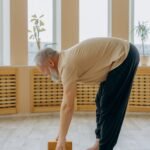
For OA specifically, exercise has the most consistent and durable evidence of any intervention. The primary mechanism: stronger muscles reduce the compressive load on joints with every step and protect the joint from impact forces that the cartilage can no longer buffer as effectively. Both aerobic exercise and resistance training have evidence for pain reduction and functional improvement in knee and hip OA.
The target for adults in their 50s: 150 minutes of moderate aerobic activity per week (walking, swimming, cycling) plus resistance training 2–3 times per week targeting the major muscle groups of the lower body. Even modest starting points (20-minute walks and two brief strengthening sessions weekly) produce measurable benefits within 6–8 weeks. See the knee strengthening guide for a specific program.
Weight Management
Each pound of body weight creates approximately 3–4 pounds of force on the knee during walking and 7–8 pounds during stair descent. A 10-pound weight reduction reduces peak knee compressive load by 30–40 pounds with every step. For adults with knee OA, weight management is one of the most impactful mechanical interventions available, and it is entirely complementary to all other strategies.
Physical Therapy
A course of physical therapy focused on movement pattern correction, joint-specific strengthening, and manual therapy where appropriate is often more effective than medication alone for OA pain. PT also teaches self-management skills that continue to provide benefit after the supervised sessions end. Most orthopedic and rheumatology guidelines recommend PT as first-line treatment for knee and hip OA before considering surgical options.
Supplements with Meaningful Evidence
For adults in their 50s managing OA, the supplement evidence has become considerably clearer in the last decade. What has meaningful clinical support:
- UC-II collagen at 40mg/day: reduces pain and improves function in knee OA over 90–180 days. The strongest specific evidence for cartilage-related joint pain. See the complete collagen guide.
- Hyaluronic acid (low molecular weight) at 80–200mg/day: improves synovial fluid quality and reduces morning stiffness and activity pain. See the hyaluronic acid guide.
- Omega-3 fatty acids (EPA + DHA) at 2–3g/day: reduces the inflammatory component of joint pain, reduces NSAID use. See the omega-3 and joint inflammation guide.
- Glucosamine sulfate at 1,500mg/day: modest but consistent evidence for knee OA symptom reduction, particularly in moderate-severity disease. Effect is stronger for glucosamine sulfate than hydrochloride.
- Curcumin (standardized turmeric extract) at 500–1,000mg/day: anti-inflammatory with an effect size comparable to ibuprofen in some trials, with a significantly better GI safety profile for long-term use.
- Boron and manganese: trace minerals involved in cartilage matrix synthesis. Found in small amounts in some combination joint formulas alongside UC-II and HA. Evidence is less robust individually but they are safe and potentially contributory at low doses.
Supplements work best as part of a combined strategy rather than as standalone solutions. A multi-ingredient joint supplement can address several mechanisms simultaneously. The Golden Tree Active Move supplement combines UC-II collagen, hyaluronic acid, boron, and manganese in a single formula, one example of a multi-mechanism approach relevant to adults in their 50s managing early-to-moderate OA. For a glucosamine-based blend, our JointReliveX review shows how to check whether a combination product’s supporting ingredients are dosed to matter.
Support Devices for Daily Life
For adults in their 50s with increasing knee or hip discomfort, the right support tools can reduce daily pain during the months it takes to see full benefit from strengthening and supplementation:
- Compression sleeves for knee pain: particularly useful for mild-to-moderate arthritis and patellofemoral pain. The RelievCore sleeve and the Dr. Flexa brace address different severity levels, the guide to sleeve vs brace explains when each is appropriate.
- Orthopedic insoles: for people with knee pain associated with overpronation, insoles can correct the foot mechanics that contribute to medial knee stress. The EvoStep insoles are an OTC option that works across different footwear types.
- Topical anti-inflammatory creams: for localized joint pain, topical NSAIDs (like diclofenac gel) and herbal preparations have reasonable evidence for local pain reduction with fewer systemic effects than oral NSAIDs. The Arthrovit cream is a topical option with an herbal formulation.
The Lifestyle Factors That Matter Most
Beyond targeted interventions, several lifestyle factors have an outsized influence on joint health in the 50s:
Sleep quality: deep sleep is when growth hormone secretion peaks and when tissue repair is most active. Chronic poor sleep reduces the body’s inflammatory regulation capacity and has been associated with higher pain sensitivity. Prioritizing sleep quality (not just quantity) is a meaningful component of joint pain management at this age.
Protein intake: muscle protein synthesis requires adequate dietary protein as a substrate. Current evidence suggests adults over 50 need approximately 1.2–1.6 grams of protein per kilogram of body weight per day to maintain muscle mass, significantly more than the 0.8g/kg RDA, which was established for younger adults. Distributed across 3–4 meals provides better muscle synthesis than the same total consumed in one or two meals.
Hydration: synovial fluid is water-based, and chronic mild dehydration reduces its volume and viscosity. Adequate hydration is not a substitute for HA supplementation in advanced OA, but it is a simple, zero-cost factor that supports baseline joint lubrication.
Stress management: chronic psychological stress elevates circulating cortisol and inflammatory markers (IL-6, TNF-alpha), which directly amplifies joint pain and reduces tissue repair efficiency. Mind-body practices (yoga, meditation, progressive relaxation) have meaningful but often overlooked evidence for chronic pain reduction, including joint pain.
Frequently Asked Questions
Is joint pain in your 50s normal?
Joint discomfort is common in the 50s, surveys suggest 50–60% of adults report meaningful joint pain by age 55. Common does not mean inevitable or unmanageable. The underlying biology (cartilage thinning, hormone changes, muscle loss) is normal aging, but how much pain results depends heavily on modifiable factors: fitness level, body weight, activity type, and whether joint-supportive interventions are used.
What is the best supplement for joint pain in your 50s?
The evidence is strongest for UC-II collagen (40mg/day for cartilage), low-molecular-weight hyaluronic acid (80–200mg/day for lubrication), and omega-3 fatty acids (2–3g EPA+DHA/day for inflammation). Glucosamine sulfate and curcumin also have meaningful supporting evidence. These target different mechanisms, and combining them addresses joint health more broadly than any single supplement alone.
Should I stop exercising if my joints hurt?
Generally, no. Complete rest leads to muscle atrophy, which removes the joint’s primary shock-absorbing protection and typically worsens pain over time. The goal is to modify exercise to avoid the specific activities that cause sharp or significantly aggravated pain, while continuing activities that maintain fitness and muscle strength within tolerable pain levels. Swimming, cycling, and walking are often well-tolerated even when higher-impact activities are not.
How much joint pain is too much to exercise through?
A practical guideline from sports medicine: pain during exercise that stays at or below 4 out of 10 on a pain scale and returns to baseline (your normal level, not zero) within 24 hours after the session is within an acceptable training tolerance. Pain above 5/10 during exercise, or pain that is significantly worse than baseline for more than 24–48 hours after, indicates you have exceeded current tolerance and need to reduce load, not push through.
When should I see a doctor about joint pain in my 50s?
See a doctor promptly if: pain came on suddenly without clear cause; a joint is noticeably swollen, warm, and tender (suggesting inflammation or infection); you have pain in multiple joints simultaneously, especially with fatigue or fever; joint pain is accompanied by skin changes (rash, psoriasis); you have a known history of gout or pseudogout and are having a flare. For gradually developing, activity-related pain in a single joint (particularly the knee or hip) without systemic symptoms, a trial of self-management for 4–6 weeks is reasonable before seeking evaluation, but if there is no improvement, assessment is warranted to confirm the diagnosis and rule out conditions requiring specific treatment.
About the Author: Richard Hale is a health and wellness writer focused on mobility, joint health, and active aging for adults 40 and beyond. He covers research-backed approaches to staying capable and independent as the body changes over time.