Last updated: September 10, 2026 | By Richard Hale
Home body composition devices land within roughly 3 to 5 percent of a DEXA scan for body fat percentage when you measure under consistent conditions. Multi-frequency segmental devices are tighter, around 3 to 4 percent; cheap foot-only smart scales are looser, often 5 to 8 percent or more. That gap sounds large, but it matters far less than most people think, because the home device’s real strength is repeatability, not a single accurate number.
This guide explains what DEXA actually measures, how close each home method gets, why “within 4 percent” is still useful, and how to get the most reliable trend from whatever tool you own.
What a DEXA Scan Measures, and Why It Is the Benchmark
A DEXA (or DXA) scan uses two low-dose X-ray beams to separate the body into fat mass, lean soft tissue, and bone mineral, region by region. It takes about 10 minutes on a table, involves a very small radiation dose, and costs roughly $40 to $150 per scan in the US at a sports medicine clinic or imaging center.
It is the reference standard that every home device is measured against, but it is not perfect. Test-to-test variation on the same person is usually around 1 to 2 percent for body fat, and different machines and software versions can disagree with each other. So even DEXA is best used as a series of measurements on the same scanner over time, not a single absolute truth.
How Home Methods Compare to DEXA
Multi-frequency segmental BIA (hand-to-foot scales)
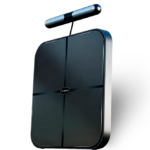
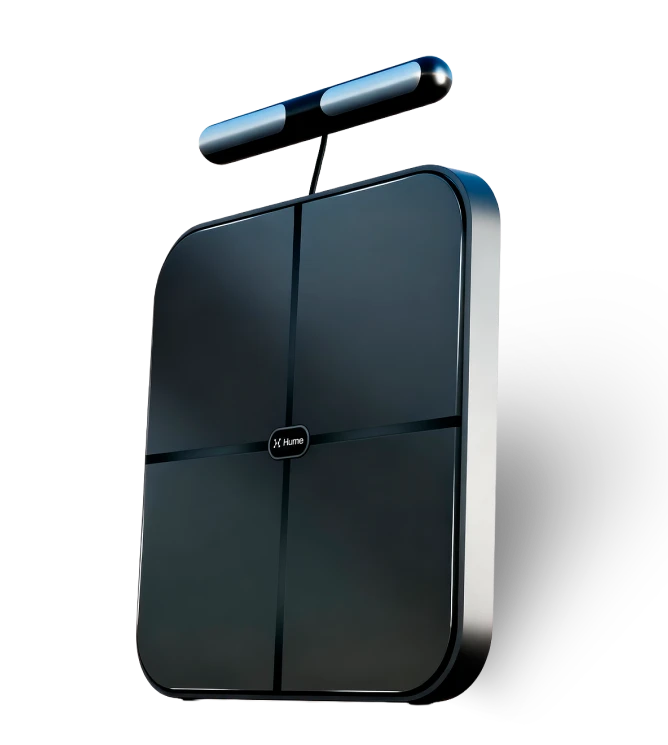
These devices, which you stand on while holding handle electrodes, send current through the arms, torso, and legs at several frequencies. In controlled conditions they typically land within about 3 to 4 percent of DEXA for body fat. A 2024 study in Frontiers in Nutrition found a multi-frequency BIA device read body fat roughly 4 percent lower than DXA on average, but with near-perfect test-retest reliability, meaning it was highly consistent from one reading to the next even where the absolute number was off. That combination, a predictable offset plus tight repeatability, is exactly what makes it useful for tracking change.
Single-frequency foot-only smart scales
Budget bathroom scales with only four foot electrodes measure through the lower body and estimate the rest. Agreement with DEXA is looser, commonly 5 to 8 percent or worse, and the error can be systematic for people with more muscular legs or an upper-body-dominant build. They still track direction over time if conditions are held constant, just with more noise.
Skinfold calipers
A trained tester pinching skinfolds at set sites can get within about 3 to 5 percent of DEXA. The catch is operator skill: results vary a lot between testers, and self-measurement on hard-to-reach sites is unreliable. Consistency comes from the same person measuring the same sites each time.
Tape measurements
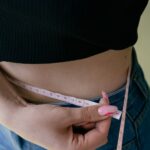
Circumference-based formulas, such as the US Navy method using neck, waist, and hip measurements, are rough, often 4 to 5 percent off DEXA, and blind to where fat actually sits. But they cost nothing, need no device, and are reasonably consistent if you measure the same way each time.
Air displacement (Bod Pod)
Available at some universities and sports labs, this method measures body volume in a sealed chamber and generally agrees with DEXA within about 2 to 3 percent. Like DEXA, it needs a facility and an appointment.
Agreement With DEXA at a Glance
| Method | Typical gap vs DEXA (body fat %) | Cost | Where |
|---|---|---|---|
| Multi-frequency segmental BIA | About 3–4% | One-time device purchase | Home |
| Foot-only smart scale | About 5–8%+ | Low | Home |
| Skinfold calipers (trained tester) | About 3–5% | Low, plus a skilled tester | Home or gym |
| Tape measurements (Navy method) | About 4–5% | Free | Home |
| Air displacement (Bod Pod) | About 2–3% | Per session | Lab or sports facility |
Figures are broad ranges from method-comparison research and vary with body type, hydration, and testing conditions.
Why “Within 4 Percent” Is Still Useful
Say your home device reads 25 percent body fat. If it is 4 percent off DEXA, your true value could be anywhere from about 21 to 29 percent. On its own, that is a wide window.
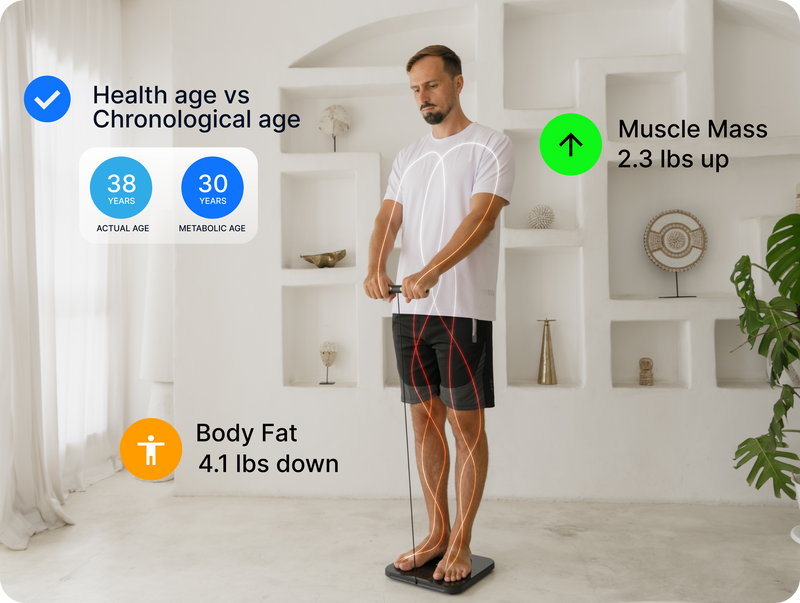
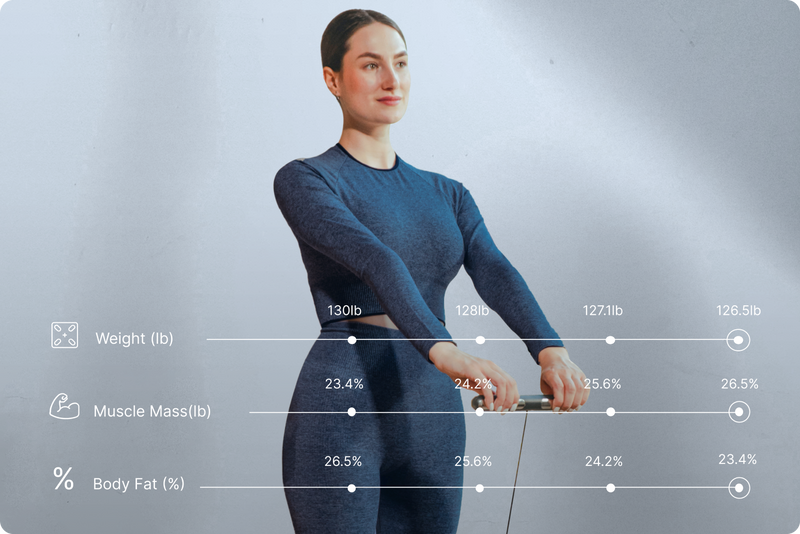
But the offset is largely consistent for a given person and device. So if the same scale, used the same way, reads 25 percent now and 22 percent three months later, that 3-point drop is real, even though neither number is DEXA-exact. This is the distinction that matters: home devices are weak at telling you your true body fat and strong at telling you which direction it is moving. For most goals after 40, direction is the useful information. For why these numbers matter at all, see our guide to body composition after 40.
What Throws Home Readings Off
Every home method except DEXA is sensitive to conditions, and BIA scales most of all because they infer composition from body water. The main disruptors:
- Hydration. Dehydration and overhydration both shift BIA readings by several percent.
- Food and alcohol. A recent meal or drinks the night before change body water and gut contents.
- Exercise. A workout in the hours before measurement alters fluid distribution and skin temperature.
- Time of day. Morning readings differ from evening readings on the same person.
- Skin temperature. A cold body raises impedance; a warm one lowers it.
- Menstrual cycle. Fluid retention across the cycle can move readings by a point or two.
Consistency is the single biggest accuracy lever you control: same time of day, same hydration state, before food and exercise, every time.
A Practical Approach After 40
Two sensible patterns, depending on how much precision you want:
- DEXA baseline plus home tracking. Get one DEXA scan to set an accurate starting point, then use a home device to follow the trend between occasional repeat scans, maybe once or twice a year. Best if you want both an accurate anchor and frequent feedback.
- Home tracking only. Skip DEXA and just watch your home device trend over months. For most people whose goal is “is my body fat going down and my muscle holding,” this is enough. The absolute number being a few points off does not change the decision you make from it.
A body fat number is one data point, not a verdict on your health. See our Hume Body Pod review and our comparison of the Hume Body Pod vs Withings Body Scan 2 vs InBody for home device options, and our guide to protein after 40 for one of the main levers that moves body composition in the right direction.
Frequently Asked Questions
How accurate are smart scales for body fat?
Multi-frequency segmental smart scales are usually within about 3 to 4 percent of a DEXA scan for body fat percentage under consistent conditions; cheaper foot-only scales are looser, often 5 to 8 percent or more. All of them are more reliable for tracking your own change over time than for giving a single true reading, because the error tends to be consistent for a given person and device.
Is a DEXA scan worth the money?
It is worth it if you want one accurate baseline, if you are an athlete or patient who needs regional detail, or if you want to calibrate what your home device is telling you. For someone whose goal is simply to see body fat trend down and muscle hold steady, a consistent home device does that job, and repeated DEXA scans at $40 to $150 each add cost without changing the decisions you make.
Why does my body fat percentage change every day?
Day-to-day changes on a home device are almost entirely hydration, food, alcohol, exercise, and measurement timing, not real fat or muscle change. Body composition shifts slowly over weeks. Measure under the same conditions each time and read the weekly or monthly trend rather than the daily number.
Can home devices track muscle gain accurately?
They can track the direction reasonably well. A consistent multi-frequency device used under the same conditions will show lean mass trending up over months if you are training and eating enough protein, even though the absolute kilogram figure may differ from DEXA. Expect meaningful change to take 8 to 12 weeks to rise above the measurement noise.
Which home method is closest to DEXA?
Air displacement (Bod Pod) is closest, within about 2 to 3 percent, but it needs a lab. Among true home options, a good multi-frequency segmental BIA device is the closest practical choice at roughly 3 to 4 percent, ahead of foot-only scales, self-measured calipers, and tape formulas.
About the Author
Richard Hale writes about mobility, recovery, and evidence-based wellness strategies for adults over 40 at VitalMove40. He is an independent health writer, not a licensed medical professional. Content is educational and not a substitute for advice from a qualified healthcare provider.