Last updated: September 12, 2026 | By Richard Hale
To measure body composition at home, pick one method you can repeat exactly, measure under identical conditions each time, and track the trend over weeks rather than reacting to single readings. The four realistic options are a bioelectrical impedance (BIA) smart scale, skinfold calipers, tape measurements, and an occasional DEXA or gym scan. For most adults over 40, a multi-frequency BIA scale for the trend plus a tape measure for a free cross-check covers it.
This guide walks through each method step by step, then gives you a simple first-month protocol.
First, Decide What You Actually Want to Know
Most people over 40 only need to answer one question: is my body fat trending down and is my muscle mass holding or increasing? You do not need regional breakdowns or a lab-grade number for that. If your goal is more specific, such as tracking muscle loss during weight loss or monitoring a medical condition, you may want a periodic DEXA scan on top of home tracking. Match the method to the question before you spend money.
Method 1: BIA Smart Scale
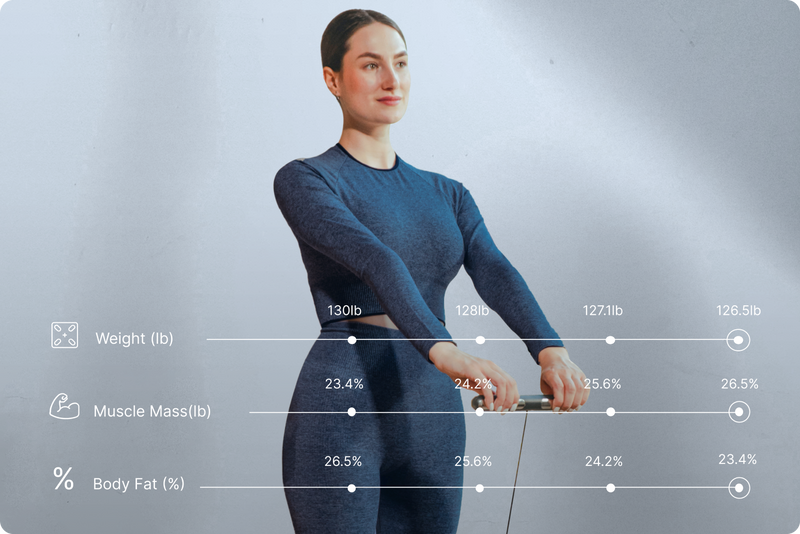
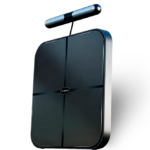
A BIA scale sends a small current through the body and estimates fat, muscle, and water from the resistance. It is the lowest-effort home method and the best for frequent tracking.
- Choose the right type. A multi-frequency segmental scale, where you hold handle electrodes as well as standing on foot plates, is more accurate than a foot-only scale because it includes the upper body. If budget allows, get the segmental type.
- Set up your profile in the app: age, height, sex, and activity level. Wrong entries here skew every reading.
- Measure at a consistent time: first thing in the morning, after using the bathroom, before eating or drinking, and before exercise. Bare feet, dry skin.
- Pick a fixed cadence: once or twice a week, ideally the same day each week.
- Read the 7-day and 30-day trend in the app, not the single reading. The daily number is noisy; the line is the information.
For device options, see our Hume Body Pod review and our comparison of the Hume Body Pod vs Withings Body Scan 2 vs InBody.
Method 2: Skinfold Calipers
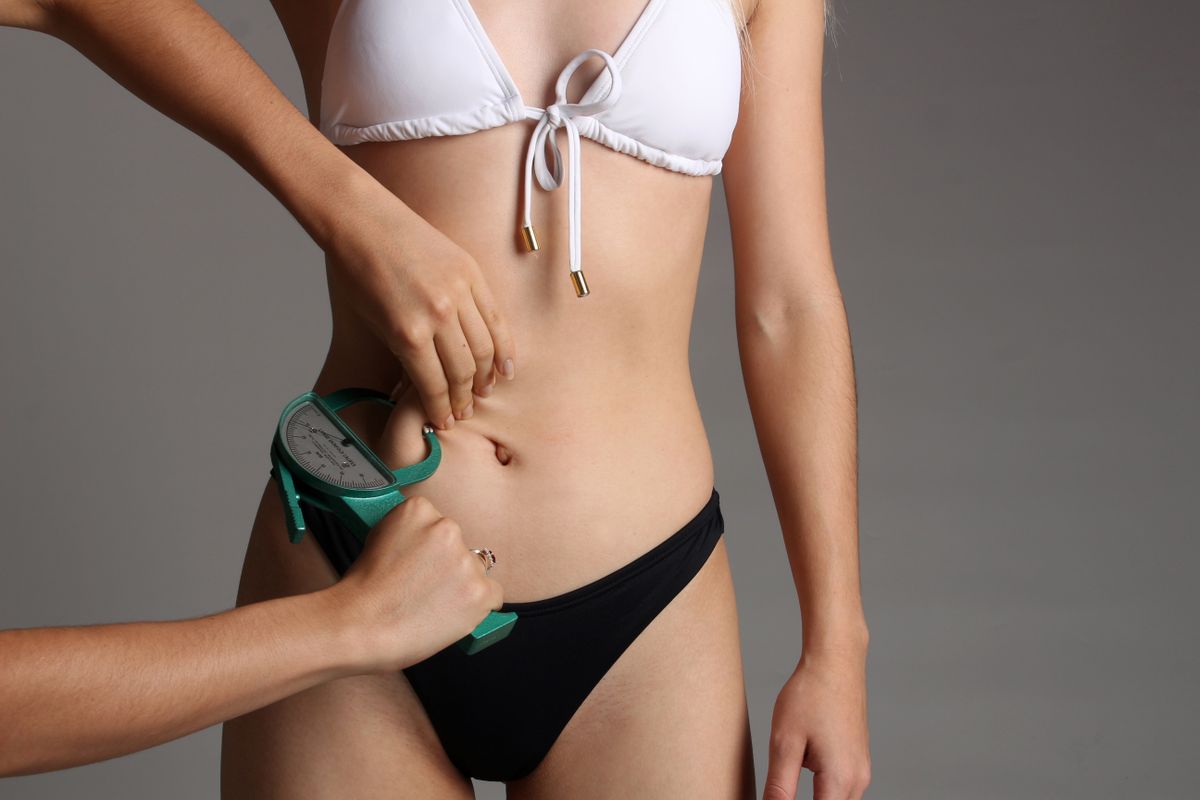
Calipers pinch a fold of skin and fat at set body sites, and a formula converts the millimeters into a body fat estimate. Done consistently, they track change well and cost very little. Done sloppily, they are useless.
- Get a usable caliper and, if you can, a trained tester (a gym trainer or partner). Self-measuring back and thigh sites is unreliable.
- Use a standard site set. A common 3-site protocol is chest, abdomen, and thigh for men, and triceps, suprailiac (just above the hip bone), and thigh for women. A 7-site version adds more points for a slightly better estimate.
- Mark the sites with a pen the first time so the same spot is used every session. Always measure the right side of the body.
- Pinch, place the caliper, read within about two seconds, and take two or three measurements per site, then average them.
- Enter the values into a Jackson-Pollock calculator (widely available online) to get the body fat estimate.
- Repeat monthly, same tester, same time of day.
Method 3: Tape Measurements
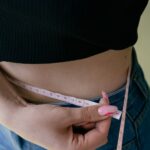
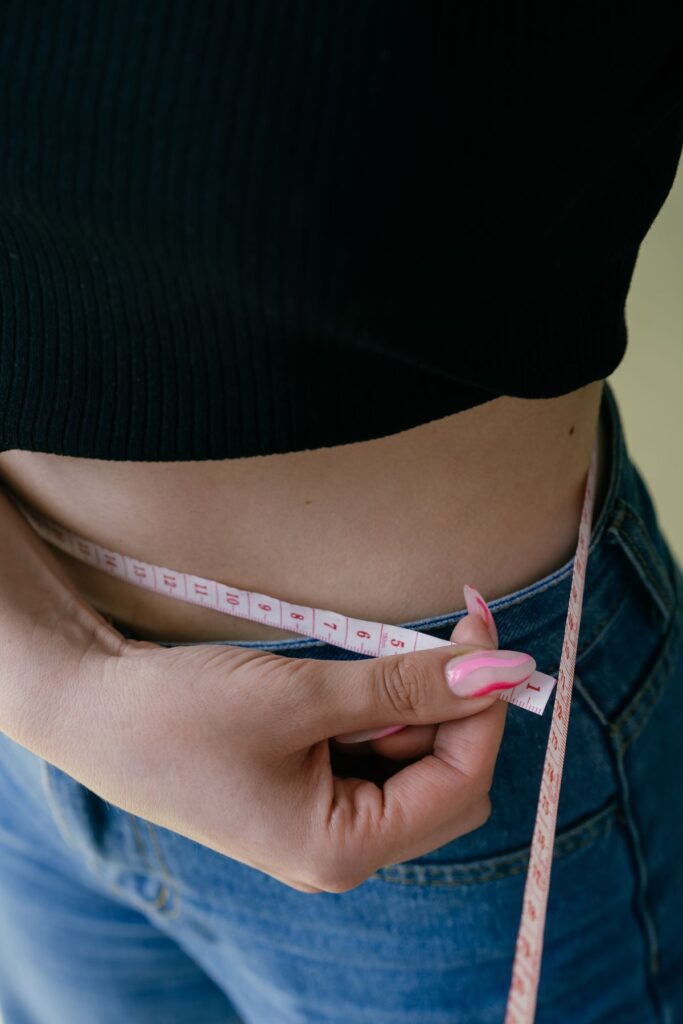
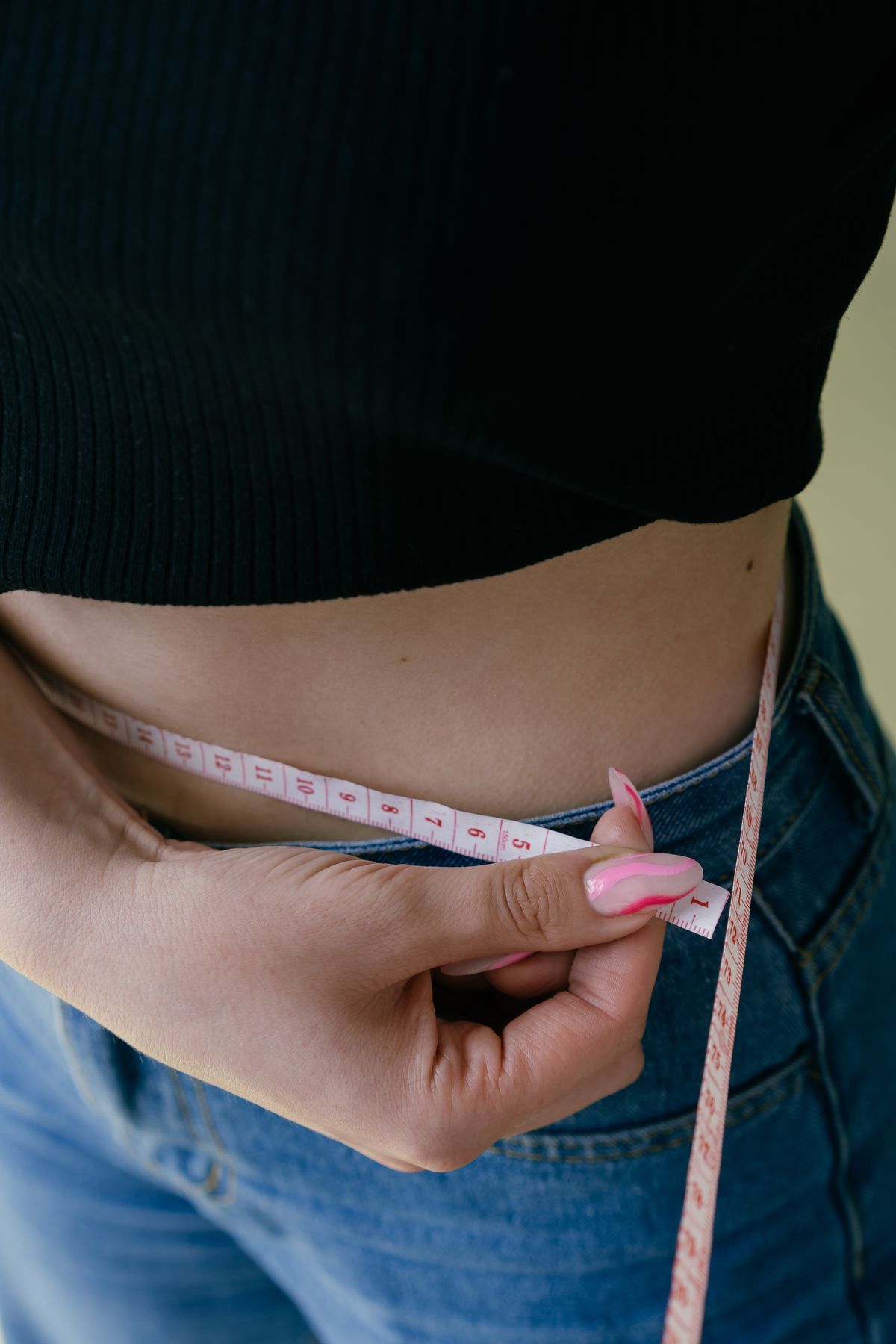
Circumference methods are free, need no device beyond a cloth tape, and are surprisingly consistent. The US Navy method is the most common.
- Measure in the morning, relaxed, not holding your breath or sucking in. Tape snug against the skin but not compressing it.
- Men: measure neck (below the larynx) and waist (at the navel). Women: measure neck, waist (at the narrowest point), and hips (at the widest point). Record your height too.
- Enter the numbers into a Navy body fat calculator for the estimate.
- Also track waist circumference on its own. It is a strong, simple health marker regardless of body fat percentage, and a falling waist measurement is meaningful even if the calculated percentage is rough.
- Repeat every one to two weeks.
Method 4: DEXA or a Gym Scan
A DEXA scan is the reference standard: a 10-minute low-dose X-ray that separates fat, lean tissue, and bone by region. Use it as an occasional anchor, not a routine measurement.
- Book at a sports medicine clinic or imaging center. Cost is roughly $40 to $150 per scan in the US.
- Prepare: arrive fasted or lightly fed, well hydrated but not overhydrated, no exercise that day, light clothing with no metal.
- Repeat once or twice a year on the same machine if possible, since different scanners disagree slightly.
- Cheaper alternatives: many gyms have an InBody kiosk (a standing BIA unit) or a Bod Pod (air displacement chamber). Both are quicker and less expensive than DEXA, with Bod Pod being the closer match to it.
For how much these methods actually differ from each other, see our guide to home body composition devices vs a DEXA scan.
Your First Month: A Simple Protocol
- Week 1, set the baseline. Take a BIA reading on three separate mornings and average them. Do one full tape measurement. Take a few progress photos in the same lighting and pose.
- Weeks 2 to 4, track. BIA once or twice a week under identical conditions. Tape measurement every two weeks. Do not change the method or the timing.
- End of month, review. Compare the trend lines, not individual readings. A change of one to two points in body fat or half a kilogram of lean mass over a month, moving consistently, is a real signal. Anything smaller is likely noise.
Common Mistakes
- Mixing devices. Two scales, or a scale one week and calipers the next, cannot be compared. Pick one primary method and stick with it.
- Changing the measurement time. Morning one week, evening the next, makes the trend meaningless.
- Reacting to a single reading. Body composition moves over weeks. One number up or down is not a trend.
- Chasing the absolute figure. Home methods are a few points off lab measurement. The direction is what you act on.
- Measuring after a workout, a salty meal, or alcohol. All three shift body water enough to distort the reading.
The number is only useful if it changes something you do. See our guide to body composition after 40 for what the metrics mean, and how weight loss affects joint health for one reason the fat-versus-muscle split matters after 40.
Frequently Asked Questions
What is the easiest way to measure body fat at home?
A multi-frequency BIA smart scale is the lowest-effort option: step on it under consistent morning conditions once or twice a week and read the trend in the app. Tape measurements are the cheapest, needing only a cloth tape and a Navy body fat calculator. Both track change well if you keep the conditions identical each time.
Do I need calipers if I have a smart scale?
No, one consistent method is enough. Calipers can be a useful free cross-check if you have a trained tester, but self-measured skinfolds are unreliable, and switching between methods makes your trend harder to read. If you have a good BIA scale, use that as your primary measure and add a tape measurement for a second data point.
How often should I measure body composition?
BIA once or twice a week, tape measurements every one to two weeks, calipers monthly, and DEXA once or twice a year. Body composition changes slowly, so more frequent measuring mostly adds noise rather than information. The exception is daily weight, which is fine to log as long as you read the weekly average.
What time of day should I measure body fat?
First thing in the morning, after using the bathroom, before eating, drinking, or exercising. Hydration and food are the biggest sources of day-to-day variation, and morning readings before either are the most consistent. Whatever time you choose, use the same one every session.
Can I measure muscle mass at home?
You can estimate the trend, not the exact figure. A multi-frequency BIA scale reports lean or skeletal muscle mass and will show it trending up over months if you are training and eating enough protein. The absolute kilogram value may differ from a DEXA scan, but the direction is reliable when you measure under consistent conditions.
About the Author
Richard Hale writes about mobility, recovery, and evidence-based wellness strategies for adults over 40 at VitalMove40. He is an independent health writer, not a licensed medical professional. Content is educational and not a substitute for advice from a qualified healthcare provider.