Last updated: July 14, 2026 | By Richard Hale
Ankle mobility is one of the most overlooked contributors to knee, hip, and back pain. The ankle is the foundation of every step you take, when it loses range of motion, the joints above it compensate, and that compensation creates stress in structures that were not designed for it. Improving ankle mobility frequently resolves pain that did not respond to knee or hip treatment alone.
This content is for educational purposes only and is not medical advice. If you have had ankle fractures, ligament surgery, or significant ankle arthritis, consult a physiotherapist before beginning ankle mobility work.
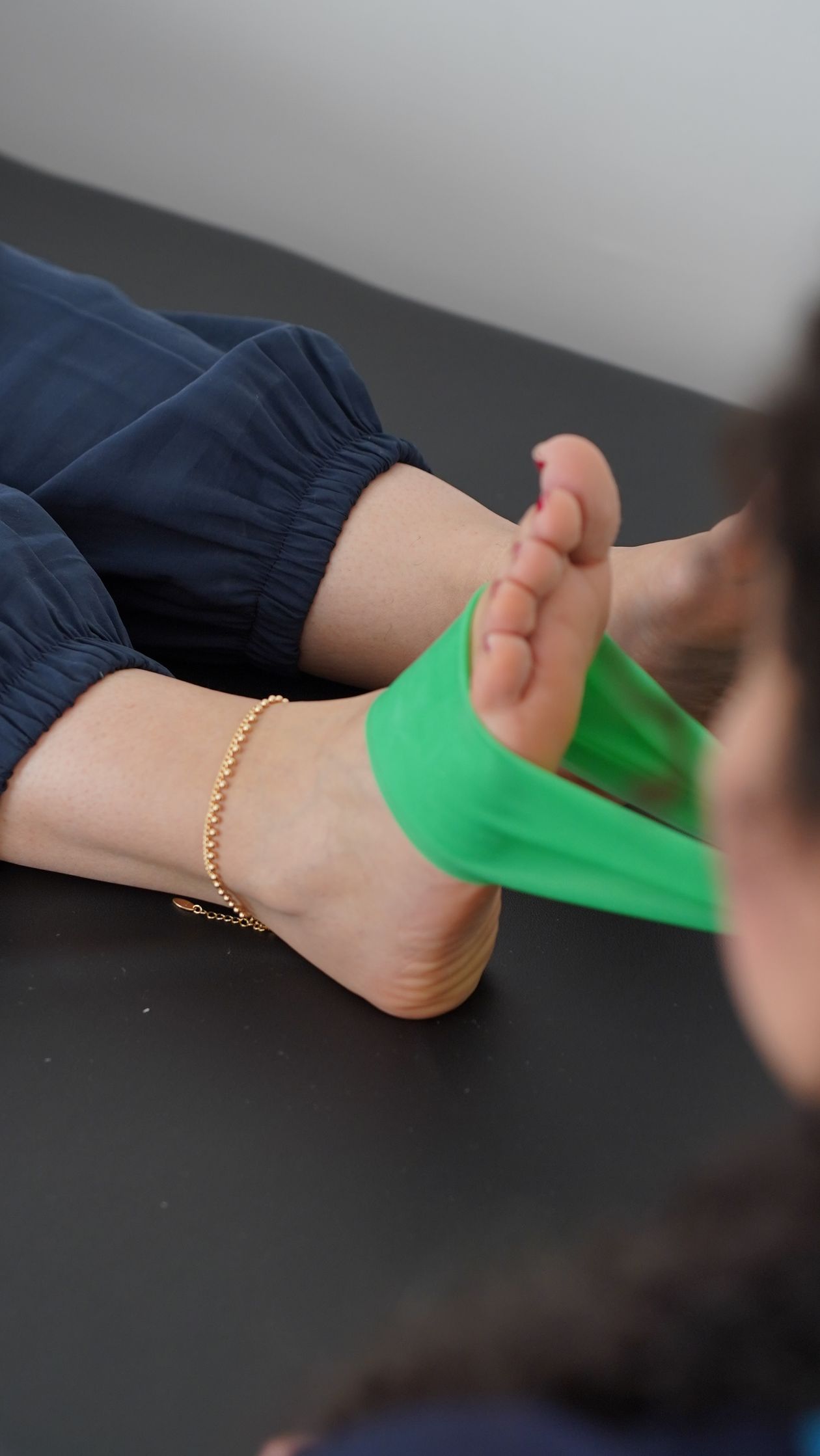
Table of Contents
- Why Ankle Mobility Matters for Your Whole Body
- Why Ankle Mobility Declines After 40
- How to Assess Your Ankle Mobility
- Best Exercises to Restore Ankle Mobility
- The Footwear Connection
- Frequently Asked Questions
Why Ankle Mobility Matters for Your Whole Body
When the ankle cannot dorsiflex adequately, that is, when the foot cannot flex upward sufficiently during the gait cycle, the body finds other ways to accomplish the movements that require ankle mobility. During a squat, lunge, or stair descent, restricted dorsiflexion causes the knee to track inward (valgus collapse), the hip to internally rotate, and the lower back to flex forward. Each of these compensations loads structures at the knee, hip, and lumbar spine in ways that accumulate to pain over time.
Research in Physical Therapy and Sports Medicine has linked restricted ankle dorsiflexion to patellofemoral pain, Achilles tendinopathy, plantar fasciitis, and low back pain, conditions that appear unrelated but share a common upstream cause.
Why Ankle Mobility Declines After 40
Several factors contribute to ankle stiffness after 40. The most common is years of wearing shoes with elevated heels, even a modest heel (8-12mm, standard in most athletic shoes) keeps the Achilles tendon and calf complex in a shortened position during all activity. Over years, the tendon adapts to this shortened length, reducing the available range for dorsiflexion when barefoot or in flat shoes.
Inactivity and reduced variation in surface type also play a role. Walking on flat floors and paved surfaces every day does not challenge ankle proprioception or mobilize the joint through its full range. Previous ankle sprains (extremely common, with incomplete rehabilitation) often leave scar tissue in the joint capsule that mechanically limits dorsiflexion. One study found that 40% of people with a history of ankle sprain had clinically significant dorsiflexion restrictions compared to their unaffected side.
How to Assess Your Ankle Mobility
The knee-to-wall test is the standard clinical measure of ankle dorsiflexion. Stand facing a wall, barefoot, with the front foot 10-12cm from the wall. Keeping your heel flat on the floor, drive your knee forward toward the wall. A minimum of 10-12cm of knee-to-wall distance indicates adequate dorsiflexion for most functional activities. Less than 10cm suggests restriction that warrants attention.
Test both ankles separately. A difference of more than 2-3cm between sides, or a result below 10cm on either side, is a relevant finding, particularly if you have any of the downstream pain patterns described above.
Best Exercises to Restore Ankle Mobility
Calf Stretch With Knee Bent (Soleus): stand facing a wall, step one foot back, and lower into a lunge with the back knee slightly bent (not locked straight). This targets the soleus, the deeper calf muscle that crosses the ankle but not the knee, which is often the primary limiting factor in dorsiflexion. Hold 45-60 seconds. Do not try to accomplish this with a straight-leg calf stretch, which misses the soleus.
Wall Ankle Mobilization: stand 5-10cm from the wall barefoot. Drive your knee forward toward the wall, keeping the heel flat. Hold 2 seconds at the end range, return, repeat 15-20 repetitions. This is a movement-based mobilization that addresses joint capsule stiffness, not just muscle length. A 2017 trial in the Journal of Orthopedic and Sports Physical Therapy found this drill produced measurable dorsiflexion gains after 4 weeks of daily practice.
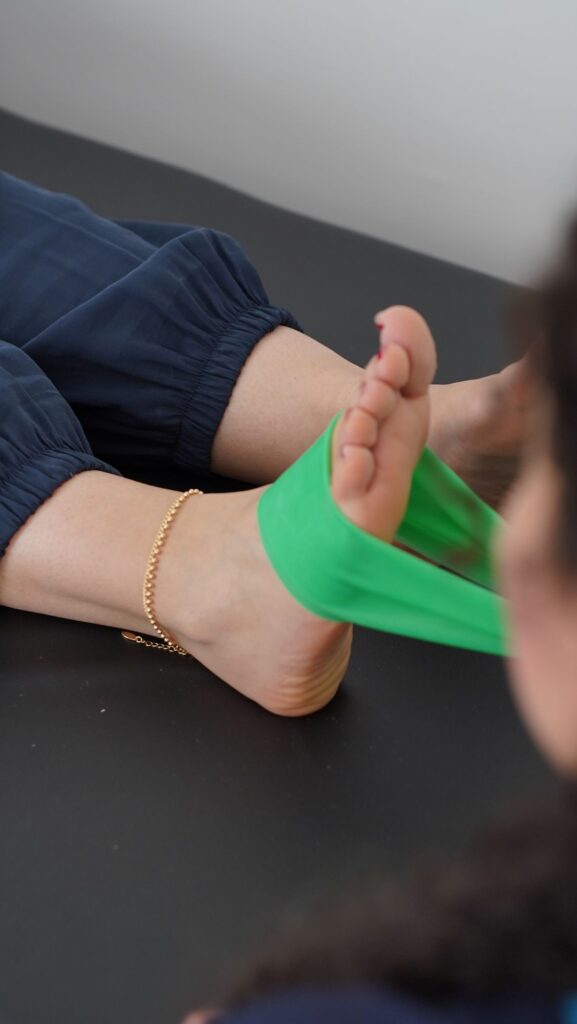
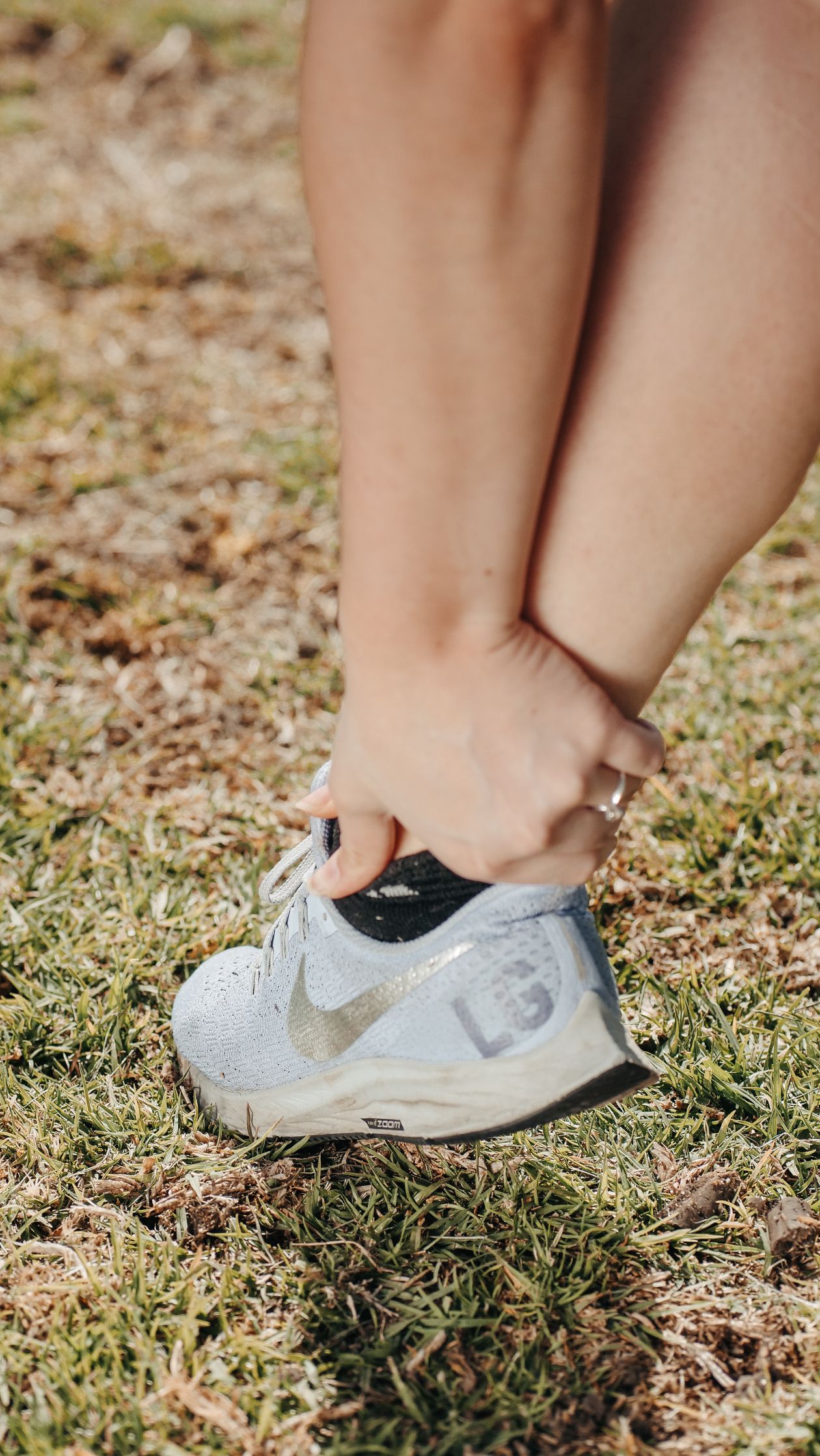
Ankle Circles: seated or standing with the foot off the floor, draw slow, full circles with the foot in both directions, 10-15 repetitions each way. This maintains joint lubrication and multi-planar range of motion. Simple but frequently neglected.
Single-Leg Calf Raise: stand on one foot on a flat surface or the edge of a step, raise up onto the ball of the foot, and lower slowly through the full range (allowing the heel to drop below the step edge if using a step). The lowering phase (eccentric contraction) is where most of the therapeutic benefit for Achilles and calf tissue health occurs. Three sets of 15 repetitions per side.
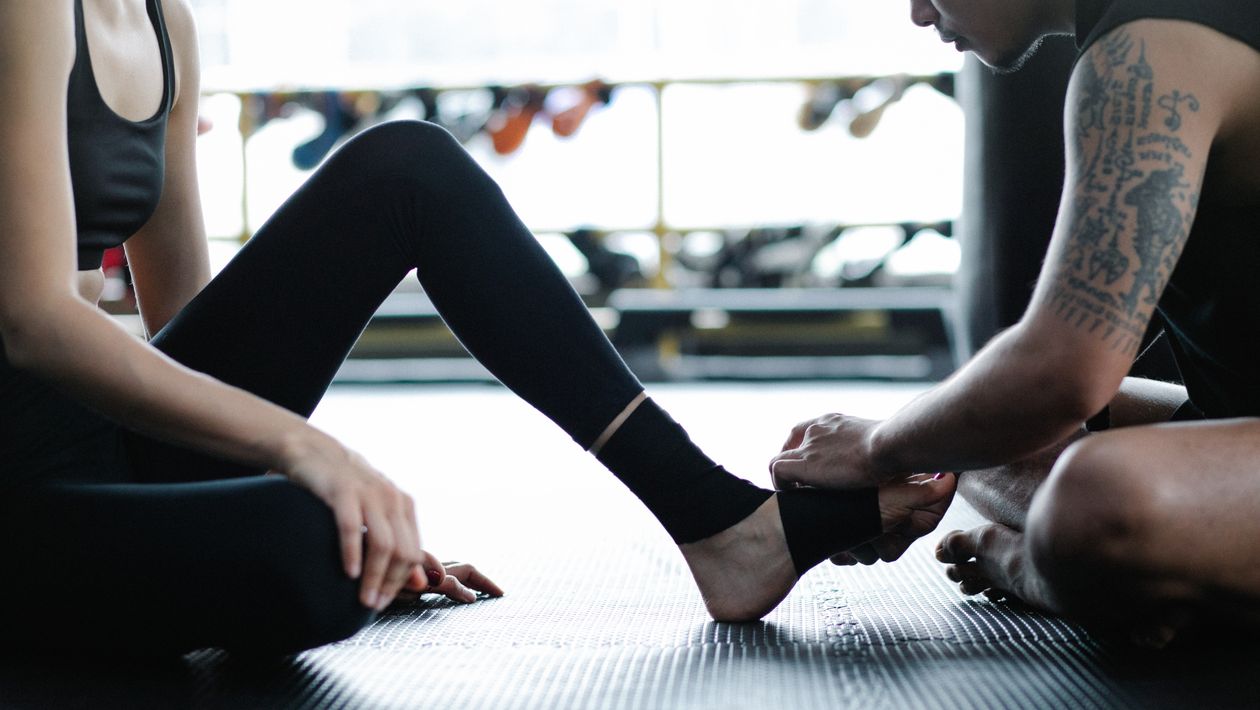
Balance Work: single-leg standing, with progressions (eyes closed, on a slightly unstable surface), trains the proprioceptive system of the ankle and stimulates the small intrinsic muscles of the foot and lower leg. This is the component most often missing from ankle rehabilitation. Balance training reduces future ankle sprain risk and also improves the quality of movement patterns that depend on ankle stability.
The Footwear Connection
Footwear makes a meaningful difference to ankle mobility over time. Everyday shoes with elevated heels (even athletic trainers with a 10-12mm drop) maintain the calf and Achilles in a shortened position during all waking hours. Transitioning toward lower-drop footwear (gradually, over weeks) is one of the most sustainable ways to address ankle mobility alongside exercise.
The transition to very low-drop or zero-drop footwear should be slow. The Achilles tendon and plantar fascia adapt to lengthened positions over months, not weeks. Sudden full adoption of flat shoes after years of elevated heels is associated with Achilles tendinopathy. See the full guide on barefoot shoes vs. traditional shoes for a complete walkthrough of the evidence and safe transition approach.
Frequently Asked Questions
Can restricted ankle mobility cause knee pain?
Yes. When the ankle cannot dorsiflex adequately during walking, squatting, or stair descent, the knee compensates by collapsing inward (valgus). This medial knee stress is one of the most common biomechanical causes of patellofemoral pain and medial compartment overload. Improving ankle dorsiflexion by 5-10 degrees can produce measurable reduction in knee valgus during movement, which is why ankle mobility work is now routinely included in knee pain rehabilitation protocols.
How long does it take to improve ankle mobility?
Consistent daily ankle mobility work (10-15 minutes) typically produces measurable knee-to-wall test improvements within 4-6 weeks. The calf stretch and wall mobilization drill together address both the muscular and capsular components of restriction. Significant improvement in chronic, long-standing restriction may take 3 months of consistent effort, the joint capsule changes more slowly than the muscle.
Is ankle stiffness the same as ankle arthritis?
Not necessarily. Stiffness from muscle shortening and capsular restriction is different from stiffness due to cartilage loss (arthritis). Both can respond to mobility work, but the approach differs slightly. Ankle arthritis tends to produce pain with passive end-range movement in addition to stiffness; muscle-and-capsule restriction tends to produce stiffness at end range without significant pain during the stretch. If you have pain (rather than just stiffness) at end-range ankle movement, or significant crepitus (grinding), see a physician to clarify the cause before pursuing aggressive mobility work.
How much ankle dorsiflexion do I need for daily activities?
A minimum of 10 to 15 degrees of ankle dorsiflexion is required for normal walking gait. Squatting to pick something off the floor requires 30 to 35 degrees, and climbing stairs comfortably requires approximately 20 to 25 degrees. Many adults over 40 have less than 10 degrees due to accumulated tightness in the Achilles tendon and posterior calf from years of heel-elevated footwear. Limited dorsiflexion is a significant but underrecognised contributor to knee, hip, and lower back pain, when the ankle cannot dorsiflex adequately, the body compensates at the knee and hip, creating upstream loading patterns that contribute to pain in those joints.
What is the fastest way to improve ankle mobility?
Consistent daily stretching of the calf muscles and Achilles tendon produces meaningful ankle mobility improvement within 4 to 6 weeks. The most effective stretches are the wall calf stretch (knee straight for gastrocnemius, knee bent for soleus) and the deep squat hold. Contract-relax stretching, briefly contracting the muscle before relaxing into a deeper stretch, produces faster gains than passive static stretching alone. Ankle circles and controlled articular rotations through the full available range, done daily, maintain and gradually expand the ankle’s mobility. Build dorsiflexion mobility before switching to zero-drop footwear, transitioning without adequate mobility is a common cause of Achilles pain.
About the author: Richard Hale is an independent health writer focused on mobility, joint health, and active aging research. He is not a licensed medical professional. All content on VitalMove40 is for educational purposes only and is not a substitute for advice from a qualified healthcare provider.