Last updated: August 29, 2026 | By Richard Hale
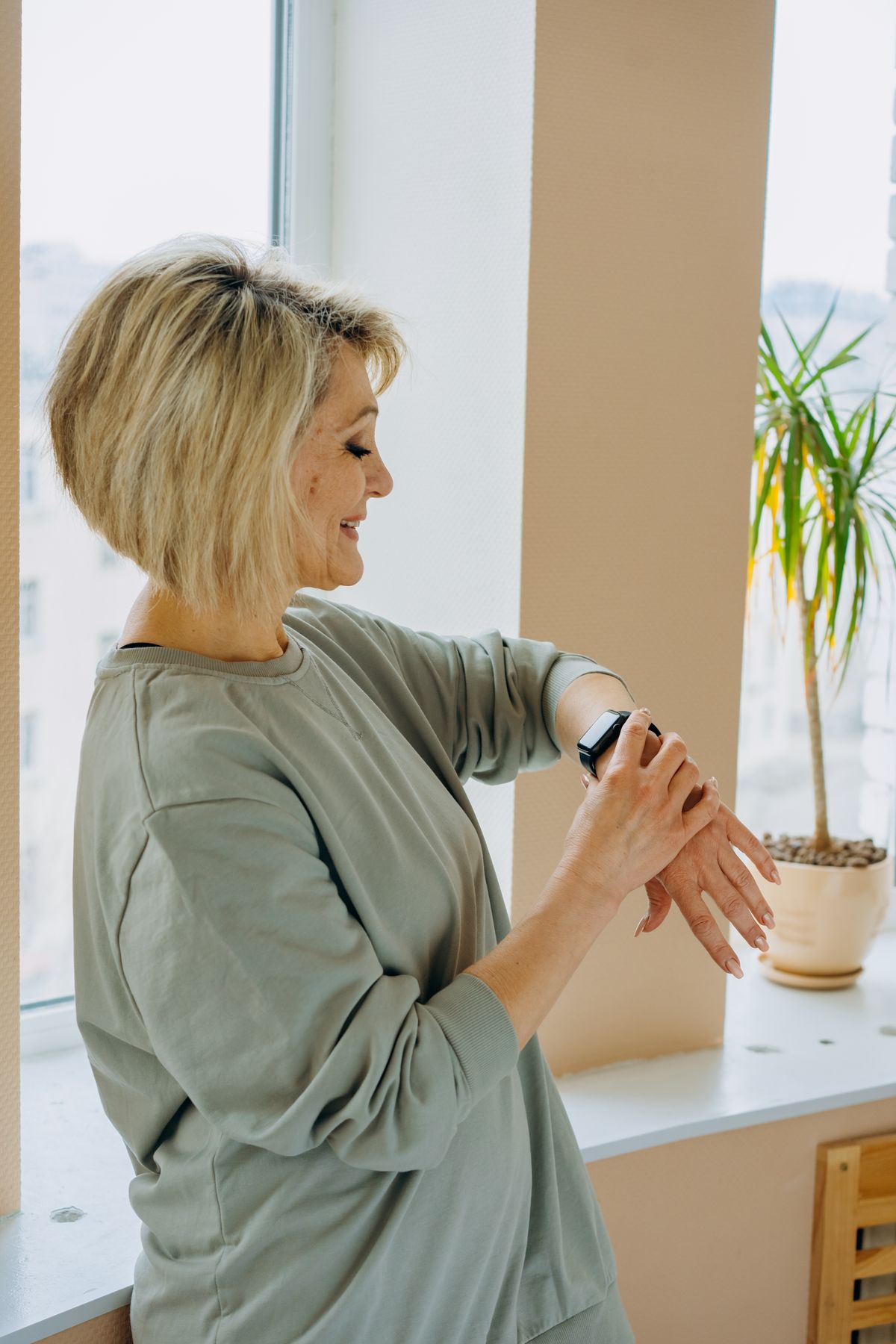
A fitness tracker is worth wearing after 40 if you use it to watch a small number of trends over months, and mostly a distraction if you use it to chase daily targets. The value is not the step count. It is seeing, in objective data, whether your sleep, recovery, and cardiovascular fitness are holding steady or slipping, early enough to do something about it.
This guide covers which metrics actually matter after 40, which ones to ignore, and how to tell whether a tracker is helping you or just adding noise to your day.
Is a Fitness Tracker Worth It After 40?
Yes, for two specific jobs: catching a downward trend early, and giving you feedback on whether a change you made is working. After 40, several things drift slowly enough that you do not feel them day to day. Resting heart rate creeps up. Deep sleep shrinks. Cardiovascular fitness declines by roughly 1 percent a year without training. A tracker makes those slow changes visible while they are still easy to reverse.
Where trackers fail people is when the daily number becomes the point. A step goal you hit by pacing the kitchen at 11 pm is not health. The devices that help are the ones you check weekly, not hourly.
The Metrics That Actually Matter After 40
Resting heart rate
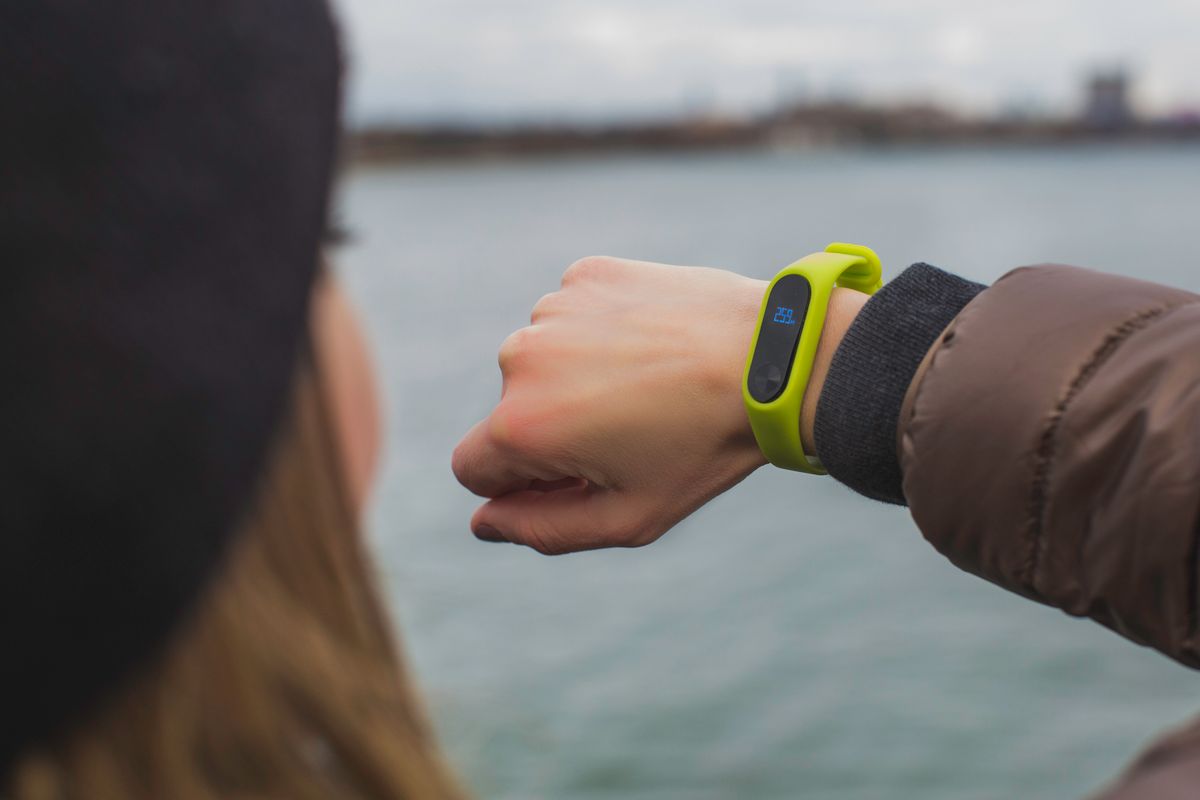
Measured first thing in the morning or during sleep, resting heart rate is one of the simplest useful signals. A gradual rise over weeks, with no change in training, can flag poor recovery, rising stress, illness, or declining fitness. A gradual fall usually means fitness is improving. You are watching the trend line, not any single morning.
Heart rate variability
Heart rate variability, or HRV, is the variation in time between heartbeats, and it reflects how well your nervous system is recovering. It naturally declines with age, which makes the personal trend more useful than the absolute number. A consistent multi-day drop is an early sign the body has not recovered from exercise, stress, alcohol, or the inflammatory load tied to joint stress. For more on recovery windows after 40, see our guide to muscle recovery after 40.
Sleep duration and deep sleep
Total sleep time matters, but the more actionable figure is deep sleep, when most tissue repair and inflammation regulation happens. Consumer trackers are not perfectly accurate at staging sleep, so treat the numbers as directional. If deep sleep trends down for weeks, that is a prompt to look at alcohol, late meals, screen time, and room temperature.
Cardiovascular fitness trend
Many trackers estimate a cardio fitness or VO2max figure from heart rate during activity. The estimate is rough, but the direction over months is meaningful. Cardiovascular fitness is one of the strongest predictors of healthy aging, and watching it hold or improve is one of the best reasons to wear a device at all.
Blood pressure trend
A few wearables now track blood pressure trends. This does not replace a cuff, but seeing a weekly average creep upward is useful information to bring to a doctor before it becomes a clinical problem.
Activity as a floor, not a target
Step count and active minutes are useful as a minimum you do not want to fall below, especially on desk-bound days. They are far less useful as a daily score to maximize. The research consistently points to a benefit from moving more up to a point, with diminishing returns after that. For the movement patterns that matter most, see staying active after 40.
What You Can Safely Ignore
- Calorie burn estimates. Wrist-based calorie counts can be off by 20 to 30 percent. Do not use them to justify eating.
- Hitting a step target every single day. Weekly consistency matters more than a daily streak.
- Blood oxygen spot readings in healthy people with no symptoms. The trend during sleep can matter; a one-off daytime number rarely does.
- Stress scores beyond a rough prompt to breathe and slow down. They are loosely derived from heart rate and HRV.
Screen or Screenless?

This comes down to what you want the device to do.
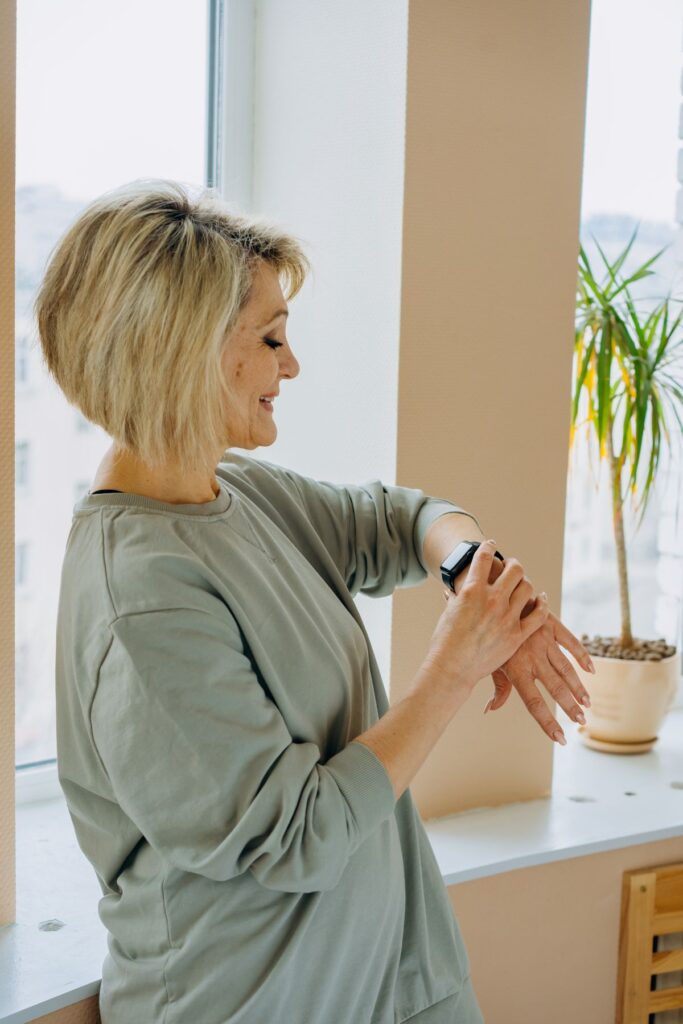
A smartwatch with a screen makes sense if you want notifications, GPS, contactless payment, and on-wrist workout data. The trade-off is battery life measured in a day or two, and a stream of alerts that some people find counterproductive.
A screenless band or ring makes sense if you only want the health data and would rather not carry another notification screen. Battery life runs from about a week to two weeks, and the device more or less disappears. If recovery and sleep are your priority, screenless is usually the better fit after 40. See our roundup of the best fitness trackers for adults over 50 for screen options, and our Hume Band 2.0 review for a screenless recovery-focused example.
When a Tracker Is Not Worth It
Skip it, at least for now, if any of these fit:
- You already move consistently, sleep well, and have no specific concern you are trying to monitor. A tracker will mostly confirm what you know.
- You know that data makes you anxious or obsessive. For some people, a daily readiness score does more harm than good.
- You want it to make you exercise. The device reports; it does not create the habit. Build the routine first, then add measurement if it helps you stay consistent.
How to Actually Use One
- Pick two or three metrics to care about. For most people over 40: resting heart rate, sleep, and a cardio fitness trend.
- Check weekly, not hourly. Look at the seven-day and thirty-day trend, not this morning’s number.
- Measure under consistent conditions so the trend is real and not noise from a late meal or a bad night.
- Act on sustained changes only. One odd day is noise. Three weeks in one direction is a signal.
- Reassess after a few months. If you are not changing any behavior based on the data, the device has done its job or is not for you.
A tracker is a mirror, not a coach. For the habits that actually move these numbers, see our guides to activity tracking and health after 40 and recovery after 40.
Frequently Asked Questions
What is the most useful metric on a fitness tracker after 40?
For most people it is resting heart rate, measured the same way each day. It is simple, reasonably accurate on consumer devices, and a slow rise or fall over weeks is a genuine signal about recovery, stress, and fitness. Sleep duration and a cardiovascular fitness trend are the next two worth watching.
Are fitness tracker sleep stages accurate?
Not precisely. Consumer wearables are fairly good at detecting time asleep versus awake, and less reliable at splitting light, deep, and REM sleep. Use the stage data as a rough trend, not a clinical measurement. If deep sleep trends down for several weeks, that is worth investigating regardless of the exact figure.
Do I need a subscription to use a fitness tracker?
It depends on the brand. Some devices include all data in a free app. Others, including WHOOP and Oura, require an ongoing membership to see most metrics. Factor the subscription into the real cost before buying, since over a few years it can exceed the price of the device.
Is a screenless band better than a smartwatch after 40?
If your goal is recovery and sleep data with minimal distraction and long battery life, a screenless band or ring is usually the better fit. If you want notifications, GPS, and on-wrist workout metrics, a smartwatch makes more sense despite the shorter battery life.
Can a fitness tracker measure blood pressure?
A small number of wearables now estimate blood pressure trends over time. These are not a substitute for a proper cuff and should not be used to manage a diagnosed condition, but a rising weekly average is useful information to raise with a doctor.
About the Author
Richard Hale writes about mobility, recovery, and evidence-based wellness strategies for adults over 40 at VitalMove40. His focus is on practical tools and habits that support joint health, sleep quality, and long-term physical independence. Content is educational and not a substitute for advice from a qualified healthcare provider.