
Last updated: July 26, 2026 | By Richard Hale
An anti-inflammatory diet for joint pain is not a special or restrictive eating plan, it is a systematic shift toward foods that reduce the biochemical signals driving joint inflammation and away from foods that amplify them. Adults who make this shift consistently report meaningful reductions in joint pain and stiffness over 4–8 weeks, and the supporting evidence from inflammation biomarker studies is solid.
This guide covers what an anti-inflammatory diet actually changes at the biological level, which foods are the highest-leverage additions, which to minimize, and a practical 7-day framework you can adapt to your current eating pattern.
This content is for educational purposes only and is not medical advice. An anti-inflammatory diet supports joint health but does not replace treatment for diagnosed conditions. Consult your doctor or a registered dietitian if you have specific dietary requirements or health conditions.

Table of Contents
- What an Anti-Inflammatory Diet Actually Does
- Foods to Add (High Leverage)
- Foods to Minimize
- A Practical 7-Day Framework
- Simple Daily Swaps
- Frequently Asked Questions
What an Anti-Inflammatory Diet Actually Does
Chronic inflammation in joint tissue is not a single switch to flip, it is a continuous biochemical process driven by the balance of pro-inflammatory and anti-inflammatory signals in the body. Diet affects this balance through several pathways.
Omega-6 fatty acids (abundant in vegetable oils, processed foods, and factory-farmed meat) are precursors to pro-inflammatory eicosanoids, signaling molecules that activate inflammatory pathways. Omega-3 fatty acids (from fatty fish, walnuts, flaxseed) are precursors to anti-inflammatory eicosanoids. The ratio of omega-6 to omega-3 in the modern Western diet is approximately 15:1 to 20:1; the ratio in traditional diets that correlate with lower inflammatory disease rates is approximately 4:1. Shifting this ratio is one of the most mechanistically direct things diet can do for inflammation.
Blood glucose spikes from high-glycemic foods trigger the release of inflammatory cytokines (including TNF-α and IL-6) and activate NF-κB, the same inflammatory signaling protein that curcumin inhibits. Reducing blood glucose volatility through lower-glycemic carbohydrate choices is one of the most practical anti-inflammatory dietary interventions with consistent biomarker evidence.
Gut microbiome composition, influenced heavily by dietary fiber and fermented food intake, affects systemic inflammation through gut permeability and short-chain fatty acid production. High-fiber diets shift the microbiome toward bacteria that produce butyrate and other short-chain fatty acids with documented anti-inflammatory effects. Our guide to best foods for joint health covers the individual food evidence in depth.
Foods to Add (High Leverage)
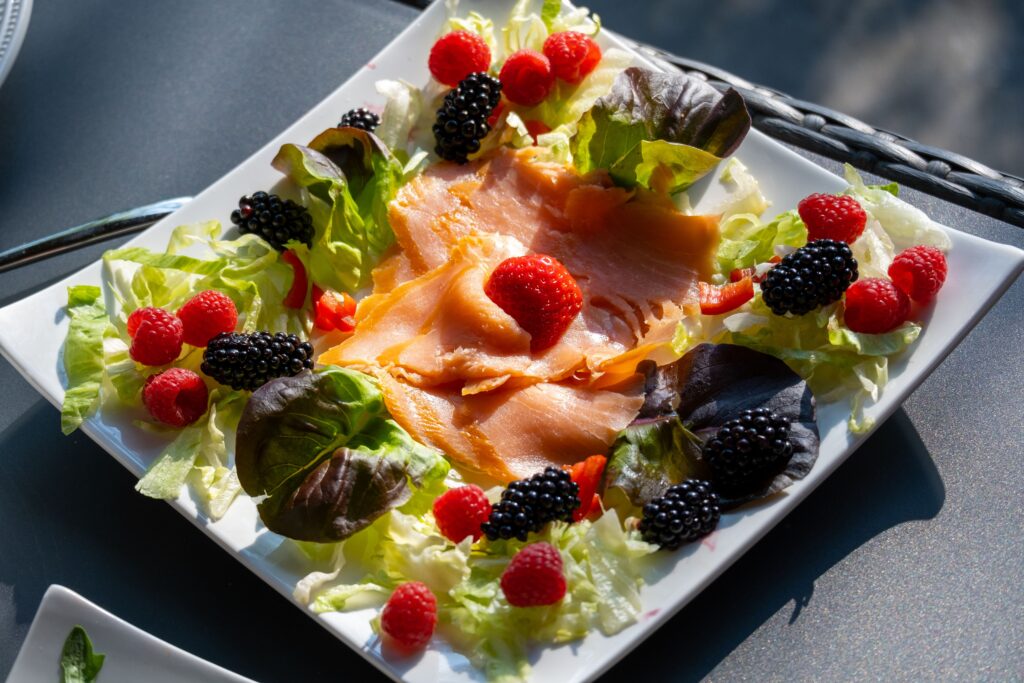
Fatty fish (salmon, mackerel, sardines, herring, trout). The highest-leverage single food category for joint inflammation. Two to three servings per week delivers meaningful EPA and DHA, the omega-3 fatty acids with the strongest anti-inflammatory evidence. Our article on omega-3 and fish oil for joints covers why these fats specifically matter for joint tissue.
Leafy greens (spinach, kale, Swiss chard, arugula). Rich in polyphenols, vitamin K (which plays a role in cartilage protein regulation), magnesium, and calcium. Green leafy vegetables are among the most consistently protective food categories in large dietary epidemiology studies.
Berries (blueberries, strawberries, cherries, blackberries). High in anthocyanins, polyphenols that inhibit inflammatory enzymes (COX-1 and COX-2). Tart cherries in particular have randomized trial evidence for reducing post-exercise inflammation and gout flare frequency. Any dark berry eaten regularly contributes meaningful anti-inflammatory anthocyanins.
Extra virgin olive oil. Contains oleocanthal, a compound that inhibits COX-1 and COX-2 enzymes through a mechanism similar to ibuprofen. The amount required for clinical effect is roughly 3–4 tablespoons per day. Using olive oil as the primary cooking fat replaces pro-inflammatory polyunsaturated vegetable oils with an anti-inflammatory one.
Nuts (walnuts, almonds, Brazil nuts). Walnuts provide alpha-linolenic acid (ALA), a plant-based omega-3. All nuts provide anti-inflammatory polyphenols, vitamin E (which reduces oxidative stress in joint tissue), and magnesium. Small daily portions (one handful) accumulate meaningful anti-inflammatory effect over weeks.
Turmeric. The curcumin in turmeric inhibits NF-κB and COX-2, two of the primary inflammatory pathways driving joint pain. Cooking with turmeric adds small amounts; for therapeutic levels, see our guide on turmeric and curcumin for joint pain. Adding black pepper to any turmeric preparation increases curcumin bioavailability by approximately 2,000%.
Whole grains (oats, brown rice, quinoa, barley). Lower glycemic index than refined grains, with higher fiber content supporting gut microbiome diversity. Replacing white bread and refined pasta with whole grain alternatives reduces post-meal blood glucose spikes and their downstream inflammatory signal.

Foods to Minimize
Added sugar and high-fructose corn syrup. Sugar drives blood glucose spikes that activate inflammatory cytokine production. Fructose is metabolized differently than glucose and drives production of uric acid, the compound that accumulates in gout. Minimizing added sugar is the single most consistent dietary change with documented anti-inflammatory effect across populations. Our article on foods that cause inflammation covers the sugar-inflammation mechanism in detail.
Refined carbohydrates (white bread, white rice, pastries, crackers). High glycemic index, minimal fiber, minimal polyphenols. These foods produce rapid blood glucose rises with the same downstream inflammatory consequences as sugar itself, at a slower rate.
Industrial vegetable oils (corn, soybean, sunflower, safflower oil). Extremely high in omega-6 linoleic acid. These are the primary driver of the modern omega-6:omega-3 imbalance. Replacing these with olive oil, avocado oil, or butter/ghee in cooking is a practical change with direct omega-6 reduction effect.
Processed meats (sausage, deli meats, hot dogs, bacon). High in advanced glycation end-products (AGEs) from high-temperature processing, preservatives, and saturated fat. AGEs bind to receptors on joint tissue cells and activate inflammatory signaling. Occasional consumption is not a concern; regular daily intake consistently correlates with elevated inflammatory markers.
Alcohol (above moderate consumption). Two or more drinks per day is associated with increased systemic inflammation, disrupted sleep (which amplifies inflammatory signaling), and direct cartilage metabolism effects. One standard drink per day is within the range most dietary guidelines consider as not increasing inflammatory markers significantly. Our article on alcohol and joint pain covers the evidence on dose, type, and risk.
A Practical 7-Day Framework
This is not a rigid meal plan, it is a structural template showing what anti-inflammatory eating looks like in a realistic week. Adapt quantities and specific items to your current eating pattern.
Daily constants (every day of the week):
- Primary cooking fat: extra virgin olive oil
- One handful of mixed nuts (walnuts, almonds)
- At least 2 servings of vegetables (leafy greens counted separately)
- At least 1 serving of fruit (berries preferred)
- Whole grain as the carbohydrate base (oats, brown rice, quinoa)
- Turmeric in at least one meal (cooking spice, smoothie, or tea)
Days 1–2: Build the foundation. Swap your breakfast cereal for oatmeal with berries and walnuts. Replace any cooking oil in dinner with olive oil. Add spinach to one meal each day.
Days 3–4: Add fatty fish. One dinner built around salmon, mackerel, or sardines. Swap the bread at one meal for a whole grain alternative. Add a small side salad with arugula and olive oil to one daily meal.
Days 5–6: Address the minimizers. Check your condiments and sauces for added sugar content, many are high sources. Swap one refined carbohydrate choice for a lower-glycemic alternative. If you drink alcohol, keep it to one standard drink maximum.
Day 7: Assessment. Note any changes in morning stiffness compared to Day 1. Most adults report the first noticeable shift in morning joint stiffness at 2–4 weeks of consistent eating, but even a single week of reduced blood glucose volatility and increased omega-3 intake is reflected in how you feel on waking.

Simple Daily Swaps
These are the highest-leverage individual changes, ranked by their evidence-to-effort ratio:
| Instead of | Choose | Primary benefit |
|---|---|---|
| Corn/soybean oil | Extra virgin olive oil | Omega-6 reduction, oleocanthal |
| White bread/pasta | Whole grain equivalent | Lower glycemic index, fiber |
| Red/processed meat 5×/week | Fatty fish 2–3×/week | Omega-3, reduced AGEs |
| Sweetened breakfast cereal | Oatmeal with berries | Reduced added sugar, anthocyanins |
| Sugary drinks | Water, green tea, herbal tea | Reduced glucose spikes, polyphenols |
| Snack crackers/chips | Mixed nuts (walnuts, almonds) | Omega-3 ALA, vitamin E, polyphenols |
Frequently Asked Questions
How long does an anti-inflammatory diet take to reduce joint pain?
Most adults notice the first changes, typically reduced morning stiffness and somewhat less pain after activity, within 2–4 weeks of consistent dietary change. Full benefit, particularly the structural effects on cartilage metabolism and sustained inflammation reduction, develops over 3–6 months. The timeline is similar to other tissue-level interventions: diet changes the underlying biology, which then requires time to manifest in symptom changes. Short-term interventions (a week of eating well) will not produce the results that sustained dietary pattern change does.
Is the Mediterranean diet the same as an anti-inflammatory diet?
The Mediterranean diet is the most widely studied dietary pattern with anti-inflammatory properties, and it aligns closely with the principles described here, high in olive oil, fatty fish, vegetables, fruits, legumes, and whole grains; low in processed foods and red meat. The Mediterranean diet is the practical embodiment of an anti-inflammatory eating pattern rather than a separate concept. If you are familiar with Mediterranean diet guidance, it applies directly. The distinction “anti-inflammatory diet” is more useful as a mechanistic framing that explains why the Mediterranean pattern works.
Do I need to eliminate all sugar to reduce joint inflammation?
No, total elimination is not the goal and not what the evidence supports. The dose makes the poison with sugar as with most things. Minimal added sugar (less than 25 grams per day, per WHO recommendations) combined with otherwise anti-inflammatory eating produces meaningful reductions in inflammatory markers. Reducing rather than eliminating, combined with replacing high-sugar choices with lower-sugar alternatives, is a sustainable approach with documented effect. Fruit (including sweet fruit) contains sugar alongside fiber, water, and anti-inflammatory polyphenols, and is not in the same category as refined added sugars.
About the author: Richard Hale is an independent health writer focused on mobility, joint health, and active aging research. He is not a licensed medical professional. All content on VitalMove40 is for educational purposes only and is not a substitute for advice from a qualified healthcare provider.