Last updated: August 7, 2026 | By Richard Hale
Turmeric and its active compound curcumin are among the most researched natural anti-inflammatory agents available. The evidence is more substantive than most supplement categories, but also more nuanced. A standard turmeric supplement bought at a drugstore may produce very different results from the bioavailable forms used in clinical trials. The difference matters.
This content is for educational purposes only and is not medical advice. Curcumin can interact with blood thinners, certain chemotherapy drugs, and diabetes medications. Consult a healthcare provider before starting supplementation if you take prescription medications.
Table of Contents
- What Curcumin Is and How It Works
- What the Clinical Evidence Shows
- The Bioavailability Problem
- Which Forms Actually Work
- Dosing and Safety
- Food Turmeric vs. Supplements
- Frequently Asked Questions
What Curcumin Is and How It Works
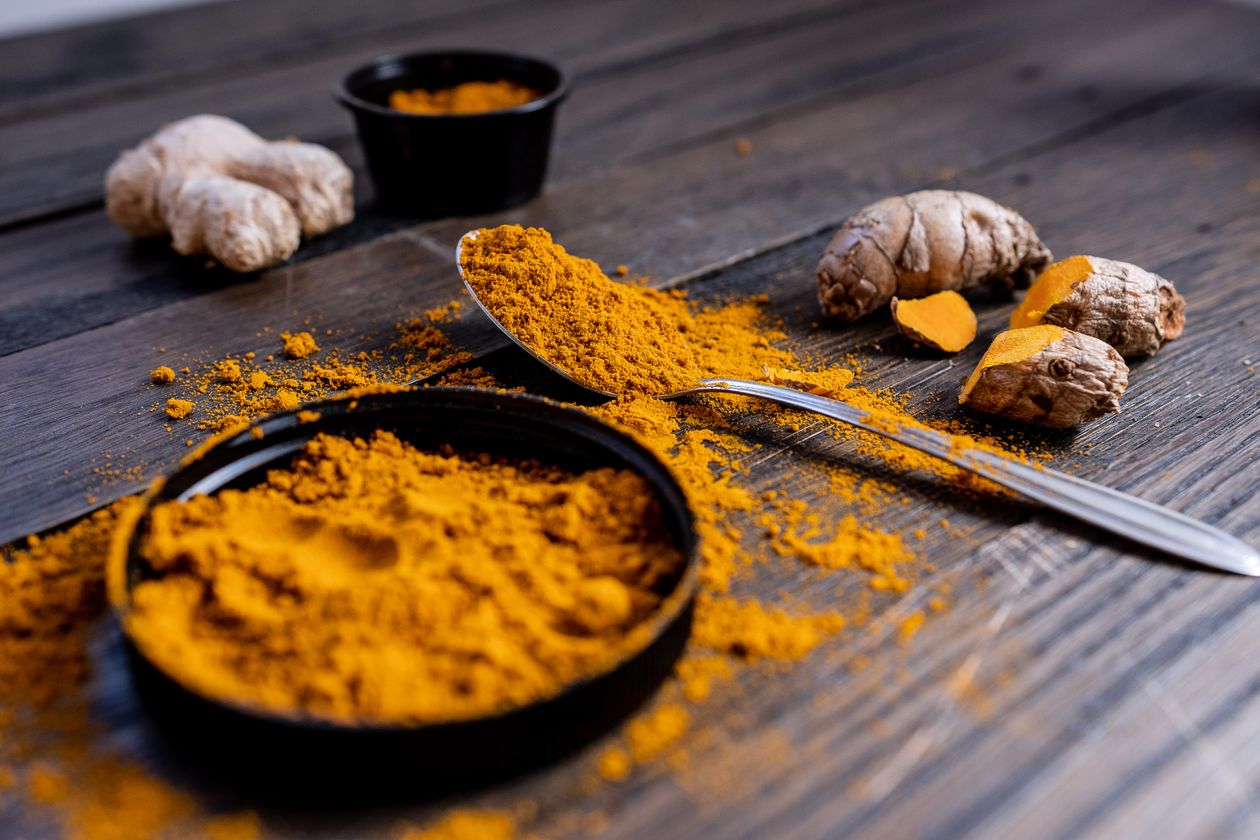
Curcumin is the primary bioactive polyphenol in turmeric, the compound responsible for the yellow color and most of the biological activity. Turmeric root contains approximately 2-5% curcumin by dry weight; the rest is starch, essential oils, and other compounds.
Curcumin’s anti-inflammatory mechanisms are genuinely interesting and well-characterized at the molecular level. It inhibits NF-kB (nuclear factor kappa-light-chain-enhancer of activated B cells) (a master regulator of inflammatory gene expression) and also downregulates COX-2 (cyclooxygenase-2), the enzyme that produces prostaglandins driving pain and inflammation. These are the same pathways targeted by NSAIDs like ibuprofen, which is why the clinical comparison is relevant.
It also inhibits several inflammatory cytokines directly (TNF-alpha, IL-6, IL-1beta) that are elevated in both osteoarthritis and inflammatory arthritis, and shows antioxidant activity that reduces oxidative stress in joint tissue.
What the Clinical Evidence Shows
The most relevant research for joint health:
Knee osteoarthritis: the evidence base here is now substantial. A 2021 systematic review and meta-analysis in BMJ Open covering 11 RCTs with 1,258 participants found bioavailable curcumin preparations significantly reduced pain (standardized mean difference of -0.85, a moderate effect size) and improved physical function compared to placebo. A notable head-to-head comparison published in Trials (2021) found a bioavailable curcumin formulation (1,000mg/day BCM-95) non-inferior to diclofenac (a prescription NSAID) for knee OA over 28 days, with significantly fewer GI side effects.
Rheumatoid arthritis: smaller evidence base but positive signals. Several trials show curcumin supplementation alongside disease-modifying therapy reduces CRP (C-reactive protein) and DAS28 scores (a composite disease activity measure) in RA patients over 8-12 weeks.
Post-exercise inflammation and muscle soreness: multiple RCTs find bioavailable curcumin reduces delayed onset muscle soreness (DOMS) and inflammatory markers (CK, IL-6) after intense exercise, relevant for adults over 40 who are returning to or maintaining training programs.
The Bioavailability Problem
Standard curcumin has poor oral bioavailability. It is rapidly metabolized in the gut and liver, and poorly absorbed through intestinal walls without assistance. Studies measuring curcumin blood levels after standard curcumin powder consumption find plasma concentrations far too low to produce the anti-inflammatory effects seen in laboratory studies. This is why so many people try “turmeric capsules” and notice no effect, they are not using a form that actually reaches circulation in meaningful concentrations.
The clinical trials showing benefit do not use standard curcumin powder. They use specifically engineered formulations designed to overcome the bioavailability problem.
Which Forms Actually Work
Four formulations have demonstrated improved bioavailability in pharmacokinetic studies and clinical outcomes in trials:
BCM-95 (Biocurcumax): curcumin combined with turmeric essential oils. The essential oil components enhance absorption and slow metabolism. Studies show 6-7 times higher bioavailability than standard curcumin. This is one of the most studied forms in OA trials.
Meriva: curcumin phytosome, curcumin complexed with phosphatidylcholine (a phospholipid found in cell membranes). The phospholipid complex enhances absorption through the intestinal wall. Pharmacokinetic studies show approximately 29-fold greater bioavailability than standard curcumin. Multiple OA clinical trials have used this form.
Theracurmin: colloidal dispersion of nanoparticulated curcumin in water. Studies show approximately 27-fold higher plasma levels than standard curcumin. Used in several athletic recovery trials with positive outcomes.
Curcumin + piperine (BioPerine): piperine, the active compound in black pepper, inhibits the enzymes that metabolize curcumin in the gut. Adding 5-20mg of piperine to a curcumin dose increases bioavailability by approximately 20-fold. This is the most widely available and lowest-cost option. However, piperine also increases the absorption of many drugs (including some blood thinners and certain medications), so caution is warranted for people taking prescription medications.
Dosing and Safety
Effective doses in clinical trials vary by formulation because bioavailability differs so dramatically between forms. General guidance:
- BCM-95: 500-1,000mg/day (split into two doses)
- Meriva: 1,000-2,000mg/day (of the phytosome product, not raw curcumin equivalent)
- Standard curcumin + piperine: 500-1,000mg curcumin + 5-20mg piperine per dose
Safety profile is excellent across the range used in clinical trials. The most common side effects are mild GI symptoms (nausea, loose stools) at higher doses, which usually resolve by dividing the dose or taking it with food. Turmeric is classified as GRAS (generally recognized as safe) by the FDA. The main cautions are drug interactions, curcumin inhibits CYP3A4 and CYP2D6 enzymes that metabolize many medications, and the piperine formulation amplifies this effect. If you take any regular prescription medications, check for interactions before starting.
Food Turmeric vs. Supplements
Adding turmeric to cooking (curries, golden milk, smoothies) is a worthwhile dietary habit with likely general anti-inflammatory effects over time. But the amounts of curcumin consumed through food (50-100mg of curcumin from a teaspoon of turmeric powder, with standard absorption) are far below the doses showing clinical benefit in joint trials (500-2,000mg of bioavailable curcumin). Cooking with turmeric and supplementing with bioavailable curcumin are complementary habits, not substitutes for each other.
Frequently Asked Questions
How long does turmeric take to work for joint pain?
Most clinical trials showing benefit for osteoarthritis report significant pain reduction at 4-8 weeks of consistent supplementation. Anti-inflammatory effects begin earlier (curcumin’s inflammatory mediator inhibition is measurable within days), but pain and function improvements in joint tissue take longer to manifest. A minimum 8-12 week trial with a bioavailable formulation is necessary to evaluate whether curcumin is working for your specific symptoms.
Is curcumin as good as ibuprofen for joint pain?
One well-designed head-to-head trial found a bioavailable curcumin formulation (BCM-95) non-inferior to diclofenac (a prescription NSAID) for knee OA over 28 days, with significantly fewer GI side effects. This does not mean curcumin replaces NSAIDs for acute pain management, NSAIDs work faster. But for chronic joint pain management over months, bioavailable curcumin may offer comparable benefit with a substantially better safety profile for long-term use.
Does curcumin help with arthritis inflammation?
Yes, for both osteoarthritis and rheumatoid arthritis, though the evidence base is stronger for OA. Curcumin’s inhibition of NF-kB, COX-2, and inflammatory cytokines produces measurable reductions in CRP and other inflammatory markers in clinical trials. It is not a cure for arthritis, but as an adjunct to a broader anti-inflammatory approach (exercise, diet, stress management), bioavailable curcumin is one of the better-supported supplements in this category.
About the author: Richard Hale is an independent health writer focused on mobility, joint health, and active aging research. He is not a licensed medical professional. All content on VitalMove40 is for educational purposes only and is not a substitute for advice from a qualified healthcare provider.