Last updated: August 5, 2026 | By Richard Hale
Pilates has become one of the most evidence-supported non-surgical interventions for chronic low back pain. Multiple systematic reviews and RCTs confirm that Pilates outperforms general exercise (and often outperforms physiotherapy alone) for reducing pain and disability in adults with chronic non-specific low back pain. Understanding why it works, and how to start, makes the difference between effective back pain management and generic fitness.
This content is for educational purposes only and is not medical advice. If you have acute disc herniation, severe osteoporosis, or spinal instability, consult your healthcare provider before starting Pilates to confirm it is appropriate for your condition.
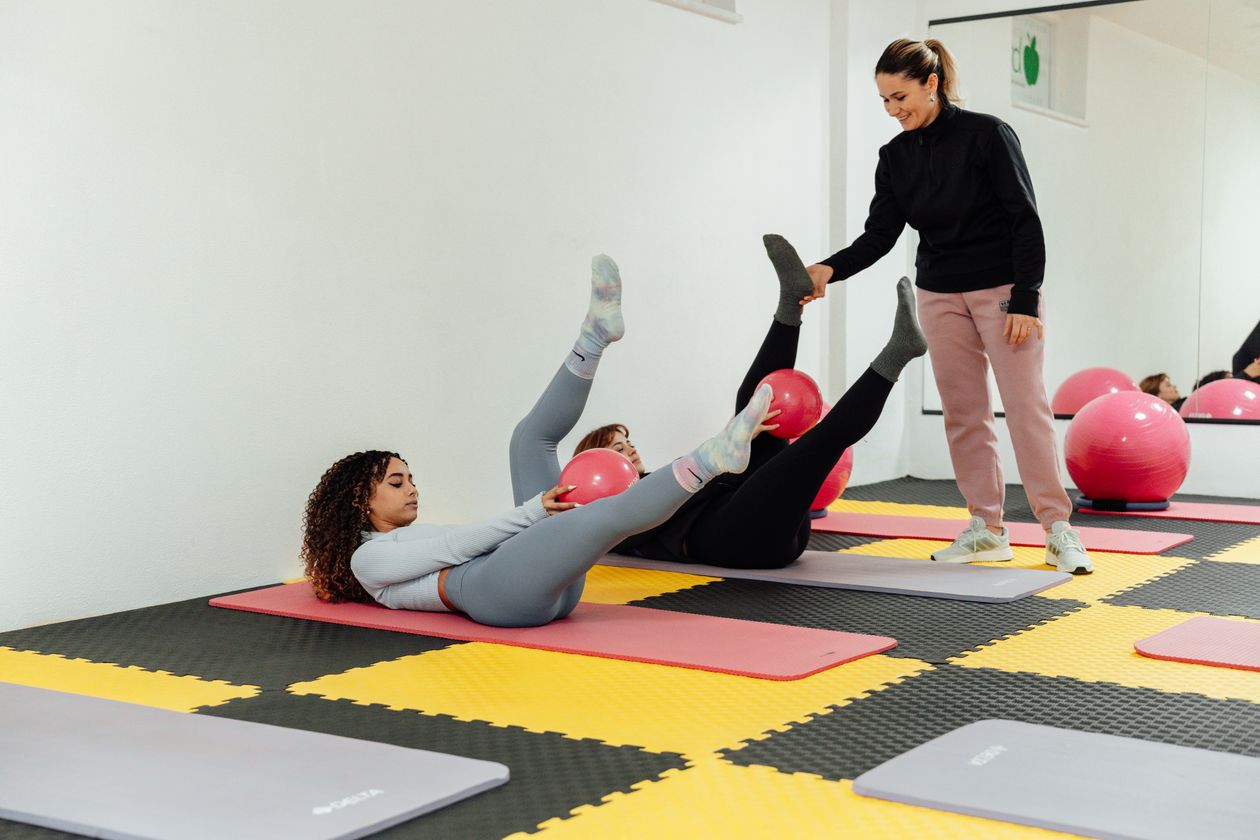
Table of Contents
- Why Core Stability Matters for Back Pain
- The Evidence for Pilates in Back Pain
- Mat Pilates vs. Reformer Pilates
- Key Pilates Exercises for Back Pain
- How Pilates Differs from Yoga for Back Pain
- How to Start Safely After 40
- Frequently Asked Questions
Why Core Stability Matters for Back Pain
The lumbar spine has limited intrinsic bony stability, it relies heavily on the surrounding muscular system to maintain safe alignment during loading. The deep stabilizing muscles, the multifidus (which runs segmentally along the spine) and the transversus abdominis (the deepest layer of abdominal muscle), function as the spine’s primary active stabilizers, coordinating to stiffen the lumbar region during movement before the limbs load it.
In people with chronic low back pain, research consistently shows that multifidus and transversus abdominis activation is delayed and reduced compared to pain-free adults. Rather than preemptively stiffening the spine before arm or leg movement begins, these muscles activate late or incompletely, meaning each movement loaded the lumbar spine without adequate stabilization. This delayed activation is a learned response that persists even after acute pain resolves, which explains why back pain recurs so frequently without specific retraining.
Pilates addresses exactly this deficit. The control and precision that define Pilates exercises train the deep stabilizing muscles specifically, not the global superficial muscles (like the rectus abdominis, which creates the “six-pack” appearance) that most conventional exercises target. This distinction is not subtle, it is the mechanistic basis for why Pilates produces back pain benefits that general conditioning exercise often does not.
The Evidence for Pilates in Back Pain
The evidence for Pilates in chronic low back pain is among the most robust of any exercise modality studied for this indication. Key findings:
- A 2015 Cochrane review of 7 RCTs (369 participants) found Pilates produced greater reductions in pain and disability than minimal intervention and no treatment, with some trials showing Pilates superior to other forms of exercise.
- A 2016 systematic review in the Journal of Orthopaedic and Sports Physical Therapy of 23 trials concluded that Pilates was significantly more effective than control conditions for pain and functional outcomes in chronic low back pain, with effects persisting at 3-12 month follow-up.
- A 2022 meta-analysis specifically compared Pilates to other exercises (yoga, strength training, walking), Pilates produced significantly larger pain reductions than comparison exercise groups, confirming that the benefit is not simply from being “any exercise.”
Effect sizes in these trials translate to clinically meaningful differences, not just statistical significance. Adults in Pilates groups reduced pain scores by an average of 2-3 points on a 10-point scale and reported disability improvements in activities like bending, lifting, and prolonged sitting that are relevant to daily life.
Mat Pilates vs. Reformer Pilates
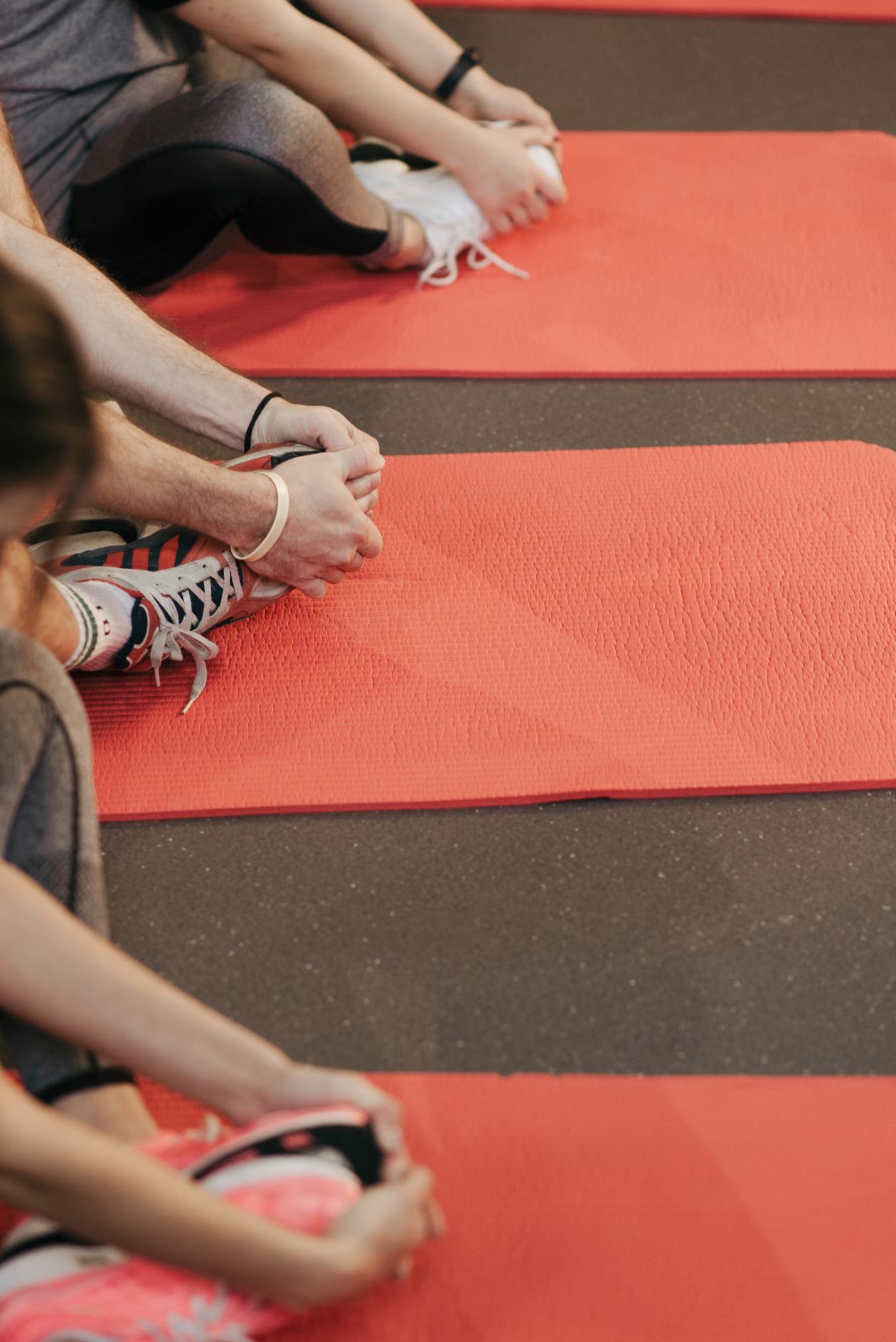
Mat Pilates: performed on a mat with bodyweight as the primary resistance. More accessible (no equipment required, classes available everywhere), lower cost, and the evidence for back pain is predominantly from mat-based interventions. The absence of equipment means all exercises rely on the body’s own stability and strength, which is highly appropriate for back pain rehabilitation. The limitation is that progression beyond a certain level requires the exercise to become more complex or loading to increase through leverage, not external resistance.
Reformer Pilates: performed on a spring-resistance carriage machine that allows graduated resistance and support. The springs can reduce the gravitational demand on an exercise (making it easier for those with significant pain) or increase resistance (for progressive loading). The supported positions of the reformer can make some exercises accessible when the equivalent mat exercise would be too painful. Reformer Pilates typically requires studio access and is more expensive, but the progressive loading ability and the clinical precision of qualified reformer instruction makes it the preferred mode for more serious rehabilitation contexts.
For adults with significant back pain who are new to Pilates, starting with reformer instruction provides more individualized feedback and a better safety margin. Mat Pilates is excellent for maintenance, moderate back pain, and ongoing practice once correct form is established.
Key Pilates Exercises for Back Pain
Pelvic tilt: the foundational movement of Pilates. Lying on your back with knees bent, gently rock the pelvis posteriorly (flattening the lower back to the mat) then anteriorly (creating the natural lumbar curve). Finding and maintaining “neutral” between these extremes (where the natural lordosis is present but not exaggerated) is the reference position for all Pilates exercises.
Imprinting and neutral spine awareness: actively finding the neutral spine position (often midway between full posterior and anterior pelvic tilt) and learning to maintain it while adding limb movement is the foundational skill of therapeutic Pilates. This trains the motor control that back pain compromises.
Dead bug: lying on your back with arms extended toward the ceiling and knees bent to 90 degrees, slowly lower opposite arm and leg toward the floor while maintaining neutral spine and steady breathing. Return and alternate. This challenges the deep stabilizers to maintain lumbar position while the limbs move, exactly the functional deficit in people with chronic back pain. Start with arm movement only, then leg movement only, before combining.
Bird dog: on hands and knees in a tabletop position, extend opposite arm and leg simultaneously while maintaining a neutral pelvis (no sagging or twisting). Hold 3-5 seconds, alternate. A movement quality assessment: the pelvis should not rotate or drop during the movement. Adding a small range of motion (not fully extending the leg back) and gradually increasing it is safer than full extension from day one.
Spine twist (seated rotation): seated on a mat with legs extended, arms in a “T” position, rotate the trunk to each side while keeping the pelvis stable and the spine tall. This trains thoracic rotation while maintaining lumbar stability, the combination of thoracic mobility with lumbar control that back pain disrupts.
How Pilates Differs from Yoga for Back Pain
Both Pilates and yoga improve back pain in clinical trials, but they approach it differently. Pilates is primarily a stability and neuromuscular control system, it prioritizes spine position, deep muscle recruitment, and controlled movement patterns. Yoga is primarily a flexibility, breath, and mind-body system, it prioritizes range of motion, holding positions, and the nervous system’s response to stretching.
For back pain driven by segmental instability and poor motor control (which is the most common clinical picture in chronic non-specific LBP), Pilates addresses the cause more directly. For back pain with significant flexibility deficits, anxiety and stress amplification, or significant thoracic stiffness, yoga provides complementary benefits. Many people find that the two practices are more complementary than competing, Pilates for stability and control training, yoga for flexibility and nervous system regulation.
The evidence base for Pilates in back pain is generally stronger and more specifically studied in clinical populations. Both are significantly more evidence-supported than doing nothing.
How to Start Safely After 40
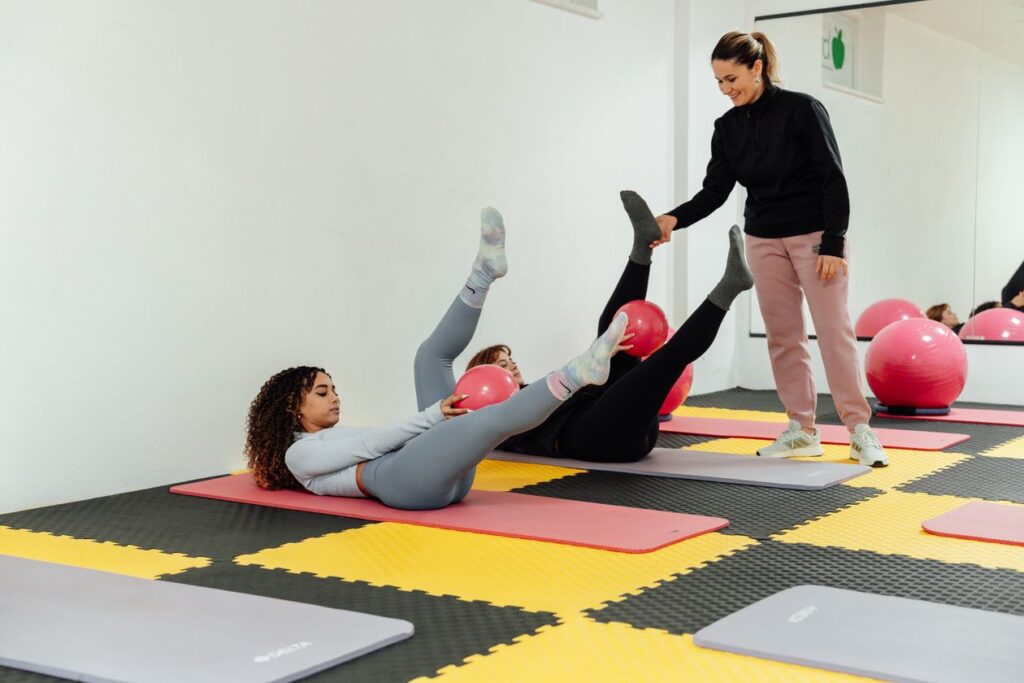
Starting with 2-4 sessions with a qualified Pilates instructor (ideally one with a background in rehabilitation or who works with clinical populations) is strongly recommended before practicing independently. Pilates technique errors (particularly loss of neutral spine during exercises) can worsen back pain rather than help it. An instructor identifies compensation patterns that you cannot easily self-monitor.
Look for instructors certified through STOTT Pilates, BASI Pilates, Body Arts and Science International, or Polestar Pilates, these programs have robust clinical and anatomy training standards. Inquire specifically whether the instructor has experience with back pain rehabilitation clients.
Once basic form is established, 3 sessions per week of 30-45 minutes produces clinically meaningful benefits in most back pain trials. Consistency over 8-12 weeks produces the largest gains, the neuromuscular adaptations of Pilates are progressive and require time to consolidate.
Frequently Asked Questions
Can Pilates make back pain worse?
Poor Pilates technique can temporarily worsen back pain, particularly exercises that load the lumbar spine beyond its current tolerance, rapid flexion, heavy loading of unstable positions, or exercises that lose neutral spine control. This is why qualified instruction is particularly important for people with significant back pain. With appropriate instruction and progression, Pilates is one of the safest exercise modalities for back pain. The risk is not in Pilates itself but in performing it with poor form without appropriate supervision.
How quickly does Pilates help back pain?
Most people report some pain reduction and improved function within 4-6 weeks of regular Pilates practice (3 sessions/week). The full stabilization benefit (the deep neuromuscular adaptations that prevent recurrence) develops over 10-12 weeks. Pain reduction tends to precede functional improvement. Continuing practice after the 12-week mark produces progressive additional benefit and is the most effective recurrence prevention strategy available for chronic non-specific low back pain.
About the author: Richard Hale is an independent health writer focused on mobility, joint health, and active aging research. He is not a licensed medical professional. All content on VitalMove40 is for educational purposes only and is not a substitute for advice from a qualified healthcare provider.