

Last updated: July 14, 2026 | By Richard Hale
The relationship between diet and joint health is real, but it is regularly overstated in both directions. Some sources suggest specific foods can heal damaged joints. Others dismiss nutrition’s role entirely. The actual evidence sits between those positions.
What the research consistently shows is that dietary patterns (the overall composition of what you eat over time) influence systemic inflammation, which directly affects joint pain, stiffness, and recovery. No food regenerates cartilage. But the right dietary pattern creates conditions where joints function better, inflammation resolves faster, and pain is meaningfully reduced for many people. This guide covers what the evidence actually supports.
This content is for educational purposes only and is not medical advice. For specific dietary recommendations related to a health condition, consult a registered dietitian or healthcare provider.

Table of Contents
- How Diet Affects Joint Health
- The Best Foods for Joints
- Dietary Patterns That Worsen Joint Pain
- The Anti-Inflammatory Dietary Pattern
- Where Supplements Fit In
- Frequently Asked Questions
How Diet Affects Joint Health
The primary mechanism is inflammation. Chronic low-grade inflammation accelerates cartilage degradation, increases joint pain perception, and slows the resolution of exercise-induced soreness. Diet influences inflammation through several pathways: the ratio of omega-6 to omega-3 fatty acids, the level of refined carbohydrates and sugar, and the presence or absence of plant compounds (polyphenols, antioxidants) that support anti-inflammatory processes.
Diet also affects body weight, which has a direct mechanical effect on joints. Each pound of body weight adds roughly four pounds of compressive load on the knee joint. The combination of mechanical load reduction and inflammation reduction makes dietary improvement one of the highest-leverage changes for joint health.
The Best Foods for Joints
Fatty Fish
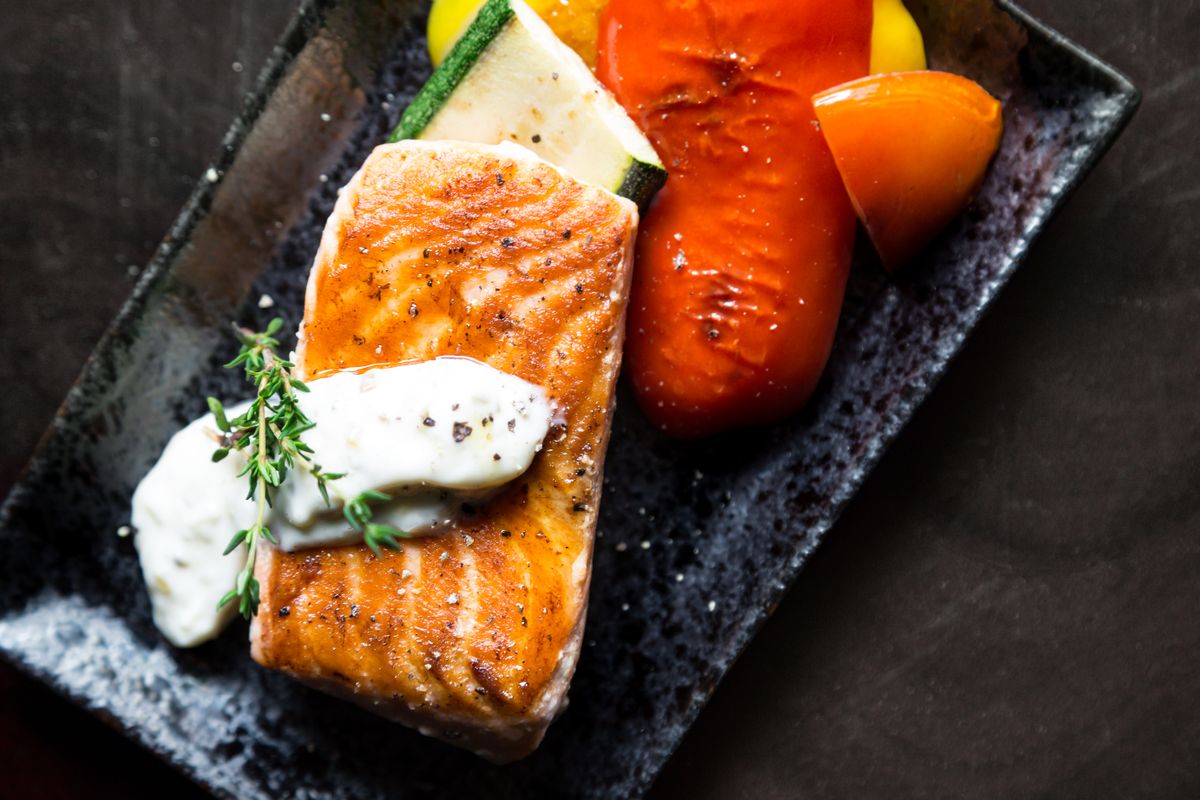
Salmon, mackerel, sardines, and trout are the single most evidence-supported food category for joint health. They are rich in EPA and DHA, the omega-3 fatty acids that directly reduce inflammatory markers, including the cytokines associated with joint pain and cartilage degradation. Multiple clinical trials have found that regular fatty fish consumption or fish oil supplementation reduces pain and stiffness in people with rheumatoid arthritis, and the evidence for osteoarthritis is increasingly positive.
Two to three servings of fatty fish per week delivers a meaningful dose of EPA and DHA. For people who do not eat fish, a high-quality fish oil supplement (1-2g of combined EPA+DHA per day) achieves similar effects.
Colorful Vegetables and Fruits
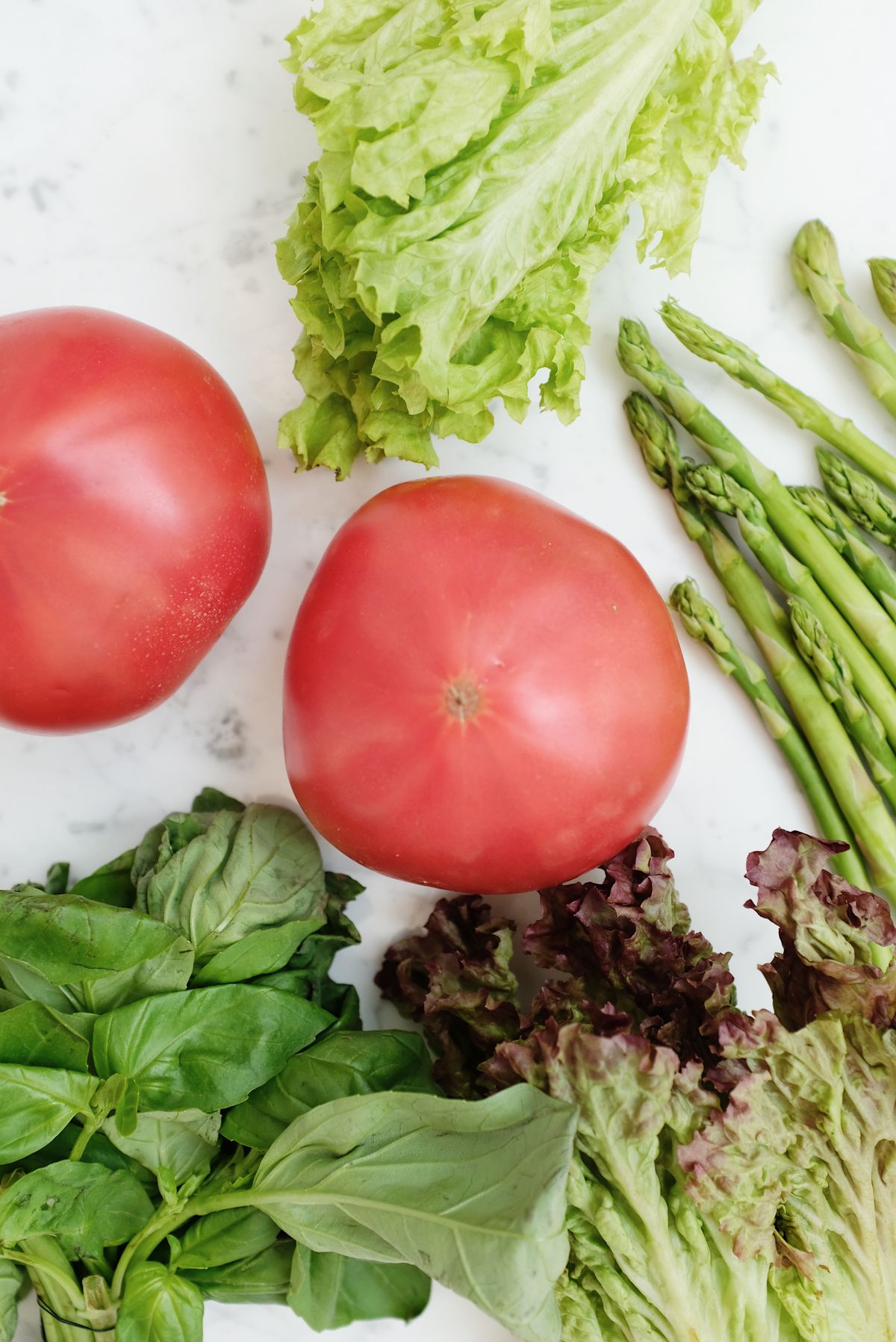
The polyphenols, antioxidants, and fiber in vegetables and fruits support anti-inflammatory processes through multiple mechanisms. Specific compounds with consistent evidence include quercetin (found in onions, apples, and capers), sulforaphane (in broccoli and other cruciferous vegetables), and anthocyanins (in berries, particularly tart cherries and blueberries).
Tart cherry juice has received specific research attention for joint health, with several studies finding meaningful reductions in pain and inflammatory markers in people with osteoarthritis and gout. While tart cherry is not a treatment, it is one of the more evidence-supported specific foods in this category.
Olive Oil
Extra virgin olive oil contains oleocanthal, a compound that inhibits the same inflammatory enzymes that ibuprofen targets, though at much lower potency. Regular consumption as the primary cooking fat, as in a Mediterranean diet, is associated with lower inflammatory markers and better joint outcomes in population studies.
Nuts and Seeds
Walnuts are particularly worth mentioning for joint health because they contain alpha-linolenic acid (ALA), a plant-based omega-3 that the body partially converts to EPA and DHA. While the conversion is less efficient than consuming EPA and DHA directly from fish, walnuts contribute meaningfully to overall omega-3 intake and also provide magnesium, which plays a role in muscle and joint function.
Legumes
Beans, lentils, and chickpeas are high in fiber, which supports the gut microbiome diversity associated with lower systemic inflammation. They also provide plant protein, which supports muscle maintenance, and magnesium and zinc, both of which are involved in tissue repair processes.
Bone Broth
Bone broth has been promoted heavily for joint health based on its collagen and gelatin content. The evidence is weaker than the marketing suggests: the collagen in bone broth is digested into amino acids before absorption, and whether those amino acids are directed specifically to joint tissue repair is unclear. There is nothing harmful about bone broth, and it contributes protein and minerals to the diet. It is just not the joint-healing food it is sometimes presented as.
Dietary Patterns That Worsen Joint Pain
The evidence for what makes joint pain worse is more consistent than the evidence for specific beneficial foods, because the harmful patterns are more dramatic in their effects on inflammation.
Ultraprocessed Foods
Ultraprocessed foods, packaged snacks, fast food, processed meats, sweetened beverages, consistently appear in research as drivers of higher inflammatory markers, including C-reactive protein and interleukin-6, which are directly associated with joint pain. They also tend to displace anti-inflammatory foods from the diet, compounding the effect.
Refined Sugars and High-Glycemic Foods
High sugar intake drives the production of advanced glycation end products (AGEs), compounds that accelerate cartilage degradation and stiffen connective tissue. White bread, sugary drinks, pastries, and high-fructose corn syrup are the primary sources. Reducing these tends to produce relatively quick improvements in joint stiffness and pain for people who currently consume them regularly.
Excessive Alcohol
Alcohol disrupts sleep quality (which impairs recovery), increases systemic inflammation at higher doses, and interferes with nutrient absorption. Moderate consumption (one drink per day for women, two for men) has a more ambiguous evidence base, but heavy drinking is consistently associated with worse joint outcomes.
The Anti-Inflammatory Dietary Pattern
Rather than trying to optimize individual foods, the research most consistently supports an overall dietary pattern that has been labeled the Mediterranean diet or its variants. The core elements:
- Abundant vegetables and fruits (7-10 servings daily)
- Fatty fish 2-3 times per week
- Extra virgin olive oil as the primary fat
- Legumes 3-4 times per week
- Whole grains rather than refined grains
- Nuts and seeds regularly
- Limited red meat (1-2 times per week)
- Minimal ultraprocessed foods and added sugars
Multiple large-scale studies have found that adherence to this pattern is associated with lower inflammatory markers, reduced joint pain, and slower progression of osteoarthritis. It is not a cure, but it is a dietary foundation that consistently supports joint health outcomes according to research cited by the Arthritis Foundation.
Where Supplements Fit In
Several supplements have evidence for joint health that goes beyond general diet quality:
- Fish oil (EPA+DHA): 1-2g daily is the most consistently evidence-supported supplement for reducing joint inflammation, particularly for rheumatoid arthritis
- Vitamin D: deficiency is common after 40 and associated with musculoskeletal pain; testing levels before supplementing is the appropriate approach
- Magnesium: supports muscle function and sleep quality, both of which affect joint health; dietary sources (dark leafy greens, nuts, seeds) are preferable to supplementation
- Collagen peptides: early research is promising; the current evidence supports 10-15g of hydrolyzed collagen daily combined with vitamin C to support collagen synthesis, though the research base is not yet as strong as for fish oil
Glucosamine and chondroitin are among the most widely used joint supplements. The evidence for them is mixed. See the detailed review at Does Glucosamine Actually Work? for a thorough breakdown of the current research.
Frequently Asked Questions
What is the single best food for joint health?
If forced to choose one, fatty fish. The EPA and DHA in salmon, mackerel, and sardines have more consistent clinical evidence for reducing joint inflammation than any other food. But no single food matters as much as the overall dietary pattern, and fatty fish is most beneficial as part of a broader anti-inflammatory approach.
Does sugar cause joint pain?
High sugar intake is associated with elevated inflammatory markers and accelerated cartilage degradation through the production of advanced glycation end products. It does not cause joint disease directly, but it does worsen the inflammatory environment that contributes to joint pain and slows recovery. Many people with joint pain notice meaningful improvement when significantly reducing added sugar intake.
Is the nightshade restriction for arthritis evidence-based?
The claim that nightshade vegetables (tomatoes, peppers, eggplant, potatoes) worsen arthritis is not supported by clinical research. These vegetables are generally anti-inflammatory and appear consistently in dietary patterns associated with better joint health. There may be individual sensitivities in some people, but avoiding nightshades as a general strategy for arthritis lacks evidence.
How quickly does diet change affect joint pain?
Reductions in processed food and added sugar, combined with increased anti-inflammatory foods, typically produce noticeable effects on joint stiffness and pain within four to eight weeks. Meaningful changes in inflammatory markers tend to appear within two to three months of consistent dietary change. Diet works more slowly than medication but produces more durable effects as a long-term intervention.
How much of a difference does diet make to joint pain?
Diet has a meaningful but not dramatic effect on joint pain. The strongest evidence is for reducing chronic systemic inflammation through an anti-inflammatory dietary pattern, less refined carbohydrate and processed food, more omega-3 fatty acids, more polyphenol-rich vegetables and fruits. In people whose diet is actively driving inflammation, improving it can produce noticeable reductions in joint pain over 4 to 8 weeks. Diet does not repair cartilage damage or reverse structural joint changes, but it can reduce the inflammatory amplification that makes pain from an already compromised joint worse than it needs to be. Combined with appropriate exercise, dietary changes produce more noticeable results than either approach alone.
About the author: Richard Hale is an independent health writer focused on mobility, joint health, and active aging research. He is not a licensed medical professional. All content on VitalMove40 is for educational purposes only and is not a substitute for advice from a qualified healthcare provider.