
Last updated: July 14, 2026 | By Richard Hale
Barefoot shoes have moved from a niche running experiment to a broader footwear category marketed for joint health, posture, and natural movement, and more recently, for the physiological effects of electrical grounding. The claims are significant: that conventional shoes with thick cushioning, elevated heels, and narrow toe boxes deform natural foot mechanics, weaken intrinsic foot muscles, and contribute to knee, hip, and back pain. That barefoot and minimalist shoes (and their grounding-enabled variants) reverse these effects. The research is more nuanced than the marketing, and this guide covers what the evidence actually shows.
This content is for educational purposes only and is not medical advice. For specific foot conditions including plantar fasciitis, bunions, or previous foot surgery, consult a podiatrist before changing footwear significantly.

Table of Contents
- What Conventional Shoes Change About Foot Mechanics
- The Case for Barefoot and Minimalist Shoes
- Grounding Shoes: The Earthing-Barefoot Hybrid
- What the Research Shows
- The Transition Risk
- Who Benefits Most
- Who Should Be Careful
- Practical Approach to Transitioning
- Frequently Asked Questions
What Conventional Shoes Change About Foot Mechanics
Conventional athletic and everyday shoes share several design features that alter natural foot mechanics: an elevated heel (even a modest 8–12mm drop creates a forward lean at the ankle), cushioning that absorbs impact feedback, a narrow toe box that compresses the forefoot, and significant arch support that substitutes for intrinsic foot muscle function.
Each of these features addresses a genuine short-term comfort need. The elevated heel reduces Achilles tension for people with tight calves. Cushioning reduces impact sensation. Arch support reduces fatigue for people with weak foot musculature. The question is whether these adaptations, sustained over years of daily wear, produce longer-term deconditioning effects on the structures they are supporting.
The Case for Barefoot and Minimalist Shoes
The argument for barefoot shoes rests on adaptation: the structures of the foot (intrinsic muscles, the plantar fascia, the Achilles tendon) are stronger and more functional when they are regularly loaded and challenged. Consistent use of highly supportive shoes reduces this loading, which over years can weaken these structures and reduce proprioception, the foot’s ability to sense and respond to ground surface and position.
Minimalist shoes, defined by a minimal heel-to-toe drop (zero to 4mm), flexible sole, and wide toe box, are designed to allow more natural foot movement while maintaining protection from the ground surface. They occupy the middle ground between barefoot walking (which few people do consistently enough to adapt to safely) and conventional cushioned footwear.
Grounding Shoes: The Earthing-Barefoot Hybrid
Grounding shoes (also called earthing shoes) are a specific subcategory of barefoot footwear that add a conductive element to the minimalist design. Standard shoe soles (rubber, EVA foam, synthetic materials) are electrical insulators that break the body’s natural ground contact. Grounding shoes use conductive materials (typically copper plugs or conductive carbon) in the sole to maintain a direct electrical pathway between the foot and the earth’s surface.
The earthing hypothesis holds that the earth carries a mild negative electrical charge, and that skin contact with the ground allows the body to absorb free electrons that reduce oxidative stress at the cellular level. A 2019 review in the Journal of Inflammation Research found measurable reductions in inflammatory markers in earthed versus non-earthed subjects. Effect sizes are modest and the research base is still developing, but for adults over 40 managing chronic low-grade inflammation alongside joint and muscle pain, the grounding angle adds a second mechanism to the foot mechanics benefits that barefoot shoes already provide.
The practical difference from a grounding mat or barefoot outdoor time is continuity: grounding shoes extend the earth contact to walking hours rather than limiting it to stationary sessions. For US-based adults interested in this approach, see our reviews of Grounded Footwear’s original grounding barefoot shoe and the Grounded Evolve zero-drop casual shoe, both from the same brand, addressing different use contexts.
What the Research Shows
The research on barefoot and minimalist shoes has grown substantially in the past decade. Key findings:

- Intrinsic foot muscle strength: Studies consistently find that regular barefoot walking or minimalist shoe use increases intrinsic foot muscle cross-sectional area compared to conventional shoe use, the effect is meaningful and well-replicated.
- Plantar fasciitis: Evidence is mixed. Some people with plantar fasciitis benefit from the strengthening approach; others find reduced support initially worsens symptoms. Transition rate matters significantly.
- Running injuries: Transitioning from heel-striking in cushioned shoes to forefoot striking in minimalist shoes is associated with fewer knee injuries but more Achilles and metatarsal injuries, particularly during rapid transitions.
- Balance and proprioception: Multiple studies find improved proprioception and balance in regular barefoot or minimalist footwear users, directly relevant for fall prevention after 40, where balance decline is a significant independent risk factor.
- Knee loading: Some evidence that minimalist shoes reduce the knee adduction moment compared to conventional running shoes, which may benefit adults with medial compartment osteoarthritis.
The Transition Risk
The most consistent finding in the minimalist shoe literature is that rapid transition is the primary risk. The Achilles tendon, plantar fascia, and metatarsals are not adapted to the loading patterns of barefoot-style movement after years of conventional footwear. Attempting to walk at your current volume in minimalist shoes immediately is the common cause of the stress fractures and tendon injuries that feature in negative transition stories.
The adaptation timeline for connective tissue is longer than for muscles. Cardiovascular fitness adapts in weeks; tendons and bones take months. A safe transition to minimalist shoes takes three to six months for most people, moving gradually from limited daily use to full use, and from flat terrain to more demanding surfaces.
Who Benefits Most
The people most likely to benefit from transitioning to minimalist footwear:
- Adults with recurrent overuse injuries associated with conventional shoe mechanics, patellofemoral syndrome, IT band syndrome, shin splints
- People who have noticed their intrinsic foot muscles feel weak and their arches low-functioning
- Those interested in improving proprioception and balance for fall prevention after 40
- Adults interested in the earthing/grounding angle who want to extend ground contact to their walking hours
- People willing to make the gradual, multi-month transition that the evidence supports
Who Should Be Careful
Minimalist shoes are not universally beneficial. Some populations should be particularly cautious:
- People with significant pre-existing heel pain or plantar fasciitis, reduced cushioning can worsen symptoms initially
- Those with significantly reduced ankle mobility, limited dorsiflexion makes forefoot-strike mechanics difficult to achieve safely
- People with significant leg length discrepancies or specific gait pathologies, structural issues do not resolve with footwear change alone
- Adults with diabetes and peripheral neuropathy, reduced sensory feedback increases injury risk
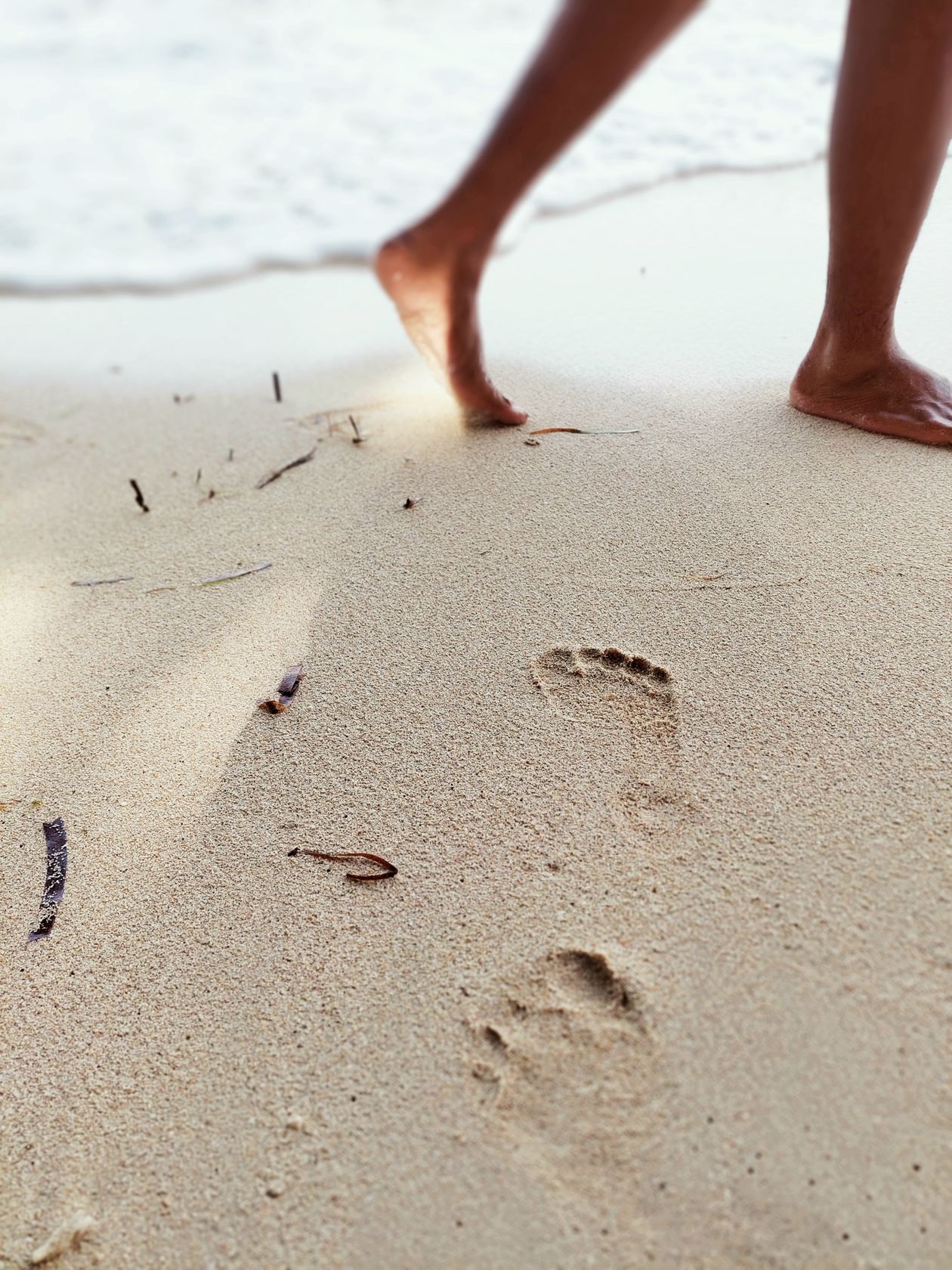
Practical Approach to Transitioning
If you decide to try minimalist or grounding shoes:
- Start with low-intensity activity only: walking, not running; flat surfaces first
- Limit initial use to 20 to 30 minutes per day: increase gradually over weeks
- Add foot strengthening exercises: toe spreads, single-leg calf raises, and arch doming alongside the shoe transition
- Expect minor Achilles or calf tightness in the first two to four weeks, this is normal as the Achilles adapts to reduced heel elevation; persistent or severe pain warrants slowing the transition
- Plan three to six months for full transition: not three to six weeks
Grounded Footwear Products Reviewed on VitalMove40
Grounded Footwear Barefoot Grounding Shoes, Original model with earthing/grounding sole. Wide toe box, zero-drop, conductive earth contact. Best for adults who want both foot mechanics and grounding benefits. US only.
Grounded Evolve Zero-Drop Casual Shoes, Everyday casual aesthetic in zero-drop construction. FlexForm upper, flexible sole, looks like mainstream footwear. Best for adults who want barefoot mechanics without the minimalist look. US only.
Frequently Asked Questions
Can barefoot shoes help with knee pain?
Some evidence suggests minimalist shoes reduce the knee adduction moment (the force that loads the medial compartment of the knee) compared to conventional cushioned shoes. For people with medial compartment knee osteoarthritis, this could be beneficial. The evidence is not strong enough to make this a universal recommendation, and the transition process must be gradual to avoid creating new problems while managing existing ones.
What is the difference between barefoot shoes and grounding shoes?
Barefoot shoes focus on foot mechanics: zero-drop sole, wide toe box, and flexible construction that mimics natural foot movement. Grounding shoes add a conductive element (typically copper or conductive carbon in the sole) that maintains electrical contact between the foot and the earth’s surface for earthing purposes. Some products, like the original Grounded Footwear shoe, combine both. Others, like the Grounded Evolve, focus on zero-drop mechanics without the earthing element.
Are barefoot shoes good for plantar fasciitis?
This depends on where the plantar fasciitis is in its course and what is driving it. For plantar fasciitis caused or maintained by weakness in the intrinsic foot muscles, the strengthening effect of minimalist shoes addresses the root cause over time. For acute plantar fasciitis, the reduced support typically worsens symptoms initially. A podiatrist’s guidance on timing and transition approach is valuable for this specific condition.
Do barefoot shoes improve posture?
Indirectly. The zero-drop design allows the ankle to maintain a more neutral position, which reduces the forward-lean cascade that elevated heels create through the ankle, knee, hip, and lumbar spine. For people whose posture is partly driven by years of heel-elevated footwear, the postural effects of transitioning to zero-drop shoes can be significant, but the change happens over months, not days.
What is the difference between barefoot shoes and minimalist shoes?
True barefoot shoes have essentially zero cushioning, a very thin sole for ground protection only, and zero heel drop. Minimalist shoes span a broader range: minimal heel drop (0–8mm), flexible soles, and wide toe boxes, with varying amounts of cushioning. Most people transitioning from conventional footwear benefit from a moderate minimalist shoe (some cushioning, zero or low drop) rather than jumping directly to true barefoot footwear.
Are grounding shoes worth it?
For adults who want both the foot mechanics benefits of zero-drop footwear and the potential anti-inflammatory effects of earthing, grounding shoes address both in a single daily-use product. If foot mechanics alone are the priority, any quality minimalist shoe achieves those. The grounding element is worth considering specifically for adults interested in extending the benefits of earthing beyond stationary mat or outdoor sessions. The research base for earthing is promising but still developing, expectations should be calibrated accordingly.
About the author: Richard Hale is an independent health writer focused on mobility, joint health, and active aging research. He is not a licensed medical professional. All content on VitalMove40 is for educational purposes only and is not a substitute for advice from a qualified healthcare provider.