Affiliate Disclosure: VitalMove40 earns a commission from purchases made through affiliate links on this page, at no extra cost to you. See our full Affiliate Disclosure Policy.
Last updated: September 10, 2026 | By Richard Hale
Grounded Footwear makes barefoot shoes designed around two ideas that have grown separately and now converge in a single product: minimalist footwear, which restores natural foot mechanics by removing the elevated heel and rigid sole of conventional shoes, and earthing, which proposes that direct electrical contact between the body and the ground has measurable physiological effects. If you have been searching for “grounding shoes” or “barefoot shoes after 40,” this review covers what Grounded Footwear actually offers, who benefits most, and what a realistic transition looks like.
This content is for educational purposes only and is not medical advice. For specific foot conditions including plantar fasciitis, significant arch collapse, or previous foot surgery, consult a podiatrist before making a significant change in footwear.
Note: Grounded Footwear ships to US addresses only.
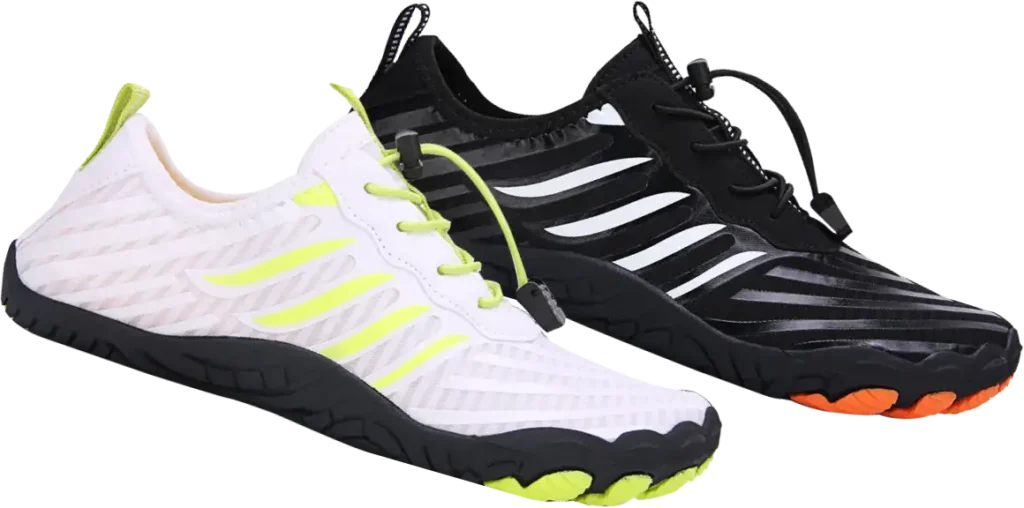
VitalMove40 Verdict, Grounded Footwear: 4.4 / 5
Best for: US-based adults 40+ committed to the minimalist/grounding transition over 3–6 months
✓ Wide toe box restores natural forefoot spread
✓ Zero-drop sole removes the heel pitch that alters knee and hip loading
✓ Earthing/grounding design for those interested in the electrophysiological angle
✗ Requires a disciplined 3–6 month transition, not plug-and-play
✗ US shipping only, not available outside the United States
Table of Contents
- What Are Grounding Shoes?
- The Earthing Difference
- Who Grounded Footwear Is For
- Design: What Zero-Drop and Wide Toe Box Actually Mean
- What It Offers
- Pros and Cons at a Glance
- What to Realistically Expect
- The Transition Commitment
- Who Should Buy, and Who Should Skip
- Verdict
- Frequently Asked Questions
What Are Grounding Shoes?
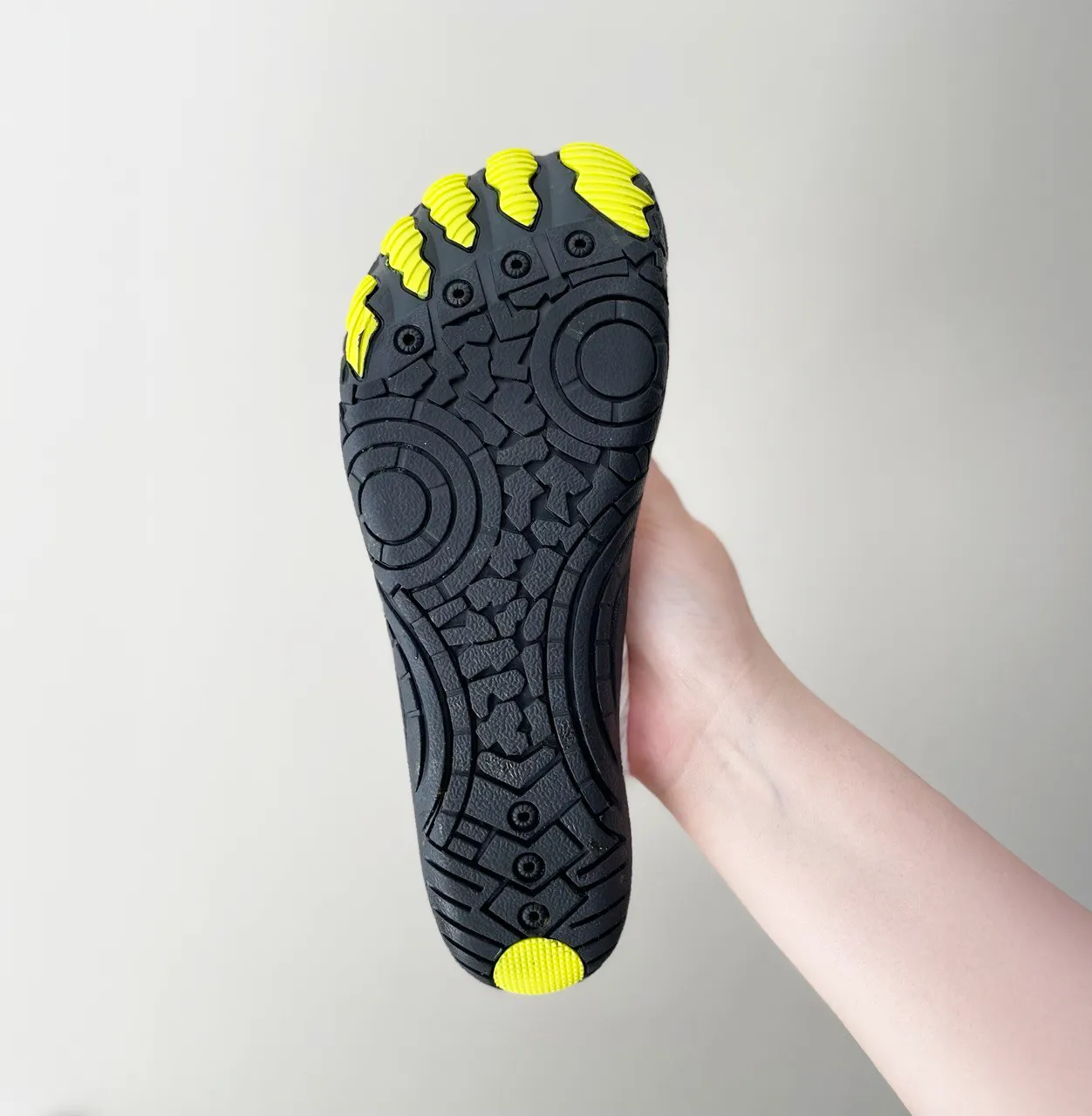
Grounding shoes (also called earthing shoes) are footwear designed to maintain a conductive connection between the wearer’s body and the earth’s surface. Standard shoe soles (rubber, EVA foam, synthetic materials) are electrical insulators that break the body’s natural ground contact. Grounding shoes use conductive materials in the sole (typically copper plugs or conductive carbon) that allow electrons to flow between the ground and the foot.
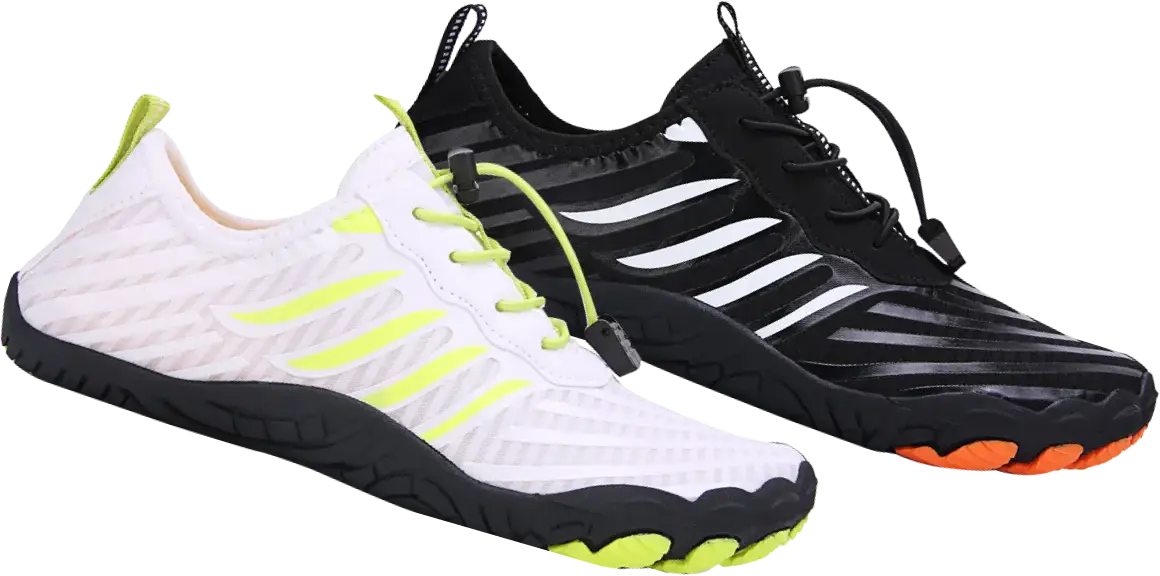
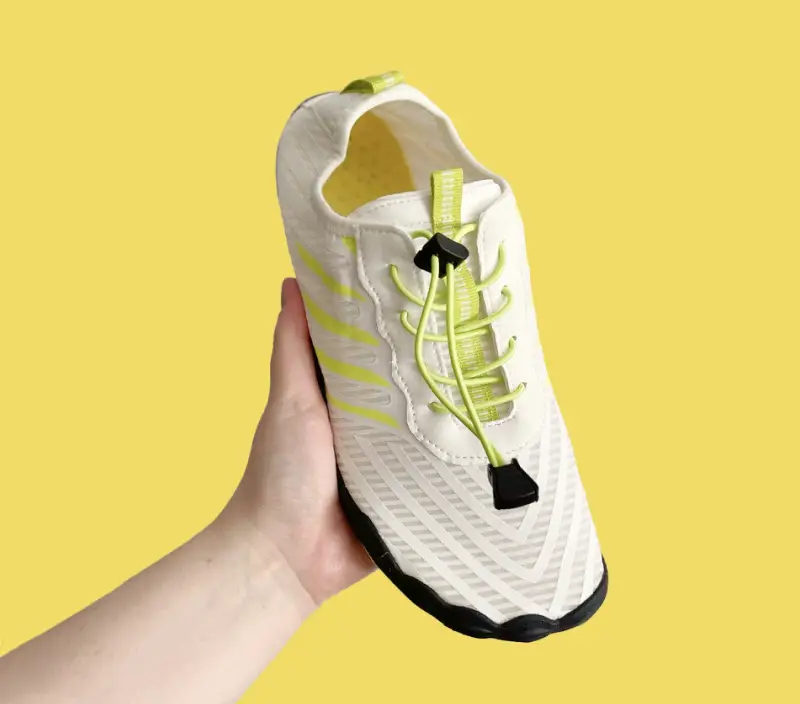
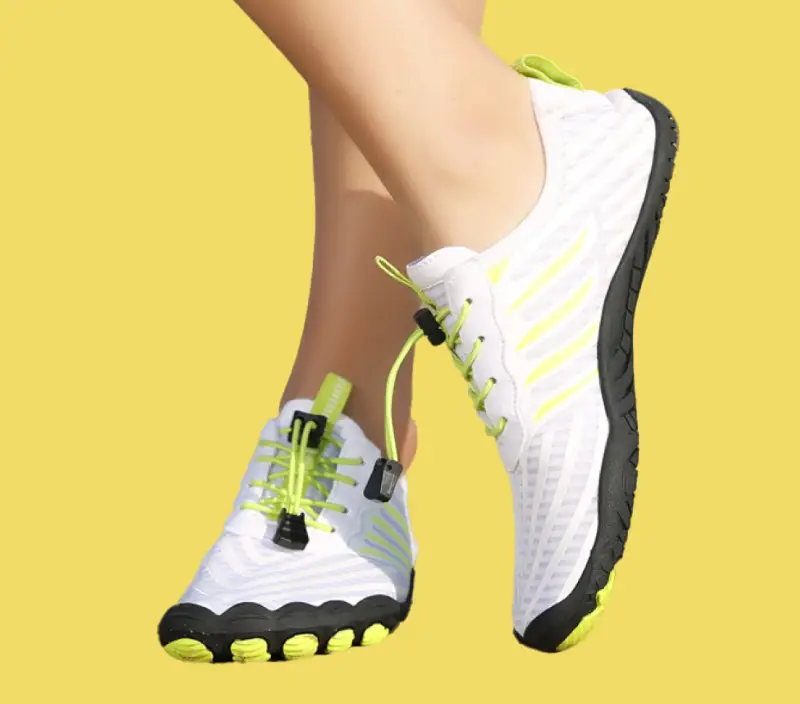
Grounded Footwear combines this earthing design with minimalist construction: a zero-drop sole, a wide toe box, and flexible materials that allow the foot to move as it would barefoot. The result is a shoe that addresses both the mechanical argument for barefoot movement and the electrophysiological argument for earthing, in daily-use footwear.
For adults who are familiar with the concept from grounding mats or grounding bed sheets (and want to extend that contact to their walking hours) grounding shoes are the wearable extension of the same approach. For the full evidence review on earthing and inflammation, see our guide on earthing and grounding.
The Earthing Difference
The earthing hypothesis holds that the earth carries a mild negative electrical charge, and that maintaining skin contact with the ground, as humans did routinely before rubber-soled footwear became universal, allows the body to absorb free electrons that act as antioxidants at the cellular level. Proponents link this to reduced inflammation markers, improved sleep, and faster recovery from physical activity.
The research base for earthing is preliminary but exists: a 2019 review in the Journal of Inflammation Research found measurable reductions in inflammatory markers (white blood cell counts, cytokine profiles) in earthed versus non-earthed subjects in controlled conditions. Effect sizes are modest and the literature is not yet large enough to draw firm clinical conclusions. What makes grounding shoes relevant is that they make the contact passive and continuous, you do not have to remember to use a mat or take off your shoes outside.
For adults over 40 managing chronic low-grade inflammation that contributes to joint pain, stiffness, and slow recovery, the earthing angle of grounding shoes is the most relevant differentiator from standard barefoot/minimalist footwear. If you are interested purely in the foot mechanics and gait benefits, any quality minimalist shoe achieves those. If the earthing contact matters to you, Grounded Footwear’s design specifically addresses that.
Who Grounded Footwear Is For
Grounded Footwear is best suited for US-based adults who are motivated to improve foot function and explore the grounding benefits, and who are willing to commit to a multi-month transition process. The core audience falls into two overlapping groups.
The first group has been reading about minimalist footwear, improved intrinsic foot muscle strength, better proprioception, reduced knee and hip loading from heel-strike patterns, and wants a daily-use shoe that supports that transition rather than a performance-oriented minimalist shoe. The second group has been interested in earthing (through mats, outdoor barefoot time, or research) and wants a way to maintain that ground contact throughout their walking day.
For adults over 40, the relevant benefits combine: improved ankle stability and balance (which reduces fall risk), reduced loading on the knee and hip joints through gait pattern changes, and (for those interested in the earthing angle) the potential anti-inflammatory effect of maintained ground contact. For the complete evidence breakdown on barefoot shoes versus conventional footwear, see our guide on barefoot shoes vs. traditional shoes.
Design: What Zero-Drop and Wide Toe Box Actually Mean
Zero-drop means the heel and forefoot sit at the same height, unlike conventional shoes where the heel is elevated 8 to 14 mm. This elevation seems minor but changes the entire kinetic chain: an elevated heel pitches the pelvis forward, loads the lumbar spine differently, and reinforces heel-strike patterns that increase impact forces at the knee and hip. Over decades, this shapes how the body moves in ways that minimalist shoes aim to reverse.
The wide toe box addresses a different problem. Standard footwear tapers at the toe, narrower than the human foot’s natural spread. Years of wearing narrow-toed shoes compress the forefoot, reduce the natural spread of the toes, and contribute to conditions including bunions, hammer toes, and hallux valgus. A wide toe box allows the toes to splay to their natural position, restoring the load distribution across the forefoot.
The flexible, thin sole is the third element. It allows sensory feedback from the ground, the proprioceptive signal that activates the small intrinsic muscles of the foot and contributes to balance and stability. Thick cushioned soles suppress this signal, which is one reason that people who wear heavily cushioned shoes over time show measurable reductions in intrinsic foot muscle activation.
What It Offers
Restored toe position. The wide toe box immediately changes forefoot load distribution for people whose current shoes are narrower than their natural foot width. The relief from forefoot compression is one of the faster-acting benefits, postural changes take months, but the reduction in toe compression is felt within days.
Gait pattern change. Without an elevated heel, the tendency to land on the heel first is reduced. The gait naturally shifts toward a midfoot or forefoot landing, which distributes impact forces across more of the foot and reduces the peak forces at the knee and hip that heel-striking generates.
Proprioceptive improvement. The thinner sole allows more sensory feedback from the ground surface. This is one of the mechanisms through which regular minimalist shoe use improves balance, directly relevant for fall prevention after 40, where balance decline is a significant independent risk factor.
Passive earthing contact. Unlike grounding mats that require you to be seated or stationary, grounding shoes maintain earth contact during movement, walking, errands, daily activity. For people who spend most of their day in shoes on insulated surfaces, this is the only practical way to extend grounding contact beyond dedicated sessions.
Pros and Cons at a Glance
| Pros | Cons |
|---|---|
| Wide toe box, restores natural foot spread | 3–6 month transition required; not plug-and-play |
| Zero-drop sole, removes heel pitch from kinetic chain | US shipping only, no international availability |
| Earthing/grounding contact during movement | Not suitable for people with acute plantar fasciitis or Achilles issues without podiatrist guidance |
| Improves proprioception and balance over time | Grounding effect only works on conductive surfaces (soil, grass, concrete), not on asphalt, carpet, or wood flooring |
| Daily-use design, suitable for errands, walking, light activity | No specific pricing shown on site, requires click-through to check |
What to Realistically Expect
The genuine benefits of barefoot shoes take months to develop, because the underlying changes are structural: intrinsic foot muscle strengthening, connective tissue adaptation, and movement pattern changes. What many people expect (immediate pain relief, instant posture improvement) is not what the transition looks like in practice.
The realistic timeline for most people transitioning from conventional cushioned footwear:
- Weeks 1–4: Achilles and calf tightness as tendons adapt to zero-drop from elevated heels; minor foot fatigue from unaccustomed intrinsic muscle loading. Normal and expected.
- Months 1–3: Gradual reduction in fatigue as foot muscles strengthen; improved proprioception during balance activities; some people notice better toe spread and reduced forefoot tension.
- Months 3–6: Structural adaptation in foot mechanics; postural changes from reduced heel elevation become more noticeable; gait pattern shifts become more natural and less deliberate.
The earthing effects, if experienced, tend to be reported more quickly, some people notice improved sleep quality and reduced morning stiffness within the first few weeks of consistent grounding shoe use. These effects are subjective and individual, but the research on earthing suggests they are consistent enough to be worth tracking.
The Transition Commitment
The evidence on minimalist shoe transitions is consistent: rapid transition is the primary cause of the injuries (metatarsal stress fractures, Achilles tendinopathy) that give minimalist footwear a negative reputation in some circles. People who attempt to walk at their normal volume in minimalist shoes from day one are overloading structures that have not yet adapted.
A responsible approach: start with 20 to 30 minutes per day, on flat surfaces, for the first month. Increase gradually. Combine with foot strengthening exercises, single-leg calf raises, toe spreads, arch doming. Expect six months before the shoe feels completely natural for extended wear.
For women specifically: the transition from heeled conventional footwear involves a more pronounced Achilles adaptation phase, since typical women’s footwear has higher heel elevation than men’s. Build up more gradually if coming from heeled shoes, and prioritize calf stretching alongside foot strengthening.
Who Should Buy, and Who Should Skip
Buy if you:
- Are in the US and committed to a 3–6 month transition process, not looking for immediate results
- Have been wearing conventional cushioned or heeled shoes for years and want to systematically rebuild foot strength and mechanics
- Are interested in earthing/grounding and want to extend that contact beyond stationary mat use
- Have noticed balance decline or ankle instability and want to address the proprioceptive component
- Are managing forefoot compression issues (bunion progression, toe crowding) driven by narrow-toed footwear
Skip if you:
- Are outside the US, the product does not ship internationally
- Have acute plantar fasciitis, a recent stress fracture, or significant arch collapse, consult a podiatrist before making this change
- Want a shoe for high-impact activity (running, hiking on uneven terrain) without having first completed the transition in daily-use conditions
- Are looking for immediate joint pain relief, the benefits are structural and take time
Verdict
Rating: 4.4 / 5
Grounded Footwear occupies a specific niche: the intersection of minimalist footwear and the earthing movement. For adults over 40 who are motivated by both the biomechanical evidence for zero-drop footwear and the anti-inflammatory case for grounding, it is one of the few daily-use shoes that addresses both in a single product.
The value depends entirely on the user’s willingness to commit to the transition. Worn as a replacement for conventional shoes from day one, the result is likely Achilles tightness and foot fatigue. Worn as part of a gradual transition plan, 20 to 30 minutes daily, increasing week by week, alongside foot strengthening, the result over six months is measurably improved foot strength, balance, and gait mechanics.
For US-based adults who are approaching this as a long-term investment in foot and joint health rather than a quick fix, Grounded Footwear is a well-designed tool for that process.
Check Current Price and Availability →
Ships to US addresses only. Backed by a 30-day return policy, see the guarantee FAQ below before you order.
Is Grounded Footwear Legit?
Yes. Grounded Footwear is a real US-based footwear brand producing barefoot grounding shoes with verifiable conductive materials in the sole. The company ships genuine physical products, the zero-drop construction, wide toe box, and conductive elements (copper or carbon compounds) in the sole are real, verifiable design features, not marketing descriptions of a generic shoe.
The brand sells through direct-to-consumer channels rather than traditional retail, which leads some buyers to search for confirmation of legitimacy. The product is genuine. The grounding mechanism, conductive contact between sole and earth on conductive surfaces, is physically real and works as described. Whether the electrophysiological benefits of earthing matter to you is a personal decision; the product itself and its construction are legitimate.
Frequently Asked Questions
What is the difference between grounding shoes and barefoot shoes?
Barefoot shoes focus on foot mechanics: zero-drop sole, wide toe box, and flexible construction that allows the foot to move naturally. Grounding shoes (also called earthing shoes) add a conductive element (typically copper plugs or carbon in the sole) that maintains electrical contact between the foot and the earth’s surface. Grounded Footwear combines both: it is a barefoot shoe with grounding capability. Standard barefoot shoes do not have the conductive sole that allows earthing.
Do Grounded Footwear shoes have copper in the sole?
Grounding shoes use conductive materials (including copper plugs or conductive carbon compounds) in the sole to allow electron transfer between the ground and the foot. This is what distinguishes a grounding shoe from a standard minimalist shoe. The conductive element only makes contact with the earth on conductive surfaces: grass, soil, sand, and concrete. It does not function on rubber, carpet, asphalt, or wood flooring.
Are Grounded Footwear shoes good for women transitioning from heeled shoes?
Yes, but the transition requires more care than for men coming from flat-soled shoes. Standard women’s footwear typically has more heel elevation than men’s, meaning the Achilles tendon and plantar fascia have adapted to a shortened position. The transition to zero-drop should be more gradual (starting with 15 to 20 minutes daily rather than 30) and calf stretching should be a daily complement to wearing the shoes. The wide toe box benefit is often more pronounced for women, whose feet are frequently more compressed by narrow conventional footwear.
How long does it take to get used to Grounded Footwear?
A full comfortable transition takes three to six months of gradual use. Initial Achilles tightness and foot fatigue in the first two to four weeks is normal and expected. The adaptation is structural, tendons, fascia, and intrinsic foot muscles take longer than cardiovascular fitness to adapt to new loading patterns. The transition timeline is not shorter by wearing the shoes more aggressively; it shortens by combining gradual wear with dedicated foot strengthening exercises.
Can I use grounding shoes on any surface?
The grounding effect only works on electrically conductive surfaces: soil, grass, sand, unsealed concrete, and stone. Rubber, asphalt, sealed wood flooring, carpet, and synthetic flooring are electrical insulators, the grounding contact does not function on these surfaces. For daily urban walking on concrete sidewalks, the earthing contact functions during outdoor use. For indoor use on carpet or wood, the shoe provides the barefoot/minimalist biomechanical benefits but not the earthing benefit.
Are these shoes good for plantar fasciitis?
It depends on the stage and the underlying cause. For plantar fasciitis driven by intrinsic foot weakness (which is a common contributor) the strengthening effect of minimalist shoes addresses the underlying cause over time. For acute plantar fasciitis, the reduced cushioning may worsen symptoms initially. The transition should be particularly gradual for people with plantar fasciitis, and podiatrist guidance is valuable before beginning. Do not use minimalist shoes to self-treat an acute plantar fasciitis flare.
Can I wear Grounded Footwear all day from the start?
No, this is the most common mistake in minimalist shoe transitions. Start with 20 to 30 minutes daily and increase gradually over weeks. All-day wear from day one is associated with Achilles tendinopathy and metatarsal stress fractures in people transitioning from conventional footwear. The connective tissue needs time to adapt, and that adaptation cannot be rushed.
Are Grounded Footwear shoes the same as barefoot shoes?
Yes, Grounded Footwear are barefoot shoes with an added grounding feature. The barefoot design is built around zero-drop construction, a wide toe box, and a thin flexible sole that allows natural foot movement and proprioceptive feedback. The grounding element, conductive materials in the sole that allow electron transfer between ground and foot, is an addition to the barefoot design, not a replacement for it. If you searched “grounded barefoot shoes reviews,” this is the correct product: a genuine barefoot shoe that also includes grounding functionality.
Does Grounded Footwear offer a money-back guarantee?
Yes. Grounded Footwear’s published returns policy allows returns within 30 days of delivery for a full refund or replacement, minus shipping and handling, provided the shoes are unworn and sent back in their original packaging. Some checkout pages have referenced a longer 90-day window, confirm the exact terms shown at your checkout before ordering, since offers can vary. Because the full transition benefit takes 3 to 6 months to develop, the 30-day window is realistically enough to evaluate sizing and initial comfort, not the complete adaptation process, use the brand’s sizing chart carefully before ordering so you are not returning shoes over a fit issue that a different size would have solved.
Is Grounded Footwear legit?
Yes. Grounded Footwear is a real US-based footwear brand with verifiable products that ship as described. The shoes use authentic minimalist construction (zero-drop, wide toe box, flexible sole) and real conductive materials in the sole for earthing contact. The brand sells direct-to-consumer, which leads some buyers to search for legitimacy confirmation. The product is genuine, the construction features are real and functional on compatible surfaces.
About the author: Richard Hale is an independent health writer focused on mobility, joint health, and active aging research. He is not a licensed medical professional. All content on VitalMove40 is for educational purposes only and is not a substitute for advice from a qualified healthcare provider.