Last updated: August 15, 2026 | By Richard Hale
Disclosure: This post contains affiliate links. If you purchase through our links, we may earn a commission at no extra cost to you. We only review products we believe are worth your consideration. Full disclosure here.
Available in: United States, Australia, United Kingdom, Germany and Austria.
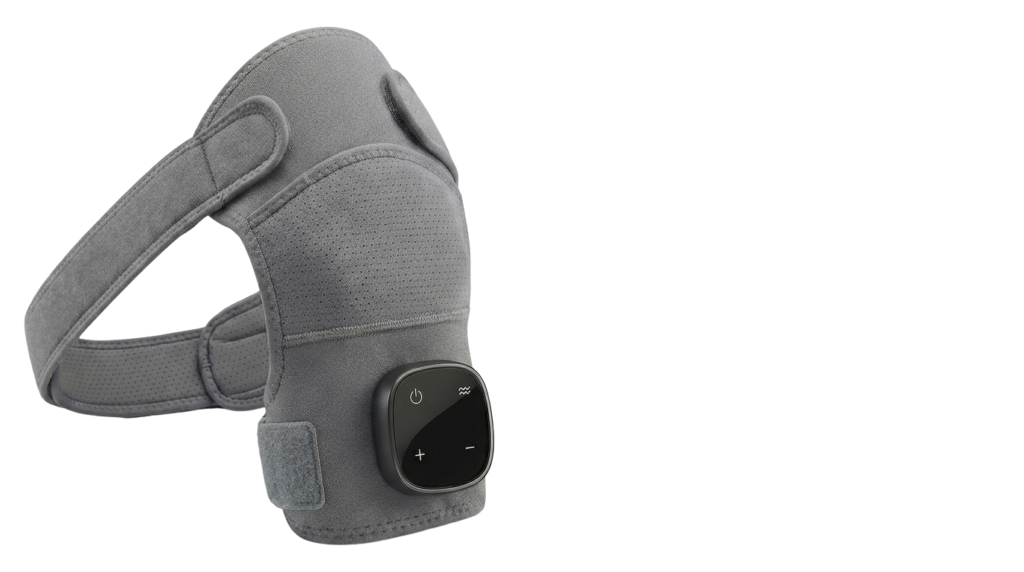
Most heat therapy products are made for one specific body part: a shoulder wrap stays on the shoulder, a knee sleeve stays on the knee. OptiJoint takes a different approach: it is a wearable heated wrap that combines heat therapy, vibration massage, and compression in a universal design that adapts to the shoulder, knee, elbow, thigh, or calf. For adults managing joint pain in more than one location, which describes most adults over 40, that versatility is genuinely useful.
This review covers what the device does, the evidence behind its combination approach, what using it actually involves, pricing, and who it makes sense for.
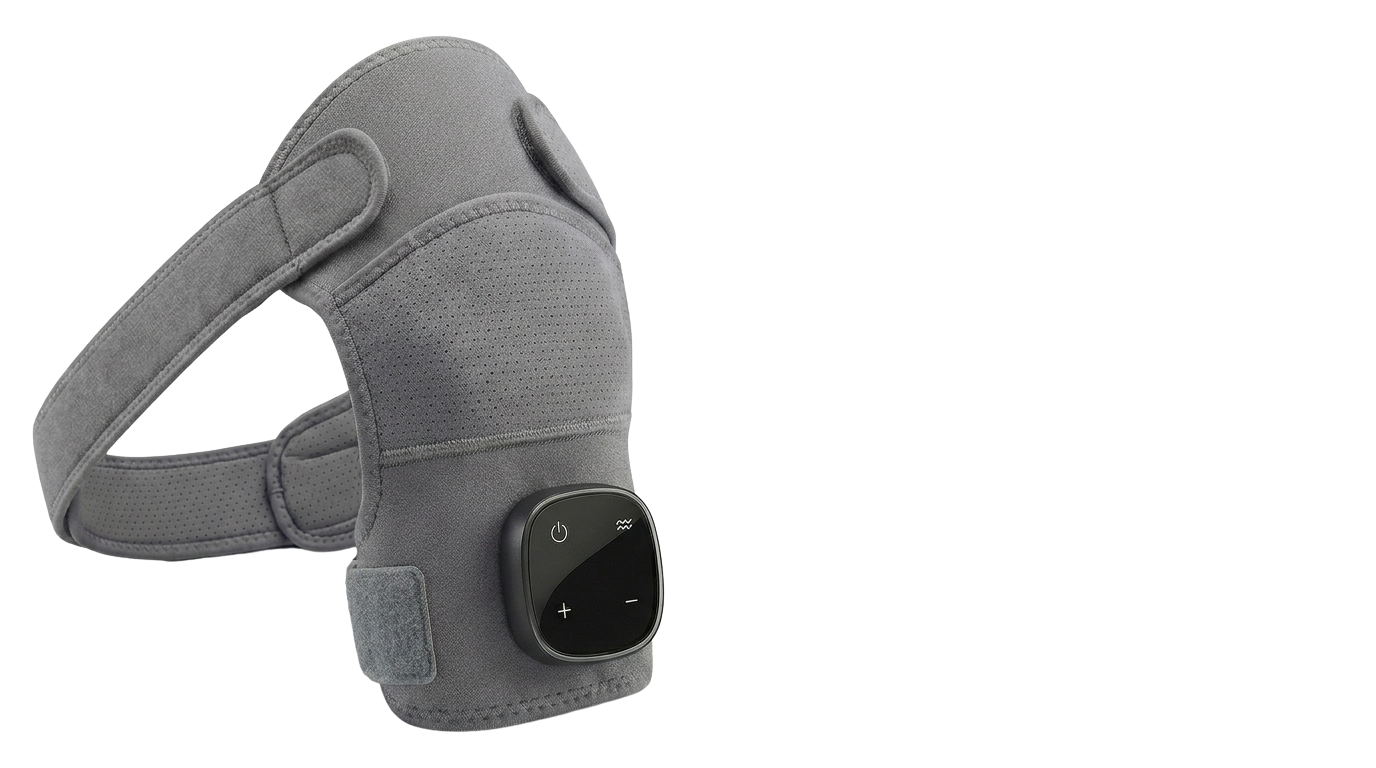
Table of Contents
- What OptiJoint Is and How It Works
- The Three-Mechanism Approach: Heat, Vibration, Compression
- What the Evidence Shows
- Specs and What’s in the Box
- Pricing and Guarantee
- Who It’s For and Who Should Pass
- Pros and Cons
- Frequently Asked Questions
What OptiJoint Is and How It Works
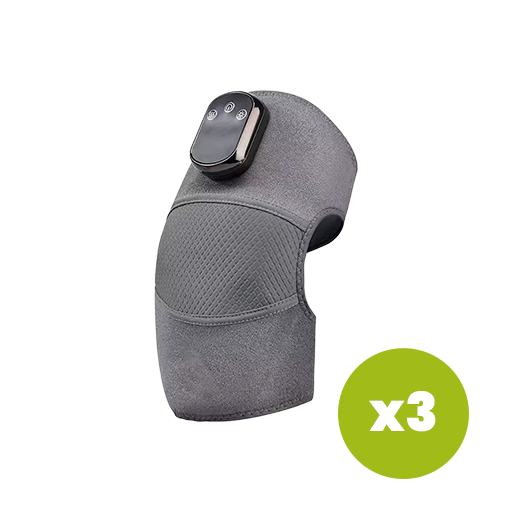
OptiJoint is a wearable thermal therapy device, not a supplement, not a topical, not a passive brace. It wraps around the target joint and delivers three simultaneous therapeutic inputs: controlled heat, vibration, and compression. A one-button control module manages all three; the device is wireless and rechargeable, designed for use at home while seated, reading, or resting.
The design is notably flexible. The adjustable strap with universal fit (80–120 cm circumference) means the same device can be repositioned from shoulder to knee to elbow to thigh to calf across sessions, something purpose-built wraps cannot do. For adults who experience pain in multiple joints, this single-device versatility reduces the cost and storage footprint of a full recovery toolkit.
The heat element reaches up to 45°C across three adjustable levels. The vibration component operates at three intensity settings independent of heat level. Users can run heat alone, vibration alone, or both simultaneously, though the combination is where the device’s claimed synergistic effect is most relevant.
Rating: 3.8 / 5. A well-designed multi-mechanism heat therapy wrap with genuine versatility advantage over single-joint devices. Available in four markets across North America, Europe, and Oceania. The 30-day guarantee is short relative to the time needed to establish habit and assess chronic pain benefit.
The Three-Mechanism Approach: Heat, Vibration, Compression
Heat Therapy (up to 45°C)
Heat applied to a joint increases local tissue temperature, which produces several effects: vasodilation (increased blood flow to the area), reduced muscle spindle activity (less reflex muscle guarding), decreased joint stiffness through changes in synovial fluid viscosity, and a mild analgesic effect through heat receptor activation. These effects are well-established in physiotherapy and are the basis for recommending heat for chronic joint pain and stiffness as opposed to ice, which is more appropriate for acute inflammation. For the kind of morning stiffness and aching that characterises osteoarthritis and chronic joint conditions in adults over 40, heat is generally the more useful intervention. See our article on heat vs ice for joint pain for the full breakdown of when each applies.
The 45°C ceiling is clinically relevant: it is warm enough to produce therapeutic vasodilation without reaching the threshold where prolonged skin contact risk of burns becomes significant. The three-level adjustment allows users to start low and find their effective temperature without guessing.
Vibration Massage
Mechanical vibration applied to a joint or muscle has two main documented effects: sensory gating (vibration activates large-diameter sensory fibers that partially suppress pain signal transmission, the same principle as rubbing a bumped elbow) and increased local circulation through rhythmic tissue stimulation. At therapeutic amplitudes, vibration also reduces perceived muscle tension and may assist in breaking adhesion patterns in chronically stiff periarticular tissue. The principle is similar to a massage gun for muscle recovery, though OptiJoint’s vibration is gentler and targets the joint capsule rather than muscle bellies. The combination of vibration with heat is more effective than either alone for tension reduction: the heat relaxes the tissue, and vibration works into already-relaxed muscle more effectively.
Compression
Compression around a joint reduces swelling by opposing outward fluid pressure, provides proprioceptive input (which improves joint position sense, particularly useful in unstable or post-injury joints), and can reduce pain perception through sensory mechanisms similar to vibration. The compression in OptiJoint is adjustable via the wrap strap rather than fixed-pressure graduated sleeves, which means users control the compression level but without the precise pressure calibration of medical-grade compression garments. For general use in adults without significant oedema, adjustable compression is appropriate.

What the Evidence Shows
Each of OptiJoint’s three mechanisms has its own evidence base:
Heat for chronic joint pain: Well-established. A systematic review of thermotherapy in musculoskeletal conditions (French et al., 2006, Cochrane Database) found that heat wraps produce clinically meaningful pain reduction and functional improvement in low back pain. Similar findings have been replicated in knee and shoulder OA. Heat is consistently recommended by physiotherapists as a first-line home intervention for chronic stiffness and aching.
Vibration for pain relief: Good mechanistic evidence, strong for acute pain gating, more variable in chronic conditions. A 2014 review (Lundeberg) in Pain found vibration reliably activates large-fiber sensory gating. Clinical magnitude in chronic conditions is moderate.
Compression for joint support: Well-evidenced for swelling reduction; evidence for pain reduction alone is more limited. Most relevant in the acute post-injury phase or for joints with chronic oedema.
No randomised trial has tested OptiJoint specifically. The device’s combination approach is clinically logical: each mechanism addresses a different aspect of joint pain and stiffness, but the “synergy” effect of the three together has not been quantified in a published trial for this specific product. That is typical of consumer therapeutic devices and does not undermine the individual mechanism evidence.
Specs and What’s in the Box
| Specification | Detail |
|---|---|
| Heat levels | 3 (up to 45°C) |
| Vibration levels | 3 intensity settings |
| Battery | 2000mAh lithium polymer, 3.7V, 7.5W |
| Charge time | 2 hours |
| Usage time | 60+ minutes per charge |
| Universal fit | 80–120 cm circumference (31–47 in) |
| Materials | Elastic cloth, neoprene, composite cloth with fleece lining |
| Design | Ambidextrous (left or right side) |
| Compatible joints | Shoulder, knee, elbow, thigh, calf |
| Guarantee | 30-day money-back |
| Markets | United States, Australia, United Kingdom, Germany, Austria |
In the box: OptiJoint heated wrap, control module, USB charging cable, user manual.
Pricing and Guarantee
| Package | Per unit (USD) | Total | Discount |
|---|---|---|---|
| 1x | $59.95 | $59.95 | 50% off |
| 2x | $53.95 | $107.90 | 55% off |
| 3x | $35.97 | $107.91 | 70% off |
| 4x | $29.98 | $119.92 | 75% off |
Pricing for Australia, UK, and Germany/Austria is displayed in local currency at checkout. The 3x and 4x bundles represent the most significant savings, relevant for households where multiple family members use the device, or for adults who want to keep one at the office and one at home.
The 30-day guarantee is the main structural concern. Chronic joint pain management requires consistent use over weeks to assess benefit. Whether heat therapy is helping with morning stiffness may not be fully clear within a month of irregular use. Commit to a structured routine from the first day to get meaningful feedback within the guarantee window.
US: See current US pricing →
Australia: See current AU pricing →
UK: See current UK pricing →
Germany / Austria: See current DE/AT pricing →
Who It’s For and Who Should Pass
Good fit for:
- Adults with chronic shoulder, elbow, or knee pain that flares on stairs where morning stiffness and aching (not acute inflammation) is the primary complaint. Heat is specifically appropriate for this pattern
- Adults managing pain in multiple joints who want one device that adapts rather than separate products for each area
- Adults who find passive heat (heating pad, warm bath) helpful but want a hands-free, wearable option that delivers heat while moving or doing other tasks
- Post-activity recovery: using OptiJoint for 20–30 minutes after exercise reduces next-day stiffness through the same mechanisms physiotherapy uses heat in clinical recovery protocols. Pairing it with low-impact exercise for joints supports the same goal from the movement side
- Australia, UK, Germany, and Austria users: available in four markets, not limited to the US like many competitors
Who should look elsewhere:
- Adults with acute joint flares (swollen, hot, red joints). Heat is contraindicated in active acute inflammation. Use cold for acute phases; heat once the acute flare subsides. See our guide on when to use heat instead of ice.
- Adults with pacemakers or implanted electrical devices: vibration therapy is generally contraindicated near the chest in these cases
- Adults with deep vein thrombosis or circulatory conditions where heat-induced vasodilation could be contraindicated. Consult a physician first
- Adults seeking structural joint support (glucosamine, cartilage maintenance). OptiJoint addresses pain and stiffness symptomatically; it does not provide structural joint support
Pros and Cons
| Pros | Cons |
|---|---|
| Three mechanisms in one device: heat + vibration + compression | 30-day guarantee short for chronic pain assessment |
| Universal design adapts to 5 joint locations | No independent clinical trial data for this specific device |
| Available in US, AU, UK, DE, and AT (broader than most competitors) | AU/UK/DE/AT pricing not displayed upfront (visible at checkout) |
| 60+ min battery per charge, one charge covers multiple daily sessions | Compression level is manually adjusted, not calibrated like medical-grade garments |
| Strong bundle discounts (up to 75% off at 4x) | Fleece/neoprene material may feel warm in summer use |
| Wireless and portable, usable during daily activities | No additional cons noted |
Frequently Asked Questions
Can I use OptiJoint on my knee as well as my shoulder?
Yes. The universal strap (80–120 cm circumference) and ambidextrous design allows the same device to be repositioned to the knee, elbow, thigh, or calf between sessions. The heat element is embedded in the wrap body and works regardless of the joint it is applied to. Most users find shoulder and knee are the two most common application sites, but the device is genuinely versatile across all five listed joint areas.
Should I use heat or ice for joint pain first?
It depends on the type of pain. For acute pain with swelling and warmth (an active inflammatory flare), ice is appropriate in the first 24–72 hours; heat would increase local blood flow and worsen swelling. For chronic stiffness, aching, and post-activity soreness without active swelling, heat is generally more effective. Most adults over 40 with ongoing joint issues are managing chronic rather than acute pain, which is where devices like OptiJoint are most appropriate. See our detailed guide on heat vs ice for joint pain.
How long should I use OptiJoint per session?
The device’s 60+ minute battery supports extended use, but most physiotherapy heat therapy protocols use 15–20 minute sessions, enough time for tissue temperature to rise and produce therapeutic vasodilation without risk from prolonged skin contact at 45°C. Running heat at maximum for 60 minutes continuously is not necessary and may cause skin irritation in sensitive individuals. A 15–20 minute heat session once or twice daily is the appropriate protocol for chronic joint stiffness management.
Is OptiJoint a TENS device?
No. OptiJoint uses mechanical vibration, not electrical nerve stimulation. TENS delivers electrical current to stimulate sensory nerve fibers. OptiJoint’s vibration component works through mechanical pressure on tissue, activating mechanoreceptors rather than delivering electrical current. The mechanisms produce partially overlapping pain gating effects but through different pathways and different safety profiles. OptiJoint does not require the same contraindication screening as TENS or EMS devices (though implanted device precautions still apply for the vibration component near the chest).
Can I use OptiJoint while it is charging?
Most wearable heat therapy devices of this type advise against use during charging for safety reasons. Check the user manual for OptiJoint’s specific guidance on this. The 60+ minute battery life per charge makes sequential use-then-charge a practical routine: 20-minute morning session, recharge during the day, 20-minute evening session.
About the author: Richard Hale is an independent health writer focused on mobility, joint health, and active aging research. He is not a licensed medical professional. All content on VitalMove40 is for educational purposes only and is not a substitute for advice from a qualified healthcare provider.