
Last updated: July 14, 2026 | By Richard Hale
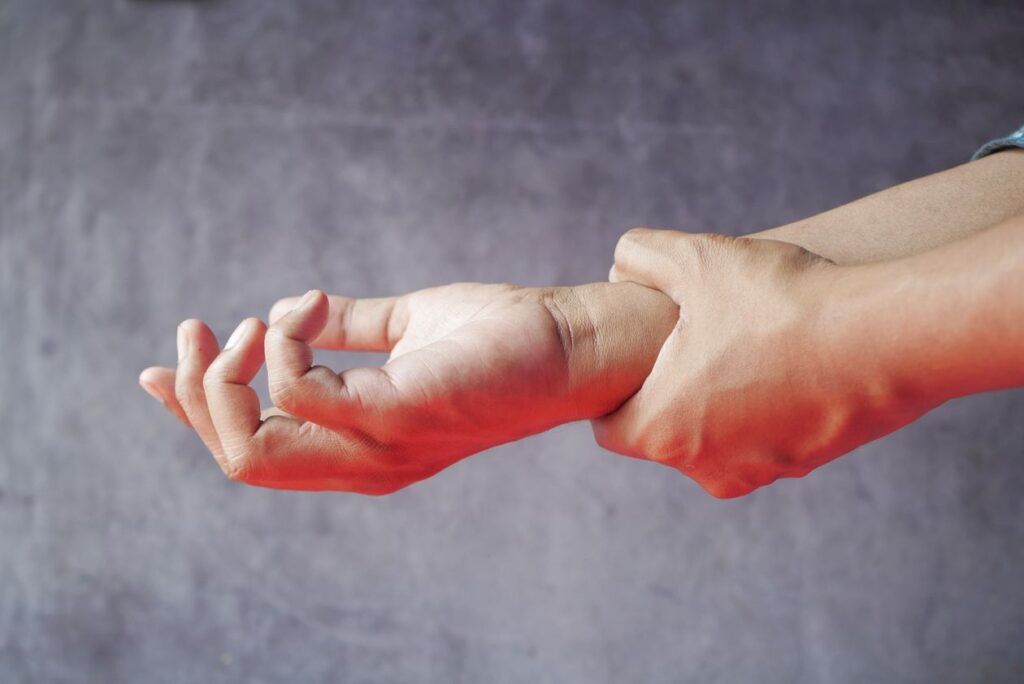
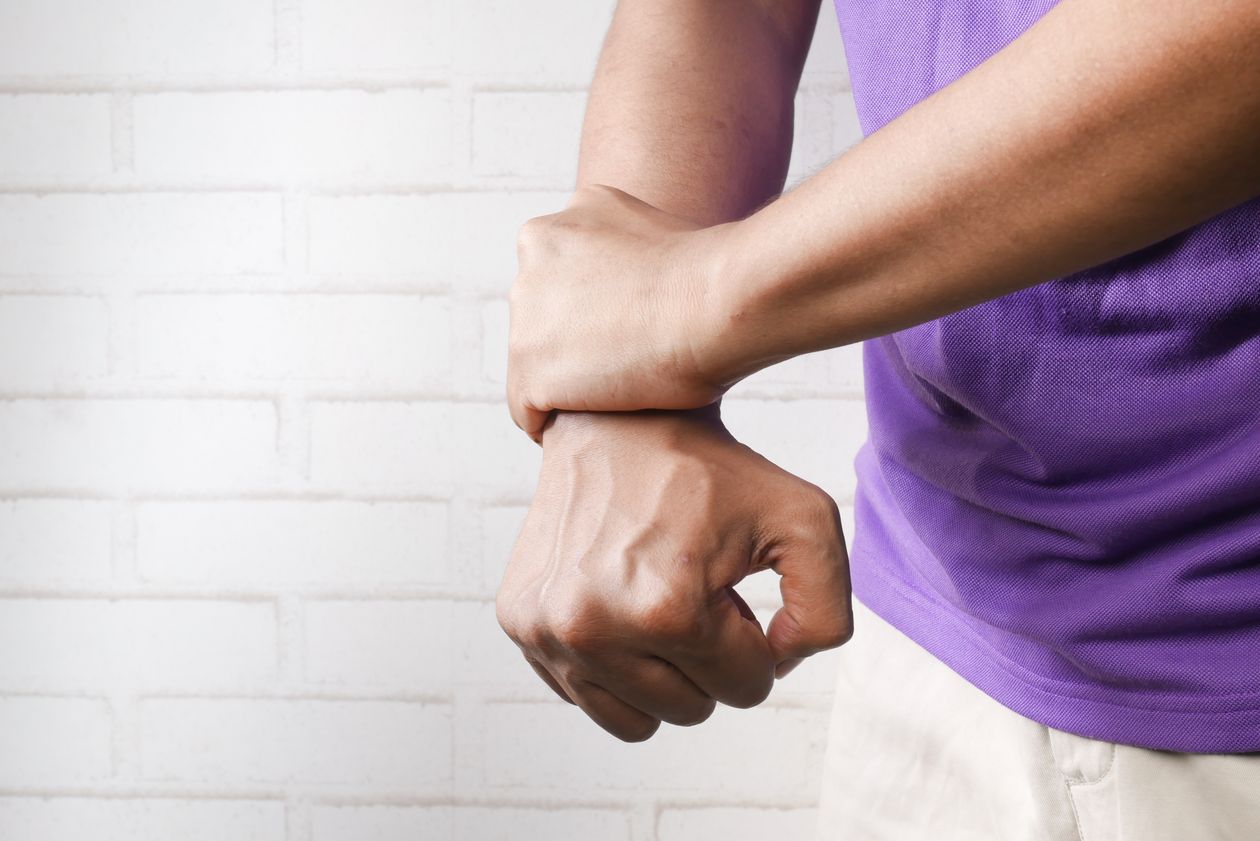
Wrist and hand pain in adults over 40 most often comes from one of four sources: carpal tunnel syndrome, De Quervain’s tenosynovitis, trigger finger, or hand osteoarthritis. Each has a distinct pattern of symptoms, a different cause, and a different treatment approach. Identifying which you have is the necessary first step before any intervention makes sense.
This content is for educational purposes only and is not medical advice. Hand and wrist conditions often benefit from specific diagnosis by a hand surgeon or occupational therapist, as self-management strategies differ significantly between conditions.
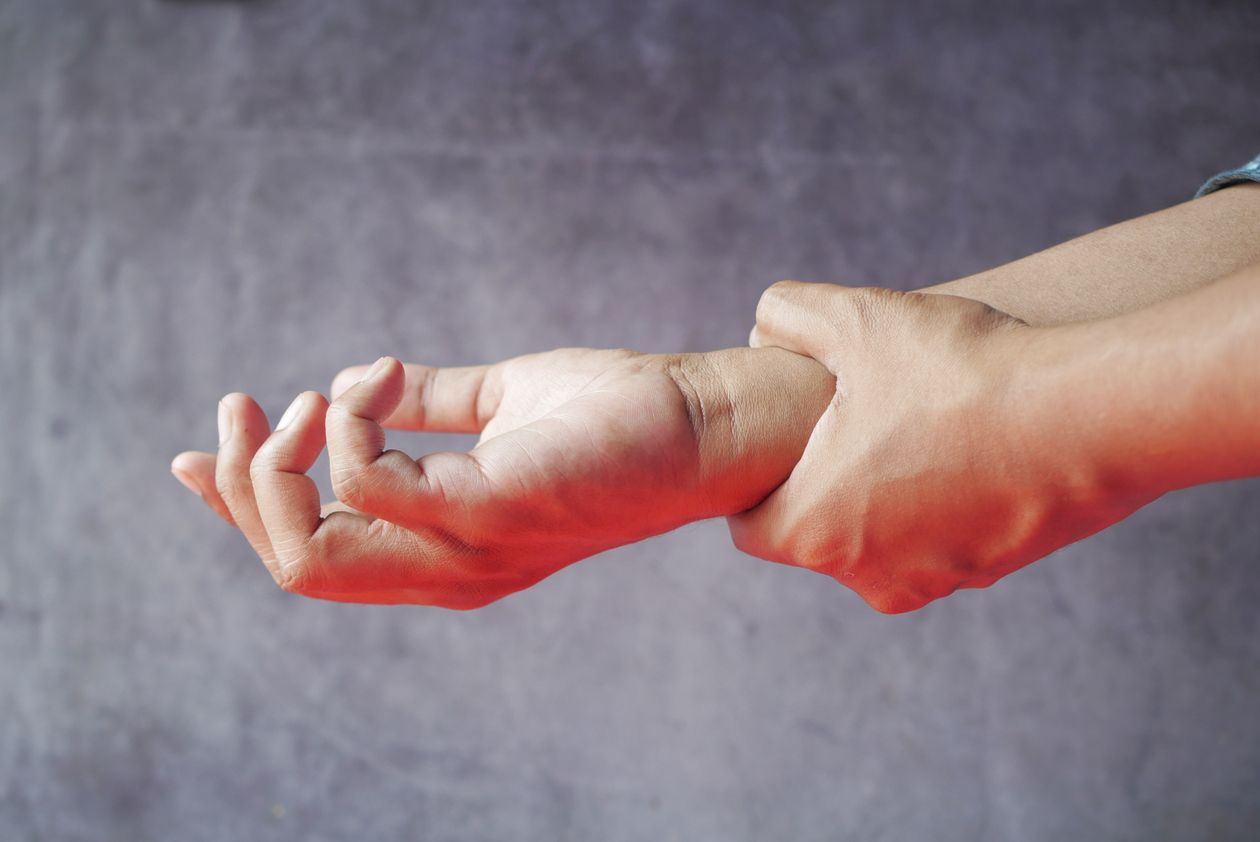
Table of Contents
- Carpal Tunnel Syndrome
- De Quervain’s Tenosynovitis
- Trigger Finger
- Hand Osteoarthritis
- Self-Care Strategies That Work Across Conditions
- When to See a Specialist
- Frequently Asked Questions
Carpal Tunnel Syndrome
Carpal tunnel syndrome (CTS) is caused by compression of the median nerve as it passes through the carpal tunnel, a narrow passage in the wrist formed by wrist bones and the transverse carpal ligament. The median nerve supplies sensation to the thumb, index, middle, and half of the ring finger, and motor control to the thumb muscles.
The characteristic symptoms are nighttime numbness and tingling in these fingers (often waking the person up), hand weakness or clumsiness (difficulty gripping or dropping objects), and symptoms that improve temporarily with shaking the hand out. The nighttime pattern is distinctive, fluid accumulates in the carpal tunnel when the wrist is held in flexion during sleep, increasing pressure on the nerve.
After 40, CTS becomes significantly more common, particularly in women (3:1 ratio), due to hormonal changes affecting fluid retention in the wrist, repetitive occupational hand use accumulated over decades, and medical conditions like thyroid disorders and diabetes that increase risk. A nerve conduction study confirms the diagnosis and assesses severity.
What helps: wrist splints worn at night (keeping the wrist in a neutral position eliminates the sleep-time compression), activity modification to reduce prolonged wrist flexion, corticosteroid injection for moderate symptoms, and surgical carpal tunnel release for severe or progressive cases. Surgery for CTS has excellent outcomes and is a straightforward day procedure.
De Quervain’s Tenosynovitis
De Quervain’s affects the tendons on the thumb side of the wrist, specifically the abductor pollicis longus and extensor pollicis brevis, which control thumb movement. These tendons pass through a tight tunnel at the base of the thumb, and repetitive thumb and wrist movements cause the tendon sheath to thicken and inflame.
The identifying symptom is pain and swelling at the base of the thumb (the “anatomical snuffbox” area), which is worse with pinching, gripping, and any movement that loads the thumb. The Finkelstein test, making a fist with the thumb tucked inside and bending the wrist toward the little finger, reproduces the pain sharply and is the standard clinical diagnostic test.
De Quervain’s increased significantly with the rise of smartphone and tablet use (repeated scrolling and texting), and it became so common in new parents that it earned the name “mommy wrist”, but it affects men and women equally across various repetitive thumb-use patterns.
What helps: a thumb spica splint that immobilizes the wrist and base of the thumb (not a standard wrist brace, it must extend to include the thumb), activity modification, ice, and NSAIDs for acute inflammation. Corticosteroid injection into the tendon sheath is highly effective when conservative measures are insufficient. Recurrence is common if the underlying movement pattern is not addressed.
Trigger Finger
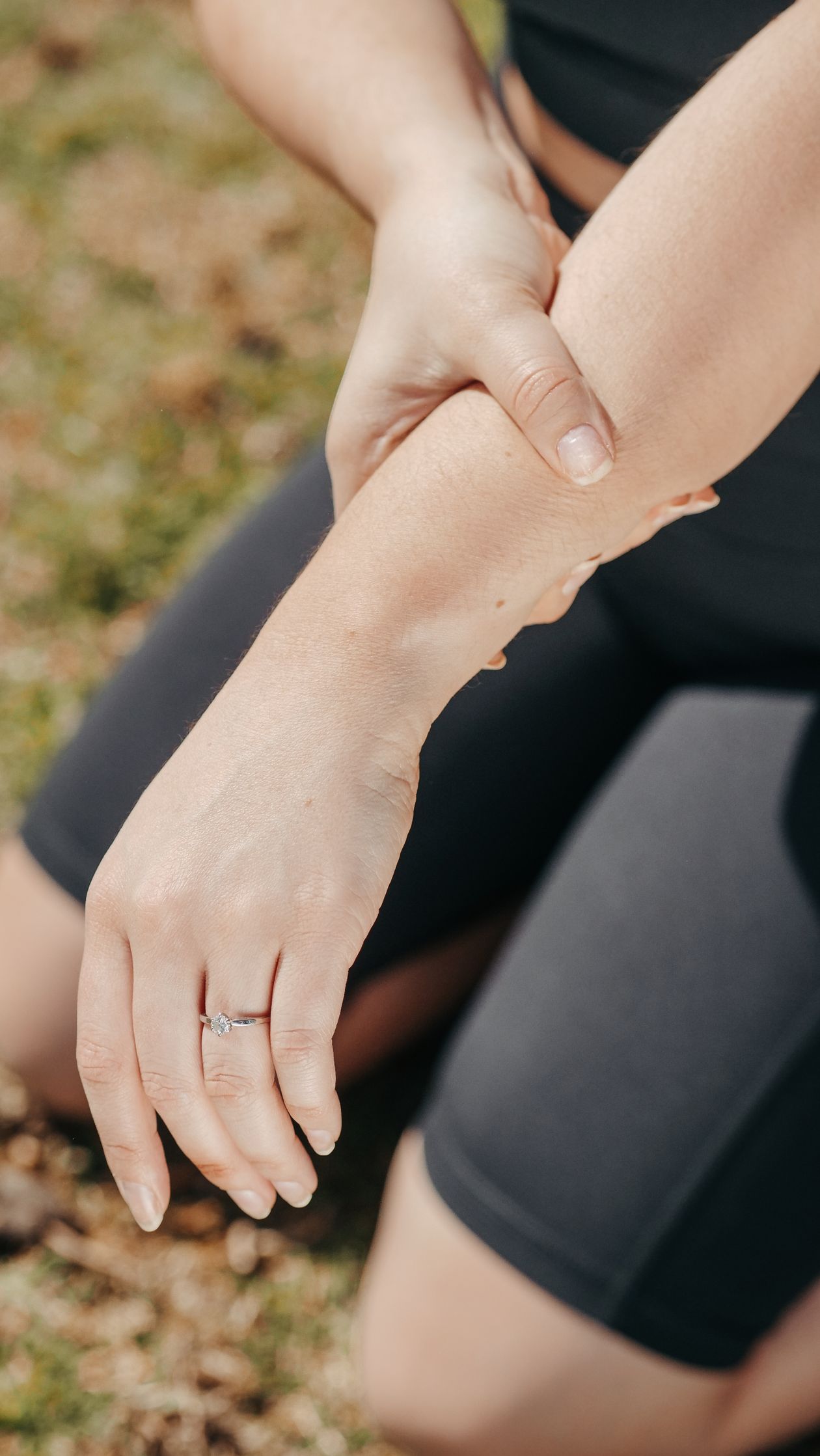
Trigger finger (stenosing tenosynovitis) affects the flexor tendons that run through the palm and bend the fingers. A pulley system of small rings holds these tendons close to the bone, when one pulley becomes thickened, the tendon catches on it when trying to pass through, producing the characteristic catching, clicking, or locking sensation when bending and straightening the finger.
In moderate trigger finger, the finger may lock in a bent position and require the other hand to straighten it. In severe cases, the finger locks completely in flexion. The base of the affected finger is usually tender on the palm side, pressing on the A1 pulley (the most commonly affected) produces the tenderness.
Risk factors include repetitive gripping activities, diabetes (which significantly increases the risk of multiple trigger fingers), rheumatoid arthritis, and age. It becomes more common after 40 in both sexes.
What helps: activity modification, night splinting to keep the finger extended, NSAIDs for inflammation, and corticosteroid injection into the tendon sheath (the most effective non-surgical treatment, with a success rate of 60-90% for a single injection). Surgical release of the A1 pulley is simple, definitive, and appropriate when injection does not provide lasting relief.
Hand Osteoarthritis
Hand OA most commonly affects the base of the thumb (first carpometacarpal joint), the middle knuckles (proximal interphalangeal joints, the ones that develop Bouchard’s nodes), and the end knuckles (distal interphalangeal joints, the ones that develop Heberden’s nodes). The pattern is typically bilateral and symmetrical.
The base of thumb joint (CMC joint) is under significant load during pinching and gripping, activities as simple as opening jars or turning keys. Pain localized to the thumb base that worsens with these activities and improves with rest is the hallmark. Grip strength diminishes as the condition progresses.
Unlike RA, hand OA morning stiffness lasts less than 30 minutes (RA stiffness is typically more than an hour). The knobby enlargements at the knuckle joints are bony, not soft and swollen as in inflammatory arthritis.
What helps: thumb spica splint for CMC OA (reduces joint load during daily activities), assistive devices (jar openers, ergonomic tools), heat therapy (paraffin wax baths for stiffness), hand exercises to maintain strength and range of motion, and topical NSAIDs (diclofenac gel) which are effective at the small joints with lower systemic side effects than oral NSAIDs. Surgical options (CMC arthroplasty) are available for severe thumb base OA and have good long-term outcomes.
Self-Care Strategies That Work Across Conditions
Appropriate splinting: different conditions require different splints, a carpal tunnel brace is different from a thumb spica for De Quervain’s or CMC OA. Using the wrong splint for your condition provides no benefit. Have the right type confirmed by a healthcare provider or occupational therapist.
Heat for stiffness, cold for acute inflammation: paraffin wax baths for hand OA and morning hand stiffness are consistently beneficial. Ice for acute trigger finger or De Quervain’s flares reduces inflammation in the short term.
Hand exercises: gentle range-of-motion exercises, finger tendon gliding exercises, gentle fist-making and extension, maintain joint mobility without significantly loading painful structures. Squeezing a stress ball or hard grip exercises are not appropriate during acute inflammatory flares of any of these conditions.
Activity modification: using two hands instead of one to distribute load, choosing tools with ergonomic grips, using assistive devices for high-load tasks (jar openers, electric can openers) reduces daily symptom burden across all of these conditions.
When to See a Specialist
See a hand surgeon or rheumatologist if symptoms significantly limit daily hand function; if numbness, weakness, or finger locking is progressive; if you have tried splinting and NSAIDs for 6-8 weeks without improvement; or if you are unsure of the diagnosis. Hand conditions in this category respond well to targeted injection or minor surgery when correctly identified, guessing between conditions or trying generic treatments often delays effective care.
An occupational therapist specializing in hand therapy is an underutilized resource for all of these conditions, they can assess hand mechanics, provide custom splinting, and teach specific exercise programs tailored to your condition.
Frequently Asked Questions
How do I know if I have carpal tunnel or something else?
Carpal tunnel syndrome specifically causes numbness and tingling in the thumb, index, middle, and half of the ring finger, not the little finger (which is supplied by a different nerve). Symptoms are typically worst at night and early morning. De Quervain’s causes pain at the base of the thumb, not numbness. Trigger finger causes catching and locking when bending and straightening a finger. Hand OA causes pain and stiffness at the knuckle joints and thumb base. If you are uncertain, a nerve conduction study can confirm CTS specifically.
Does typing cause carpal tunnel syndrome?
The evidence does not support typing as a primary cause of carpal tunnel syndrome. CTS is primarily associated with sustained wrist flexion (more than typing, which keeps the wrist near neutral), repetitive gripping with a flexed wrist, and conditions like hypothyroidism, diabetes, and pregnancy. Keyboard workers do develop CTS, but the causal relationship with typing is weaker than commonly assumed. The benefit of ergonomic keyboard positioning is real but the primary mechanism is reducing wrist flexion angle rather than reducing keystrokes per se.
What causes wrist and hand pain after 40?
The most common causes of wrist and hand pain after 40 are: osteoarthritis (particularly at the base of the thumb and small finger joints), carpal tunnel syndrome (median nerve compression at the wrist), De Quervain’s tenosynovitis (inflammation of the thumb tendons), and trigger finger (flexor tendon catching). Rheumatoid arthritis preferentially affects the hands and wrists and should be considered when multiple small joints are symmetrically swollen and stiff with significant morning duration. The pattern of pain location and associated symptoms largely differentiates these conditions and should guide whether a rheumatology, hand therapy, or physiotherapy referral is most appropriate.
How do I know if my hand pain is arthritis or carpal tunnel?
The key distinguishing features: carpal tunnel syndrome produces numbness and tingling in the thumb, index, middle, and part of the ring finger, the little finger is typically not affected. Symptoms are often worse at night and when the wrist is held in flexion. Hand arthritis produces local joint pain and swelling with morning stiffness and pain with specific joint loading. A reliable self-test: if symptoms are relieved by shaking the hand (Flick Sign), carpal tunnel is likely. For arthritis, shaking does not help but warmth and gentle movement after waking typically eases stiffness.
What is the most effective treatment for thumb arthritis?
For basal thumb arthritis, the evidence-supported management hierarchy is: a rigid thumb splint worn during activities that aggravate pain to reduce joint stress; hand therapy exercises targeting the thenar muscles and extrinsic thumb tendons; activity modification to avoid sustained pinch gripping; and topical anti-inflammatory gel applied over the joint. Steroid injections into the CMC joint provide effective but temporary relief. For severe structural deterioration with significant function loss after failed conservative management, surgical options including trapeziectomy are available with good long-term outcomes. Starting with splinting and targeted hand therapy before considering injection or surgery is the appropriate conservative sequence.
About the author: Richard Hale is an independent health writer focused on mobility, joint health, and active aging research. He is not a licensed medical professional. All content on VitalMove40 is for educational purposes only and is not a substitute for advice from a qualified healthcare provider.