

Affiliate Disclosure: VitalMove40 earns a commission from purchases made through affiliate links on this page, at no extra cost to you. See our full Affiliate Disclosure Policy.
Last updated: October 13, 2026 | By Richard Hale
The best pillow for neck and back pain is one that maintains cervical and lumbar spine alignment throughout the night, keeping the head, neck, and shoulders in the same neutral relationship you would have standing upright. After reviewing the top options for 2026, Melara Max Pillow is the top pick for side and back sleepers with neck pain: it provides the right combination of loft, firmness, and contouring to maintain neutral cervical alignment across sleep positions.
This content is for educational purposes only and is not medical advice. Persistent neck or back pain warrants evaluation by a healthcare provider regardless of pillow choice.
Table of Contents
- Quick Picks
- How Your Pillow Affects Neck and Back Pain
- Side-by-Side Comparison
- Product Reviews
- Frequently Asked Questions
Quick Picks
Best Pillows for Neck and Back Pain, 2026
- #1 Best Overall: Melara Max Pillow, butterfly-shaped memory foam contour, side and back sleeper
- #2 Best for Adjustability: Coop Home Goods Eden: fully adjustable fill, cooling cover, ~$72
- #3 Best Luxury: Saatva Pillow: microcoil inner + graphite-infused memory foam, ~$165
- #4 Best Memory Foam: Tempur-Pedic TEMPUR-Neck: contoured cervical support, ergo shape, ~$120
How Your Pillow Affects Neck and Back Pain

Most adults spend 6 to 8 hours per night with their neck in whatever position their pillow produces. A pillow that is too high pushes the head forward into flexion; too low lets it drop into lateral tilt or extension. Either misalignment maintained for 6 to 8 hours activates the suboccipital and trapezius muscles continuously, producing the neck stiffness, headaches, and upper back tension that are common complaints in adults over 40.
The correct loft for a pillow is the height that keeps the cervical spine in the same neutral curve it has when you stand with good posture. For side sleepers, this is typically 4 to 6 inches, enough to fill the space between the ear and the mattress. For back sleepers, it is lower (3 to 4 inches) because the shoulder does not create the same gap. Stomach sleeping is the most damaging position for the cervical spine and does not have a pillow solution; it requires changing the sleep position itself.
For lower back pain, pillow placement between the knees (side sleeping) or under the knees (back sleeping) maintains lumbar curve during the night. A pillow that compresses to nothing under the knees provides no benefit. See our full guide on sleep positions for joint and back pain for the full protocol.
Side-by-Side Comparison
| Pillow | Fill type | Adjustable loft | Best for | Price |
|---|---|---|---|---|
| Melara Max ★ | Memory foam, butterfly contour | No (shaped zones) | Side + back sleepers | $69.95, less in multi-packs |
| Coop Home Goods Eden | Adjustable shredded foam | Yes ✓ | All positions | ~$72 |
| Saatva Pillow | Microcoil + memory foam | No | Side sleepers | ~$165 |
| Tempur-Pedic TEMPUR-Neck | Contoured memory foam | No | Back sleepers | ~$120 |
Product Reviews
#1, Melara Max Pillow (Best Overall)

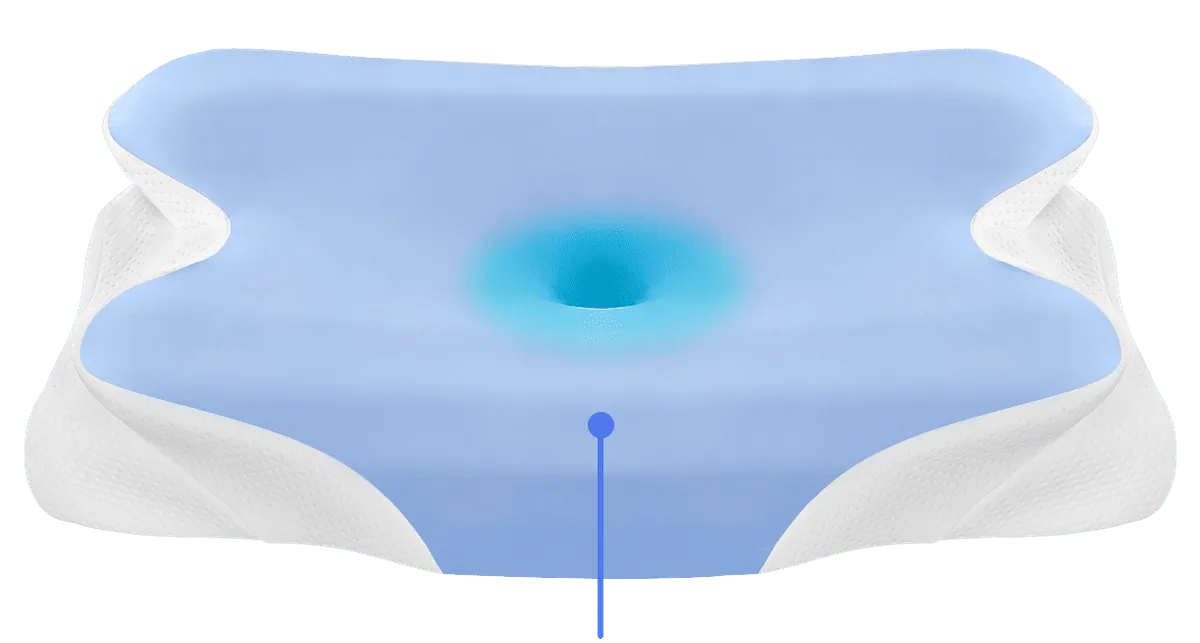
Melara Max is a one-piece memory foam pillow in a butterfly shape. Raised side wings hold the head and neck for side sleeping, a lower center cradles the head for back sleeping, and a curved edge leaves room for the shoulder, so you get the right height in each position without adding or removing fill. The official page lists it at 62 cm by 36.9 cm and describes the build as cooling and breathable. On October 13, 2026, one pillow was $69.95 on the official site, down to $49.99 each in the 4-pack, with a 30-day return policy. Full Melara Max review →
Prices and promotions change, so confirm the current price on the official page before you order.
Check Current Price, Melara Max →
#2, Coop Home Goods Eden (Best for Adjustability)
Coop Home Goods Eden allows you to add or remove fill to dial in the exact loft you need, a genuinely useful feature since the correct pillow height varies significantly between individuals based on shoulder width, mattress firmness, and sleep position preference. The Greenguard Gold certified shredded Aveocell foam and fiber fill is both supportive and breathable. At ~$72, the best cost-performance ratio among adjustable pillows. Takes some experimentation to find the right fill amount, but most users settle in within a week.
#3, Saatva Pillow (Best Luxury)
Saatva’s pillow uses an inner core of individually wrapped microcoils surrounded by graphite-infused memory foam, with a 2-inch gusseted border for lateral support. The result is a pillow that provides the contouring feel of memory foam with the responsive support and airflow of a coil system. Genuinely high-quality construction. At ~$165, it is the premium option in this comparison, appropriate for adults who consider their pillow a long-term investment in sleep quality.
#4, Tempur-Pedic TEMPUR-Neck (Best Contoured Memory Foam)
The TEMPUR-Neck has a distinctive contoured shape with a lower center and raised lobes on either side, designed to cradle the cervical spine in back sleeping and support the neck in side sleeping without fill settling. The memory foam does not compress under head weight the way standard pillows do. Trade-off: the fixed shape does not suit stomach sleepers, and there is no adjustability for different shoulder widths. Available in three sizes to account for body differences. The best choice for strict back sleepers with cervical pain.
Frequently Asked Questions
What type of pillow is best for neck pain?
For neck pain, the most important factor is maintaining correct cervical alignment during sleep, the head should stay level with the spine, not tilted forward or to the side. Contoured memory foam pillows like the Melara Max hold that position for side and back sleepers; adjustable-fill pillows like Coop Eden let you set the height yourself. Avoid pillows that are too soft and flatten completely under head weight, and avoid very high pillows that push the head into flexion.
Does pillow firmness affect lower back pain?
For side sleepers, a firm pillow between the knees that maintains its height overnight is important for lumbar alignment, a pillow that flattens within an hour provides minimal benefit. For back sleepers, a medium pillow under the knees maintains lumbar lordosis and reduces disc pressure during sleep. Pillow loft directly under the head affects cervical alignment; pillow support under the knees affects lumbar alignment, these are two separate requirements.
How often should you replace a pillow for neck pain?
Most pillows lose meaningful support within 1 to 2 years, depending on fill type. Memory foam pillows last longer (2 to 3 years) before the foam begins to compress permanently. The test: fold the pillow in half, if it does not spring back immediately, the fill has degraded and the pillow is no longer providing correct support. Sleeping on a degraded pillow is one of the most common and easily correctable causes of recurring neck stiffness in adults.