
Affiliate Disclosure: VitalMove40 earns a commission from purchases made through affiliate links on this page, at no extra cost to you. See our full Affiliate Disclosure Policy.
Last updated: September 14, 2026 | By Richard Hale
The best back pain device for home use is one that addresses the mechanical root of lower back pain, disc decompression, thoracic mobility, and lumbar muscle tension, rather than only masking the pain signal. After reviewing the leading options for adults over 40 in 2026, Back Restore is the top pick: it provides traction-based lumbar decompression in a home-use format that targets the disc pressure and facet joint loading that drives most chronic lower back pain after 40.
This content is for educational purposes only and is not medical advice. Consult a physician before using traction or decompression devices if you have been diagnosed with spinal stenosis, spondylolisthesis, osteoporosis, or if you have had spinal surgery.
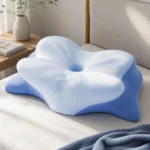
One category this list does not cover is seat cushions. If your pain is mostly tied to how you sit, rather than to disc or facet loading that a decompression device targets, a contoured cushion with a tailbone cutout is a cheaper first step. Our Hewelth LumboCare Pro review looks at one seat-and-back cushion in detail.
Table of Contents
- Quick Picks
- Why Back Pain Changes After 40
- Side-by-Side Comparison
- Product Reviews
- Frequently Asked Questions
Quick Picks
Best Back Pain Devices for Home Use, 2026
- #1 Best Overall: Back Restore, lumbar decompression, targets disc pressure, home-use format
- #2 Best for Thoracic Mobility: Chirp Wheel+: foam roller wheel for thoracic extension, ~$50
- #3 Best for Percussion: Theragun Mini: percussive therapy for paraspinal muscle tension, ~$150
- #4 Best Heated Option: HoMedics Heated Back Massager: heat + vibration for general muscle relief, ~$60
Why Back Pain Changes After 40

Lower back pain after 40 is structurally different from the acute back pain of younger adults, and this difference determines which home devices are useful and which are not. In adults under 35, most back pain is muscular, overstrained paraspinal muscles that recover with rest and movement. After 40, disc degeneration, facet joint arthrosis, and core muscle decline become the primary structural contributors.
Lumbar discs lose approximately 20% of their water content and height between ages 30 and 60. Thinner discs increase mechanical loading on the facet joints at each spinal level and reduce the natural foraminal space through which nerve roots exit the spine. This is why chronic lower back pain and leg radiating pain (sciatica) become increasingly common after 40 even without a specific injury event. The pain is structural, not acute. Before relying on any device, it is worth knowing which symptoms mean you should stop self-managing, see our guide on back pain: when to see a doctor.
Devices that address this structural picture (lumbar traction, decompression, and thoracic mobility) are the most mechanically logical choices. Heat and percussion manage muscle tension, which is a symptom of the structural problem rather than the cause. Useful for short-term relief, but not sufficient on their own. For context on the full exercise-and-device protocol for lower back pain, see our guide on lower back pain after 40.
Side-by-Side Comparison
| Device | Mechanism | Targets | Session time | Price |
|---|---|---|---|---|
| Back Restore ★ | Lumbar decompression | Discs, facet joints | 10–15 min | Check price |
| Chirp Wheel+ | Thoracic extension | Mid/upper back | 5–10 min | ~$50 |
| Theragun Mini | Percussion | Paraspinal muscles | 2–5 min/area | ~$150 |
| HoMedics Back Massager | Heat + vibration | General muscle | 15–20 min | ~$60 |
Product Reviews
#1, Back Restore (Best Overall)
Back Restore is designed specifically for the lumbar decompression use case, reducing intradiscal pressure and facet joint loading through controlled traction in a home-use format. This mechanism addresses the structural driver of most chronic lower back pain after 40: disc height loss and the compensatory facet joint overloading that follows. 10 to 15 minutes per session. Full Back Restore review →
Check Current Price, Back Restore →
#2, Chirp Wheel+ (Best for Thoracic Mobility)
The Chirp Wheel is a narrow foam roller wheel designed to extend the thoracic spine, the upper and middle back segment that becomes progressively more kyphotic (hunched) with desk work and age. Thoracic mobility directly affects lower back pain: a rigid thoracic spine forces the lumbar spine to compensate for rotational and extension demands, accelerating disc and facet wear. 5 to 10 minutes on the Chirp Wheel before activity is one of the most effective warm-up protocols for adults with persistent lower back pain. Comes in three sizes for different stiffness levels.
#3, Theragun Mini (Best Percussive Option)
Percussive therapy devices like the Theragun Mini deliver rapid, deep pressure pulses to paraspinal muscles, reducing the muscle guarding and spasm that typically accompanies lumbar disc and facet pain. Percussion does not address the structural cause of disc-related pain, but it effectively reduces the secondary muscle tension that amplifies pain signals and limits movement. 2 to 5 minutes per muscle group. The Mini’s compact size makes it self-applicable to the lower back without assistance. At ~$150, it is the most versatile device in this comparison for full-body use.
#4, HoMedics Back Massager (Best Budget Heat Option)
Heat increases circulation in the paraspinal muscles, reduces protective muscle spasm, and provides meaningful short-term pain relief for the muscular component of lower back pain. The HoMedics heated back massager combines gentle vibration with sustained heat delivery in a form designed for chair or bed use. Not a structural treatment, but a useful daily comfort tool. At ~$60, the lowest investment option in this comparison.
Frequently Asked Questions
What is the most effective home device for lower back pain?
For lower back pain driven by disc degeneration and facet joint loading (the most common pattern after 40) lumbar decompression devices like Back Restore are the most mechanically appropriate home treatment. For muscular tension as the primary complaint, percussive therapy and heat are effective adjuncts. Most adults with chronic lower back pain benefit from combining a decompression device (structural) with a percussion or heat device (muscular) and a thoracic mobility tool.
Does lumbar traction actually work for back pain?
The evidence for lumbar traction is strongest for discogenic pain (pain originating from disc herniation or degeneration) and radiating leg pain (sciatica) caused by nerve root compression. A 2013 Cochrane review found traction effective for short-term pain reduction in this subgroup, with less evidence for non-specific lower back pain. Adults most likely to benefit are those with confirmed disc disease or leg-radiating pain pattern rather than purely muscular back pain.
Is it safe to use a back decompression device every day?
For most adults, daily use of a lumbar decompression device in the 10 to 15 minute range is safe and beneficial. Start with every other day to assess your body’s response during the first two weeks. Do not use immediately after acute injury, and consult a physician before use if you have been diagnosed with spinal instability, spondylolisthesis, or osteoporosis.