Last updated: August 1, 2026 | By Richard Hale
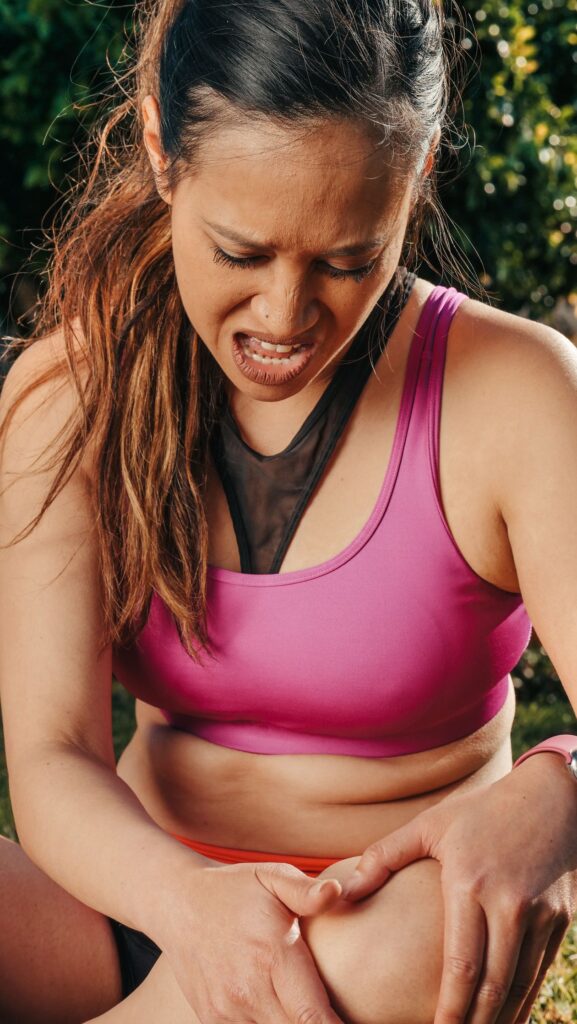
IT band syndrome causes lateral knee pain that is sharp during activity and eases with rest. It is one of the most common overuse injuries in runners and cyclists, and one of the most commonly mistreated, the standard advice to foam roll the IT band directly is not supported by anatomy or evidence, and the real cause (hip abductor weakness and biomechanical factors) often goes unaddressed for months while people treat a symptom rather than the source.
This content is for educational purposes only and is not medical advice. Lateral knee pain can have multiple causes including lateral meniscus tears and lateral OA, if pain is severe, follows trauma, or does not respond to the approaches described here, seek clinical assessment.
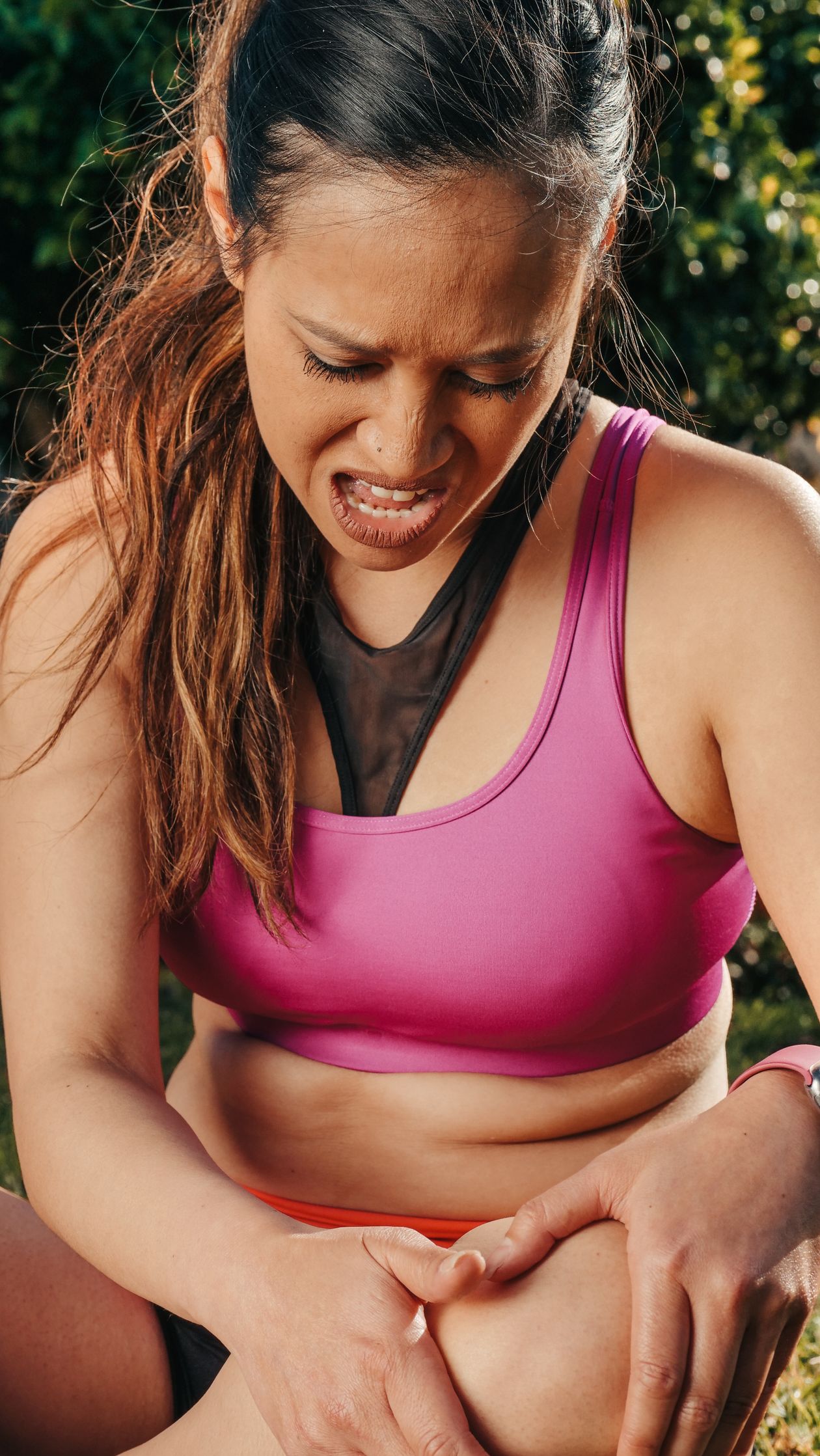
Table of Contents
- What the IT Band Actually Is
- The Real Cause of IT Band Syndrome
- Symptoms and How to Recognize It
- What Actually Works
- The Foam Rolling Myth
- Recovery Timeline and Return to Activity
- Frequently Asked Questions
What the IT Band Actually Is
The iliotibial band is a thick strip of dense connective tissue (fascia) that runs along the outer thigh, from the iliac crest of the pelvis (where the tensor fasciae latae and gluteus maximus muscles attach to it) down to the lateral knee, where it attaches to Gerdy’s tubercle on the tibia. Its primary role is stabilizing the lateral knee during weight-bearing activities.
Unlike muscle, the IT band has no ability to lengthen or shorten under normal physiological conditions, it is dense, inelastic connective tissue. This is the critical anatomical point that explains why attempts to “stretch” or “release” it through foam rolling or stretching are largely ineffective. The tension in the IT band is controlled by the muscles that feed into it at the pelvis, not by the band itself.
The Real Cause of IT Band Syndrome
The most commonly accepted current understanding of IT band syndrome is that it results from compression of the highly innervated tissue deep to the IT band at the lateral femoral condyle, not from the band “rubbing” over the bone, as the older explanation suggested. The compression occurs because of dynamic factors during loading:
Hip abductor weakness: the most consistent finding in IT band syndrome research. When the gluteus medius and other hip abductors are weak, the pelvis drops on the unsupported side during single-leg stance (Trendelenburg pattern), which causes the thigh to adduct and internally rotate. This adduction increases the compressive force of the IT band on the lateral femoral condyle during the loading phase of running and cycling.
Training load errors: increasing running mileage too quickly is the most common precipitating factor in runners, the tissue does not have time to adapt to the increasing compressive demand. IT band syndrome rarely develops at stable training loads; it typically appears after a sudden increase in volume, a return to running after a break, or a change in terrain or footwear.
Cycling fit issues: a saddle that is too low increases knee flexion at the bottom of the pedal stroke, which increases IT band compression at the lateral condyle. Excessive internal rotation of the foot on the pedal is another contributing factor.
Symptoms and How to Recognize It
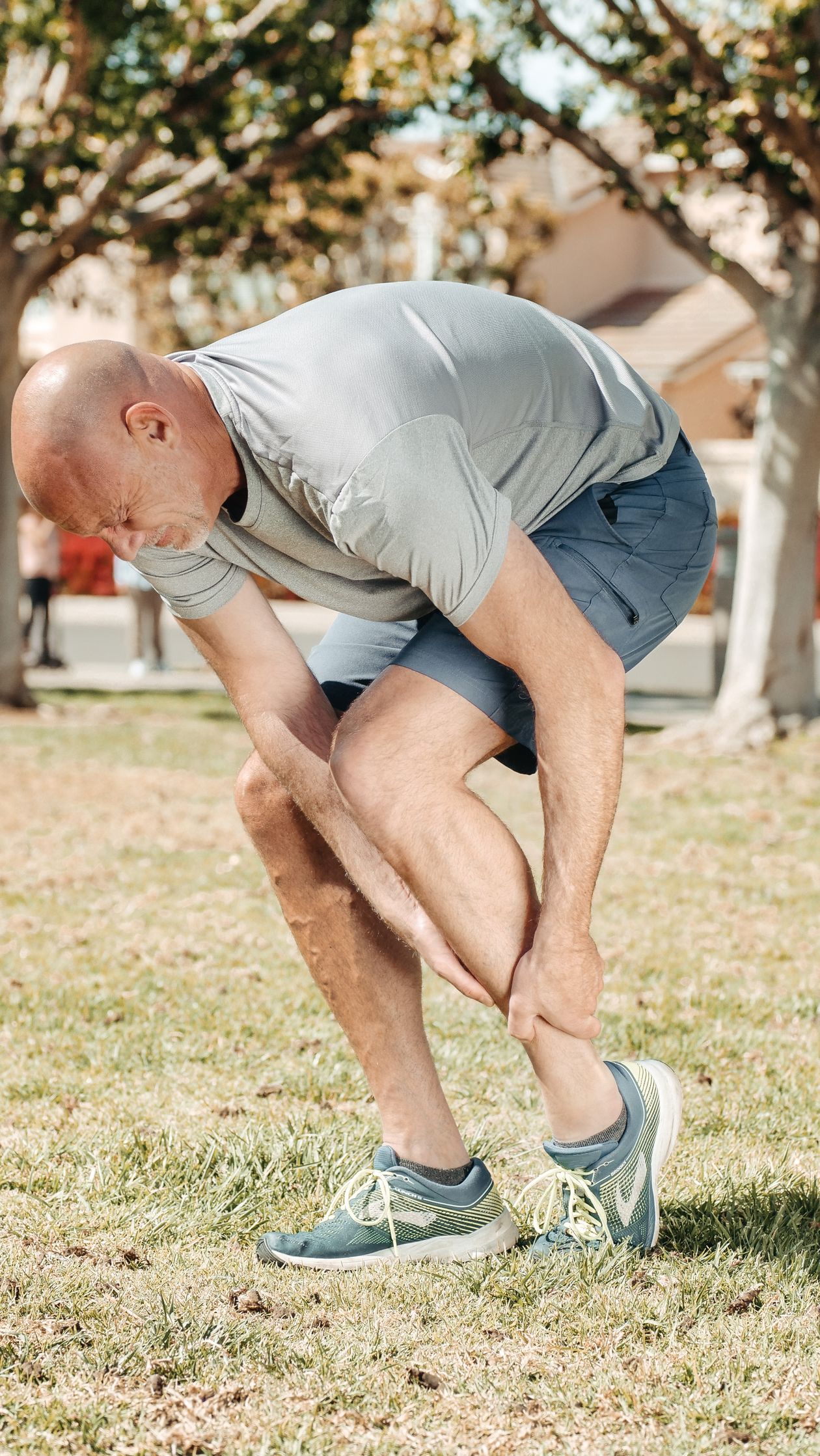
The defining characteristic of IT band syndrome is lateral knee pain that begins after a specific amount of activity, typically after 15-20 minutes of running, or at a specific distance, and eases with rest. This “threshold” pattern (fine initially, then sharp pain develops and forces stopping) is highly characteristic.
The pain is specifically at the lateral femoral condyle, the bony prominence on the outside of the knee. Pressing on this point reproduces the pain. Rarely, the pain extends up the lateral thigh, but its defining location is the lateral knee, not the outer thigh itself.
The Noble compression test: lying on your back, the examiner flexes the knee to 30 degrees while pressing on the lateral femoral condyle, this reproduces the pain of IT band syndrome. This test can be self-performed with modest accuracy. Pain that is diffuse in the lateral thigh rather than localized to the lateral condyle area is less consistent with IT band syndrome.
What Actually Works
Hip abductor strengthening: the highest-value intervention, and the one most commonly omitted. Side-lying hip abduction, clamshells, resistance band lateral walks, and single-leg squat work targeting the gluteus medius directly address the neuromuscular deficit driving the condition. Systematic reviews of IT band syndrome treatment consistently find hip strengthening to be more effective than local IT band treatments (stretching, massage) for long-term resolution.
A simple starting protocol: side-lying hip abduction (3 sets of 15, both sides), clamshells with a light resistance band (3 sets of 15), and lateral band walks (3 sets of 10 steps in each direction). Performed daily and progressed over 4-6 weeks, this produces the gluteus medius strength and activation improvements that reduce the pelvic drop that drives IT band compression.
Temporary activity modification: reducing running volume by 40-50% during the acute phase allows the compressed tissue to recover while hip strengthening progresses. Complete rest is not necessary and delays the conditioning that prevents recurrence. Cross-training with activities that do not reproduce the lateral knee pain (swimming, cycling with correct saddle height) maintains fitness during the reduction period.
Running form modification: increasing step rate (cadence) by approximately 5% reduces IT band compression forces, shorter steps at higher frequency reduce the adduction moment at the knee. Running with a slight forward trunk lean also reduces lateral knee load. These form changes can be implemented using a metronome app during runs while the strengthening program builds.
Training load management on return: increasing mileage by no more than 10% per week prevents recurrence. The tissue’s capacity has improved but the load tolerance must be built gradually, returning to pre-injury volume immediately typically causes recurrence within weeks.
The Foam Rolling Myth
Rolling the lateral thigh (IT band) with a foam roller is one of the most popular but least effective treatments for IT band syndrome. The reason is anatomical: the IT band is dense, inelastic connective tissue that does not change its mechanical properties under the pressures a foam roller can produce. No amount of rolling will “release” or lengthen the band, it is physically incapable of lengthening.
Furthermore, rolling the lateral thigh can be extremely painful (which people interpret as “working”), and this pain can persist for days, time that is not spent doing the hip strengthening that actually resolves the condition. A light, non-painful pass over the lateral thigh is not harmful, but the aggressive daily rolling of the IT band that is commonly recommended is a waste of recovery time.
Foam rolling the glutes and TFL (the muscles that feed into the IT band at the pelvis) is more mechanically rational, these muscles are soft tissue that responds to foam rolling. But the primary intervention is strengthening, not rolling.
Recovery Timeline and Return to Activity
With consistent hip strengthening and appropriate load management:
- Weeks 1-2: begin hip strengthening exercises, reduce running to pain-free levels (often walking or very short runs), maintain fitness through cross-training
- Weeks 3-4: progress hip strengthening, begin short return-to-run sessions if lateral knee pain has settled to below 3/10
- Weeks 5-6: progressively increase running volume, maintain hip strengthening 3x/week
- Months 2-3: return to full training volume with continued preventive hip strengthening
Pain above 4/10 during running is a signal to reduce load for that session and reassess the progression rate. A physiotherapist can guide the return-to-run process more precisely with gait analysis and progressive loading protocols.
Frequently Asked Questions
How do I know if I have IT band syndrome or runner’s knee?
IT band syndrome produces pain specifically at the lateral (outside) of the knee, at the lateral femoral condyle. Runner’s knee (patellofemoral pain syndrome) produces pain at the front of the knee, around or behind the kneecap. The location is the primary distinguishing feature. IT band pain has a characteristic threshold pattern (fine initially, then sharp pain at a consistent point). Patellofemoral pain is typically worse during sustained bending, stairs, squats, prolonged sitting.
Can IT band syndrome become chronic?
Yes, if the underlying cause (hip abductor weakness, training load errors) is not addressed. Many people return to their previous training volume as soon as the acute pain resolves, without doing the hip strengthening that prevents recurrence, and experience the same injury within 4-8 weeks. Treating IT band syndrome as a tissue injury rather than a biomechanical problem leads to this cycle. The hip strengthening program needs to continue for 3-4 months beyond pain resolution to build the long-term protection.
About the author: Richard Hale is an independent health writer focused on mobility, joint health, and active aging research. He is not a licensed medical professional. All content on VitalMove40 is for educational purposes only and is not a substitute for advice from a qualified healthcare provider.