Last updated: July 14, 2026 | By Richard Hale
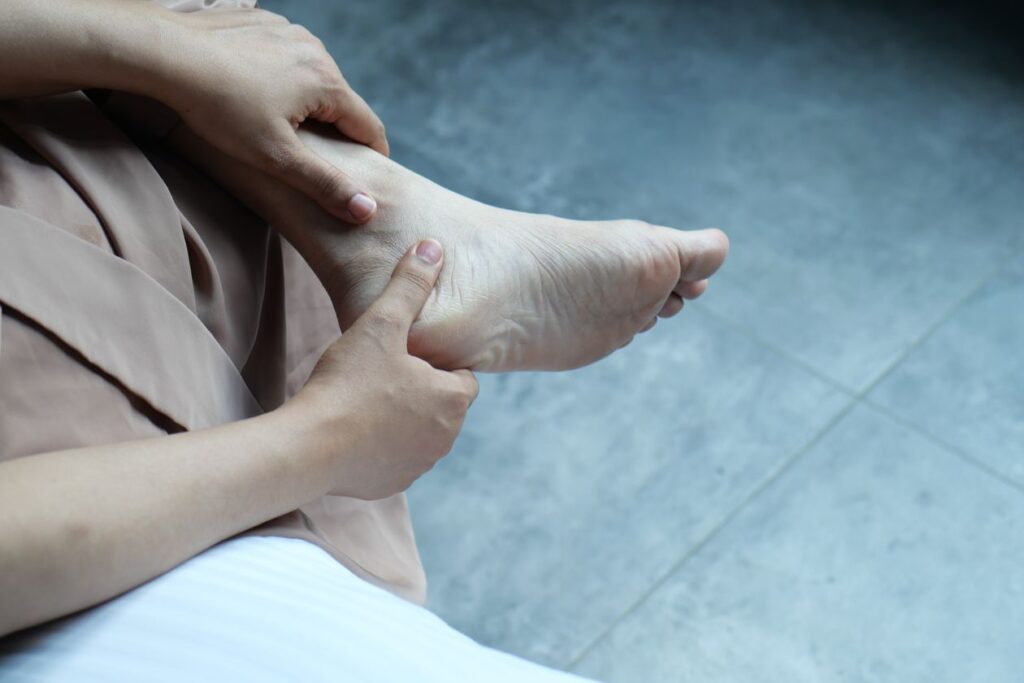
Plantar fasciitis is the most common cause of heel pain in adults, responsible for roughly one million doctor visits per year in the United States. The pain is specific: a sharp, stabbing sensation in the bottom of the heel that is worst with the first steps in the morning or after sitting for a long period, then eases as you move around. After 40, the combination of tissue changes and accumulated load makes plantar fasciitis more likely and slower to resolve.
This content is for educational purposes only and is not medical advice. If you have persistent heel pain, consult a healthcare provider to confirm the diagnosis and rule out other causes such as stress fractures or nerve entrapment.
Table of Contents
- What Plantar Fasciitis Actually Is
- Why It Becomes More Common After 40
- Symptoms and How to Identify It
- What the Evidence Says Works
- What Doesn’t Work as Well as Claimed
- When to See a Doctor
- Frequently Asked Questions
What Plantar Fasciitis Actually Is
The plantar fascia is a thick band of connective tissue that runs along the bottom of the foot, connecting the heel bone (calcaneus) to the base of the toes. Its job is to absorb impact during walking and running and support the arch of the foot during the push-off phase of gait.
Plantar fasciitis develops when repetitive stress causes small tears in the fascia, typically at the point where it attaches to the heel bone. Despite the “itis” suffix, the condition is now understood to involve tendinopathy-like degeneration rather than pure inflammation, the fascia’s collagen structure breaks down under load before it can repair itself. This is why prolonged rest often makes the pain worse (the tissue stiffens) and why anti-inflammatory treatments like cortisone injections help in the short term but do not address the underlying tissue problem.
Why It Becomes More Common After 40
Several age-related changes make the plantar fascia more vulnerable after 40:
- Reduced plantar fat pad cushioning: the heel has a specialized fat pad that absorbs impact during walking. This pad thins and loses elasticity with age, reducing its protective effect and transferring more load to the fascia itself.
- Reduced Achilles tendon flexibility: a tight Achilles and calf complex places additional strain on the plantar fascia. Calf tightness increases with age and with sedentary behavior, and the two structures are mechanically connected, the Achilles and plantar fascia form a single functional unit that transmits load from the calf to the arch.
- Slower tissue repair: collagen remodeling slows after 40, meaning that the microtrauma that occurs during normal walking takes longer to heal before the next loading cycle adds to it.
- Changes in arch mechanics: the intrinsic foot muscles that support the arch weaken over time, placing more demand on the passive structures (including the plantar fascia) to do what muscles should be doing.
Symptoms and How to Identify It
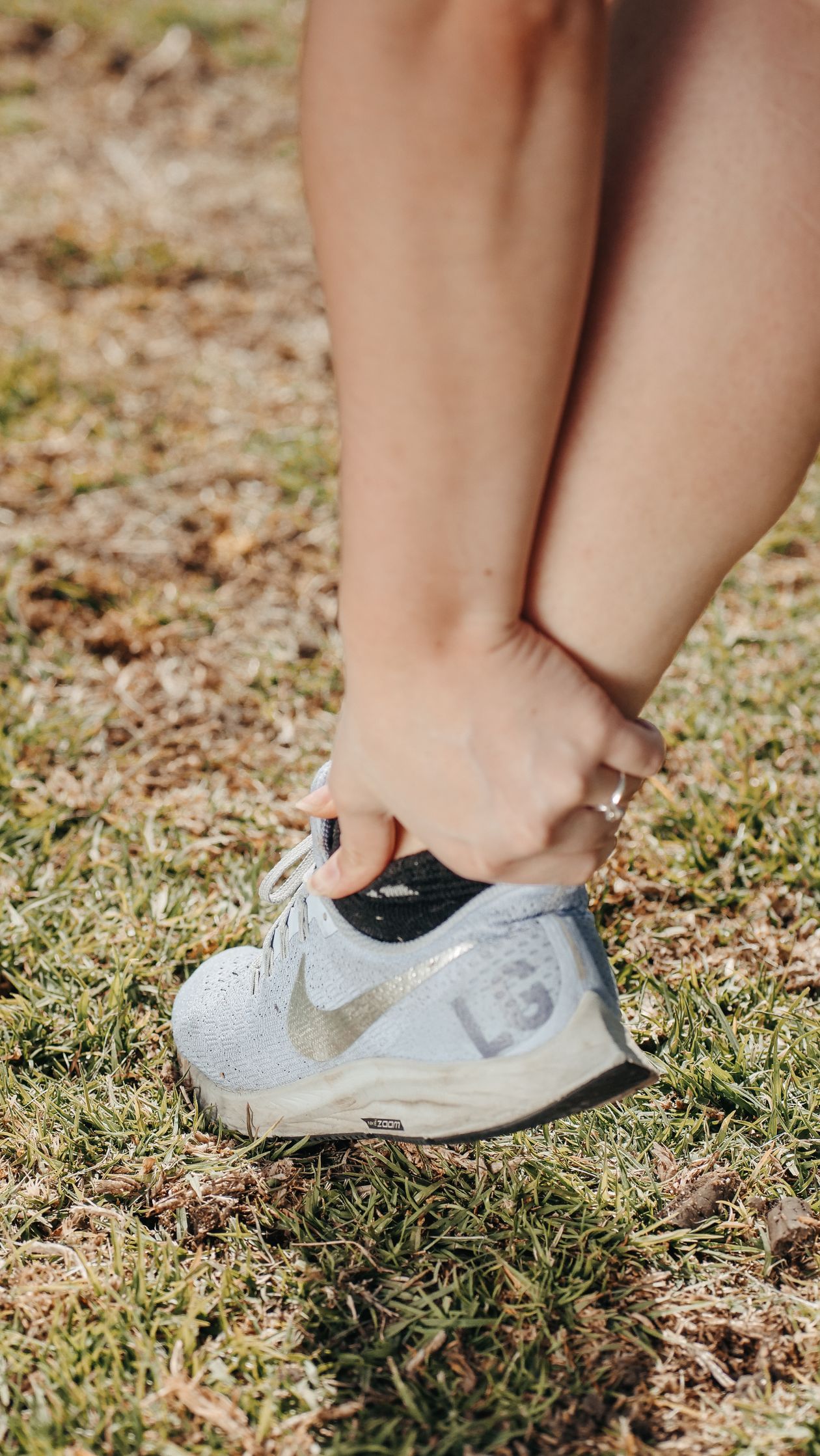
The hallmark symptom of plantar fasciitis is pain that is worst with the first steps out of bed in the morning, or after sitting for an extended period, then improves within 10-20 minutes of walking. This pattern (called “start-up pain”) is characteristic and distinguishes plantar fasciitis from other sources of foot pain.
Other distinguishing features include pain that is specifically at the base of the heel (not mid-arch or the ball of the foot), tenderness when pressing on the medial heel near the fascia attachment, and pain that worsens after long periods on your feet rather than during the first minutes. Pain that radiates into the toes or is accompanied by burning and tingling suggests nerve involvement (tarsal tunnel syndrome) rather than plantar fasciitis.
If you have significant heel pain in the morning that is burning and electric in quality rather than aching, or that is associated with weakness in the foot, see a healthcare provider before assuming it is plantar fasciitis.
What the Evidence Says Works
Plantar fascia and calf stretching: the most consistently evidence-supported intervention for plantar fasciitis, and the one most underused because people do it irregularly. The critical time to stretch is before the first steps in the morning, stretch the plantar fascia while still in bed by pulling the toes back toward the shin and holding for 10 seconds, repeated 10 times per foot. This pre-stretches the fascia before it bears weight, reducing the micro-tearing that causes first-step pain.
Calf stretching (gastrocnemius and soleus separately) performed daily for 10 minutes total reduces the tensile load on the plantar fascia and is supported by multiple controlled trials. The soleus stretch (bent-knee calf stretch) is particularly important and often overlooked in favor of the standing gastrocnemius stretch alone.
Night splints: wearing a night splint that keeps the foot in a dorsiflexed position during sleep maintains the plantar fascia at a stretched length overnight, preventing the overnight shortening that causes morning pain. Multiple RCTs show significant reduction in first-step pain with consistent night splint use. They are uncomfortable to sleep in but highly effective, compliance is the limiting factor.
Supportive footwear and orthotics: going barefoot on hard floors significantly increases plantar fascia load. Wearing supportive shoes with a slight heel cushion immediately upon waking (not shuffling to the bathroom barefoot) meaningfully reduces morning pain. OTC orthotics with arch support and heel cushioning are similarly supported by evidence and produce outcomes comparable to custom orthotics for most patients. Custom orthotics show stronger evidence for specific cases (significant overpronation, abnormal foot mechanics) but are not necessary for most adults with typical plantar fasciitis.
Load management: plantar fasciitis is a load capacity problem. Reducing high-impact activities (running, jumping, prolonged standing on hard surfaces) during the active phase while maintaining strength and cardiovascular fitness through lower-load activities (swimming, cycling) allows the fascia to recover while maintaining fitness. Complete rest is not advisable, it leads to stiffening and does not resolve the underlying tissue problem.
Eccentric and isometric calf exercises: eccentric loading (the slow-lowering phase of a calf raise on a step) stimulates tendon remodeling and is supported by evidence across tendinopathy conditions. Performing 3 sets of 15 single-leg eccentric calf lowers on a step daily, slightly into a flexed knee position, addresses both the calf tightness and the tendon remodeling components simultaneously.
What Doesn’t Work as Well as Claimed
Heel cups alone: gel heel cups improve heel cushioning but do not address arch support or Achilles tension, the main mechanical drivers of plantar fasciitis. They are a partial measure, not a complete treatment. Many adults use heel cups and report limited improvement because the rest of the foot mechanics remain unchanged.
Cortisone injections as a primary treatment: cortisone provides strong short-term pain relief (6-8 weeks) but does not address the underlying tissue degeneration. After this window, pain typically returns unless the mechanical factors driving the condition have been addressed. Multiple injections are associated with plantar fascia rupture and fat pad atrophy, risks that increase after 40 when these structures are already compromised. Cortisone injections are reasonable for short-term pain management while a rehabilitation program takes effect, but not as a standalone or repeated treatment.
Ultrasound therapy: has weak evidence in plantar fasciitis. Multiple systematic reviews have found no significant benefit of therapeutic ultrasound over placebo or no treatment for plantar fasciitis outcomes.
When to See a Doctor
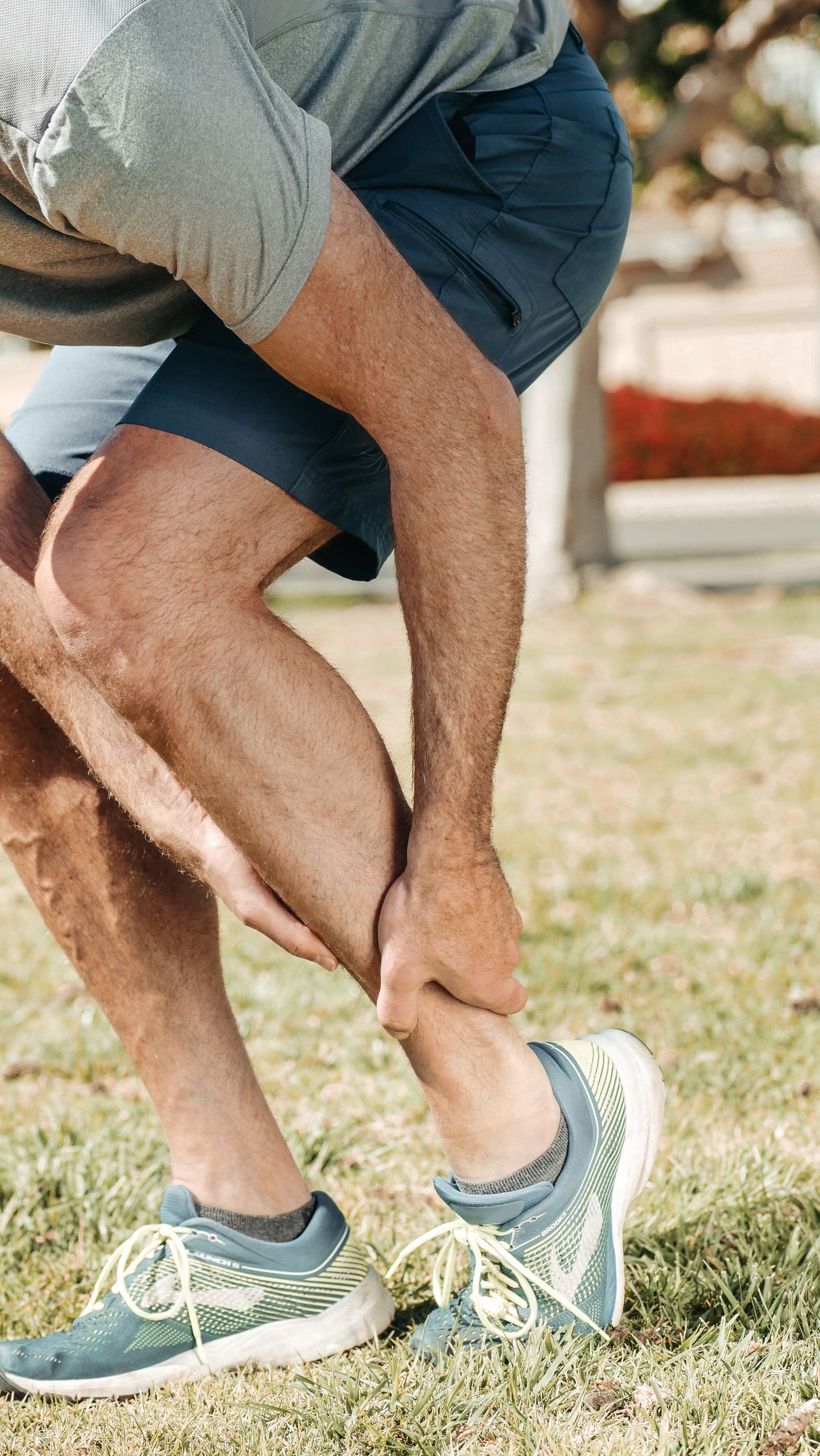
See a healthcare provider if pain does not improve after 6-8 weeks of consistent stretching, supportive footwear, and load management; if the pain is severe, constant, or accompanied by numbness, tingling, or weakness; or if you have experienced sudden severe heel pain during activity (possible fascia rupture or stress fracture).
A physical therapist specializing in lower extremity conditions can assess foot mechanics, identify specific contributing factors (like significant overpronation or intrinsic foot weakness), and build a targeted rehabilitation program. This is the most effective professional resource for chronic plantar fasciitis and produces better long-term outcomes than cortisone injection or custom orthotics alone.
Frequently Asked Questions
How long does plantar fasciitis take to heal?
With consistent treatment, most cases of plantar fasciitis improve significantly within 3-6 months. Without treatment or with inconsistent treatment, the condition often becomes chronic, a subset of adults have symptoms for 12-18 months or longer. The variability depends on how aggressively the mechanical drivers (calf tightness, load management, footwear) are addressed. Starting the morning pre-stretching routine and wearing supportive shoes immediately is the single highest-impact change most people can make.
Can I still walk and exercise with plantar fasciitis?
Yes, with modifications. Complete rest is not recommended and usually does not resolve the condition. Low-impact activities (cycling, swimming, water walking) maintain cardiovascular fitness and strengthen supporting muscles without adding significant fascia load. Walking on soft surfaces and avoiding barefoot walking on hard floors reduces daily load. Running and prolonged standing on hard surfaces should be reduced until pain is well controlled.
Are certain shoes better for plantar fasciitis?
Shoes with adequate arch support, a moderate heel-to-toe drop (8-12mm), and heel cushioning reduce plantar fascia load compared to flat, minimalist footwear. Completely flat shoes like ballet flats and many casual sneakers increase Achilles and plantar fascia tension. Dedicated walking or running shoes with these characteristics are consistently helpful. During the acute phase, wearing supportive shoes immediately upon waking (before the first barefoot steps) significantly reduces morning pain.
What is the most effective home treatment for plantar fasciitis?
The most evidence-supported home treatments are calf and plantar fascia stretching performed before getting out of bed each morning, ice applied to the heel after activity, and supportive footwear or OTC orthotics that offload the plantar fascia. Foot strengthening exercises (towel scrunches and single-leg calf raises) address the muscle weakness that often underlies the condition. Night splints, which hold the plantar fascia in a lengthened position during sleep, have the strongest passive evidence of any home intervention. Most mild to moderate cases respond to consistent application of these measures within 2 to 3 months.
Should I rest completely from exercise with plantar fasciitis or keep moving?
Complete rest is not necessary and usually not recommended unless pain is severe. Low-impact activity that does not load the plantar fascia (swimming, cycling, seated resistance training) can be continued. High-impact activity such as running should be modified based on pain response. The goal is to maintain conditioning while reducing plantar fascia load. Returning to full training volume before symptoms have settled is the most common reason plantar fasciitis becomes chronic rather than resolving within the typical 3 to 6 month window.
About the author: Richard Hale is an independent health writer focused on mobility, joint health, and active aging research. He is not a licensed medical professional. All content on VitalMove40 is for educational purposes only and is not a substitute for advice from a qualified healthcare provider.