Last updated: September 10, 2026 | By Richard Hale
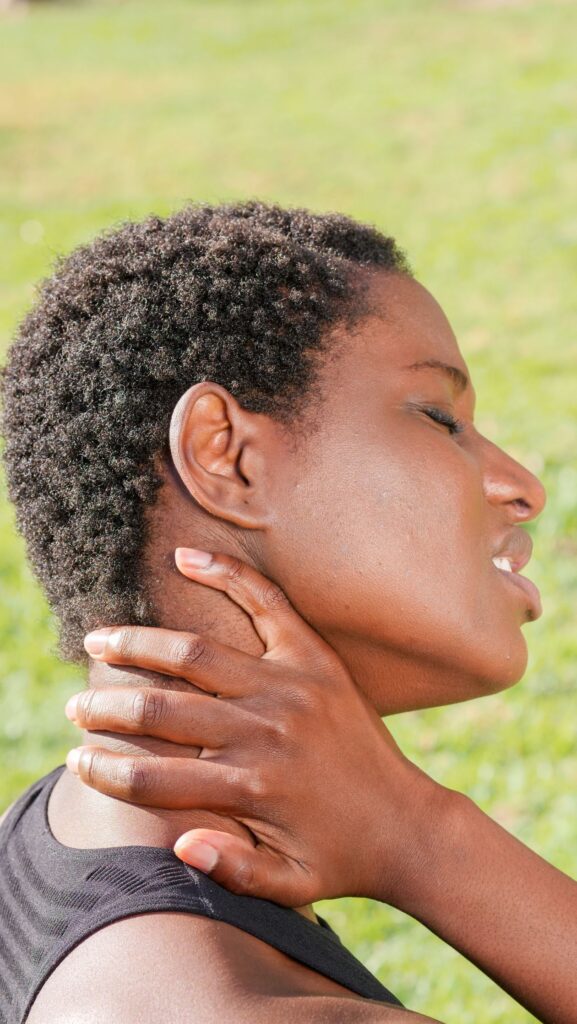
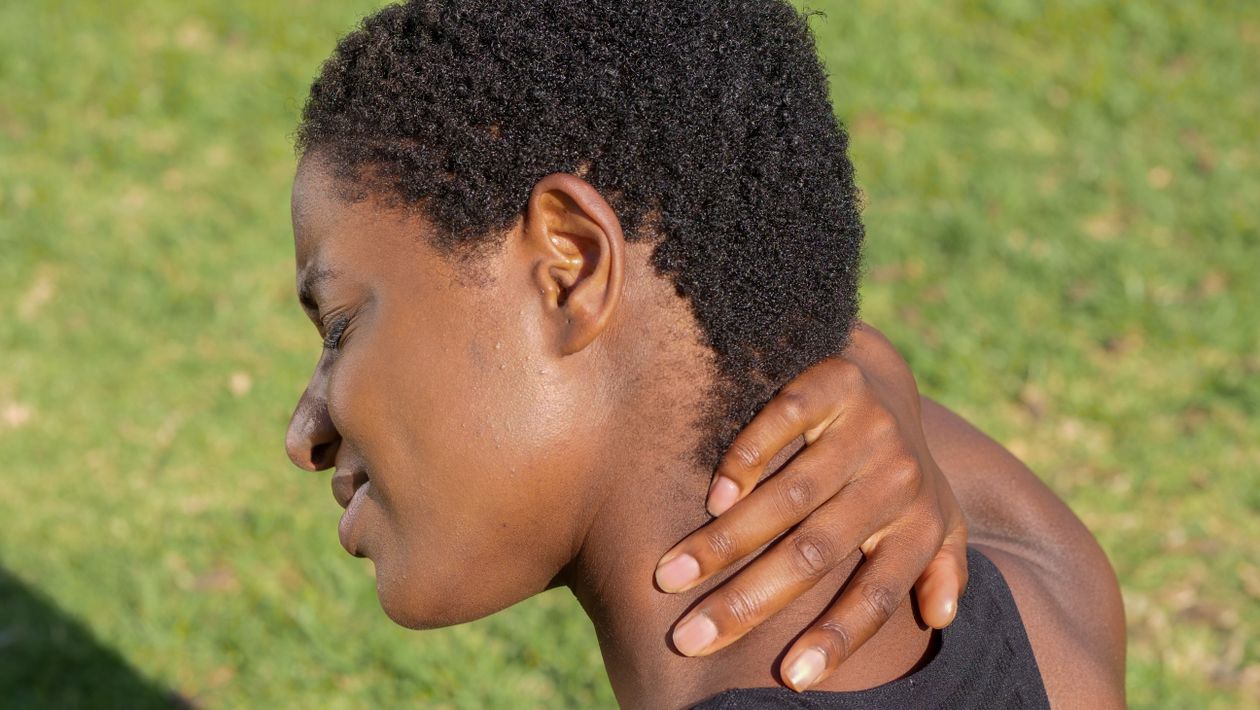
Neck pain in adults over 40 is among the most common musculoskeletal complaints, second only to low back pain in prevalence. Most neck pain is mechanical: caused by muscle tension from poor posture, cervical disc changes from accumulated load, or a combination of both. Understanding which source is driving the pain makes the difference between interventions that work and those that don’t.
This content is for educational purposes only and is not medical advice. See a healthcare provider if neck pain is accompanied by arm numbness or weakness, severe headache, dizziness, or follows an injury, these require clinical assessment before self-treatment.
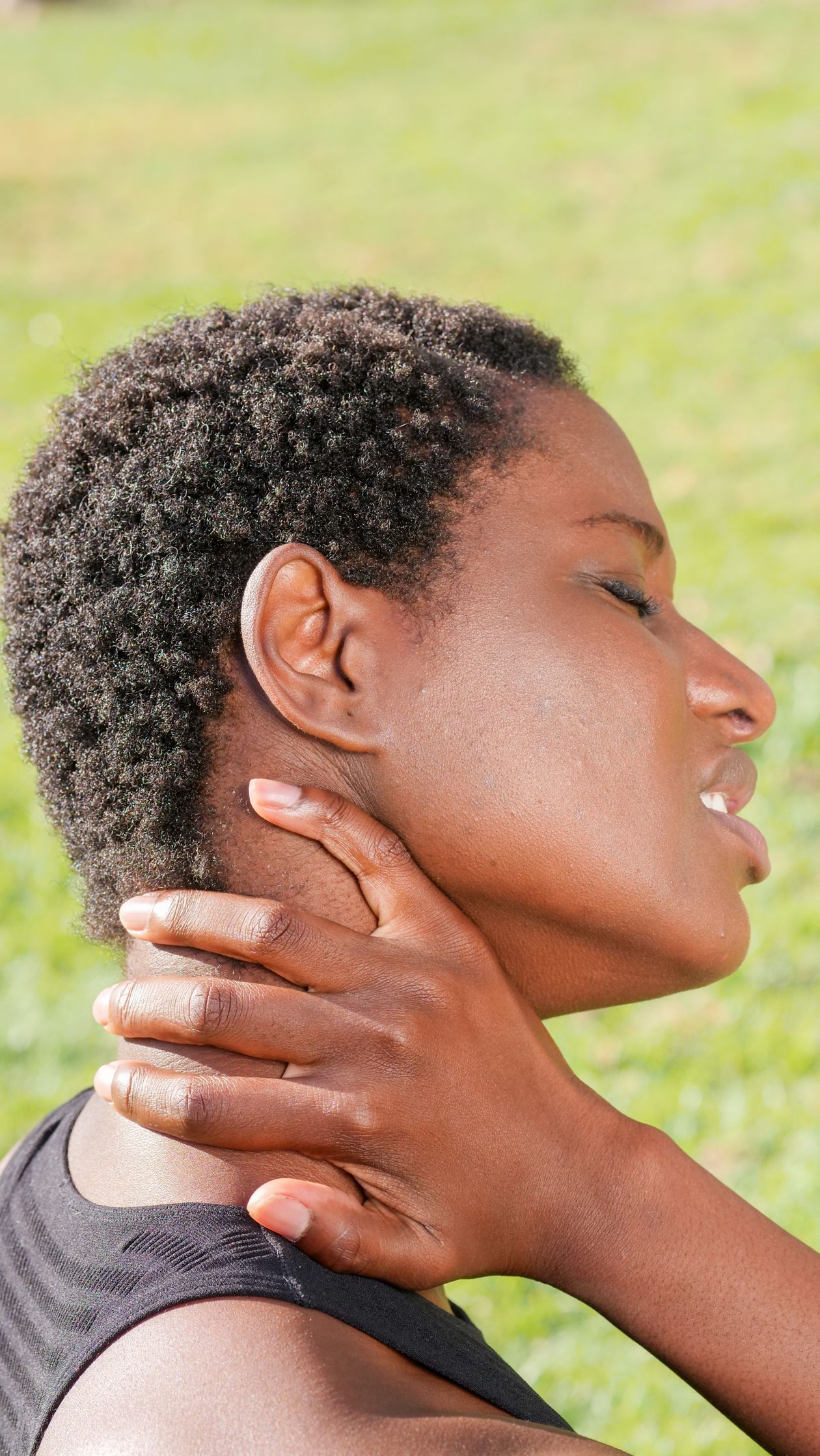
Table of Contents
- What Changes in the Cervical Spine After 40
- Forward Head Posture and Its Effects
- Muscle Tension vs. Disc-Related Pain
- Exercises and Stretches That Help
- Sleep Position and Pillow Setup
- The Desk Connection
- When Neck Pain Is More Than Mechanical
- Frequently Asked Questions
What Changes in the Cervical Spine After 40
The cervical spine (the 7 vertebrae of the neck) undergoes predictable degenerative changes from the late 30s onward, a process called cervical spondylosis. The intervertebral discs between the vertebrae gradually lose hydration and height, reducing their shock-absorbing function. As disc height decreases, the foraminal spaces where nerve roots exit the spinal canal narrow slightly, and bony spurs (osteophytes) begin to form around the disc margins and facet joints.
By age 60, cervical spondylosis is visible on imaging in the majority of adults, but this does not mean it causes pain for most people. Imaging findings and pain levels correlate poorly in the cervical spine, just as they do in the lumbar spine. Many adults with significant radiological degenerative changes have no neck pain; many with significant pain have minimal imaging changes. Pain is a poor marker of structural damage in the cervical spine.
Forward Head Posture and Its Effects
The head weighs approximately 10-12 pounds in a neutral position. As the head moves forward of its balanced point above the spine, the effective weight the cervical musculature must support increases dramatically, approximately 10 pounds of additional load for every inch of forward position. At 3 inches of forward head position (a typical smartphone or computer posture), the cervical muscles are managing an effective load of 40 pounds rather than 12.
This sustained overload of the cervical extensor muscles (the muscles running down the back of the neck and into the upper back) produces chronic tension, trigger points, and eventually the fatigue-induced postural collapse that worsens the posture further. Forward head posture also compresses the cervical facet joints posteriorly, contributing to the diffuse aching quality that characterizes postural neck pain.
The upper trapezius muscle, the thick ridge of muscle running from the neck to the shoulder, is the most commonly tender structure in postural neck pain. Its tenderness is not typically the source of the problem but a consequence of the forward head position it is compensating for.
Muscle Tension vs. Disc-Related Pain
Distinguishing muscle-tension neck pain from disc-related nerve root compression determines the appropriate intervention:
Muscle tension (more common): diffuse aching in the neck and upper shoulders that worsens through the day, typically better in the morning, may include headaches at the base of the skull (suboccipital), better with heat and massage, worsened by prolonged static posture. No arm symptoms. Responds to postural correction, movement breaks, targeted exercises, and tension-reduction techniques.
Cervical disc with nerve root involvement (cervical radiculopathy): sharp pain that radiates from the neck into the shoulder blade, arm, or hand, often following a specific path depending on which nerve root is affected. May include numbness, tingling, or weakness in the arm or hand. Worsened by positions that narrow the foramen (side-bending toward the affected side, extending the neck). Does not respond to massage or heat the way muscle pain does. Requires clinical assessment and often specific directional exercises or medical management.
Exercises and Stretches That Help
Chin tucks (cervical retraction): the single most effective exercise for postural neck pain and forward head posture. Gently pull the chin straight back (as if making a double chin) while keeping the eyes level, this is pure cervical retraction, not neck extension or chin-to-chest flexion. Hold for 2-3 seconds, repeat 10 times. Perform this throughout the day (sitting at a desk, at traffic lights) to counter the habitual forward position. For cervical disc pain with arm symptoms, repeated chin tucks have strong evidence as a McKenzie-method intervention that centralizes symptoms.
Levator scapulae stretch: the levator scapulae runs from the upper shoulder blade to the upper cervical vertebrae, a consistently tight structure in people with postural neck pain. To stretch: sit with one hand grasping the seat of the chair (to anchor the shoulder down), tilt the head forward and diagonally (looking toward the opposite knee), and hold for 30-60 seconds. A gentle stretch sensation in the back of the neck toward the shoulder blade indicates correct placement.
Thoracic spine extension: improving thoracic extension mobility reduces the compensatory hypermobility demand on the cervical spine. Rolling a foam roller across the mid-back or performing supported extension over a chair back for 30-60 seconds in the thoracic region consistently reduces cervical strain in people with combined thoracic stiffness and neck pain.
Shoulder blade squeezes (scapular retraction): strengthening the middle trapezius and rhomboids counters the forward shoulder roll that accompanies and drives forward head posture. Sitting tall, squeeze the shoulder blades together and slightly down, hold for 5-10 seconds, release. Three sets of 10 daily. This is less a stretch and more a postural muscle training exercise.
Sleep Position and Pillow Setup
Sleep position significantly affects cervical disc load and morning neck stiffness. Stomach sleeping is the worst position for neck health, it requires maximum cervical rotation sustained for hours, placing maximal torsional load on the cervical discs and facet joints. If you sleep on your stomach, transitioning to side or back sleeping is one of the most impactful changes for chronic neck pain.
For side sleeping, pillow height should fill the gap between the head and the mattress, enough to keep the cervical spine in a neutral, level position without allowing the head to tilt toward the mattress or prop up toward the ceiling. The “right height” is individual and depends on shoulder width. A pillow that compresses flat under head weight is typically too soft for side sleeping; a medium-firm pillow that maintains its height is preferable.
For back sleeping, the pillow should support the natural cervical lordosis (the backward curve of the neck) without elevating the head forward into flexion. Many adults use pillows that are too tall and thick, placing the cervical spine in sustained flexion overnight, which is mechanically similar to sitting in a forward head position for 7-8 hours.
The Desk Connection
Monitor height is the most critical workstation variable for neck health. The top of the screen should be at or just below eye level, most people’s monitors are positioned too low, causing sustained forward and downward head position for hours. A laptop without a monitor stand places the screen significantly below eye level and cannot be corrected without raising the screen and using an external keyboard.
Regular movement breaks every 20-30 minutes, standing, walking to the kitchen, performing chin tucks at the desk, reduce the sustained static load that drives cumulative cervical strain. No ergonomic setup eliminates the need for movement breaks entirely.
When Neck Pain Is More Than Mechanical
Seek prompt medical attention for neck pain that:
- Radiates into the arm with significant numbness, tingling, or weakness
- Is accompanied by gait disturbance, clumsiness of hands, or loss of bladder/bowel function (suggests spinal cord involvement, cervical myelopathy)
- Begins after a trauma or accident (possible fracture or ligamentous injury)
- Is accompanied by severe headache, especially at the back of the head, fever, or neck stiffness with fever (possible meningeal involvement)
- Is constant, progressive, and does not respond to position changes (possible neoplastic or infectious cause)
- Wakes you from sleep consistently and is unrelenting
If your neck pain is the tight, aching kind that builds up over a day at a desk, a hands-free heat-and-stimulation device can take the edge off between stretches. See our Hewelth ReliefChain review for one option and how it compares to a plain TENS unit.
Frequently Asked Questions
How long does mechanical neck pain last?
Acute episodes of mechanical neck pain typically resolve within 4-6 weeks with appropriate management, movement, avoiding sustained static posture, heat, and targeted exercises. Chronic neck pain from cervical spondylosis tends to have a recurring pattern rather than a single resolution: management reduces the frequency and severity of episodes rather than eliminating the underlying structural changes. Consistent postural correction and exercise produce the most sustainable long-term benefit.
Is massage helpful for neck pain?
Yes, for the muscle tension component. Massage reliably reduces upper trapezius and cervical muscle tension and provides meaningful short-term pain relief. The effect does not address disc-related or nerve root causes, and the tension typically returns without addressing the postural and movement habits that caused it. Massage is most effective as part of a broader approach that includes exercise and postural correction, not as a standalone or ongoing passive treatment.
What is the most common cause of neck pain after 40?
Cervical spondylosis, age-related degenerative changes in the cervical vertebrae, discs, and facet joints, is the most common structural cause of neck pain after 40. However, most adults with significant spondylosis on imaging have no symptoms. Most symptomatic neck pain episodes are driven by muscular factors (sustained postures, muscle tension, and movement patterns) rather than by structural changes. Weakness in the deep neck flexors and upper thoracic extensors is almost universally present in adults with chronic neck pain and is the primary rehabilitation target, regardless of what imaging shows.
Does poor posture cause neck pain after 40?
Sustained postures contribute to neck pain, particularly forward head posture with prolonged screen use. For every inch the head moves forward of its balanced position, the effective load on the cervical spine increases significantly. However, the posture-pain relationship is not as direct as often portrayed, brief periods of forward posture do not cause damage. The key factor is variability: the cervical spine tolerates sustained loading poorly in any position. Regular position changes, neck mobility exercises, and deep neck flexor strengthening are more effective than trying to maintain a perfect posture constantly.
When should I be concerned about neck pain?
Neck pain with the following features warrants prompt medical evaluation: arm weakness or loss of grip strength (suggesting cervical myelopathy or nerve compression); severe persistent headache with neck stiffness and fever (possible meningitis); neck pain following a fall or head injury; progressive neurological symptoms such as difficulty with balance or coordination; and constant night pain that does not change with position. Dizziness specifically triggered by neck movement in older adults may reflect upper cervical or vascular involvement and warrants assessment. Standard mechanical neck pain that worsens with certain positions and improves with movement is appropriate for physiotherapy management.
About the author: Richard Hale is an independent health writer focused on mobility, joint health, and active aging research. He is not a licensed medical professional. All content on VitalMove40 is for educational purposes only and is not a substitute for advice from a qualified healthcare provider.