Last updated: August 23, 2026 | By Richard Hale
Disclosure: This page contains affiliate links. If you purchase through our link, we may earn a commission at no extra cost to you. This does not affect our editorial assessment.
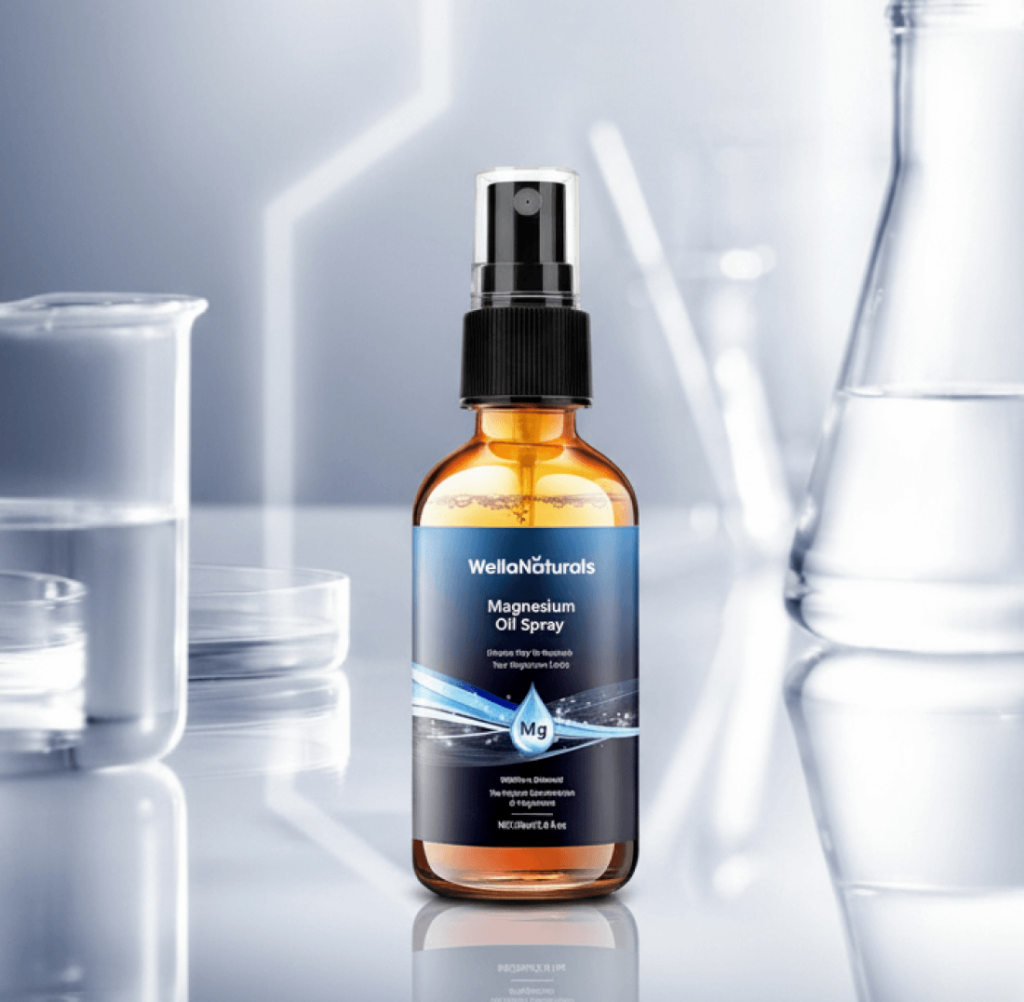
Oral magnesium supplements are the best-evidenced way to correct a magnesium shortfall, but some adults would rather not add another pill to a daily routine, or deal with the loose-stool effect that comes with the cheaper oral forms. WellaNaturals Magnesium Oil Spray is a topical alternative built around magnesium chloride from Zechstein seabed deposits, marketed for muscle cramps, sleep, and stress. Here is an honest look at what is actually in it, what the transdermal absorption evidence does and does not show, and who is likely to get real value from it.
Content is educational and not a substitute for advice from a qualified healthcare provider. Individual responses to topical products vary.
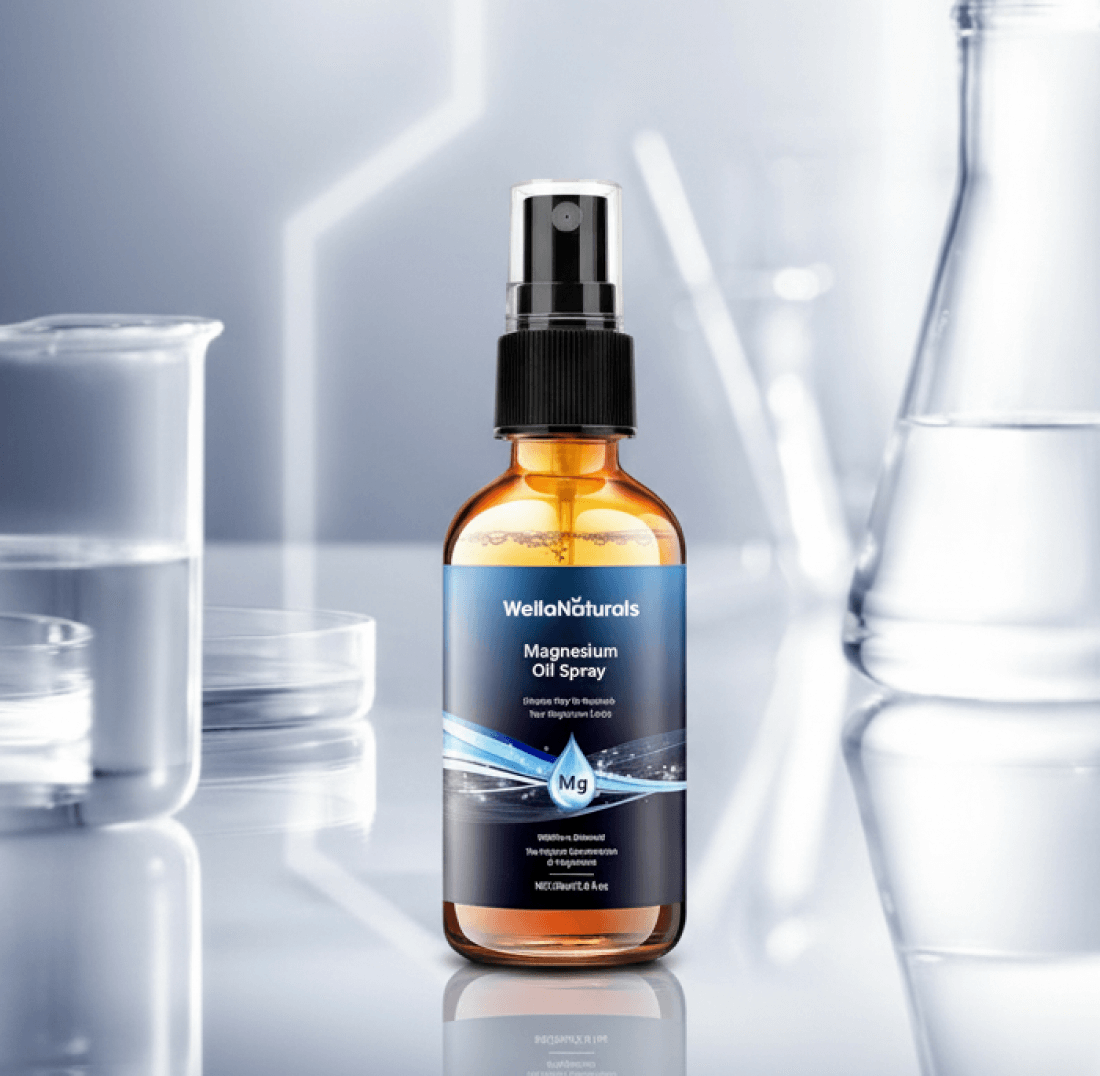
Table of Contents
- Quick Overview
- Who This Is Designed For
- The Formula: Zechstein Magnesium Chloride and What the Evidence Shows
- How It Works in Practice
- Pricing and Guarantee
- Pros and Cons
- Verdict
- Frequently Asked Questions
Quick Overview
| Feature | WellaNaturals Magnesium Oil Spray |
|---|---|
| Format | Topical spray, 0.6g/ml magnesium chloride concentration |
| Bottle size | 2 fl oz / 60 ml (per product label) |
| Source | Zechstein seabed magnesium chloride |
| Target uses | Muscle cramps, post-exercise soreness, sleep support, stress, restless legs |
| Guarantee | 30-day money-back |
| Where to buy | Official website; worldwide shipping |
| Rating | 4.3 / 5 |
→ Check Current Pricing for WellaNaturals Magnesium Oil Spray
Who This Is Designed For
WellaNaturals Magnesium Oil Spray is aimed at adults who deal with nighttime leg cramps, tight muscles after activity, or restlessness at bedtime, and who want a targeted option that does not depend on digestion. It makes the most sense for people who:
- Get muscle cramps or a “charley horse” in the calves or feet, especially at night
- Want a bedtime routine addition without adding another capsule to swallow
- Have tried oral magnesium and found the gut effects (loose stools, cramping) unpleasant at an effective dose
- Are comfortable applying and massaging in a spray as part of a post-workout or pre-bed routine
It is not a substitute for correcting a genuine dietary magnesium shortfall, which is better addressed with a well-absorbed oral form. For a full comparison of oral forms (glycinate, malate, citrate) and dosing, see our guide on magnesium for muscle recovery and joint health.

The Formula: Zechstein Magnesium Chloride and What the Evidence Shows
The single active ingredient is magnesium chloride sourced from Zechstein seabed deposits, an ancient underground salt formation beneath parts of Europe that formed roughly 250 million years ago and is a legitimate, widely used source of high-purity magnesium chloride in the supplement industry (the same source used by several other established magnesium oil brands). Being geologically sealed off from modern industrial contamination is a real feature of this source, not a marketing invention.
Where the picture gets more nuanced is transdermal absorption itself. The best available human data comes from a small 2017 pilot study published in PLoS One (Kass et al.), which tested a 56 mg/day magnesium cream against a placebo cream in 24 participants over two weeks. Across all participants, serum magnesium rose 8.5% in the magnesium group versus 2.6% in the placebo group, a difference that did not reach statistical significance. In the subgroup of non-athletes, the increase was larger and statistically significant (22.7%, p=0.02), while urinary magnesium excretion also trended higher in the magnesium group without reaching significance. In short: topical magnesium chloride does appear to be absorbed to some degree, but the effect size in controlled research is modest and the evidence base is thin, a single small pilot study rather than a body of confirmatory trials.
This matters for how to read WellaNaturals’ own marketing, which describes the product as delivering magnesium “directly where you need it” and bypassing digestion entirely. That framing overstates what the research currently supports. A more accurate expectation is local, gradual absorption that may meaningfully help some users, particularly for localized muscle tension, without functioning as a guaranteed replacement for oral supplementation in someone with a genuine systemic deficiency.
How It Works in Practice
The tingling or mild stinging sensation on first use, which the product page frames as a sign of magnesium deficiency, is better explained by the physiology of applying a concentrated salt solution to skin: magnesium chloride at this concentration can temporarily interact with nerve endings and disrupt the skin’s surface barrier, similar to salt on broken or sensitive skin. It is not a reliable diagnostic sign of anything, and the sensation reported by users varies by skin condition, whether skin was recently shaved, and individual sensitivity rather than by actual magnesium status.
WellaNaturals markets a “zero-sting” purification process intended to reduce this effect compared to less refined magnesium oils. Reviewers on the brand’s own site who had tried other magnesium sprays describe a milder tingle that fades quickly rather than a lasting burn, which is consistent with what a more purified magnesium chloride solution would be expected to do, though this specific comparison has not been independently tested. Starting with a smaller number of sprays on a small area and increasing gradually is a reasonable approach for anyone with sensitive skin, regardless of which magnesium spray they use.
Absorption is faster on clean, warm skin with open pores, which is why applying after a shower is the most commonly recommended timing. The formula is designed to dry without a heavy or sticky residue, which matters for anyone applying it before bed or under clothing.
Pricing and Guarantee
WellaNaturals runs ongoing percentage-off promotions on its official site rather than a fixed list price, so exact per-bottle cost depends on the current offer and any multi-bottle package selected at checkout. The product ships worldwide and carries a 30-day money-back guarantee, giving enough time to trial a bottle through a normal two-to-four-week application window before deciding whether to continue.
→ See Current Pricing and Any Active Discount (Official WellaNaturals Site)
Pros and Cons
Pros
- Zechstein magnesium chloride is a legitimate, high-purity source used by several established topical magnesium brands, not a proprietary marketing invention
- No digestive side effects, which matters for anyone who cannot tolerate an effective oral magnesium dose
- Zero-sting formulation appears to reduce the stinging that some users report with other magnesium oils, based on the brand’s own customer reviews
- Dries without heavy residue, practical for bedtime or under-clothing use
- 30-day money-back guarantee and worldwide shipping
Cons
- Transdermal magnesium absorption has thin clinical evidence overall, the best available pilot study found a significant effect only in a non-athlete subgroup, not across all participants
- Marketing language (“bypasses digestion entirely,” “delivers magnesium directly where you need it”) overstates what the current research actually demonstrates
- No fixed price listed; exact cost depends on the promotion active at checkout
- Initial tingling is still reported by some first-time users despite the zero-sting formulation
- Not a substitute for oral magnesium in someone with a confirmed dietary deficiency
Verdict: 4.3 / 5
WellaNaturals Magnesium Oil Spray uses a genuinely high-quality source of magnesium chloride and a sensible zero-sting purification approach, which puts it ahead of the cheaper, unrefined magnesium oils that dominate this category. The honest caveat is that transdermal magnesium absorption is a real but modestly evidenced mechanism, not the settled science the marketing implies, so it is best approached as a complementary option for localized muscle tension and a bedtime routine rather than a replacement for oral magnesium in someone who needs to correct an actual deficiency.
For adults dealing with nighttime leg cramps or who want a magnesium option without the digestive trade-offs of oral supplementation, it’s a reasonable product to trial within the 30-day guarantee window. For a broader look at which magnesium form fits which goal, our magnesium for muscle recovery and joint health guide covers oral options side by side with this topical route.
→ Try WellaNaturals Magnesium Oil Spray (30-Day Money-Back Guarantee)
For related reading on stress, sleep, and recovery after 40, see our guides on stress and joint pain and muscle recovery after 40.
Frequently Asked Questions
Does magnesium oil spray actually work?
The evidence is real but modest. A 2017 pilot study in PLoS One found topical magnesium cream raised serum magnesium significantly in non-athletes over two weeks, though the effect across all participants did not reach statistical significance. Most user-reported benefits (less nighttime cramping, easier sleep onset) are consistent with a genuine, if localized and gradual, absorption effect rather than a dramatic or guaranteed one.
Is magnesium spray better than magnesium pills?
Not necessarily better, just different. Oral magnesium (particularly glycinate) has stronger absorption evidence and is the more reliable way to correct an actual dietary shortfall. Magnesium spray avoids digestive side effects and gives more control over localized application to a sore muscle or cramping area, which is its main practical advantage over pills.
Why does magnesium oil spray sting or tingle?
The tingling comes from applying a concentrated salt solution to skin, which can temporarily interact with nerve endings and the skin’s surface barrier. It is not a reliable sign of magnesium deficiency, despite that framing in some marketing. Starting with fewer sprays on a small area and increasing gradually usually reduces the sensation over repeated use.
How long does it take to see results from magnesium oil spray?
Many users report less muscle tightness or easier sleep within one to three weeks of consistent nightly use. This lines up with the two-week window used in the available pilot research, though individual response varies and some people notice little difference at all, particularly if their baseline magnesium status was already adequate.
Can I use magnesium oil spray every day?
Yes. Daily use, typically after a shower or before bed, is how the product is intended to be used and is consistent with how the absorption research applied it. There is no established reason to cycle on and off unless skin irritation develops, in which case reducing frequency or application area is a reasonable adjustment.
About the author: Richard Hale is an independent health writer focused on mobility, joint health, and active aging research. He is not a licensed medical professional. All content on VitalMove40 is for educational purposes only and is not a substitute for advice from a qualified healthcare provider.