
Affiliate Disclosure: VitalMove40 earns a commission from purchases made through affiliate links on this page, at no extra cost to you. See our full Affiliate Disclosure Policy.
Last updated: July 29, 2026 | By Richard Hale
Availability note, updated October 4, 2026: the retailer link for NativePath Antarctic Krill Oil is currently offline, so we have taken the buy buttons down rather than send you to a page that does not work. Nothing else in this article has changed. We will put a working link back as soon as NativePath Antarctic Krill Oil is available through a retailer we can verify.
The best krill oil for joint pain is one that delivers omega-3s in phospholipid form, the only format that absorbs directly into joint tissue without requiring liver conversion first. After reviewing the leading krill oil supplements available in 2026, NativePath Antarctic Krill Oil is the top pick for adults with joint pain: it combines phospholipid-bound EPA and DHA with 200 mcg of astaxanthin (a direct anti-inflammatory not found in fish oil), backed by a 365-day guarantee, the longest in the supplement category by a wide margin.
This content is for educational purposes only and is not medical advice. Consult a healthcare provider before starting any new supplement, particularly if you take blood thinners or have a shellfish allergy.
Table of Contents
- Quick Picks
- Why Krill Oil for Joint Pain
- Side-by-Side Comparison
- Product Reviews
- How to Choose
- Frequently Asked Questions
Quick Picks
Best Krill Oil Supplements for Joint Pain, 2026
- #1 Best Overall: NativePath Antarctic Krill Oil, phospholipid form, 200 mcg astaxanthin, 365-day guarantee
- #2 Best Value: Sports Research Antarctic Krill Oil: higher dose per serving, solid phospholipid base
- #3 Best Budget: Viva Naturals Triple Strength Krill Oil: 1,000 mg per serving at low cost
- #4 Pharmacy Pick: MegaRed Advanced 4in1: widely available, convenient for first-time krill oil users
Why Krill Oil for Joint Pain After 40
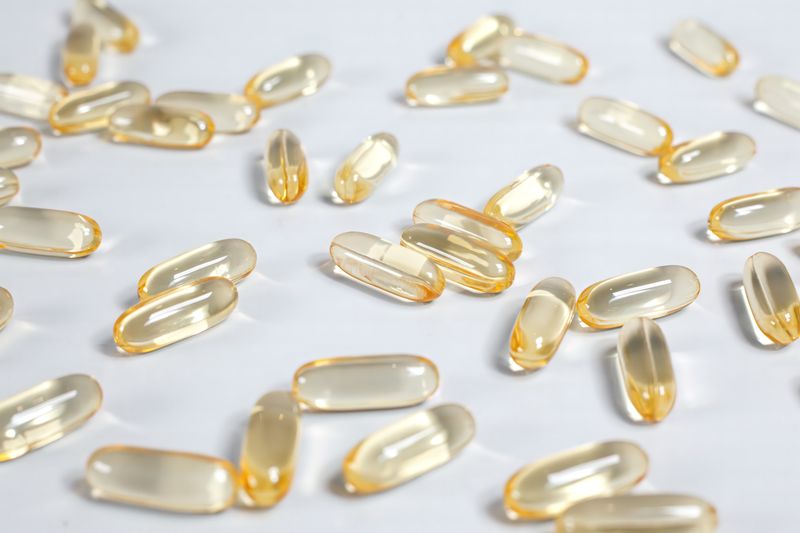
Krill oil outperforms standard fish oil for joint pain primarily because of how its omega-3s are packaged. Standard fish oil delivers EPA and DHA as triglycerides, a form the liver must convert before the omega-3s can integrate into cell membranes in joint tissue. Krill oil delivers the same omega-3s already bound to phospholipids, the exact carrier molecule your cell membranes are built from. Multiple peer-reviewed studies confirm that phospholipid-bound omega-3s absorb 2 to 3 times more efficiently than triglyceride fish oil at equivalent doses.
For joint health specifically, this matters in two places: chondrocytes (the cells that produce and maintain cartilage) and synovial cells (which produce the fluid that lubricates joint surfaces). Both depend on healthy phospholipid membrane function. Krill oil omega-3s integrate directly into these membranes; fish oil omega-3s do so only after the liver conversion step, which becomes less efficient with age.
Krill oil also naturally contains astaxanthin, a carotenoid antioxidant that directly inhibits NF-kB, one of the primary inflammatory signaling pathways in joint tissue. No fish oil product contains astaxanthin. For a full breakdown of the krill vs fish oil evidence, see our guide on omega-3 and joint inflammation after 40.
Side-by-Side Comparison
| Product | Krill/serving | EPA+DHA form | Astaxanthin | Guarantee | Price (1 bottle) |
|---|---|---|---|---|---|
| NativePath Antarctic ★ | 500 mg | Phospholipid ✓ | 200 mcg ✓ | 365 days ✓ | $37 |
| Sports Research Antarctic | 1,000 mg | Phospholipid ✓ | Included | 90 days | ~$27 |
| Viva Naturals Triple Strength | 1,000 mg | Phospholipid ✓ | Included | 60 days | ~$25 |
| MegaRed Advanced 4in1 | 350 mg krill + fish oil blend | Mixed | Not specified | Retailer policy | ~$30 |
Product Reviews
#1, NativePath Antarctic Krill Oil (Best Overall)

NativePath’s formula stands above the field on three points: it sources from certified Antarctic waters (lowest contaminant load of any krill origin), includes 200 mcg of astaxanthin per serving (most brands include only trace amounts), and backs it with a 365-day money-back guarantee. That guarantee matters specifically for joint supplements because results develop over 8 to 12 weeks, a 30 or 60-day window closes before you can properly evaluate the product.
The 500 mg per serving is lower than some competitors, but the phospholipid absorption advantage means the effective omega-3 activity is comparable to much higher triglyceride fish oil doses. One softgel per day. No fishy aftertaste. Full NativePath Antarctic Krill Oil review →
Buy link temporarily unavailable. See the availability note near the top of this article.
#2, Sports Research Antarctic Krill Oil (Best Value)
Sports Research offers 1,000 mg of Antarctic krill oil per serving at roughly $27 per bottle, making it the best cost-per-milligram option among quality phospholipid krill oils. Astaxanthin is included. The 90-day guarantee is better than most pharmacy brands but does not cover a full evaluation period the way NativePath’s does. A strong choice if upfront price is the primary constraint.
#3, Viva Naturals Triple Strength Krill Oil (Best Budget)
Viva Naturals delivers 1,000 mg per serving at around $25 per bottle, the lowest price among verified phospholipid Antarctic krill oils. The 60-day guarantee is tighter than ideal for joint evaluation, and the formulation is less detailed in its astaxanthin dosing than NativePath. Appropriate if budget is the primary consideration and you are willing to accept a shorter return window.
#4, MegaRed Advanced 4in1 (Pharmacy Convenience Pick)
MegaRed is the most widely available krill oil brand, sold in most US pharmacy chains and big-box stores. The 4in1 formula blends krill oil with fish oil and CoQ10. Trade-off: the krill oil per serving is lower than dedicated krill supplements, and the mixed triglyceride/phospholipid form reduces the absorption advantage. Convenient for adults who prefer buying supplements in person rather than online.
How to Choose a Krill Oil for Joint Pain
Phospholipid form is non-negotiable. Verify the label says phospholipid-bound EPA and DHA, not generic “omega-3.” Any krill oil product that does not specify phospholipid form is likely blended or lower quality, skip it.
Check astaxanthin content. A product with under 100 mcg of astaxanthin per serving has it in name only. 200 mcg, as in NativePath, is a meaningful anti-inflammatory dose.
Guarantee length must exceed 90 days. Joint supplements require 8 to 12 weeks to produce measurable results. A 30 or 60-day return window is not sufficient to evaluate the product fairly.
Antarctic source matters. Antarctic krill are at the base of a pristine food chain, lower mercury, PCB, and microplastic load than any farmed or mid-ocean source. Verify this on the label.
Frequently Asked Questions
What is the best krill oil supplement for joint pain in 2026?
NativePath Antarctic Krill Oil is the top pick for joint pain specifically, due to its phospholipid-bound EPA and DHA, 200 mcg of astaxanthin per serving, and 365-day guarantee that covers the full evaluation window joint supplements require.
Is krill oil better than fish oil for arthritis?
For most adults with arthritis, yes. Krill oil omega-3s are phospholipid-bound and absorb directly into joint tissue without liver conversion, delivering 2 to 3 times the bioavailability of standard fish oil at equivalent doses. Krill oil also contains astaxanthin, which has direct anti-inflammatory activity that fish oil lacks.
How long does it take for krill oil to reduce joint pain?
Most adults who respond notice reduced morning stiffness and less end-of-day joint swelling within 3 to 6 weeks. Full anti-inflammatory benefit develops over 8 to 12 weeks of consistent daily use. This is why guarantee length matters when choosing a krill oil supplement.
Can I take krill oil with glucosamine or collagen?
Yes, krill oil is commonly combined with glucosamine, collagen, and hyaluronic acid in joint support stacks. The main interaction to check is with blood thinners: omega-3s have mild anticoagulant properties and can potentiate warfarin and aspirin therapy. Discuss with your prescribing physician before combining.
Is 500 mg of krill oil per day enough?
Yes, when the omega-3s are phospholipid-bound. The 2 to 3x bioavailability advantage of phospholipid krill oil means 500 mg delivers effective omega-3 activity comparable to 1,000 to 1,500 mg of triglyceride fish oil. The dose that matters is absorbable omega-3, not total oil volume.