Last updated: July 14, 2026 | By Richard Hale
Physical therapy is the most evidence-supported intervention for most chronic back pain conditions. It is also expensive, time-limited, and inaccessible for many people on a practical basis. This creates a real and legitimate market for home-use devices that extend or approximate some of what clinical care provides.
This guide covers the at-home device categories that have meaningful evidence behind them, what each type does mechanically, what the research shows, and the important distinctions between devices that address symptoms and those that address causes.
This content is for educational purposes only and is not medical advice. New or worsening back pain, pain that radiates into the legs, or pain accompanied by neurological symptoms should be evaluated by a healthcare provider before using any self-treatment device.
Table of Contents
- Heat and Cold Therapy
- TENS Units
- Spinal Decompression Devices
- Foam Rolling for the Back
- Inversion Tables
- Matching the Device to the Problem
- Frequently Asked Questions
Heat and Cold Therapy
Heat and cold are the most accessible and most evidence-supported self-treatment tools for back pain, yet they are used inconsistently because the distinction between when to use each is not intuitive.
Cold (ice packs, cold wraps): most effective in the first 48 to 72 hours after acute injury or flare-up. Cold reduces inflammation and numbs acute pain through vasoconstriction. Apply for 15 to 20 minutes at a time, never directly on the skin.
Heat (heating pads, heat wraps): more effective for chronic pain, muscle stiffness, and non-inflammatory conditions. Heat increases blood flow, relaxes muscle spasm, and increases connective tissue extensibility, which makes it useful before stretching or mobility exercises. Multiple studies support heat therapy for chronic lower back pain, with continuous low-level heat (heat wraps) showing particularly consistent results.
For osteoarthritis-related back pain and chronic muscle stiffness, heat is typically more useful on a daily basis than cold. Using heat for 15 to 20 minutes before morning movement or before physical activity specifically helps reduce the stiffness component.
TENS Units
Transcutaneous electrical nerve stimulation (TENS) units deliver low-voltage electrical currents through electrode pads placed on the skin near the painful area. The mechanism is primarily pain-gating: the electrical stimulation signals compete with pain signals in the nervous system, reducing perceived pain intensity. At higher frequencies, there may also be effects on endorphin release.
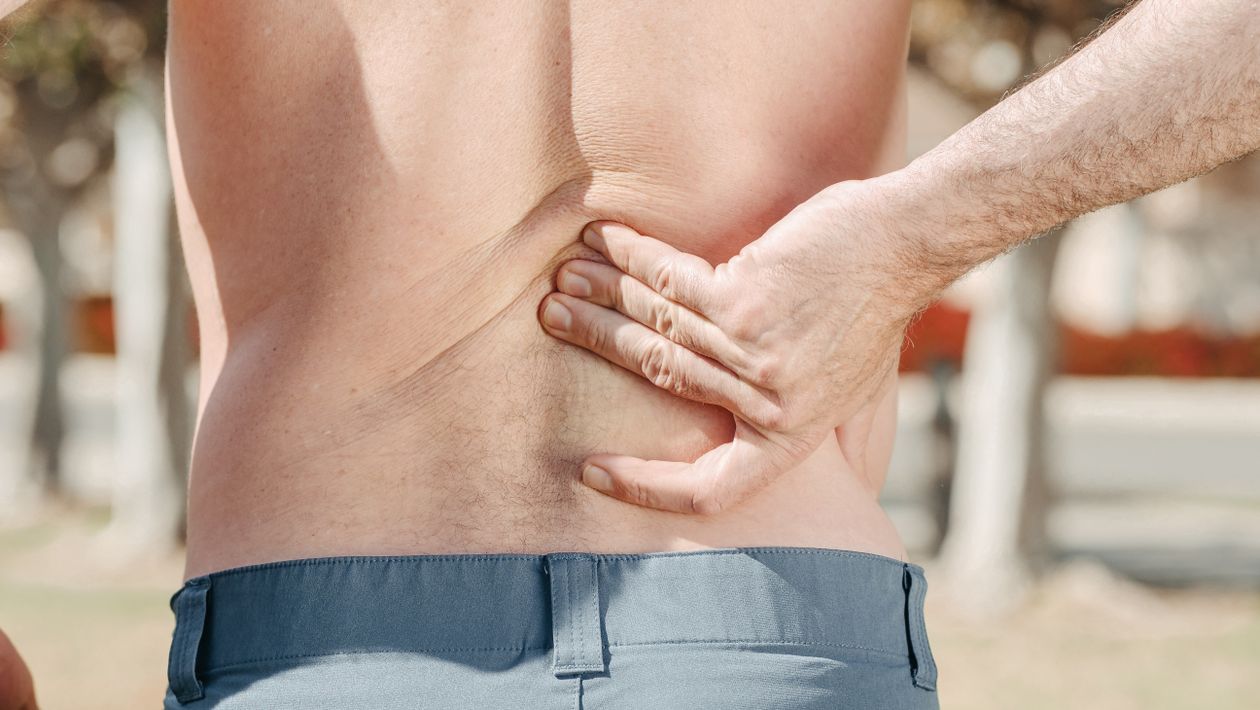
The evidence for TENS in chronic lower back pain is moderately positive, with several meta-analyses finding meaningful pain reduction compared to sham stimulation, though effect sizes are modest. TENS is most useful as a pain management tool that allows people to maintain activity and exercise, which is the actual treatment for most chronic back pain. It does not address the underlying causes of pain.
Consumer TENS units are widely available and safe for most people. Contraindications include pacemakers, pregnancy, epilepsy, and use over broken skin or areas with impaired sensation. Following manufacturer instructions on electrode placement and duration is important.
Spinal Decompression Devices
Spinal decompression devices for home use range from simple stretching boards to more sophisticated traction devices that apply a measured longitudinal force to the lumbar or cervical spine. The goal is to reduce compressive loading on intervertebral discs and facet joints, which is theorized to help with conditions like disc herniation, degenerative disc disease, and facet joint syndrome.
The evidence for mechanical traction in lower back pain is mixed. Some studies find meaningful pain reduction and improved function, particularly for radicular pain (pain radiating into the legs from disc compression of nerve roots). Others find no significant benefit over sham traction. The Cochrane review of traction for low back pain found insufficient evidence to draw firm conclusions.
For home use, passive decompression positions (lying with the knees at 90 degrees over a chair, which naturally elongates the lumbar spine) achieve some of the same mechanical effect at no cost. Dedicated decompression devices add more controlled force and may help some people who respond well to traction in clinical settings.
Foam Rolling for the Back
Foam rolling the thoracic spine (the upper and mid back) is one of the most useful and underutilized at-home interventions for people with chronic back and neck tension. Positioning the foam roller horizontally under the mid-back and doing supported thoracic extensions over it addresses the mobility loss in the thoracic spine that contributes to both neck and lower back loading.
An important distinction: foam rolling the lumbar spine directly (the lower back, rather than the thoracic region) is generally not recommended. The lumbar spine is not designed for the rotation and compression that foam rolling produces, and the direct pressure can aggravate existing conditions. Thoracic foam rolling is beneficial; lumbar foam rolling requires more care and is best avoided without professional guidance.
Inversion Tables
Inversion tables suspend the user at an inverted angle (typically 20 to 60 degrees, not fully upside down) to apply gentle traction to the spine through body weight. The theory is that this lengthens the spine, reduces disc compression, and relieves nerve root pressure.
The evidence is limited and mixed. Some small studies show short-term pain reduction; others find no significant benefit. Inversion is contraindicated for people with hypertension, glaucoma, heart disease, or hiatal hernia, because the inverted position increases blood pressure in the head. For otherwise healthy adults with chronic lower back pain who have not responded to other conservative treatments, it is a reasonable trial, but it is far from a first-line recommendation.
Matching the Device to the Problem
| Type of pain | Best starting device | Evidence level |
|---|---|---|
| Acute muscle spasm | Heat + rest (brief) | Moderate-strong |
| Chronic muscle stiffness | Heat pad / heat wrap | Moderate-strong |
| Chronic nerve-related pain | TENS unit | Moderate |
| Disc/nerve root compression | Decompression device | Mixed |
| Thoracic stiffness | Foam roller (thoracic only) | Moderate |
| General decompression | Inversion table | Limited/mixed |
Frequently Asked Questions
What is the most effective at-home treatment for lower back pain?
For most chronic lower back pain, heat therapy combined with gentle movement is the most accessible and best-supported approach. TENS units add pain management capacity for people with persistent or nerve-related pain. Exercise (specifically strengthening the core and hip stabilizers) is the most durable intervention for most chronic lower back pain causes, but devices help manage pain enough to allow that exercise to happen.
Should I rest or stay active with back pain?
Stay active, within tolerance. The evidence strongly and consistently shows that prolonged bed rest for back pain produces worse outcomes than continued gentle movement. The appropriate activity level depends on the cause and severity, but complete rest beyond 48 to 72 hours for acute pain, or any rest for chronic pain, is not supported by current evidence.
Can a TENS unit make back pain worse?
TENS units do not typically make back pain worse when used correctly. The most common adverse effects are skin irritation from the electrode pads and a worsening of pain if used over acute injury in the inflammatory phase. TENS is not appropriate for certain conditions (pacemakers, pregnancy) and should not be used as a substitute for evaluation of new or significantly worsening pain.
How long should I use a heating pad for back pain?
Standard sessions of 15 to 20 minutes are most commonly used in research showing benefit. Continuous low-level heat wraps (designed for extended wear) can be used for up to 8 hours, as several trials have used this protocol for chronic lower back pain with positive results. Direct high-heat pads should not be used while sleeping due to burn risk.
How do I choose between a TENS machine and a heat pad for back pain?
TENS works by interrupting pain signals through the pain-gate mechanism and is most useful for sharp, nerve-related, or radiating pain. Heat pads work by increasing local circulation, relaxing muscle tension, and raising pain threshold through thermal effects, most useful for muscle tension, chronic stiffness, and morning back pain. For acute back pain with muscle spasm, heat is usually more effective in the first 48 to 72 hours. For chronic or nerve-related pain, TENS often provides better sustained relief. Many adults with chronic back pain benefit from having both available and using each device for the type of pain it addresses best, rather than committing to one approach alone.
About the author: Richard Hale is an independent health writer focused on mobility, joint health, and active aging research. He is not a licensed medical professional. All content on VitalMove40 is for educational purposes only and is not a substitute for advice from a qualified healthcare provider.