Last updated: July 14, 2026 | By Richard Hale
Not every knee brace serves the same purpose. A compression sleeve is built for mild support and circulation during exercise. A hinged brace is built to stabilize a joint with ligament damage. A patellofemoral brace targets the kneecap specifically. Choosing the wrong type does not just waste money, it can create a false sense of security for an injury that needs different support, or add bulk and restriction to a knee that only needs warmth and light compression.
This guide breaks down the main types of knee braces, what each one is designed to do, and which situations call for which design, so you can match the right support to your specific need.
This content is for educational purposes only and is not medical advice. For significant knee injuries, post-surgical recovery, or conditions involving ligament damage, consult an orthopedist or physical therapist before selecting a brace.
Table of Contents
- The Main Types of Knee Braces
- Compression Sleeves
- Hinged Knee Braces
- Patellofemoral Braces
- Unloader Braces for Osteoarthritis
- How Fit Affects Effectiveness
- When a Brace Is Not the Answer
- Frequently Asked Questions
The Main Types of Knee Braces
Knee braces fall into four main categories based on their structural design and intended function. Understanding the category is more important than comparing specific products, because the wrong category cannot be compensated for with better materials or fit.
- Compression sleeves: elastic fabric, no rigid components, mild support and proprioception
- Hinged braces: rigid or semi-rigid side bars with a pivot mechanism, ligament stabilization
- Patellofemoral braces: open-patella or patellar tracking design, kneecap alignment
- Unloader braces: wedge mechanism, shifts load off one compartment of the knee, specifically for osteoarthritis
Compression Sleeves
Compression sleeves are the most widely used and least invasive type. They provide mild compression that increases blood flow, reduces swelling, and (importantly) improves proprioception, which is the joint’s awareness of its own position. This last benefit is often underappreciated: better proprioception means faster neuromuscular response, which reduces the risk of the joint moving into a vulnerable position.
Sleeves are appropriate for mild to moderate knee pain from overuse, general joint stiffness, early-stage osteoarthritis, and exercise where light support is useful but not critical. They are not appropriate for instability from ligament damage, where the sleeve provides warmth and comfort but no actual structural support.
What to Look For
Even compression without pressure points, open or closed patella (open patella versions distribute compression more evenly around the kneecap), non-slip construction at the top band, and sufficient thickness to maintain shape through activity. For people with significant swelling, a medical-grade compression sleeve (measured in mmHg) provides more precise pressure than consumer sleeves.
For an example of a sleeve that uses graduated, zoned compression rather than a single uniform squeeze, see our RelievCore knee sleeve review.
Hinged Knee Braces
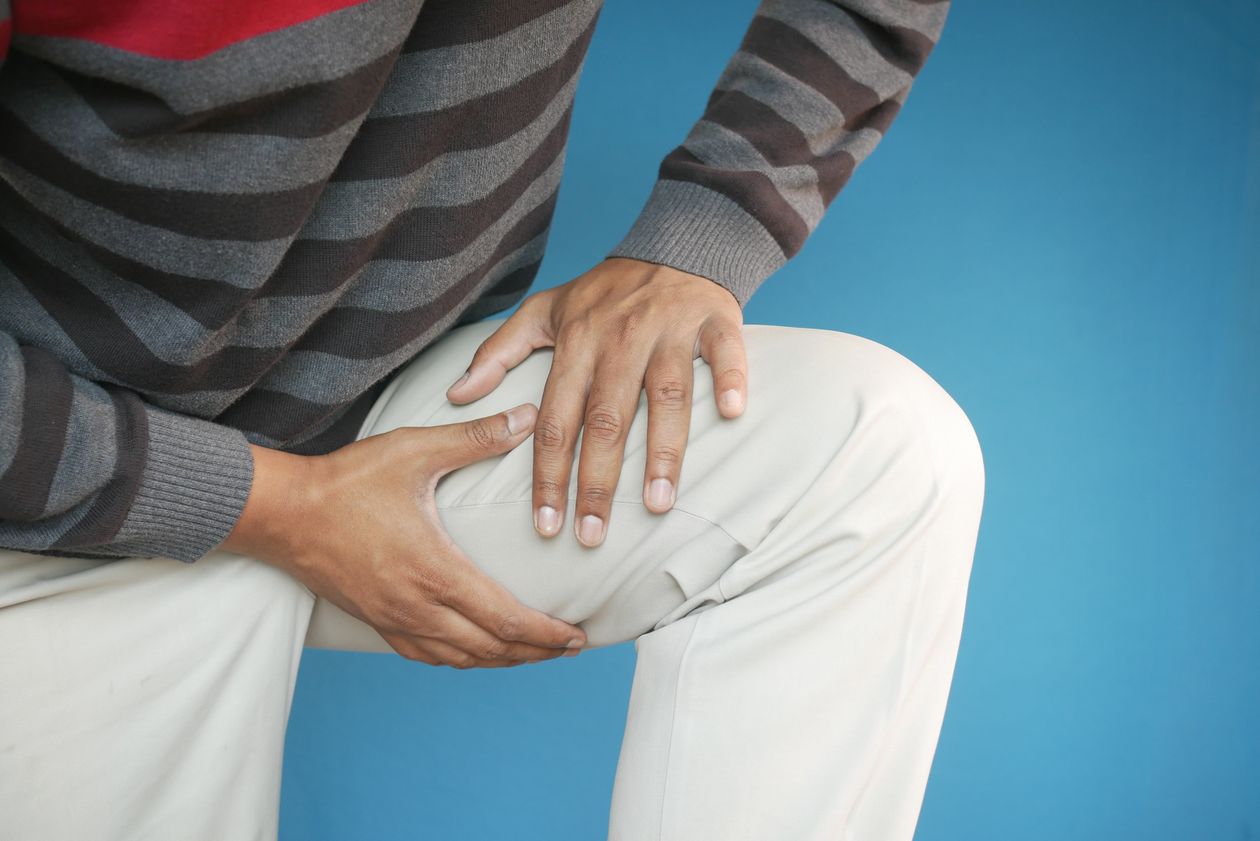
Hinged braces add lateral support through rigid or semi-rigid side bars connected to a hinged pivot at the knee. This construction provides meaningful resistance to valgus and varus forces (the sideways loads that stress the medial and lateral collateral ligaments) and limits hyperextension. For people recovering from MCL or LCL sprains, or returning to activity after ACL repair, a hinged brace provides structural support that a sleeve physically cannot.
Hinged braces range from lightweight functional braces (used during sports with healed ligament injuries) to heavy rehabilitative braces (used immediately post-surgery with strict range-of-motion limits). The clinical recommendation from a physical therapist or orthopedist is particularly important here, because the hinge angle settings and material grade need to match the specific stage of recovery.
Patellofemoral Braces
Patellofemoral braces address tracking problems of the kneecap. When the patella does not glide smoothly in its groove during knee flexion and extension, it creates pain around the front of the knee, especially on stairs, when squatting, or after sitting for extended periods. This is one of the most common knee complaints in adults over 40, particularly those who sit for long hours and have weak quadriceps or tight IT bands.
Patellofemoral braces use a buttress or ring around the kneecap to guide its path during movement. Some also include straps above and below the patella. The evidence base for patellofemoral bracing combined with quad strengthening is stronger than for bracing alone, the brace manages symptoms while the exercise addresses the underlying cause.
Unloader Braces for Osteoarthritis
Unloader braces are specifically designed for people with unicompartmental osteoarthritis, where the cartilage breakdown is concentrated on one side of the knee (usually the medial, or inner, compartment). A wedge mechanism applies a three-point pressure system that shifts the mechanical load away from the damaged compartment and toward the healthier one.
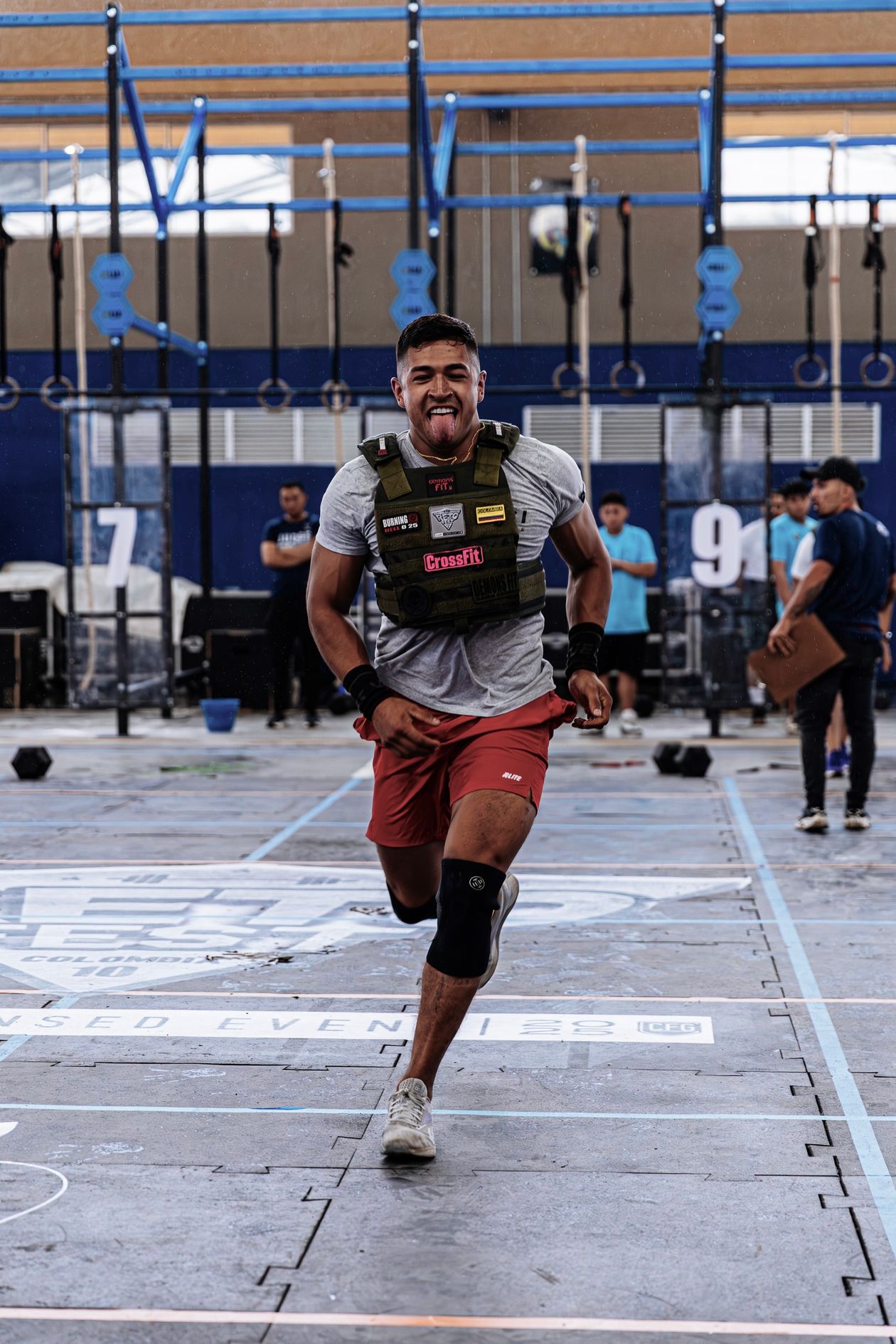
The evidence for unloader braces is reasonably strong: several controlled studies have found meaningful reductions in pain and improved function for people with medial compartment osteoarthritis who use them consistently. They are more expensive than other brace types and require fitting by a professional, but for appropriate candidates they are one of the more evidence-supported conservative management tools.
How Fit Affects Effectiveness
A correctly chosen brace type that fits poorly is significantly less effective and can cause new problems. Key fit principles:
- Measure mid-thigh, at the knee, and mid-calf: brace manufacturers provide sizing charts; most sizing errors come from measuring only the knee circumference
- The brace should not migrate during movement: a sleeve that rolls down after 20 minutes provides almost no benefit during the lower half of your walk or workout
- Hinged brace pivot points must align with the knee joint: misalignment creates abnormal shear forces rather than distributing them
- Pressure should be even, not concentrated: any localized pressure point that causes numbness or skin irritation indicates a fit problem
When a Brace Is Not the Answer
Knee braces manage symptoms, they do not address the underlying causes of most chronic knee conditions. For people with osteoarthritis, using a brace without addressing weight, muscle strength, and movement patterns will slow but not stop progression. For people with patellofemoral syndrome, a brace that manages pain while the quad weakness and hip imbalances remain uncorrected will need to be worn indefinitely rather than becoming a transitional tool.
The most durable approach uses a brace as part of a broader program: symptom management now, while strength training and movement correction address the root cause. See the guide to best low-impact exercises for joints for the specific exercises that most directly support knee health.
Frequently Asked Questions
Should I wear a knee brace all day?
For most conditions, no. Wearing a brace all day reduces the proprioceptive challenge that helps maintain the neuromuscular coordination around the joint. Exceptions include post-surgical recovery under medical guidance and acute injury situations where the joint needs protection during healing. For chronic conditions like osteoarthritis, bracing during activity and removing the brace during rest is the standard approach.
Do knee braces weaken the knee over time?
There is limited evidence that compression sleeves weaken the knee. For hinged braces worn long-term, some muscle atrophy can occur if the brace consistently substitutes for active muscle function. This is why bracing is typically recommended as a transitional tool combined with rehabilitation exercises, not as a permanent substitute for muscle support.
Can a knee brace help with bone-on-bone arthritis?
For unicompartmental bone-on-bone osteoarthritis, an unloader brace can meaningfully reduce pain and improve function by redistributing load away from the damaged compartment. It does not repair the joint, but it can delay the point at which surgical intervention becomes the only viable option for some people. This requires professional fitting and prescription in most cases.
How long should a knee brace last?
Compression sleeves typically last six to twelve months of regular use before the elastic loses meaningful compression. Hinged braces last several years with proper care. Signs that a brace needs replacing: it no longer provides consistent compression, the pivot mechanism feels loose or develops a click, or the fit has changed significantly due to body composition changes.
What is the difference between an open-patella and closed-patella knee brace?
An open-patella knee brace has a cutout over the kneecap, reducing direct pressure on the front of the knee. This design is preferable for patellofemoral pain, patellar tendinopathy, or chondromalacia where direct compression over the kneecap causes discomfort. A closed-patella design covers the entire knee and provides more uniform compression across the joint, better for general knee instability, medial or lateral compartment support, and adults without a specific patellofemoral complaint. When in doubt, a sleeve-style compression brace without rigid stays is a reasonable starting point that can be upgraded to a more specific design once the nature of the knee problem is clear.
About the author: Richard Hale is an independent health writer focused on mobility, joint health, and active aging research. He is not a licensed medical professional. All content on VitalMove40 is for educational purposes only and is not a substitute for advice from a qualified healthcare provider.