
Last updated: November 9, 2026 | By Richard Hale
Affiliate disclosure: VitalMove40 earns a commission if you purchase through links on this page at no additional cost to you. We only review products we assess as relevant and useful for our readers. See our full affiliate disclosure.
This content is for educational purposes only and is not medical advice. Leaking that starts suddenly, blood in the urine, pain or fever need a doctor’s visit, not a supplement.
Bladder leaks after menopause: quick answer
Bladder leaks after menopause are common, and they have causes that can be supported: falling estrogen, changes in the vaginal microbiome and weaker pelvic floor muscles. Pelvic floor training, a talk with your doctor about local treatment and daily urinary support can work together. Our supplement pick is FemiCore.

If leaks began or got worse around menopause, you are not imagining a link. This guide explains why it happens, what the research says, and which options help, from your doctor’s office to a daily routine at home.
Table of Contents
- Why Leaks Start After Menopause
- The Microbiome Connection
- What Helps
- The Supplement We Pick
- Frequently Asked Questions
- Good to Know Before You Buy
Why Bladder Leaks Start After Menopause
Falling estrogen changes the tissue of the vagina, urethra and bladder. Doctors call the pattern the genitourinary syndrome of menopause. A 2026 review notes that many women with it have urinary urgency, frequency, nighttime trips and leaking, and that the condition is underdiagnosed and undertreated. It names local estrogen therapy as the cornerstone of treatment (PubMed 42428460).
That is a conversation for your doctor, and it is the first step if leaks are new. The rest of this guide covers what you can add at home.
See the FemiCore Review, Price and Official Store Link
The Microbiome Connection
Lactobacillus bacteria protect the female genital and urinary tract, and their numbers fall around menopause. A cohort study of 750 women aged 35 to 60 found low-Lactobacillus vaginal communities at 21.2% of visits before menopause, 22.9% in perimenopause and 49.7% after menopause. Lactobacillus crispatus and gasseri communities were linked to lower odds of vaginal atrophy (PubMed 33903897).
Two of the five strains in FemiCore are Lactobacillus crispatus LCr86 and Lactobacillus gasseri LG08, the same species named in that study.

What Helps Bladder Leaks After Menopause
- Pelvic floor muscle training. A Cochrane review of 31 trials with 1,817 women found it can cure or improve urinary incontinence symptoms (PubMed 30288727).
- A talk with your doctor. Ask about local estrogen therapy and other treatments for the genitourinary syndrome of menopause.
- A daily supplement. Cranberry and named probiotic strains support the urinary tract and the microbiome every day.
- A bladder diary. Two weeks of counting leaks before you start, and again after four and eight weeks, shows what is working.
The Supplement We Pick: FemiCore
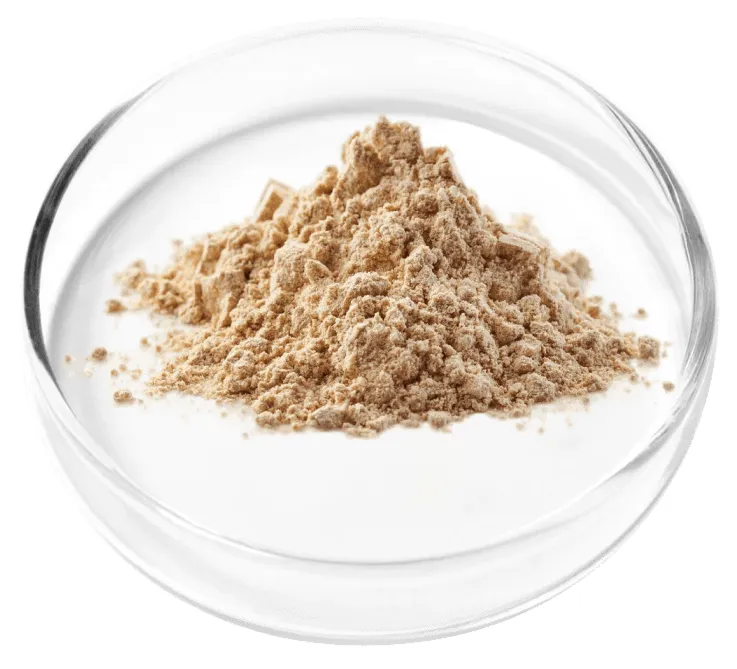
Each FemiCore capsule holds a 350 mg herbal blend (mimosa pudica seed extract, cranberry extract standardized to 30% proanthocyanidins, bearberry leaf and berberine) and a 50 mg probiotic blend of five named strains: Lactobacillus crispatus LCr86, acidophilus LA85, plantarum Lp05, gasseri LG08 and casei LC89. You take one capsule every morning with water. The 6-bottle package is $49 per bottle, the order is covered by a 60-day money-back guarantee, and the payment is one-time with no auto-ship.
| Package | Per bottle | Total | Per day |
|---|---|---|---|
| 2 bottles | $79 | $158 plus $9.99 shipping | about $2.63 |
| 3 bottles | $69 | $207, free US shipping | about $2.30 |
| 6 bottles | $49 | $294, free US shipping, 3 digital guides | about $1.63 |
Prices were listed on the official page on October 31, 2026. They can change and promotions come and go, so confirm the current price on the official site.
Read the FemiCore Review and Get the Official Store Link
Frequently Asked Questions
Why do bladder leaks start after menopause?
Falling estrogen changes the tissue of the vagina, urethra and bladder, a pattern doctors call the genitourinary syndrome of menopause. A 2026 review notes that many women with it have urinary symptoms such as urgency, frequency and leaking, and that the condition is underdiagnosed (PubMed 42428460).
Do bladder leaks stop after menopause?
Leaks often continue after menopause, and several options help: pelvic floor training, local treatment from your doctor and daily urinary support.
What helps bladder leaks after menopause?
Pelvic floor muscle training has the strongest evidence among self-care options. Your doctor can also talk to you about local estrogen therapy, which a 2026 review calls the cornerstone of treatment for the genitourinary syndrome of menopause. A daily supplement can add urinary support to that plan.
Why are probiotics mentioned for menopause?
A cohort study of 750 women found low-Lactobacillus vaginal communities at 21% of visits before menopause and 50% after menopause (PubMed 33903897). Strains such as Lactobacillus crispatus and gasseri were linked to healthier tissue, and FemiCore includes both.
Is FemiCore good for women over 50?
FemiCore is made for women who want a daily bladder control support routine, and it combines cranberry, bearberry, mimosa pudica, berberine and five named Lactobacillus strains. The 60-day money-back guarantee lets you test it with your own bladder diary.
Can I take FemiCore with hormone therapy?
Ask your doctor or pharmacist before you start, especially if you take hormone therapy or other prescription medication. The label advises anyone with a medical condition to consult a physician.
When should I see a doctor about leaks after menopause?
See a doctor if leaking starts suddenly, comes with pain, fever or blood in the urine, or affects your daily life. A check finds treatable causes and helps you choose between the options.
See the FemiCore Review, Price and 60-Day Guarantee
Good to Know Before You Buy
- Supplements. A supplement supports daily urinary health and is not a replacement for pelvic floor training or medical care.
- Studies. The research above covers the genitourinary syndrome of menopause, the vaginal microbiome and pelvic floor training. We did not find a published trial of the finished FemiCore capsule.
- Doses. The FemiCore label gives the total of each blend, not the amount of each ingredient, and no CFU count for the probiotics.
- Returns. The FemiCore guarantee needs all bottles and the packing slip sent back within 60 days of delivery, and return shipping is paid by the customer.
- The menopause study. The 750-women study measured vaginal communities, not the effect of a probiotic capsule.
- Your doctor. If you are pregnant or nursing, have a medical condition or take prescription medication, talk to your doctor or pharmacist first. Call your doctor promptly if leaking begins suddenly or comes with pain, fever, blood in the urine or leg numbness.
These statements have not been evaluated by the Food and Drug Administration. This product is not intended to diagnose, treat, cure or prevent any disease.
Keep Reading
How this guide was put together: It draws on the official FemiCore page and label, and on the three published studies and reviews listed above. Each study was opened and checked on PubMed before it was cited.
About the author: Richard Hale is an independent health writer focused on mobility, joint health, and active aging research. He is not a licensed medical professional. All content on VitalMove40 is for educational purposes only and is not a substitute for advice from a qualified healthcare provider.