Last updated: August 12, 2026 | By Richard Hale
Affiliate disclosure: VitalMove40 earns a commission if you purchase through links on this page at no additional cost to you. We only review products we assess as relevant and useful for our readers. See our full affiliate disclosure.
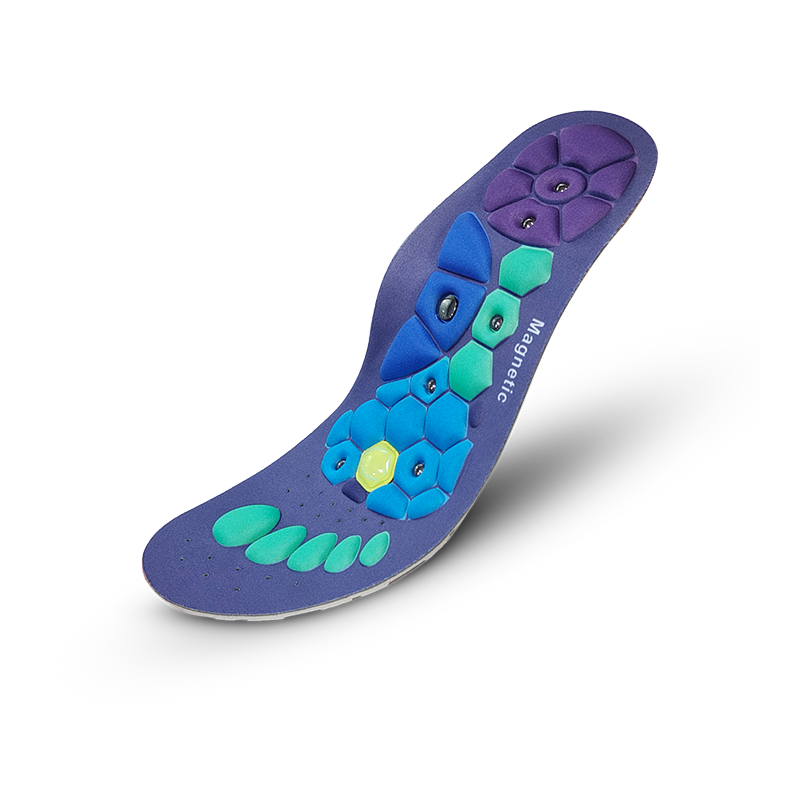
The EvoStep insoles combine a structured arch support base with a hexagonal acupressure cushion surface, antimicrobial silver coating, and strategically placed magnets throughout the insole. They are trim-to-fit, designed for use in any shoe, and target adults with plantar fasciitis, heel pain, and back pain from poor foot mechanics. They carry a 4.9-star rating and a 30-day money-back guarantee.
If you are still deciding whether OTC insoles are the right approach for your foot pain, our full guide to insoles for plantar fasciitis covers what the research shows, how insoles work, and when OTC versus custom is the better choice. This review focuses specifically on the EvoStep product.
This content is for educational purposes only and is not medical advice. Available in the United States and Australia.

EvoStep Insoles, 4.4/5
Magnetic acupressure insoles designed to relieve foot pain, improve circulation, and reduce joint stress through pressure-point stimulation.
- Magnetic acupressure targets plantar pressure points without medication
- Trimmable to fit most shoe sizes and types
- Worn passively throughout the day with no active use required
Table of Contents
- What You Get
- Design and Construction
- What Actually Produces the Benefit
- Fit and Sizing
- Who It’s For
- EvoStep for Chronic Multi-Site Pain
- Verdict
- Frequently Asked Questions
What You Get
The EvoStep order ships as a pair of trim-to-fit insoles. A size guide and trim lines are included, the insoles are larger than most shoe sizes and are cut down to fit. The trimming process takes a few minutes and results in an insole sized to the specific shoe you are putting them into, rather than a generic size that may not lie flat.
The design is visually distinctive: a blue-purple base with a hexagonal cushion grid in teal and green, transitioning to different zone colors across the insole. The arch area, heel cup, and forefoot zones are visually differentiated, which also reflects functional differentiation in the cushioning density and structure across those zones.
Design and Construction
The EvoStep insole has four main structural components:
Arch support base. The rigid-to-semi-rigid base provides the foundational arch support that is the primary load-redistribution mechanism. The arch profile is contoured rather than flat, elevating the arch and reducing the tension placed on the plantar fascia during standing and walking. This is the component with the strongest evidence base for plantar fasciitis benefit.
Hexagonal acupressure cushion surface. The top layer consists of hexagonal cushion pods arranged in a grid across the insole surface. Each pod provides localized pressure when the foot bears weight, intended to stimulate pressure points mapped across the foot’s sole. The acupressure concept is based on reflexology principles that specific foot zones correspond to body areas. The evidence for specific reflexology-mapped therapeutic effects is limited; the practical benefit of the hex cushion surface is that it provides multi-point contact pressure that distributes load more evenly than a flat foam surface.
Embedded magnets. Magnets are placed at intervals throughout the insole, positioned to contact foot pressure points. The magnetic therapy component is a common feature in insoles marketed for pain relief. The evidence for magnetic therapy as a direct therapeutic mechanism for foot pain is weak, there are no large, well-controlled trials demonstrating that magnetic fields at these field strengths produce meaningful tissue-level changes. The insoles work as orthopedic insoles; the magnets are an additional feature, not the primary mechanism of benefit.
Antimicrobial silver coating. The top surface incorporates silver ions, which have well-documented antimicrobial properties. For an insole worn daily in a warm enclosed environment, antimicrobial treatment meaningfully reduces odor and bacterial buildup over weeks of use, a practical benefit for long-term wear.

What Actually Produces the Benefit
Being direct about this matters for setting appropriate expectations.
The components with solid evidence for foot pain benefit are: the arch support base (strong evidence for plantar fasciitis and heel pain), the heel cup (reduces fat pad splay, compensates for fat pad atrophy), and the multi-zone cushioning (distributes plantar pressure away from pain points). These are standard orthopedic insole features, and they are the mechanisms most likely responsible for the positive user outcomes reflected in the product’s ratings.
The magnetic therapy component has weak evidence at these field strengths for the specific claims made. If magnetic therapy is a deciding factor for you, that is a separate research question worth investigating; but for the purposes of deciding whether the EvoStep is a useful insole for foot pain, the structural support and cushioning features are the relevant criteria, and those are genuinely well-designed.
The acupressure concept falls between these two positions: there is reasonable evidence for targeted pressure on certain foot zones producing short-term pain-reducing effects (consistent with gate control mechanisms), but the specific reflexology mapping claims go beyond what the evidence supports. The practical effect of the hex cushion surface (better pressure distribution and tactile sensory input) is real regardless of whether the specific zone mapping theory is accurate.

Fit and Sizing
The trim-to-fit design means fit quality depends on how carefully the insole is trimmed. The product includes clear trim lines for standard shoe sizes. The practical recommendation: trim conservatively on the first pass, it is easy to trim more, impossible to trim less. The insole should lie completely flat in the shoe with no curling at the toe or heel edges.
For the insole to function correctly, the arch support zone must align with your actual arch. Most adults have the arch positioned at approximately 40% of foot length from the heel, which the EvoStep arch is designed to target. Adults with unusually high or low arches positioned significantly forward or back from this norm may find the arch support does not align optimally without adjustment.
Who It’s For
Best fit for:
- Adults with plantar fasciitis or chronic heel pain who want a daily-wear OTC insole with arch support, cushioning, and antimicrobial treatment
- Adults with back pain or knee pain that a podiatrist or physiotherapist has linked to foot mechanics or overpronation
- People who stand for extended periods at work and want cushioning and support that standard factory insoles do not provide
- Adults who have tried basic flat insoles without meaningful improvement and want a more structured option before pursuing custom orthotics
Less suitable for:
- Adults with severe overpronation or structural foot deformity where a biomechanical assessment and custom orthotics are the appropriate starting point
- People whose foot pain is acute (recent injury, stress fracture, active infection), orthopedic insoles manage chronic mechanical pain, not acute conditions
- Adults primarily interested in magnetic therapy as a standalone treatment, the evidence for this mechanism is limited and should be evaluated on its own terms
EvoStep for Chronic Multi-Site Pain: Plantar Fasciitis, Knee Pain, and Lower Back Pain
For adults aged 45 to 65 dealing with plantar fasciitis alongside chronic heel pain, knee pain, and lower back pain simultaneously (a pattern that is very common in this age group) the question is whether an OTC insole like EvoStep can address the full picture, or whether it only relieves foot symptoms while leaving the rest unaddressed.
The honest answer is that EvoStep addresses the root cause of much of this multi-site pain pattern, not just the foot. Here is the mechanism:
When the plantar fascia is inflamed and the foot pronates (rolls inward) to offload the pain, the ankle, knee, and hip compensate in a chain reaction. Overpronation at the ankle increases tibial internal rotation, which increases valgus stress at the knee, which increases lateral hip loading, which increases lumbar rotation asymmetry. The result is that untreated foot mechanics contribute measurably to knee pain and lower back pain, even when those joints have no primary pathology themselves.
The EvoStep’s arch support corrects overpronation at the source. When the foot is held in neutral alignment, the compensatory chain reaction through the knee and into the lumbar spine is interrupted. Many adults who try EvoStep for plantar fasciitis report incidental improvement in knee aching and lower back tension within 2 to 4 weeks, this is the kinetic chain correction at work, not a coincidence.
EvoStep vs Custom Orthotics: When Does Each Make Sense?
| Factor | EvoStep (OTC) | Custom Orthotics |
|---|---|---|
| Cost | Low, check current price | $300–$800+ per pair |
| Assessment needed | No | Podiatrist/biomechanics assessment |
| Best for | Mild–moderate overpronation, plantar fasciitis, fat pad atrophy | Severe deformity, surgical foot, leg length discrepancy |
| Evidence for plantar fasciitis | Strong (arch support mechanism) | Strongest (custom fit) |
| Try first? | Yes, standard clinical guidance | After 3–6 months of OTC failure |
Standard podiatry guidance recommends trialing quality OTC insoles for 3 to 6 months before investing in custom orthotics, because the majority of patients with plantar fasciitis respond adequately to OTC arch support.
Bottom line for the multi-symptom profile: If you have plantar fasciitis plus knee pain plus lower back pain and previous OTC insoles have not helped, the most likely explanation is that those insoles lacked adequate arch support and heel cup depth, not that insoles cannot help. EvoStep’s contoured arch and deep heel cup address the structural mechanism that flat or thin insoles miss. Try it for 30 days (covered by the guarantee) before concluding that OTC insoles are not viable for you.
Verdict
As an orthopedic insole, the EvoStep is well-designed: the arch support base is properly contoured, the heel cup addresses fat pad atrophy, and the multi-zone cushioning distributes plantar pressure effectively. The antimicrobial silver coating is a practical feature for an insole in daily use. The trim-to-fit design makes it compatible with any shoe without size selection.
The magnetic therapy marketing should be evaluated separately from the insole’s orthopedic function, the arch support and cushioning features are the reason this product will or will not help your foot pain. Those features are solid. The 4.9-star rating and 30-day money-back guarantee reflect confidence in the product’s core function.
Check Current Price, EvoStep Insoles (United States)
Based in Australia? Check availability here
Available in the United States and Australia. 30-day money-back guarantee.
Pros and Cons at a Glance
| Pros | Cons |
|---|---|
| Contoured arch support + deep heel cup address the primary mechanical mechanism of plantar fasciitis | Magnetic therapy component has limited independent evidence as a standalone therapeutic mechanism, arch support does the heavy lifting |
| Hexagonal multi-zone cushioning distributes forefoot impact more evenly than flat insoles | Not suitable for sandals, very narrow dress shoes, or footwear with non-removable insoles |
| Trim-to-fit design works across most shoe sizes | Need replacement every 6 to 12 months as cushioning compresses with use |
| Antimicrobial silver coating reduces odour and extends daily-wear lifespan | Not a substitute for physiotherapy if plantar fasciitis is severe or chronic |
| Suitable as a first-line OTC option before custom orthotics |
Is EvoStep Legit?
Yes. EvoStep is a real insole product using magnetic acupressure, a design combining physical pressure-point stimulation with embedded magnets. The insoles are a physical product that ships from real fulfillment infrastructure. Acupressure insoles are a well-established product category with many manufacturers; EvoStep is one brand within that space.
The mechanisms are real even if the evidence base is less robust than prescription orthotics. Pressure-point stimulation on the plantar surface does reduce pain perception in many users. Individual response varies, which is why the money-back guarantee matters.
Frequently Asked Questions
How do I trim EvoStep insoles to the right size?
Use the trim lines printed on the insole as a guide for your shoe size, then place your existing shoe insole on top of the EvoStep to verify the outline before cutting. Trim with scissors along the marked line, cutting slightly outside it on the first pass, you can always trim more, but you cannot add material back. After trimming, place the insole in the shoe and check that it lies completely flat with no curl at the toe or heel. If the insole curves up at the toe, trim a small amount more until it lies flat.
Can EvoStep insoles be used in any type of shoe?
EvoStep insoles work in most closed-toe footwear with removable factory insoles, athletic shoes, work boots, casual shoes, walking shoes. They are not suitable for very low-volume shoes (dress shoes with narrow toe boxes), sandals, or shoes with non-removable insoles where the EvoStep would stack on top of the existing insole and alter the fit. For the insole to function correctly, it needs to replace the factory insole rather than sit on top of it.
How often should EvoStep insoles be replaced?
Insole replacement frequency depends on usage intensity and body weight, but a general guideline for daily-use orthopedic insoles is 6-12 months before the cushioning and arch support begin to compress and lose their functional properties. Signs that replacement is due: the arch support feels flat when you press it with a finger, the heel cushioning no longer springs back after compression, or foot pain that was previously controlled begins returning. Regular inspection of the insole shape provides a practical replacement indicator.
Is EvoStep legit?
Yes. EvoStep is a real product, a magnetic acupressure insole using pressure-point stimulation and embedded magnets to target foot pain and circulation. It is a physical product that ships as described. The acupressure insole category is well-established; EvoStep is one brand within it. Individual results vary depending on the nature of your foot discomfort, which is why the money-back guarantee matters.
Are EvoStep insoles worth it for plantar fasciitis?
EvoStep insoles can reduce plantar discomfort for some users through acupressure stimulation and arch pressure redistribution. They are not a medical treatment for plantar fasciitis and work differently from clinical orthotics. For mild to moderate plantar foot pain and general foot fatigue, they are worth trying given the refund policy. For severe or persistent plantar fasciitis, a podiatrist evaluation is the more appropriate path.
About the author: Richard Hale is an independent health writer focused on mobility, joint health, and active aging research. He is not a licensed medical professional. All content on VitalMove40 is for educational purposes only and is not a substitute for advice from a qualified healthcare provider.
Will EvoStep help if I have plantar fasciitis AND knee pain AND lower back pain?
Often yes, because all three conditions can share a root cause in foot mechanics. Overpronation and plantar fascia dysfunction alter the alignment chain from the ankle through the knee into the lumbar spine. Correcting the foot position with adequate arch support interrupts this chain. Adults with the combined plantar fasciitis + knee pain + lower back pain profile frequently report improvement in all three areas after consistent insole use, because the foot correction reduces the compensatory loading patterns that were stressing the knee and spine. Individual response varies; the 30-day guarantee covers evaluation without financial risk.
Are EvoStep insoles better than custom orthotics for plantar fasciitis?
For most adults with mild to moderate plantar fasciitis, quality OTC insoles like EvoStep produce outcomes comparable to custom orthotics at a fraction of the cost. A 2018 systematic review found no statistically significant difference in plantar fasciitis outcomes between custom and prefabricated arch support insoles in the majority of patients. Custom orthotics are clinically indicated for severe structural deformity, surgical feet, or after 3 to 6 months of OTC insole failure. Starting with EvoStep is consistent with standard podiatric guidance.