Last updated: July 17, 2026 | By Richard Hale
Tai chi has among the strongest evidence of any single exercise for fall prevention, balance improvement, and pain management in adults with arthritis. Multiple large randomized trials and Cochrane reviews support its benefits in ways that few activities can match. It requires no equipment, can be practiced indoors in a small space, and is appropriate for most fitness levels, including adults who have not exercised in years.
This content is for educational purposes only and is not medical advice. If you have severe balance impairment, neurological conditions affecting movement, or recent joint replacement, consult your healthcare provider or physiotherapist before starting tai chi to discuss any modifications needed.
Table of Contents
- What Tai Chi Is (and Isn’t)
- The Evidence Base
- How Tai Chi Improves Balance and Reduces Pain
- Which Style for Beginners
- Where to Find Classes
- How to Start
- Frequently Asked Questions
What Tai Chi Is (and Isn’t)
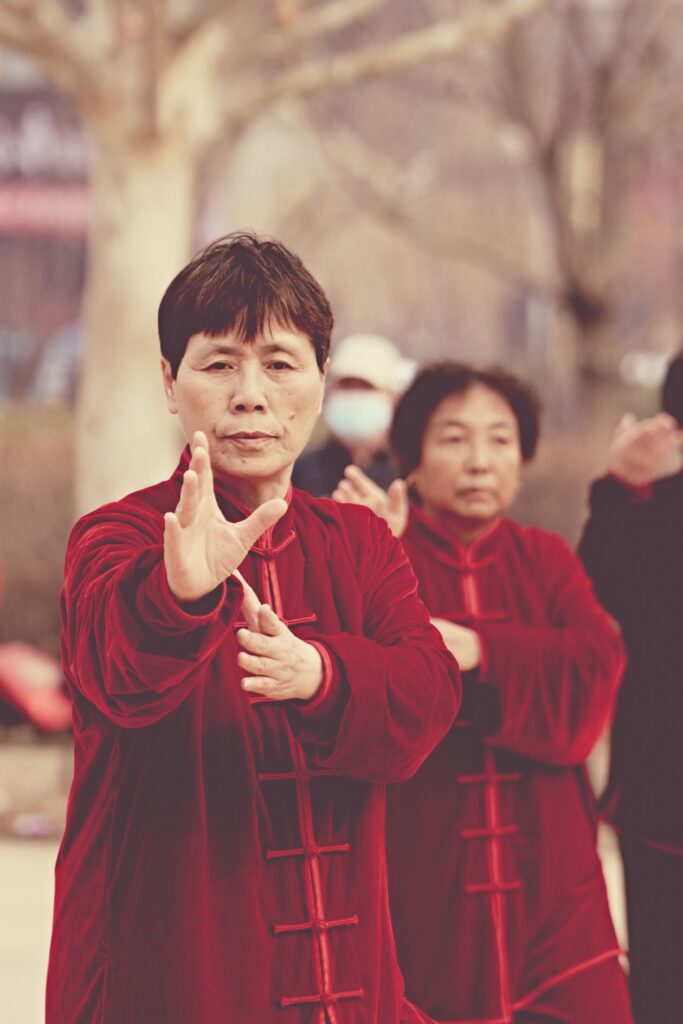
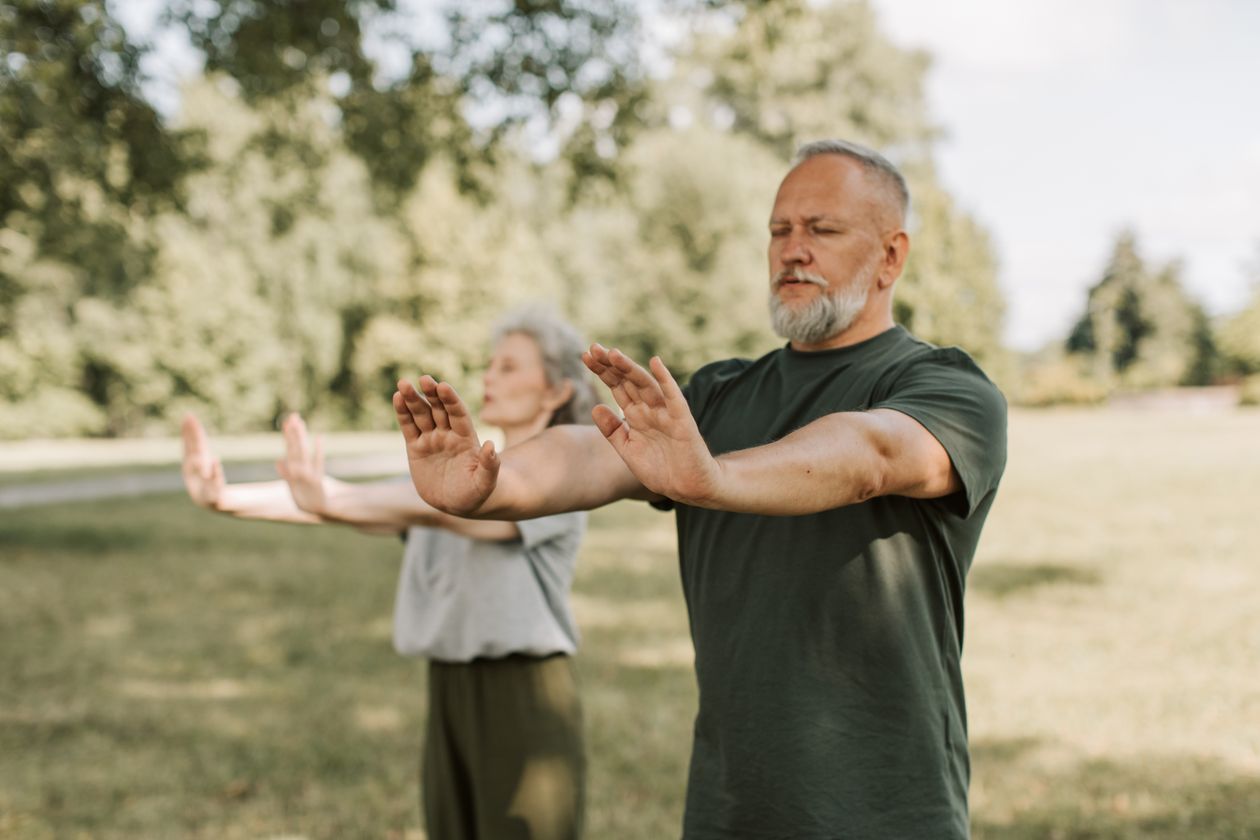
Tai chi (more formally, tai chi chuan or taijiquan) is a Chinese martial art practiced primarily as a form of moving meditation and health exercise. Modern tai chi for health involves a series of slow, flowing movements performed with continuous weight shifts between the legs, coordinated arm movements, and specific breathing patterns. The pace is slow enough to emphasize body awareness, balance, and joint alignment, which is precisely what makes it useful therapeutically.
Tai chi is not a passive or gentle activity in terms of muscular demand. The deep stances and slow controlled movements require sustained isometric work from the leg muscles (quadriceps, gluteal muscles, hip stabilizers) at angles that maximize their stabilizing function. The slow speed removes momentum from the movement, meaning the muscles must do all the work throughout the entire range, a form of low-load, sustained muscular training that builds both strength and control.
It is also not a single thing. There are multiple major styles (Yang, Chen, Wu, Sun) each with different characteristics. For health and rehabilitation applications, Yang style is the most widely taught, most studied, and most accessible for beginners. Sun style is specifically well-studied for arthritis. Chen style is the most physically demanding and least appropriate for beginners with joint conditions.
The Evidence Base
Fall prevention: the most comprehensively studied tai chi health application. A 2020 Cochrane review of 108 RCTs with 23,407 participants found that tai chi reduced the rate of falls by 21% (rate ratio 0.79) and the number of people who fell by 20% compared to control conditions. These are among the largest effect sizes in the fall prevention literature, consistently larger than many medications used for fall prevention. The fall prevention benefit appears at as few as 1-2 hours of practice per week and accumulates over months of regular practice.
Knee OA: a landmark 2016 RCT in the Annals of Internal Medicine compared tai chi to physical therapy in 204 adults with symptomatic knee OA. After 12 weeks, tai chi produced equivalent pain reductions to physical therapy, and maintained superior improvements in depression and quality of life at the 52-week follow-up. This study established tai chi as a clinical alternative to physical therapy for knee OA, not merely a complementary activity.
Rheumatoid arthritis: tai chi has been studied in RA specifically for its effect on functional capacity, pain, and psychological wellbeing. A 2016 systematic review found significant improvements in pain, disease activity, and functional capacity compared to control groups. The important finding: tai chi did not worsen RA disease activity, a concern that prevented some rheumatologists from recommending it earlier, now refuted by the evidence.
Back pain: a 2017 RCT published in JAMA Internal Medicine found that 12 weeks of tai chi reduced chronic low back pain significantly compared to health education control, with effects comparable to usual care and stretching programs. Tai chi’s combination of core stability training through movement, postural awareness, and relaxation techniques addresses multiple contributing factors in back pain simultaneously.
Fibromyalgia: a 2018 RCT in the BMJ compared tai chi to aerobic exercise in 226 fibromyalgia patients, tai chi performed equivalently or better than aerobic exercise on pain, physical function, and psychological distress outcomes. Given that aerobic exercise is the most evidence-supported treatment for fibromyalgia, equalling it while being gentler and more accessible is a significant finding.
How Tai Chi Improves Balance and Reduces Pain
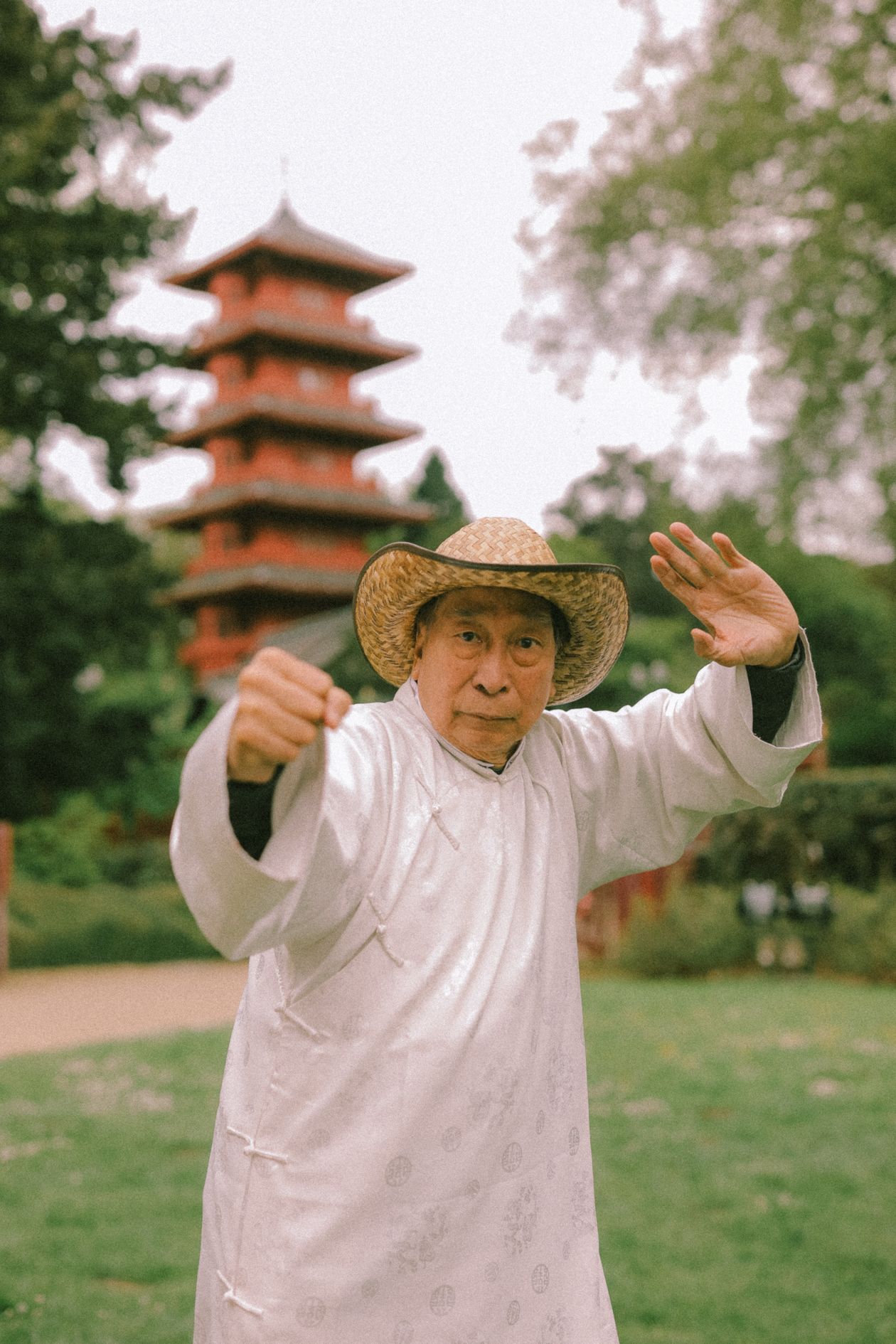
Proprioceptive training: the slow, controlled weight transfers in tai chi, from one leg to the other, through partial single-leg stances, at the edge of comfortable balance, provide continuous proprioceptive challenge. Unlike balance training performed in place, tai chi’s moving nature trains the proprioceptive system under the conditions that resemble real-world balance demands: shifting weight while coordinating arm movement, while breathing, and while maintaining awareness of body position. This is why tai chi’s fall prevention effects transfer to real-world falls rather than only to laboratory balance tests.
Muscle strength and endurance: the sustained low-load muscle work in tai chi’s slow, deep movements builds muscular endurance in the quadriceps, hip abductors, and ankle stabilizers, the muscles most critical for fall prevention and joint stability. This is not the same type of muscle adaptation as weight training, but it is specific to the functional demands of balance and controlled movement.
Psychological and central nervous system effects: tai chi’s meditative component directly reduces the psychological stress that amplifies pain through central sensitization. Multiple studies show reductions in self-reported anxiety, depression, and perceived stress following tai chi programs. These reductions in psychological amplification of pain contribute to the pain benefits independent of any peripheral tissue effects.
Pain neurophysiology: the slow, mindful movement of tai chi appears to modulate pain processing centrally, similar to the effects of meditation and mindfulness. Neuroimaging studies show that regular tai chi practice is associated with changes in brain regions involved in pain modulation. This is consistent with the observed pain reductions in conditions like fibromyalgia, where central sensitization rather than peripheral tissue damage is the primary driver.
Which Style for Beginners
Yang style: the most widely taught and most studied for health applications. The movements are moderately sized, stances are not as deep as Chen style (reducing knee demand), the pace is slow and consistent, and classes are available in virtually every community with any tai chi presence. For most adults beginning tai chi for balance, arthritis, or general wellness, Yang style is the recommended starting point.
Sun style: specifically designed by Sun Lu-Tang in the early 20th century to be more accessible, with higher stances (less knee bend) and agile stepping that is more forgiving of hip and knee limitations. Sun style has been used in several arthritis-specific RCTs and is the style recommended by the Arthritis Foundation for people with OA and RA specifically. If you have significant knee pain or hip OA, Sun style is the more joint-appropriate choice.
What to avoid initially: Chen style, which is the most vigorous, physically demanding, and technically complex of the major styles, with deep stances and explosive movements (fa jin) that are inappropriate for therapeutic beginners. Wu style and other less common styles are generally fine for health purposes but may be harder to find qualified instruction for.
Where to Find Classes
Community-based tai chi instruction is widely available and often low cost:
- YMCA and community recreation centers: most YMCAs offer tai chi classes included with membership. The Arthritis Foundation’s “Tai Chi for Arthritis” program, specifically developed for joint conditions, is often available at YMCAs nationally.
- Senior centers: most senior centers offer tai chi or have connections to local tai chi instructors. These classes are specifically oriented toward older adults and include modifications for physical limitations.
- Parks and recreation departments: many cities offer tai chi in parks through their parks and recreation programs, often free or nominal cost.
- Online and video instruction: Dr. Paul Lam (developer of Tai Chi for Arthritis) has widely available DVD and online programs that are clinically validated and suitable for self-directed practice after initial in-person instruction. His programs are the most studied in arthritis RCTs. YouTube also offers substantial free instruction, search for “Yang style tai chi for beginners” from certified instructors.
For beginners, attending at least 4-6 in-person classes before transitioning to self-directed practice is strongly recommended. The movement corrections and form feedback from an instructor during the learning phase produce significantly better outcomes than video-only learning from the start.
How to Start
A practical starting protocol for adults over 40 with joint conditions:
- Weeks 1-4: attend a beginner Yang or Sun style class 1-2 times per week. Focus on learning the fundamental posture (upright spine, slight knee bend, weight centered), the breathing rhythm, and the first 5-10 movements of the sequence. Do not worry about memorizing the full form immediately.
- Weeks 5-8: increase to 2-3 sessions per week (class plus self-practice at home using video or notes). Practice the basic warm-up exercises (usually neck, shoulder, and hip circles plus stepping warm-ups) daily even when not doing the full form, these alone provide proprioceptive benefit.
- Month 3+: consistent practice of 30-45 minutes 3x/week. At this frequency and duration, the research shows fall prevention and OA pain benefits begin to be measurable. Daily practice of shorter duration (15-20 minutes) is similarly beneficial if a longer session is impractical.
The most important variable is consistency over months, not intensity per session. Tai chi’s benefits accumulate progressively, the full fall prevention and pain management benefits in the research literature were produced by 12-24 week programs practiced 3+ times per week.
Frequently Asked Questions
Is tai chi good for knee pain?
Yes, one of the most evidence-supported activities for knee OA specifically. The 2016 Annals of Internal Medicine RCT found tai chi produced pain and function improvements equivalent to physical therapy in knee OA patients. The slow movements, low-load muscle work, and proprioceptive training all directly address the functional deficits of knee OA without the joint impact of higher-load activities.
How long until tai chi helps with balance?
Measurable balance improvements typically appear within 8-12 weeks of regular practice (2-3 sessions per week). The Cochrane fall prevention reviews included studies ranging from 8 weeks to 12 months, all showed significant effects, with longer programs producing larger benefits. The balance improvements from tai chi are particularly durable: follow-up studies show that the fall rate reduction persists after programs end, suggesting lasting neurological adaptation rather than just a training effect that reverses immediately.
About the author: Richard Hale is an independent health writer focused on mobility, joint health, and active aging research. He is not a licensed medical professional. All content on VitalMove40 is for educational purposes only and is not a substitute for advice from a qualified healthcare provider.