Last updated: July 14, 2026 | By Richard Hale
Orthotics, devices placed inside footwear to alter foot position and load distribution, have a legitimate evidence base for specific joint conditions and essentially no effect for others. The difficulty is that they are often marketed broadly, prescribed without diagnosis-specific rationale, or sold over the counter to people who would do equally well without them.
Understanding which conditions orthotics help, how they work, and when custom versus over-the-counter versions are necessary makes for much better decisions in this category.
This content is for educational purposes only and is not medical advice. For significant foot structural issues, specific gait pathology, or persistent joint pain that has not responded to other conservative measures, a podiatrist or orthopedic physician assessment is recommended.
Table of Contents
- How Orthotics Work: The Mechanism
- Where the Evidence Is Strong
- Where the Evidence Is Weak
- Custom vs. Over-the-Counter: Which Do You Need?
- The Limitation Orthotics Cannot Overcome
- Practical Guidance: Getting Started
- Frequently Asked Questions
How Orthotics Work: The Mechanism
The foot is the foundation of the kinetic chain, every load from walking and standing passes through it before reaching the ankle, knee, hip, and spine. The position and movement of the foot during the gait cycle influences how forces are distributed up through these joints. Orthotics work by altering that foundation: changing foot position, redistributing load across the plantar surface, and modifying the angle at which forces travel up the kinetic chain.
The most common mechanism is mediolateral control, tilting the foot slightly inward (supination support) or outward (pronation support) to change how the ankle, and consequently the knee, is loaded. A medial wedge orthotic raises the inside edge of the foot, reducing the degree to which the ankle rolls inward during the stance phase of gait. A lateral wedge orthotic raises the outside edge, which has been specifically studied for medial compartment knee osteoarthritis.
Where the Evidence Is Strong
Plantar fasciitis: this is the strongest evidence base for orthotic use. Multiple systematic reviews confirm that foot orthotics (both custom and prefabricated) reduce plantar fasciitis pain, with effect sizes comparable to physical therapy and NSAIDs for short-term relief. They work by offloading the plantar fascia, reducing the tensile stress that drives the inflammatory process at the heel attachment. Prefabricated orthotics with heel cushioning and arch support are as effective as custom ones in the majority of trials.
Patellofemoral pain syndrome (PFPS): evidence of moderate quality supports orthotics for PFPS, the “runner’s knee” pattern of pain under and around the kneecap. By controlling foot pronation, orthotics reduce the internal rotation of the tibia during the stance phase, which in turn reduces the laterally directed force on the patella. Several RCTs show that adding orthotics to standard PFPS physiotherapy accelerates recovery compared to physiotherapy alone.
Medial compartment knee osteoarthritis: lateral wedge orthotics (raising the outside of the foot) reduce the knee adduction moment, the force that compresses the medial compartment. Multiple trials have shown modest but statistically significant reductions in pain and knee loading with lateral wedge orthotics in medial OA. The effect is not large enough to replace other treatment, but it is a useful adjunct, particularly for people who cannot tolerate NSAIDs.
Where the Evidence Is Weak
Orthotics are frequently marketed for (and prescribed for) conditions where the evidence is substantially weaker:
- Non-specific low back pain: the trials are heterogeneous and the evidence is insufficient to recommend orthotics as a treatment for low back pain in the absence of a specific foot or gait abnormality
- General knee pain without specific diagnosis: orthotics are not a broad-spectrum treatment for knee pain; the condition-specific mechanism matters
- Hip osteoarthritis: limited, low-quality evidence; not currently recommended by hip OA clinical guidelines
- IT band syndrome: mixed evidence; some evidence of modest benefit, but the research quality is low
This does not mean orthotics never help these conditions, individual variation in foot biomechanics and gait means that some people with these conditions benefit. It means the evidence is not strong enough to recommend them broadly without an individualized assessment.
Custom vs. Over-the-Counter: Which Do You Need?
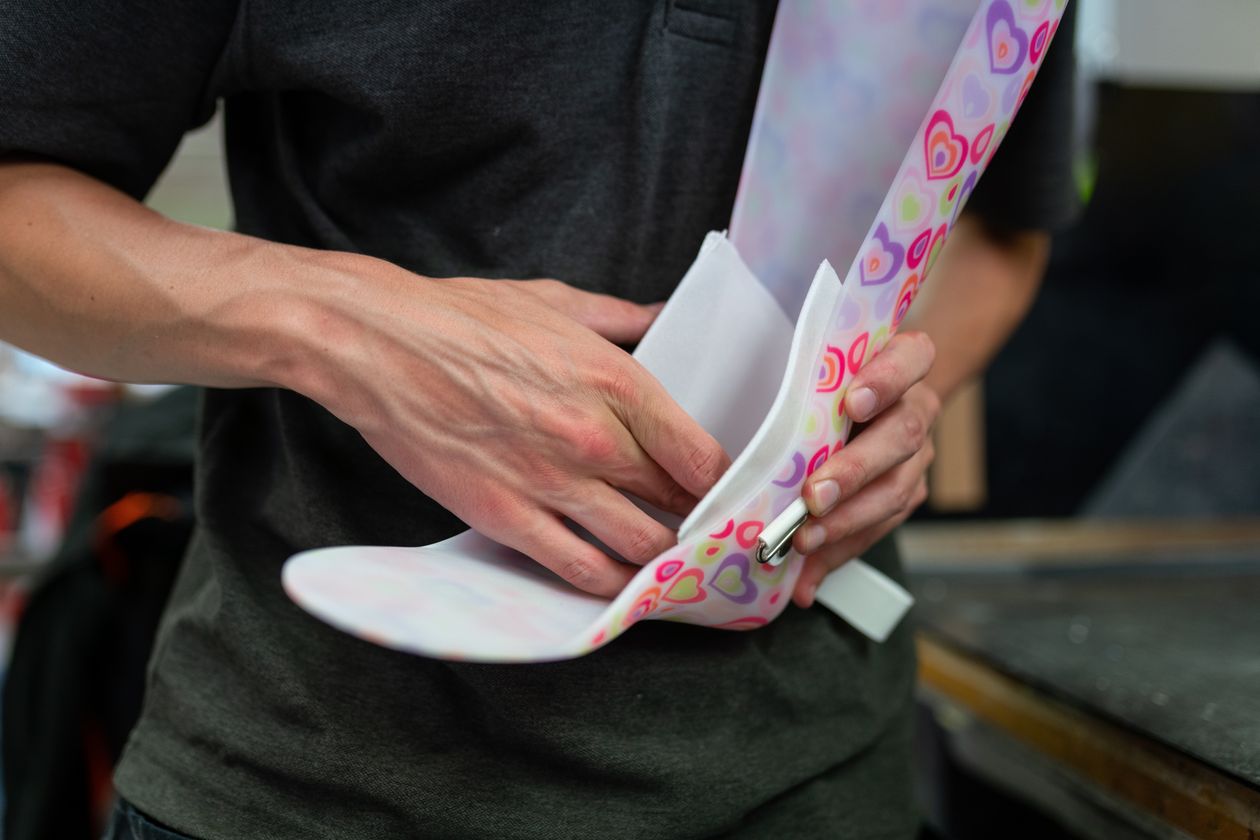
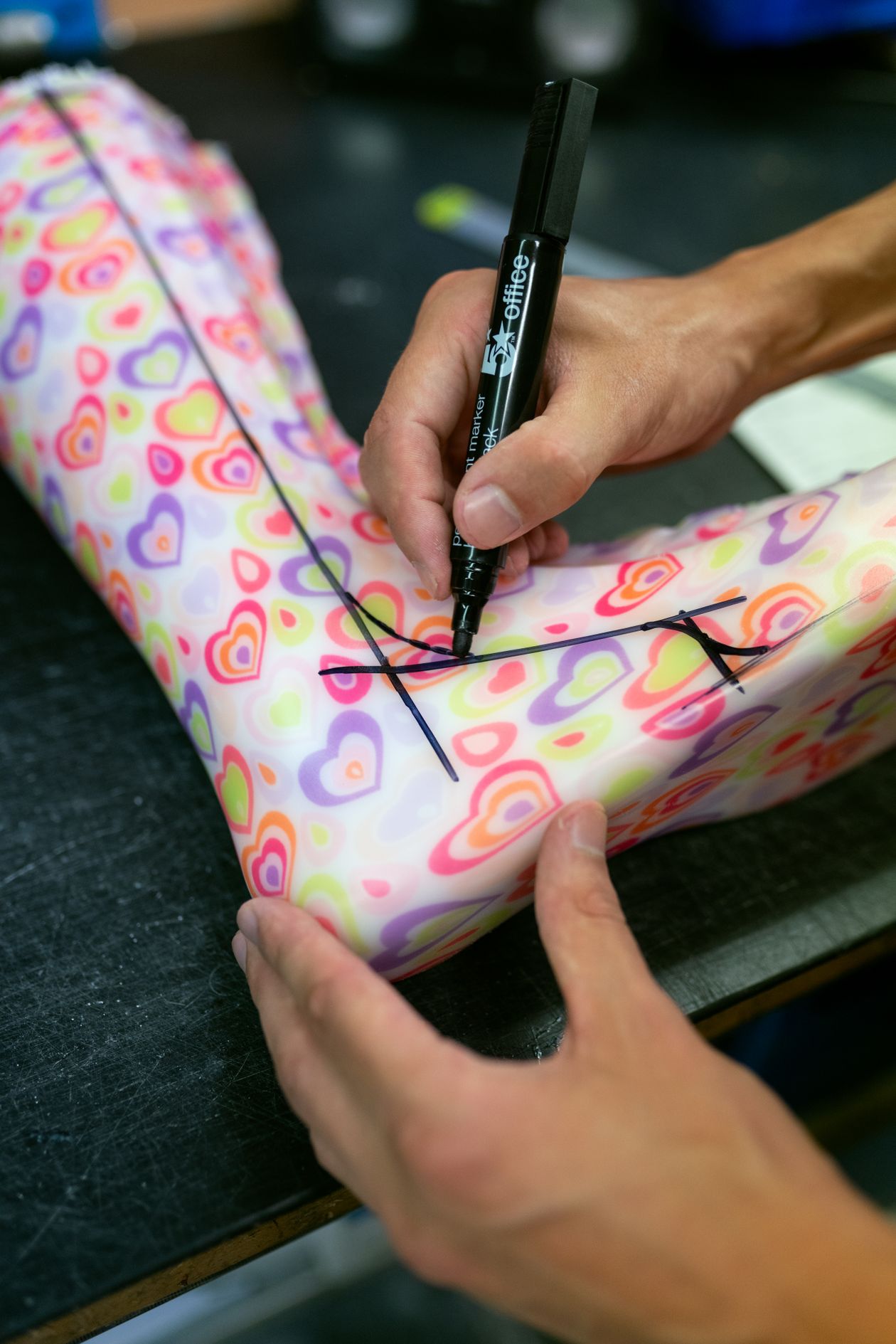
This is the question most people arrive at after reading the evidence, and the honest answer is: for most common conditions (plantar fasciitis, mild to moderate PFPS), prefabricated OTC orthotics perform comparably to custom ones in head-to-head trials. Prefabricated orthotics with appropriate arch support and heel cushioning cost $20-80. Custom orthotics from a podiatrist cost $300-600.
Custom orthotics are likely worth the investment when:
- There is a significant structural foot issue that prefabricated devices cannot address, significant flat foot (pes planus), high arch (pes cavus), or foot asymmetry
- A specific gait pathology has been identified by a podiatrist that requires a precisely engineered correction
- Prefabricated options have been tried for 2-3 months without adequate response
- The person is a high-volume athlete where small mechanical corrections have large downstream effects
For the average adult over 40 with plantar fasciitis or mild PFPS, a quality prefabricated orthotic is a reasonable first step before incurring the cost of custom devices.
The Limitation Orthotics Cannot Overcome
Orthotics modify load distribution in the foot and ankle during movement. They cannot address the muscular weaknesses and movement patterns that often underlie the conditions they treat. This is the most important limitation to understand.
For plantar fasciitis: the research on orthotics combined with calf stretching and intrinsic foot strengthening shows significantly better outcomes than orthotics alone. The orthotic provides symptom relief while the exercise addresses the underlying muscle imbalances that predisposed the condition.
For PFPS: hip abductor and external rotator strengthening is the primary mechanism of lasting recovery; orthotics assist but cannot substitute for the strength component.
People who use orthotics as a permanent substitute for addressing foot and lower limb muscle weakness often find that their symptoms return when they stop using them, because the underlying issue was never resolved. The most effective use of orthotics is as a short-to-medium-term pain management tool while rehabilitation exercise is the primary treatment.
Practical Guidance: Getting Started
For plantar fasciitis or PFPS without structural foot issues: try a quality prefabricated orthotic (look for semi-rigid arch support and adequate heel cushioning, Superfeet, Powerstep, and similar brands have consistent reviews) combined with the relevant rehabilitation exercises. Assess response at 6-8 weeks.
Break orthotics in gradually: wear them for 2-3 hours the first day, increasing by 1-2 hours daily. New orthotics change load patterns that muscles and tendons are not accustomed to, and rushing the break-in period can cause secondary foot, ankle, or knee discomfort.
If symptoms are not improving after 8-10 weeks of prefabricated orthotics plus appropriate exercise, a podiatrist assessment is warranted to determine whether a structural issue requires custom devices and to rule out other causes.
Frequently Asked Questions
Are orthotics worth it for knee pain?
It depends on the type of knee pain. For medial compartment knee osteoarthritis, lateral wedge orthotics have modest evidence for reducing loading and pain. For patellofemoral pain, orthotics combined with physiotherapy accelerate recovery compared to physiotherapy alone. For non-specific knee pain without a clear biomechanical link to foot mechanics, the evidence is insufficient. Getting a diagnosis first significantly improves the chances that orthotics will actually help.
How long do orthotics take to work?
For plantar fasciitis, many people notice pain reduction within 2-4 weeks. For patellofemoral pain and knee conditions, the load-redistribution benefits take longer to translate into symptom improvement, typically 6-12 weeks of consistent use alongside exercise is the appropriate assessment period. Wearing orthotics for only a few days and declaring them ineffective is not a fair trial.
Can I use orthotics in any shoe?
Orthotics require sufficient depth and width in the shoe to fit without causing the foot to sit too high or the toes to be compressed. Shoes with removable insoles are the most compatible, you remove the stock insole and replace it with the orthotic. Most athletic trainers and many everyday shoes accommodate this. Flat dress shoes and fashion footwear with no removable insole are generally not compatible with standard orthotics.
Do I need custom orthotics or will OTC insoles work?
OTC insoles are an appropriate first step for most adults with plantar fasciitis, mild overpronation-related knee pain, or general foot and arch discomfort. Clinical trials show OTC orthotics are often as effective as custom orthotics for plantar fasciitis and mild biomechanical issues, at a fraction of the cost. Custom orthotics become more appropriate for significant structural foot deformities, complex gait asymmetries, or when OTC insoles have been tried consistently for 6 to 8 weeks without adequate improvement. A podiatry assessment is the most accurate way to determine whether custom prescription is indicated for your specific mechanics.
How long do orthotics take to work?
Most adults notice changes within 2 to 4 weeks of consistent orthotic use, though some adaptation discomfort is normal in the first week as the foot and calf muscles adjust to the new loading pattern. For plantar fasciitis, peak benefit typically develops over 6 to 12 weeks of consistent use. Orthotics work best when combined with appropriate footwear and when soft tissue work addresses any existing tightness. An orthotic cannot overcome a shoe with poor structure, the combination of correct footwear and orthotic support is more effective than either element alone.
About the author: Richard Hale is an independent health writer focused on mobility, joint health, and active aging research. He is not a licensed medical professional. All content on VitalMove40 is for educational purposes only and is not a substitute for advice from a qualified healthcare provider.