Last updated: September 14, 2026 | By Richard Hale
Not all exercise is created equal when it comes to joint health. Some activities build the strength and mobility joints need to stay healthy. Others add repetitive stress that, over time, contributes to wear and pain. After 40, the distinction matters more than it did before, because recovery is slower and the joints have more accumulated history.
This guide covers the best low-impact exercises for joint health after 40, what makes them effective, and how to build them into a sustainable routine. The goal is not reduced effort. It is smart, consistent movement that keeps joints healthy for decades.
This content is for educational purposes only and is not medical advice. If you have a specific joint condition or have been advised to limit activity, consult a healthcare provider before starting a new exercise program.
Table of Contents
- What Low-Impact Actually Means
- Walking
- Cycling
- Swimming and Water Exercise
- Resistance Training for Joints
- Yoga and Dedicated Mobility Work
- Building a Sustainable Routine
- Frequently Asked Questions
What Low-Impact Actually Means
Low-impact means at least one foot (or the whole body, in the case of swimming) remains in contact with a surface during the movement. This eliminates the repetitive landing forces that running and jumping produce. Those forces are not inherently harmful, but they are significantly higher than low-impact alternatives and require more recovery capacity from the joints and connective tissue that absorbs them.
Low-impact does not mean low-effort or ineffective. Walking, cycling, and resistance training are all low-impact and produce substantial benefits for cardiovascular health, muscle mass, bone density, and joint function. For the broader picture of what drives joint health after 40 beyond exercise choice, see our joint health after 40 overview.
Walking
Walking is the most accessible and most consistently supported exercise for overall joint health after 40. It requires no equipment, adapts to any fitness level, and can be sustained for decades without the overuse risk of higher-impact activities.
Why It Works
Walking loads the joints rhythmically, which promotes synovial fluid circulation and cartilage nutrition. It strengthens the muscles of the hip, knee, and ankle through natural functional movement. Research consistently shows that regular walking reduces pain and improves function in adults with knee and hip osteoarthritis, according to the Arthritis Foundation.
How to Make It More Effective
Walking pace matters. A brisk walk (where you can talk but are slightly breathless) delivers greater cardiovascular and joint benefits than a slow stroll. Varied terrain, including gentle hills and uneven surfaces, engages more stabilizing muscles than flat pavement. Aim for at least 30 minutes of brisk walking most days of the week, building to this gradually if you are starting from a low activity baseline.
Cycling
Cycling is one of the most joint-friendly cardiovascular exercises available, particularly for people with knee or hip issues. The circular pedaling motion moves the joints through a full range without the impact of weight-bearing activity, and the load is distributed across the muscle rather than concentrated on the cartilage surfaces.
Indoor vs Outdoor
Both work. Stationary bikes allow precise control over resistance and remove traffic and terrain variables, which makes them useful for people in rehabilitation or those with balance concerns. Outdoor cycling adds proprioceptive challenge and is generally more engaging for long-term adherence. Recumbent bikes are particularly joint-friendly for people with lower back issues, as they support the lumbar spine during pedaling.
Seat Height
Seat height significantly affects knee load during cycling. A seat that is too low forces the knee into deep flexion at the top of the pedal stroke, which increases patellofemoral stress. A properly fitted seat allows a slight bend (about 10-15 degrees) at the bottom of the pedal stroke. Getting this right makes a substantial difference for anyone with existing knee pain.
Swimming and Water Exercise
Water exercise is uniquely effective for people with significant joint pain because buoyancy reduces effective body weight by up to 90 percent at chest depth. This allows movement through a full range that would be painful on land. The resistance of water provides meaningful cardiovascular and muscular challenge without any impact stress.
Swimming laps, water aerobics, and aqua jogging are all effective options. Water aerobics classes, often dismissed as low-effort, can actually be quite demanding and are particularly valuable for people recovering from joint surgery or dealing with significant arthritis.
Resistance Training for Joints
Resistance training is not just low-impact, it is one of the highest-priority exercises for joint health after 40. Building and maintaining the muscles that surround and protect joints is the most durable intervention available for reducing joint pain and preventing its progression.
Key Muscles to Target
For knee health: quadriceps, hamstrings, and hip abductors. For hip health: glutes, hip abductors, and hip flexors. For back health: the erector spinae, glutes, and core stabilizers. For shoulder health: the rotator cuff and mid-back muscles (trapezius, rhomboids).
Starting Points for Beginners
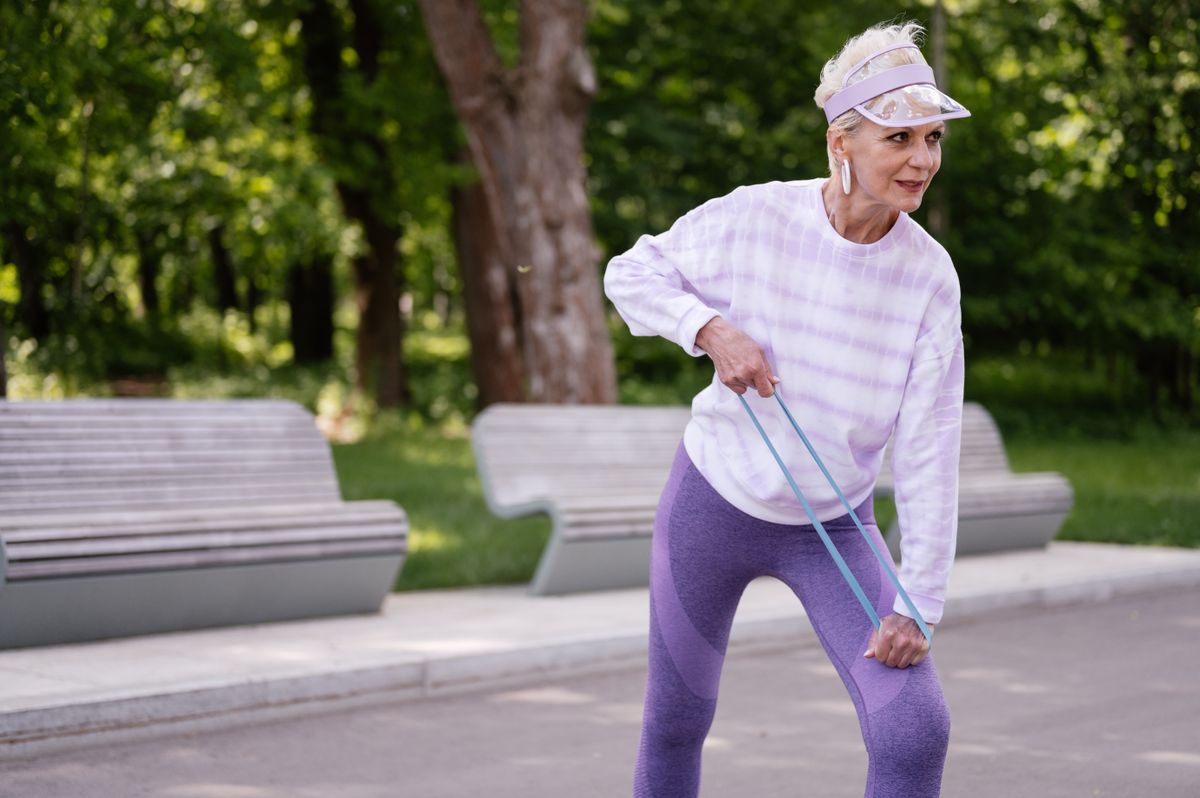
If you are returning to resistance training after a long gap or dealing with joint pain, bodyweight exercises and resistance bands are the appropriate starting point. Seated leg presses, step-ups, glute bridges, and band rows build meaningful strength without requiring the joint loading of barbell exercises. Progress from there as strength and confidence build.

Yoga and Dedicated Mobility Work
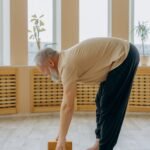
Yoga and dedicated mobility training address the range-of-motion component of joint health that aerobic exercise and resistance training do not fully cover. Maintaining full joint range of motion is what allows the strength and cardiovascular capacity built through other exercise to translate into functional capability.
What Yoga Adds
Yoga systematically moves the major joints through their full ranges, builds the postural muscles of the spine and hips, improves balance, and has documented effects on reducing joint pain in people with arthritis. Gentle or restorative yoga classes are specifically designed for people with joint limitations and are a reliable entry point for those new to the practice.
Dedicated Mobility Routines
For people who prefer not to do yoga, a 10-15 minute daily mobility routine covering the hips, thoracic spine, ankles, and shoulders achieves similar benefits. The key movements are controlled articulations through full range (hip circles, shoulder circles, thoracic rotations) combined with brief loaded stretches that reinforce the end-range positions.
Building a Sustainable Routine
A practical weekly structure for joint health after 40:
| Day | Activity | Duration |
|---|---|---|
| Monday | Resistance training (lower body focus) | 30-45 min |
| Tuesday | Brisk walk + 10 min mobility | 40-50 min |
| Wednesday | Cycling or swimming | 30-45 min |
| Thursday | Resistance training (upper body + core) | 30-45 min |
| Friday | Yoga or full mobility routine | 30-45 min |
| Saturday | Longer walk or leisure activity | 45-60 min |
| Sunday | Active rest: easy movement, stretching | 20-30 min |
This is a template, not a prescription. The principle is consistency across the week and variety across movement types. Two resistance training sessions per week is the minimum for maintaining muscle mass after 40. Everything else can be adjusted to fit your schedule and preferences.
Frequently Asked Questions
Is walking enough exercise after 40?
Walking is excellent for cardiovascular health and joint function, but it does not adequately address muscle mass maintenance, which requires resistance training. For people over 40, walking combined with two or more resistance training sessions per week covers the most important bases. Walking alone is better than no exercise, but it is not a complete program.
Is cycling better than running for joints?
For joint load specifically, yes. Cycling eliminates the impact forces of running, which makes it significantly easier on the knees and hips, particularly for people with existing joint issues. Running produces greater bone density benefit (impact loading stimulates bone remodeling), so neither is universally superior. For people with joint pain, cycling is a more sustainable alternative.
Can I do yoga if I have joint pain?
Yes, with appropriate modifications. Gentle, restorative, and chair yoga classes are specifically designed for people with mobility limitations or joint pain. Informing the instructor of your limitations allows them to suggest modifications for poses that load the affected joints. Most joint conditions are not a contraindication to yoga, high-intensity styles (hot yoga, advanced power yoga) are the ones to approach with more caution.
How much exercise is too much after 40?
The main risk after 40 is not excessive volume across a week, it is insufficient recovery between sessions and dramatic spikes in training load. Exercise daily is fine if intensity is varied and recovery is adequate. The warning signs of too much training are persistent soreness, declining performance, disrupted sleep, and joint pain that worsens over time rather than improving.
How often should adults over 40 exercise for joint health?
Current guidance for joint health after 40 is at least 150 minutes of moderate-intensity low-impact activity per week, combined with resistance training 2 to 3 days per week. For adults with joint pain, the practical principle is to do as much as possible without provoking pain that persists beyond 24 hours after the session. Consistency at a manageable volume is more beneficial than occasional high-volume sessions, joint cartilage is nourished by the regular compression and release of movement, not by the intensity of any single session. Gradual progressive increase of 10 percent per week is the most evidence-consistent approach for returning to activity after a painful period.
About the author: Richard Hale is an independent health writer focused on mobility, joint health, and active aging research. He is not a licensed medical professional. All content on VitalMove40 is for educational purposes only and is not a substitute for advice from a qualified healthcare provider.