
Last updated: July 14, 2026 | By Richard Hale
If your joints feel different than they did a decade ago, you are not imagining it. After 40, real changes happen in cartilage, muscle mass, and how the body manages inflammation.
What most people get wrong is assuming those changes move in only one direction. Most of what drives joint stiffness, longer recovery times, and reduced mobility after 40 is something you can influence. The research here is considerably more encouraging than the standard “just accept it” advice suggests.
This guide covers five areas with the strongest evidence behind them: movement, recovery, posture, nutrition, and the broader picture of mobility and independence after 40. By the end, you will have a clear view of what is actually happening in your joints, what the science supports, and what a practical approach looks like in daily life.
This content is for educational purposes only and is not medical advice. If you are dealing with a specific joint condition, significant pain, or any symptoms that concern you, please consult a qualified healthcare provider.
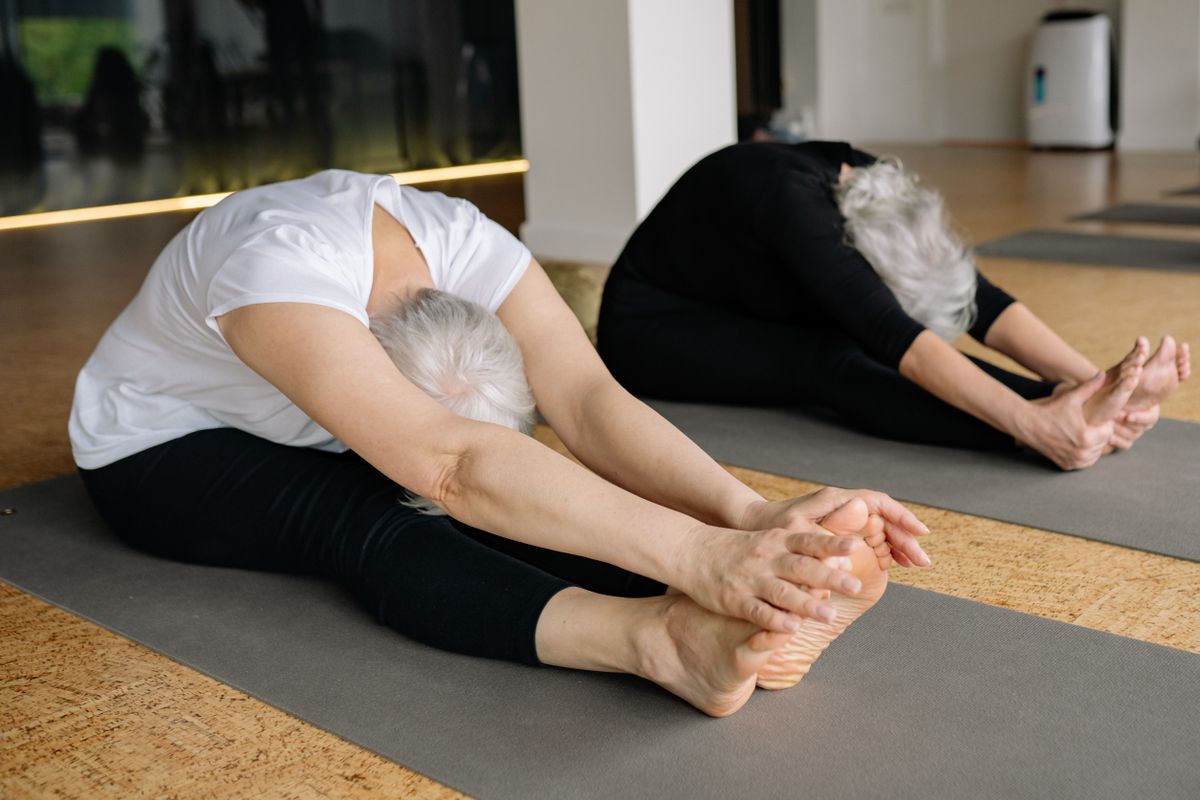
Table of Contents
- What Actually Changes in Your Joints After 40
- Movement: The Foundation of Joint Health
- Recovery: Why It Takes Longer Now
- Posture and Daily Habits That Compound Over Time
- Nutrition and Supplementation: What the Evidence Supports
- Active Aging: The Bigger Picture
- Your Joint Health Action Plan
- Frequently Asked Questions
What Actually Changes in Your Joints After 40
Several things shift after 40, but none of them are as fixed or irreversible as they might feel during a stiff morning or a slow recovery week.
Cartilage
Cartilage is the tissue that cushions the surfaces where bones meet. After 40, cartilage tends to become slightly thinner and less resilient. The cells responsible for maintaining it (chondrocytes) become less active, and repair happens more slowly.
Cartilage has limited blood supply, which is why joint injuries that resolved in weeks at 25 can take months at 45. It also means that consistent, low-impact loading through movement helps cartilage stay healthier than prolonged rest. Staying still is not protective.
Muscle Mass
From around age 40, most adults lose roughly 3 to 5 percent of muscle mass per decade without deliberate effort to maintain it. This process is called sarcopenia, and it has a direct effect on joint health.
The muscles surrounding a joint are its primary stabilizers and shock absorbers. Weakened quadriceps, for example, place more load directly on the knee joint. Building and maintaining muscle strength is one of the most evidence-supported interventions for joint health after 40, according to research published by the National Institute of Arthritis and Musculoskeletal and Skin Diseases.
Inflammation
The body’s inflammatory response becomes slower to resolve after 40. A workout that causes mild inflammation at 30 might take longer to clear at 50. Low-grade chronic inflammation, sometimes called “inflammaging,” is associated with morning joint stiffness and a general sense of reduced recovery capacity.
Acute inflammation is part of how the body heals. The goal is not to suppress all inflammation, but to support its resolution through the lifestyle approaches covered below.
Movement: The Foundation of Joint Health
Regular movement is the single best-supported intervention for joint health after 40. The research is more specific than a general “exercise more” recommendation.
Why Staying Still Makes Things Worse
Synovial fluid is the lubricant that coats joint surfaces. It circulates when joints move. Extended inactivity allows synovial fluid distribution to stagnate, which is one reason joints feel significantly stiffer after a long day at a desk or a week with little activity.
That stiffness is often interpreted as a sign to rest further, when movement is usually what resolves it. The Mayo Clinic notes that physical activity is consistently one of the most effective non-pharmacological approaches to osteoarthritis symptoms.

What Types of Movement Help Most
For joint health specifically, the evidence favors a combination of three things:
- Low-impact aerobic activity: walking, cycling, swimming, and rowing support joint mobility and cardiovascular health without repetitive high-impact stress
- Resistance training: building muscle around joints improves stability and reduces load on the joint surfaces themselves
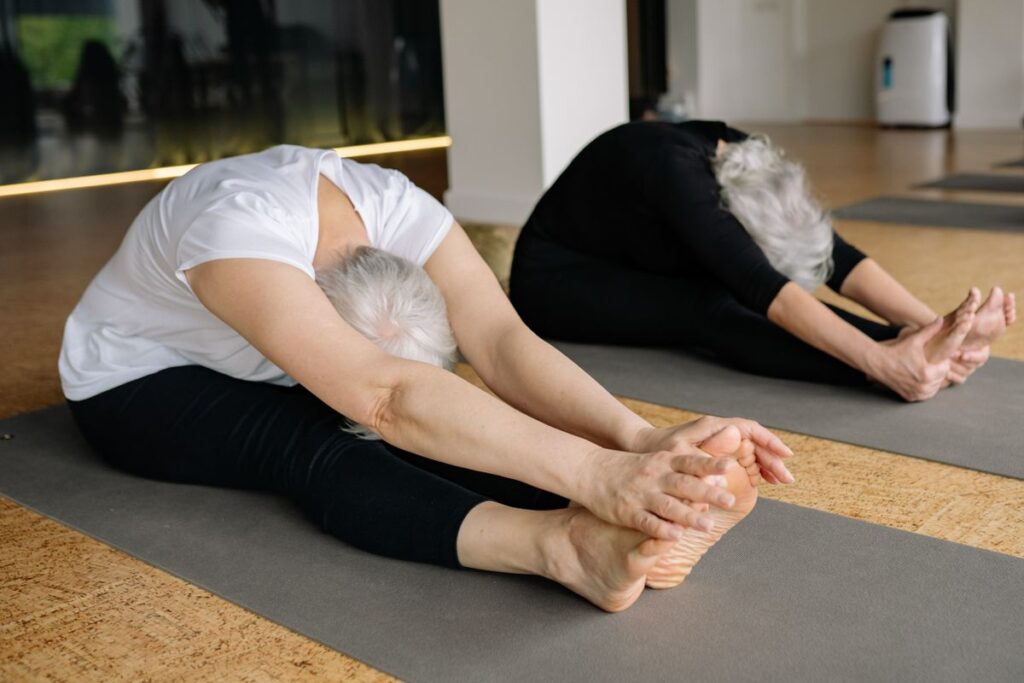
- Mobility and flexibility work: yoga, stretching, and targeted mobility exercises help maintain range of motion, which tends to narrow with age if not actively maintained
Higher-impact activity is not ruled out. After 40, recovery time matters more than it did previously, and joint-friendly variations of harder training tend to be more sustainable over the long term.
How Much Is Enough
The American College of Sports Medicine recommends at least 150 minutes of moderate aerobic activity per week for adults, plus two sessions of muscle-strengthening work. For joint health, consistency matters more than intensity. A 30-minute walk five days a week does more for joint health than an intense workout once a week after five days of sitting.
Recovery: Why It Takes Longer After 40 (And What Actually Helps)
Recovery slows after 40 due to reduced growth hormone output, slower protein synthesis, and the inflammatory changes described above. The answer is not to train less. It is to treat recovery as part of the plan.
Heat and Cold Therapy
Heat and cold are among the most widely used home recovery tools. They are not interchangeable.
Cold is most useful in the first 24 to 48 hours after acute injury or hard exercise, when it can limit swelling and reduce acute pain. Heat is better suited to chronic stiffness and ongoing tension. It increases blood flow, which helps loosen stiff tissue and supports healing over time. For most people over 40 dealing with persistent joint stiffness, heat is the more appropriate choice. See the full guide on heat vs ice for joint pain for a detailed breakdown.
Sleep and Joint Recovery
Most tissue repair happens during sleep. Adults who consistently sleep fewer than seven hours show elevated inflammatory markers and report significantly more joint pain than those sleeping seven to nine hours. If you regularly wake up with stiff, achy joints, sleep quality and duration are worth examining alongside other approaches.
Load Management
Load management means adjusting the volume and intensity of activity to match what your joints can currently recover from. Overuse injuries, where repetitive stress exceeds recovery capacity, become more common after 40 because recovery capacity has shifted. Distributing load across the week, alternating muscle groups, and avoiding dramatic increases in training volume in a short period helps prevent this pattern.
Posture and Daily Habits That Compound Over Time
Poor posture rarely causes immediate joint pain. What it does is create uneven loading patterns that accumulate over years and show up as chronic tension, restricted movement, or joint pain by the time someone is in their late 40s or 50s.
The Desk Sitting Problem
Extended sitting in a flexed hip position tightens the hip flexors and weakens the glutes. This shifts the pelvis forward, increases the curve in the lower back, and puts additional compression on the lumbar spine. Most office workers spend the majority of their waking hours in this position.
Standing breaks every 30 to 45 minutes, basic hip flexor stretching, and deliberate glute strengthening address the root of this pattern. Read more about why posture changes after 40 and how to address it.
Footwear and Ground Contact
The footwear choices made over decades affect joint mechanics throughout the body. Heavily cushioned, elevated-heel shoes alter gait patterns, reduce ankle mobility, and shift load distribution upward through the knees and hips. This does not mean all cushioned footwear is harmful. It means ankle mobility and natural gait patterns are worth paying attention to as part of a joint health approach over the long term.
Small Habits With Large Compounding Effects
- Move every hour during periods of extended sitting
- Maintain a healthy body weight, each pound of body weight adds approximately four pounds of compressive load on the knee joint, according to research referenced by the Arthritis Foundation
- Vary movement patterns rather than repeating the same motions indefinitely
- Pay attention to pain signals rather than defaulting to pushing through them
Nutrition and Supplementation: What the Evidence Actually Supports
Nutrition for joint health is heavily marketed and frequently overstated. The evidence for specific supplements is considerably weaker than most products imply. Here is what the research actually shows.

Anti-Inflammatory Dietary Patterns
No single food repairs joints. What the research consistently supports is that dietary patterns high in ultraprocessed foods, refined sugars, and industrial seed oils promote systemic inflammation. Patterns closer to a Mediterranean diet, built around vegetables, fruits, fatty fish, olive oil, and legumes, are associated with lower inflammatory markers.
The practical takeaway: the overall quality of your diet influences whole-body inflammation, which directly affects how joints feel and recover.
Omega-3 Fatty Acids
This is one of the better-supported supplements for joint health. Research has found that EPA and DHA, the omega-3 fatty acids in fish oil, can reduce markers of inflammation and decrease joint pain and stiffness, particularly in people with rheumatoid arthritis. The evidence for osteoarthritis is less conclusive but generally positive. Fatty fish two or three times a week, or a fish oil supplement, are the most practical approaches to increasing intake.
Glucosamine and Chondroitin
These are among the most widely sold joint supplements. The evidence is genuinely mixed. Some studies find modest benefit for people with moderate to severe osteoarthritis, particularly for pain. Others find no significant difference from placebo. The current position of major rheumatology organizations is that these supplements are safe but not definitively proven to rebuild cartilage. The full picture on glucosamine is covered here.
Vitamin D
Vitamin D deficiency is common after 40 and is associated with musculoskeletal pain and reduced bone density. Getting levels tested is a practical first step, especially if you live in a northern climate or spend limited time outdoors. The NIH Office of Dietary Supplements provides detailed guidance on adequate intake levels by age.
Active Aging: The Bigger Picture
Joint health after 40 is not primarily about managing pain. It is about preserving the capacity to do things: lifting, hiking, traveling, working without discomfort, staying independent well into later life.
Mobility vs General Fitness
Fitness metrics like cardiovascular capacity and muscle strength are important. Mobility, specifically the ability to move through a full range of motion without restriction, is what allows that fitness to translate into real-life capability. Someone who can lift heavy but cannot reach overhead without shoulder pain, or cannot get up off the floor easily, has a gap between fitness and functional mobility. After 40, closing that gap is worth prioritizing deliberately.
The Independence Connection
Research on aging consistently shows that maintaining physical function and mobility is one of the strongest predictors of quality of life and independent living in older adulthood. Adults who remain most capable in their 70s and 80s are almost uniformly those who maintained consistent physical activity and attention to joint health through their 40s, 50s, and 60s.
The choices made now compound in both directions. The habits built in your 40s have returns measured in decades.
Your Joint Health Action Plan
Based on the evidence in this guide, here is what a practical approach looks like:
| Area | What to Do | How Often |
|---|---|---|
| Movement | Walk 20-30 minutes; 2x/week resistance training; daily mobility work | Daily walks; 2x/week strength; most days mobility |
| Recovery | 7-9 hours sleep; heat for chronic stiffness; cold for acute injury (first 48h) | Nightly; as needed |
| Posture | Move every 30-45 min during sitting; hip flexor stretches; glute work | Daily |
| Nutrition | Mediterranean-style eating; omega-3 sources; vitamin D level check | Ongoing |
When to see a doctor: Joint pain that is severe, sudden in onset, accompanied by swelling, warmth, or redness, or that significantly limits daily activity warrants medical evaluation. This guide covers general joint health for aging adults, not diagnosis or treatment of specific conditions.
Frequently Asked Questions
Is it normal for joints to hurt more after 40?
Some increase in joint stiffness and occasional discomfort after 40 is common. It reflects normal changes in cartilage, muscle mass, and inflammation resolution. Significant, persistent, or worsening joint pain is not inevitable and often responds well to movement, load management, and dietary approaches.
What is the best exercise for joint health after 40?
There is no single best exercise. A combination works best: low-impact aerobic activity for circulation and mobility, resistance training for joint stability, and mobility work to maintain range of motion. Consistency over time matters more than any specific activity choice.
Can joint damage be reversed?
Cartilage has limited regenerative capacity, and significant existing damage cannot be reversed through lifestyle alone. Symptoms can often be substantially reduced, and further deterioration slowed, through regular movement, load management, and nutrition. Many people with moderate osteoarthritis report meaningful improvements in pain and function through consistent physical activity.
What foods are worst for joint health?
Dietary patterns built around ultraprocessed foods, refined sugars, trans fats, and excessive alcohol are most associated with increased joint pain and inflammation. No single food is the sole cause, but these patterns consistently appear in research on chronic inflammation and joint health outcomes.
Should I see a doctor about joint pain after 40?
Yes, if your joint pain is severe, sudden, accompanied by visible swelling, warmth, or redness, or significantly affects daily activities. A general increase in stiffness or mild discomfort is something most adults can address through the lifestyle approaches in this guide, but a healthcare provider can identify specific conditions that need targeted treatment.
How long does it take to improve joint health?
Most people notice some improvement in stiffness and comfort within two to four weeks of consistent movement and lifestyle changes. Significant improvement in joint function and reduction in chronic pain typically takes two to three months of sustained effort. Building and maintaining muscle, which provides the most durable protection for joints, is a longer-term process that continues to compound over years.
About the author: Richard Hale is an independent health writer focused on mobility, joint health, and active aging research. He is not a licensed medical professional. All content on VitalMove40 is for educational purposes only and is not a substitute for advice from a qualified healthcare provider.